Engineered for thermal processing endurance, protein suspension, and extended shelf life.


In modern industrial food processing, sterilization methodologies such as Ultra-High Temperature (UHT) processing, retorting, and high-temperature short-time (HTST) pasteurization have become fundamental protocols. These processes ensure food safety and extend shelf life to facilitate global distribution. However, exposing complex matrix formulations—such as neutral dairy beverages, acidic protein matrices, plant-based dairy alternatives, and dense gelling products—to extreme thermal ranges (121°C to 145°C) poses significant physical challenges. Thermal stress triggers thermodynamic instability, rapid protein denaturation, phase separation, syneresis, and fat coalescence.
To overcome these challenges, global manufacturers rely on custom High-Temperature Stability Systems (HTSS). As a leading ODM supplier and exporter, Nanchang Tellcan Food Science Co.,Ltd. designs engineered hydrocolloid-emulsifier complexes. These systems create resilient network configurations that prevent structural collapse under high-temperature conditions. Our formulations protect protein structures, prevent lipid separation, and keep insoluble particles suspended, ensuring consistent mouthfeel and appearance throughout the product's shelf life.
An analysis of thermodynamic defense mechanisms in food emulsion chemistry.
Our ODM stability systems leverage targeted hydrocolloids to coat lipid droplets and protein aggregates. By maximizing electrostatic repulsion and steric hindrance, the matrix prevents the coagulation and sedimentation of suspended materials even during extreme thermal agitation.
Using customized Microcrystalline Cellulose (MCC) networks, we introduce a pseudoplastic fluid model. Under static conditions, the formulation maintains high yield stress to hold particles in place, but easily thins under shear forces during pouring and consumption.
In acidic dairy systems, proteins tend to aggregate near their isoelectric point (pH 4.6). Tellcan’s stabilizer systems shield these proteins using anionic polymers. This prevents precipitation and whey separation (syneresis) during pasteurization and hot-filling.
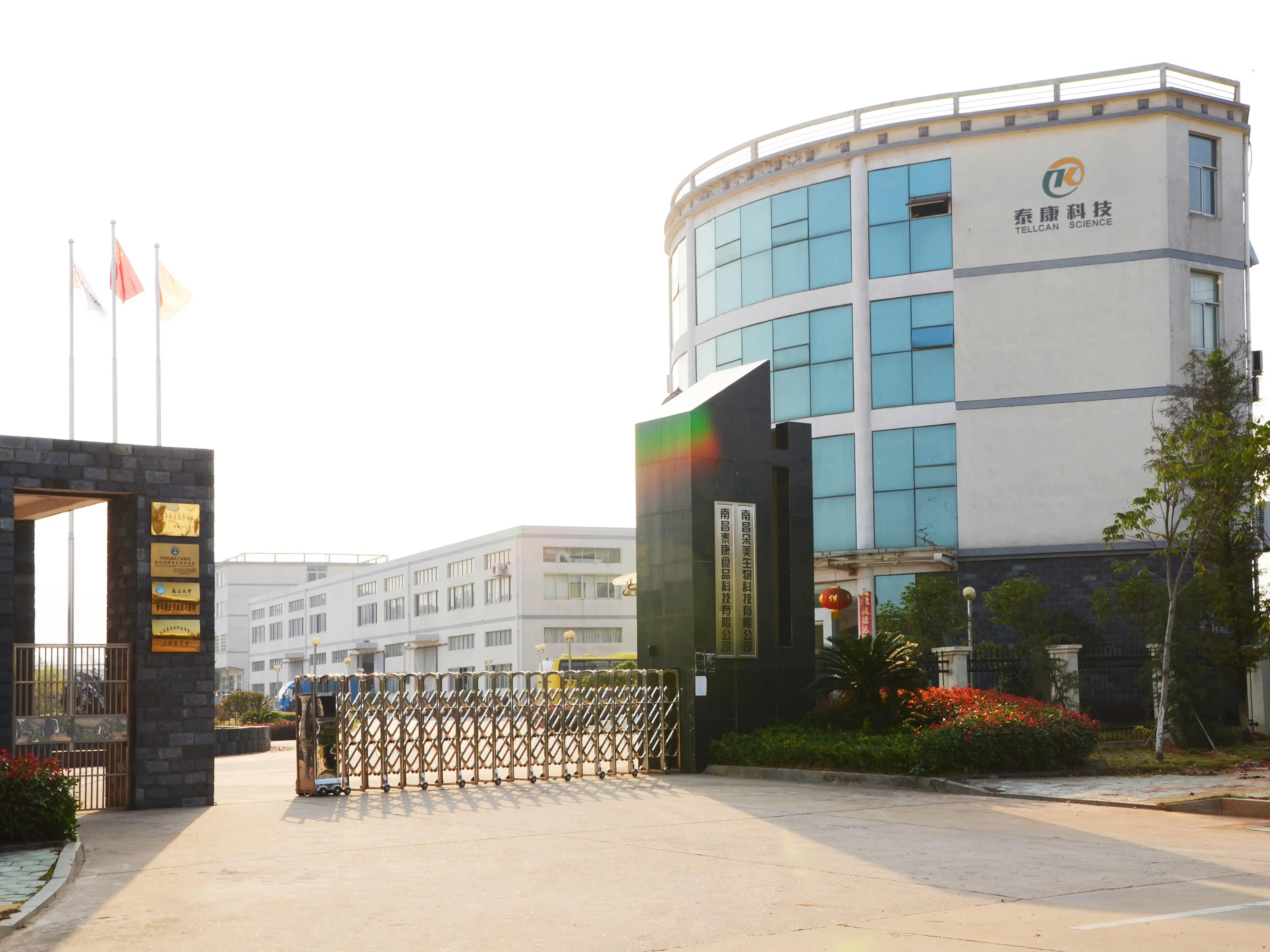
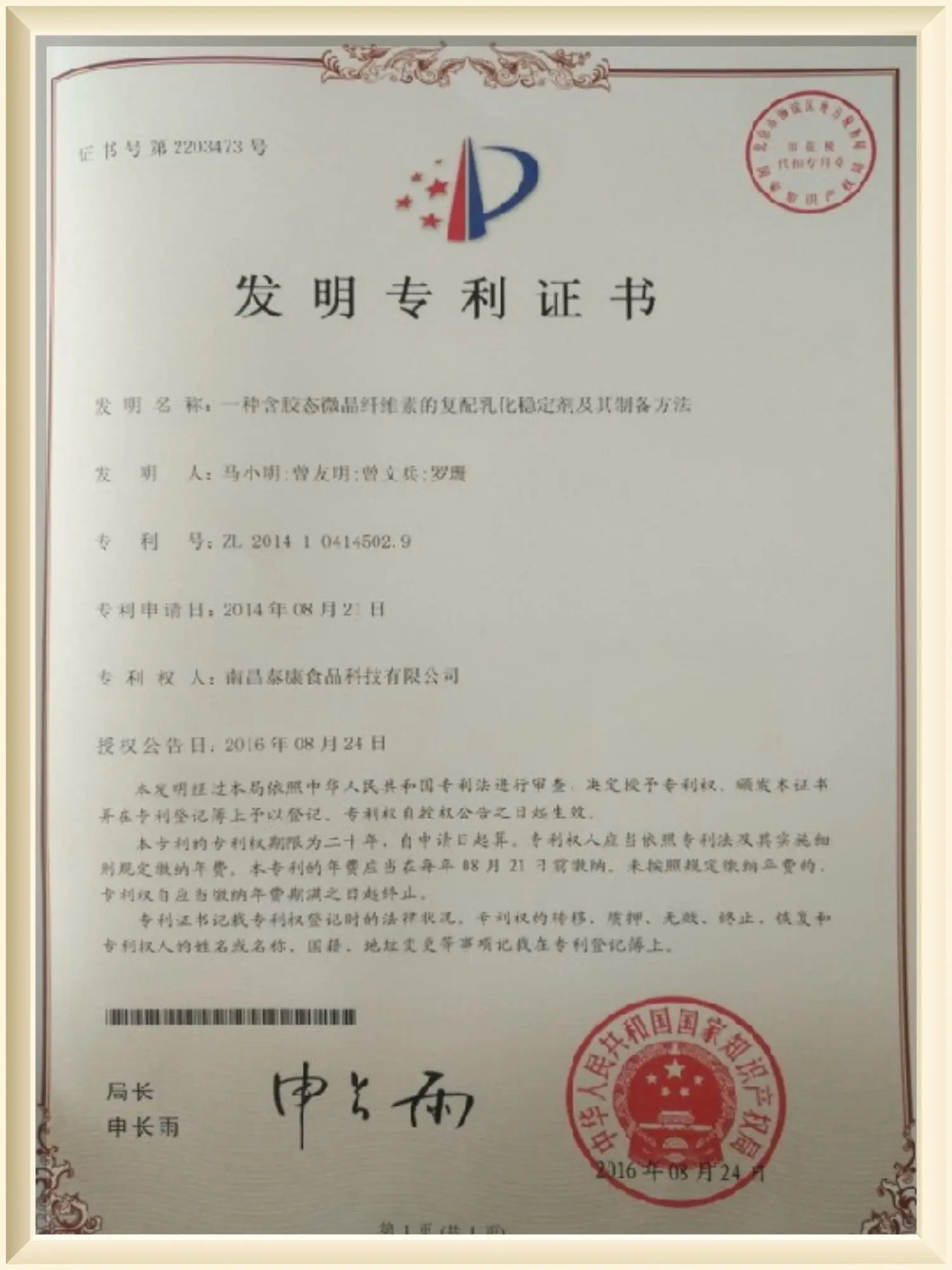
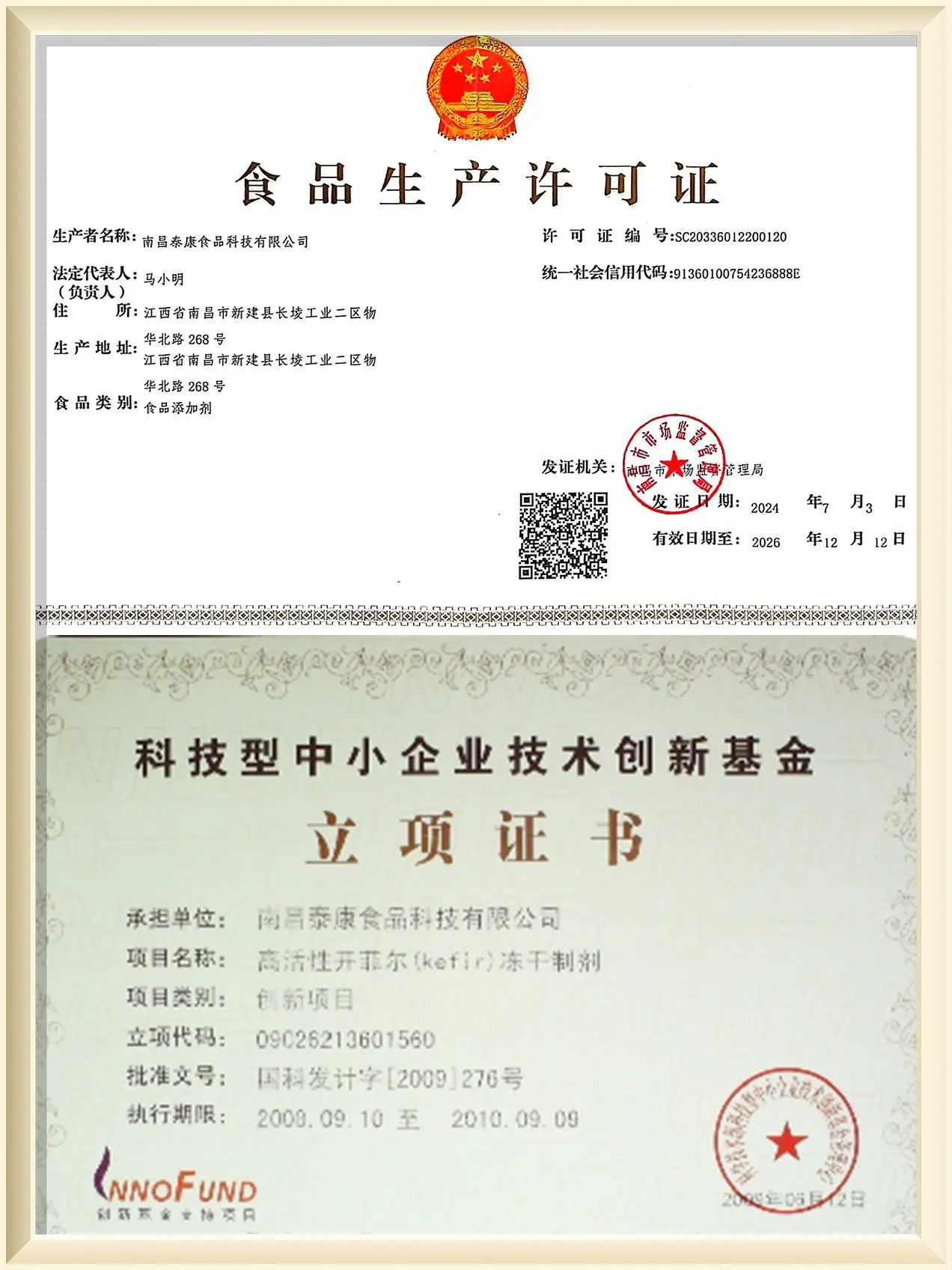
Located in the Changling Industrial Zone II, Nanchang City, Jiangxi Province, Nanchang Tellcan Food Science Co.,Ltd. is ranked among the "Top 100 Enterprises in China's Food Additives and Food Ingredients Industry." The company specializes in the R&D, production, and sales of food additives, as well as research and development in information technology, food processing techniques, and the transfer of agricultural product deep-processing technologies. Adhering to the principle of "people-oriented, technology-driven," Tellcan provides optimal solutions to clients with unparalleled efficiency.
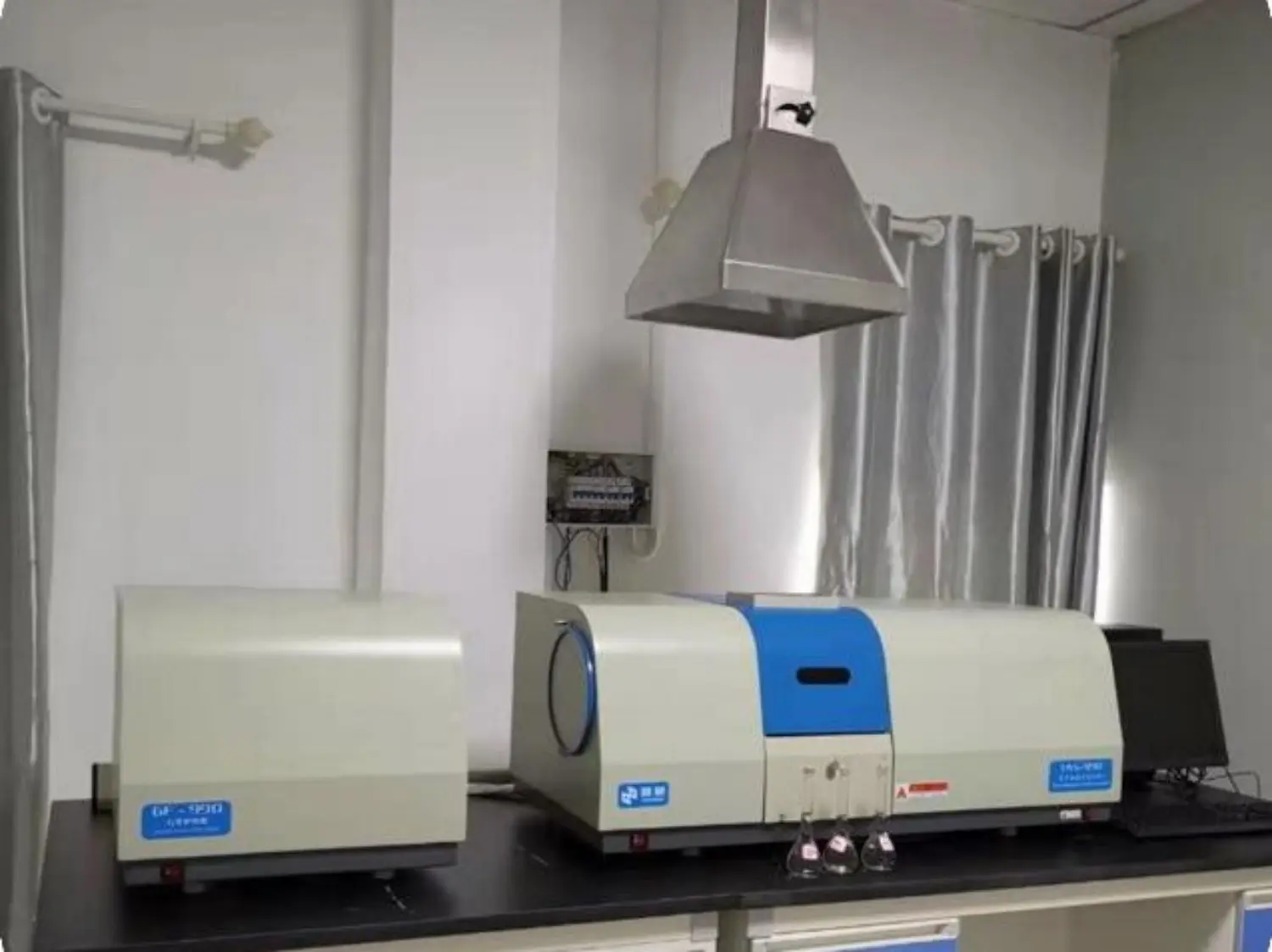
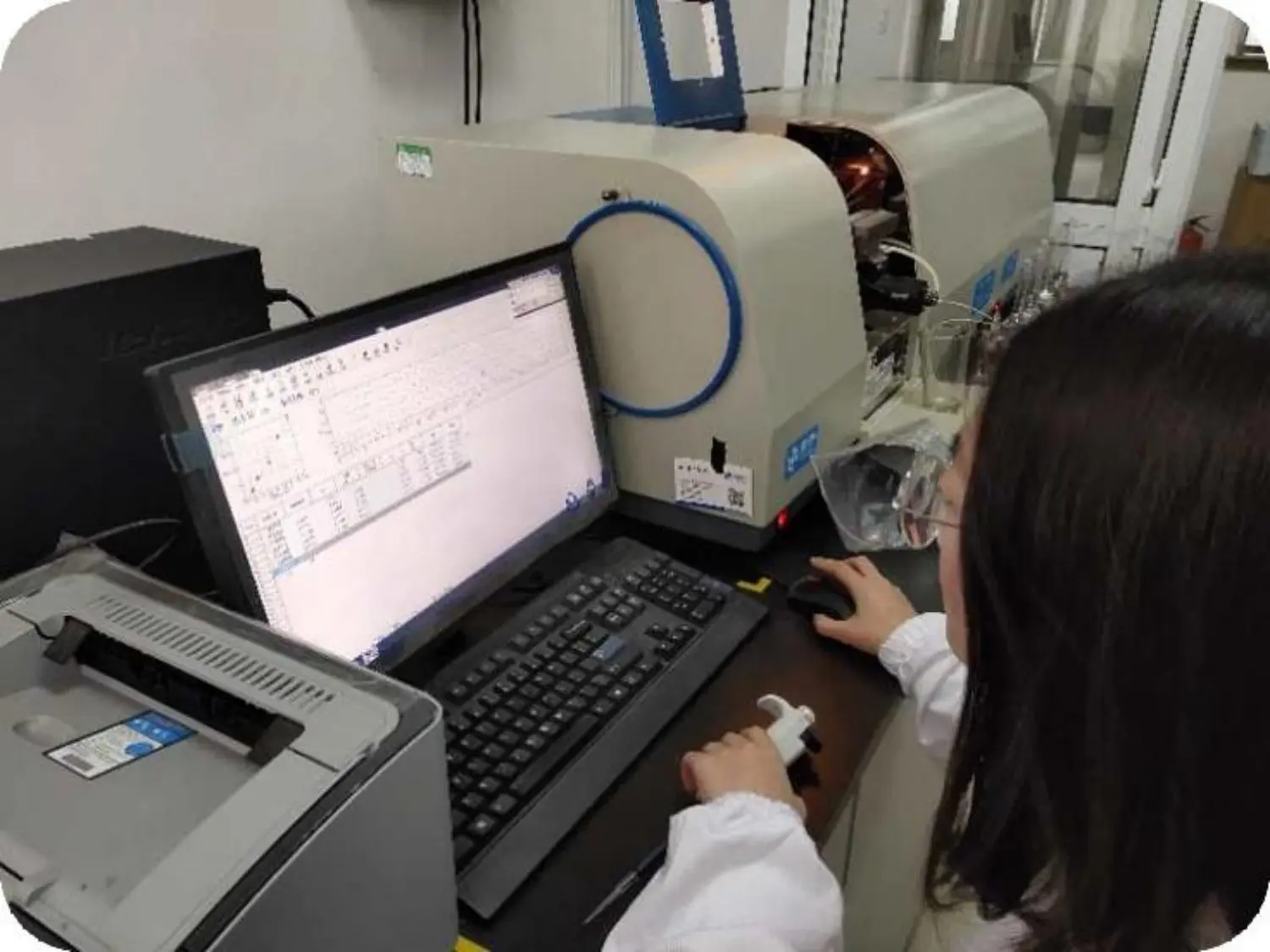
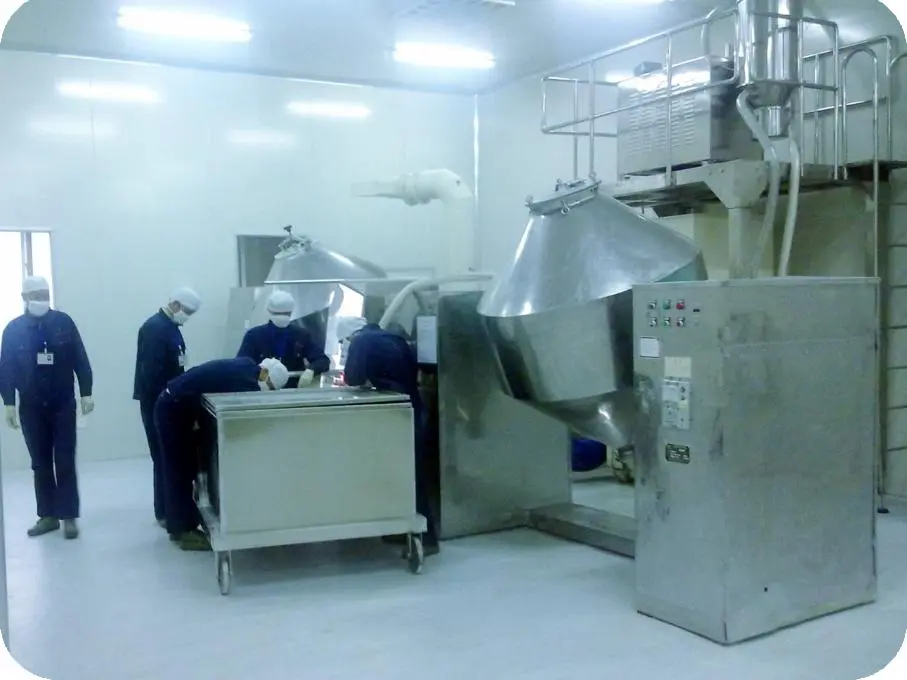
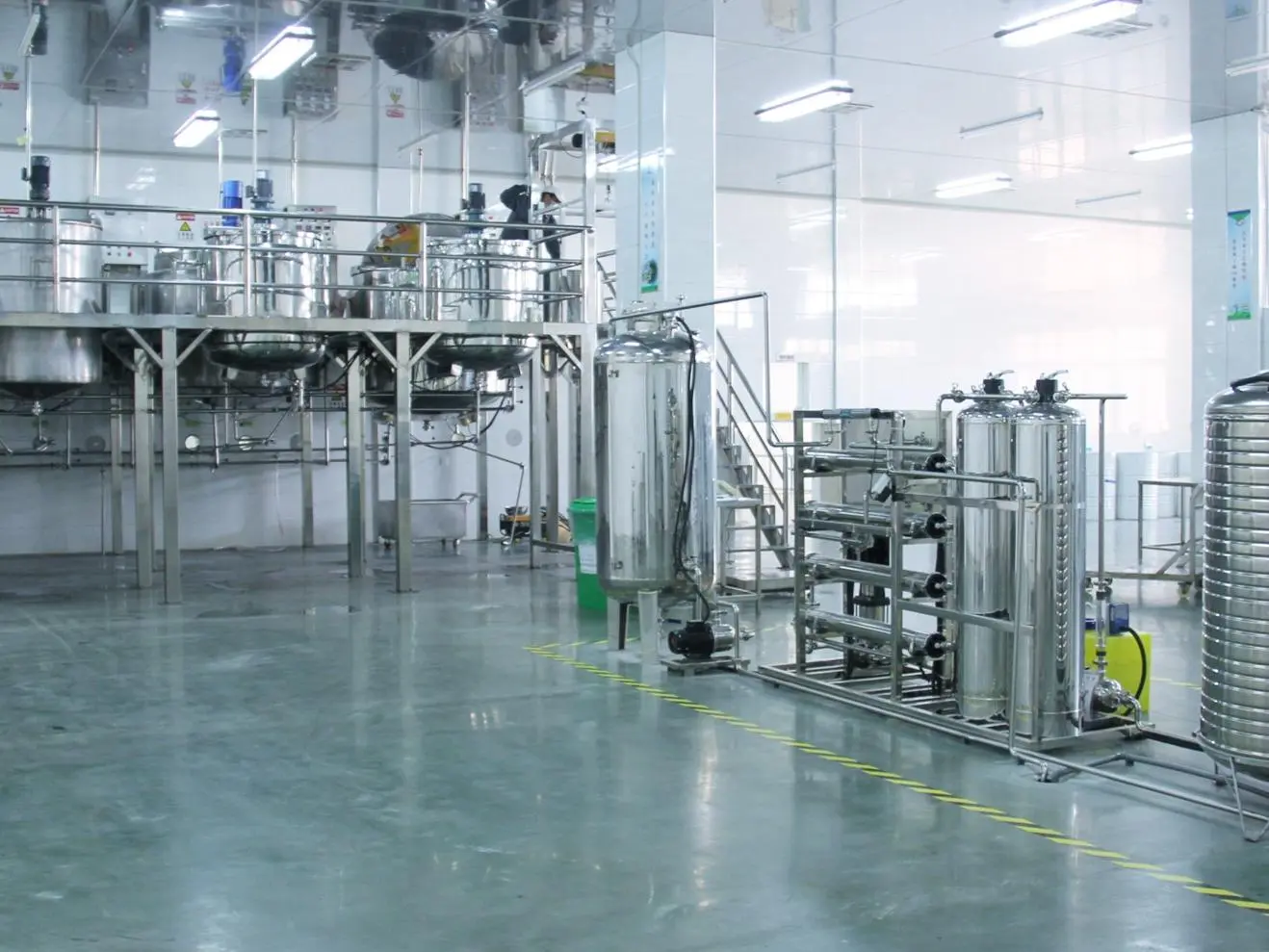
All Tellcan products are formulated with globally sourced premium raw materials, scientifically compounded, and meticulously crafted. Our superior quality has been verified by millions of commercial partners nationwide. Our technological capabilities are supported by a robust technical team operating advanced pilot production lines, R&D laboratories, and quality control systems. The company has implemented and maintains the HACCP 22000 Food Safety Management System, ensuring reliable products and services. Tellcan’s "Five-Star Service" philosophy empowers clients to maximize the value of its products.
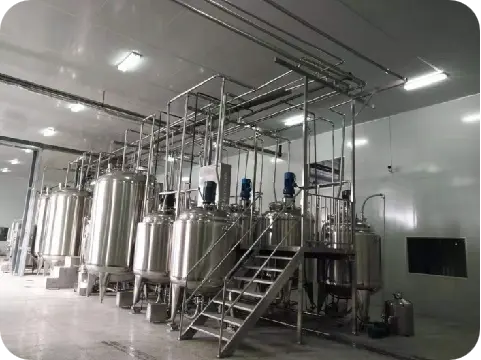
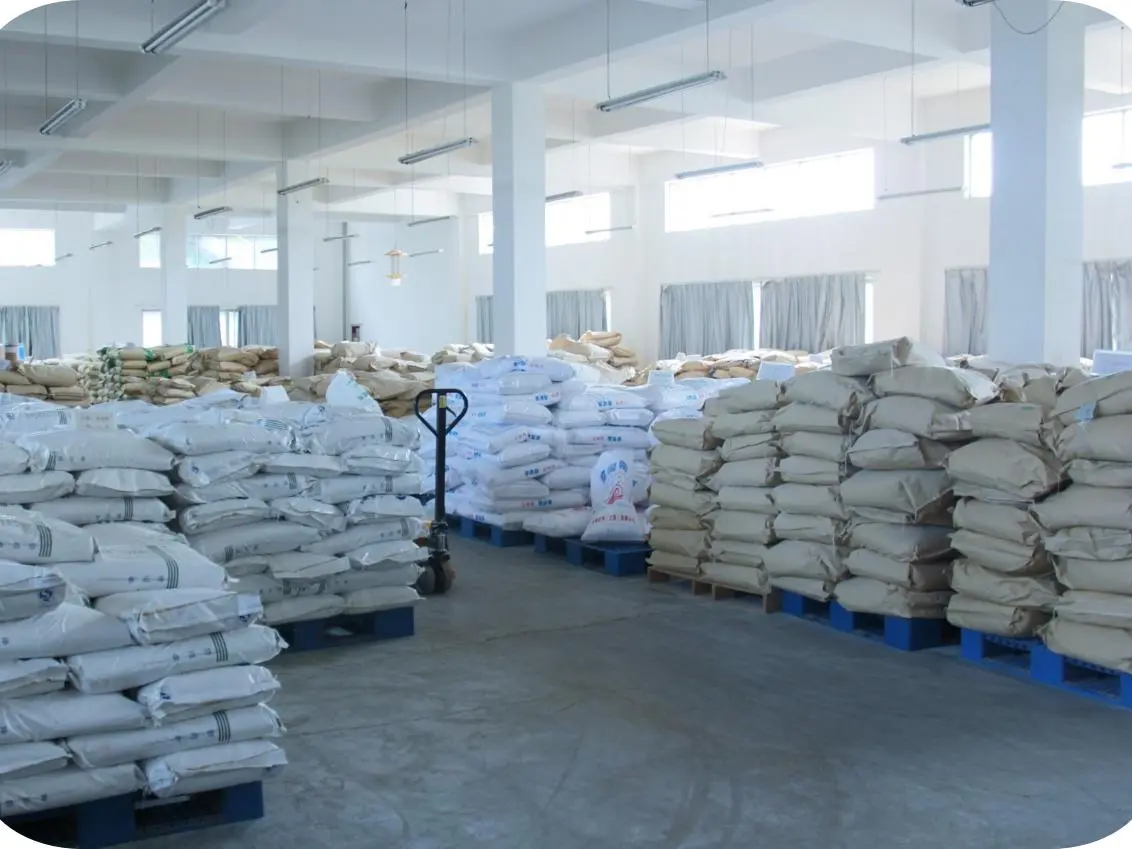
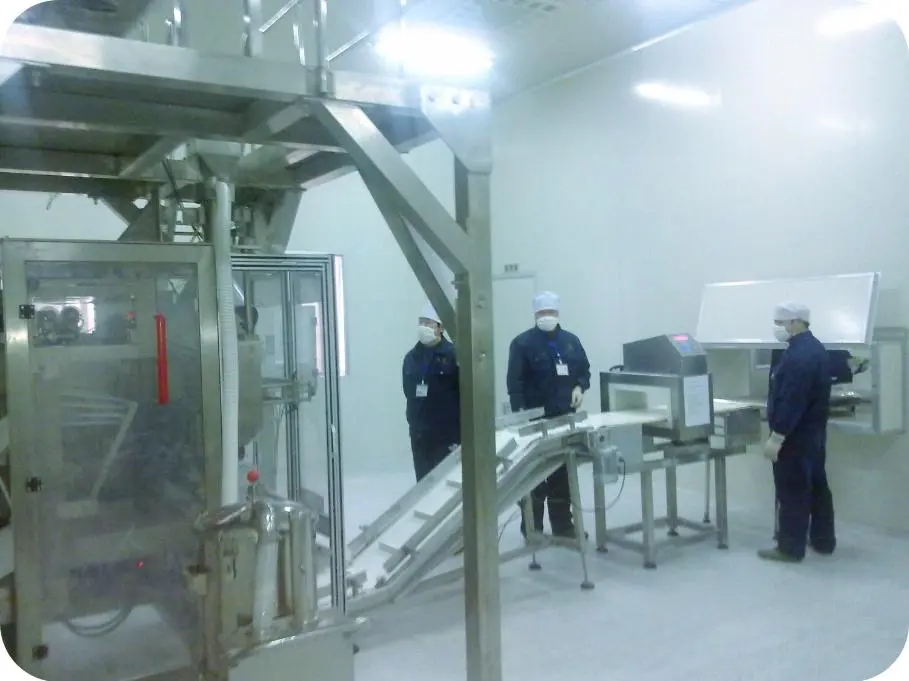
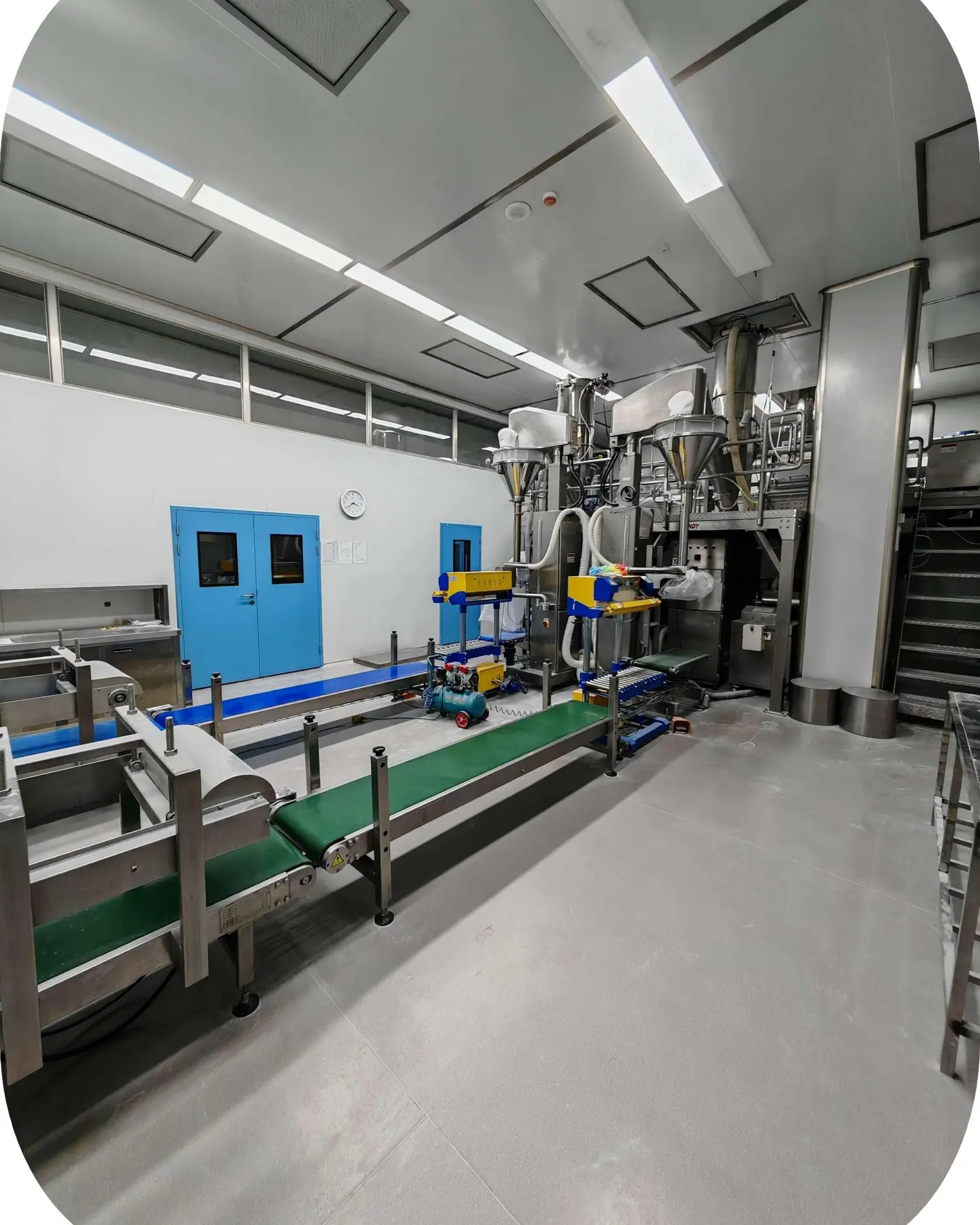
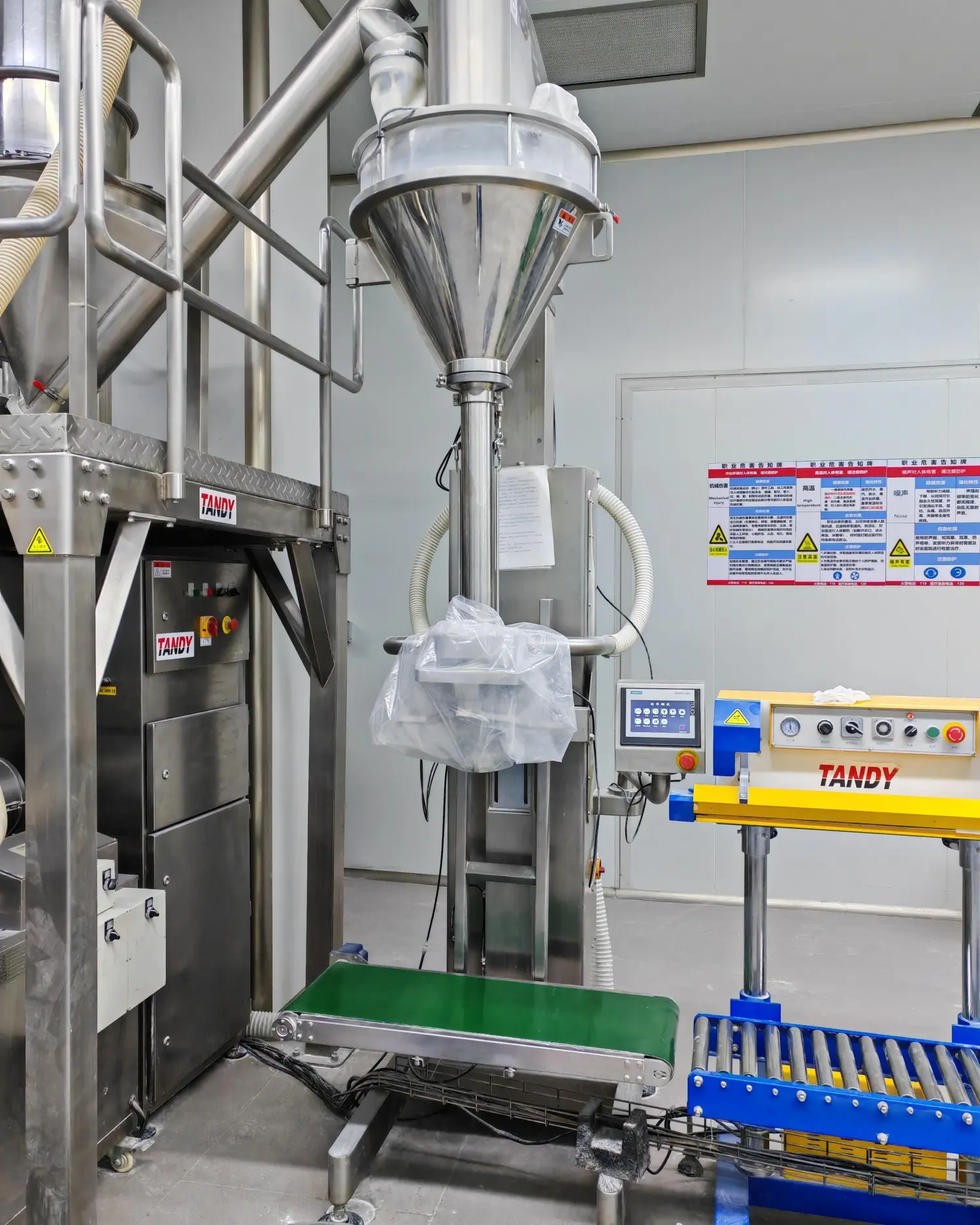
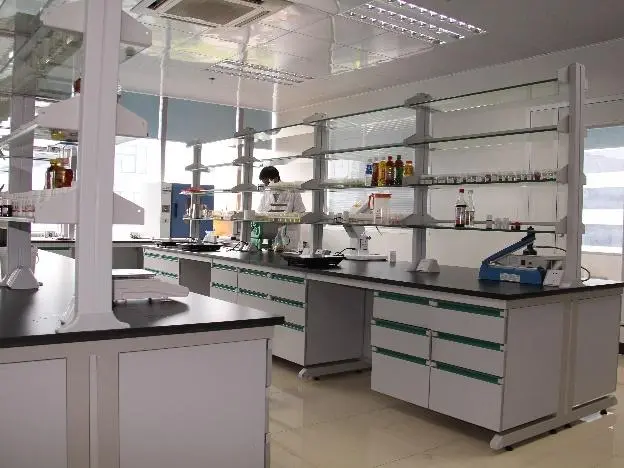
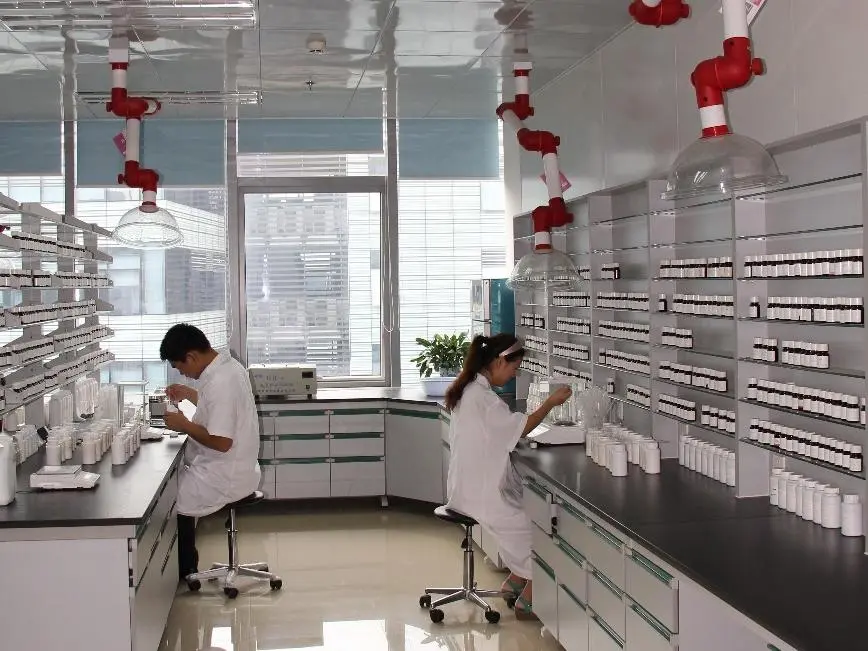
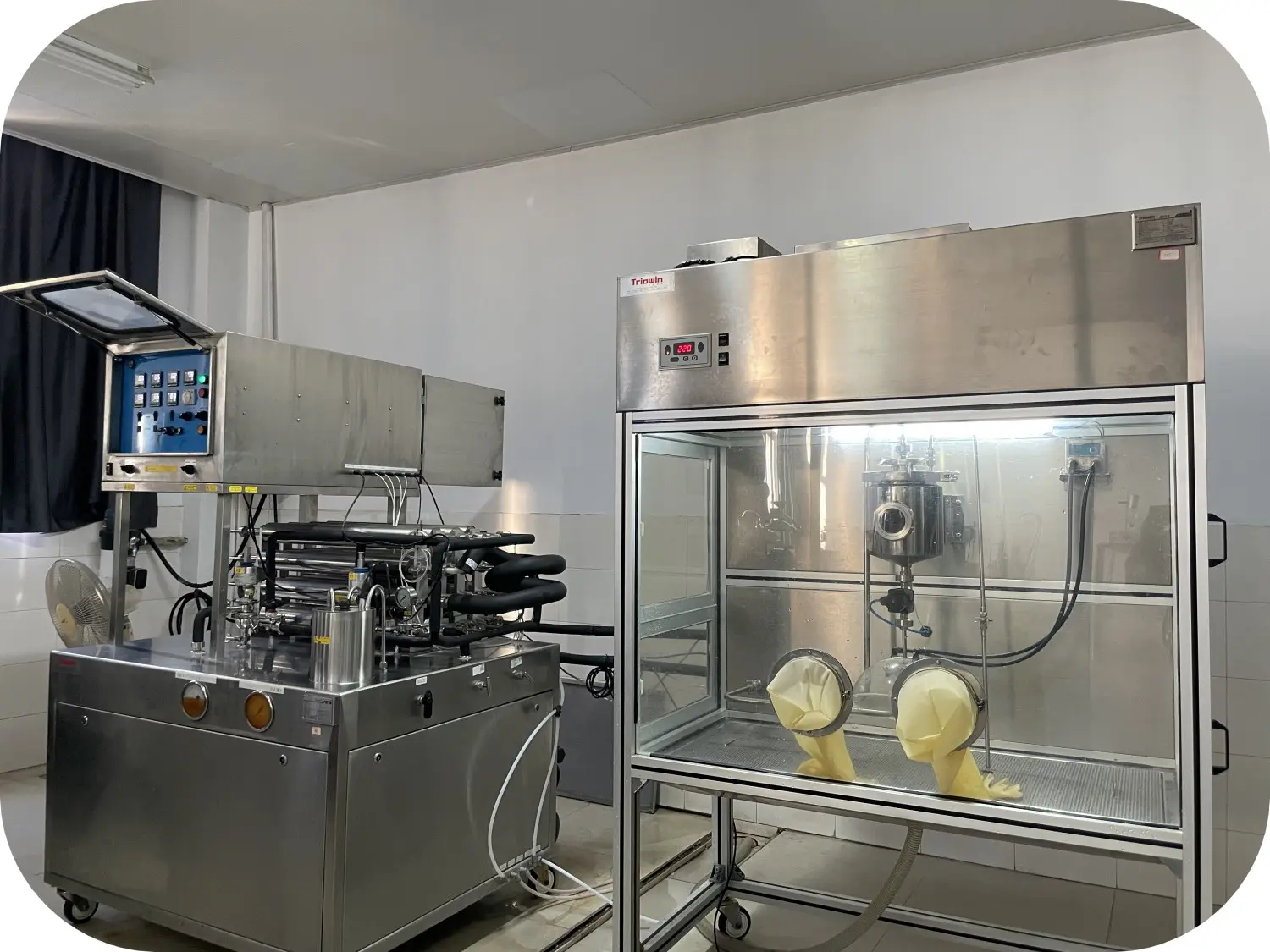
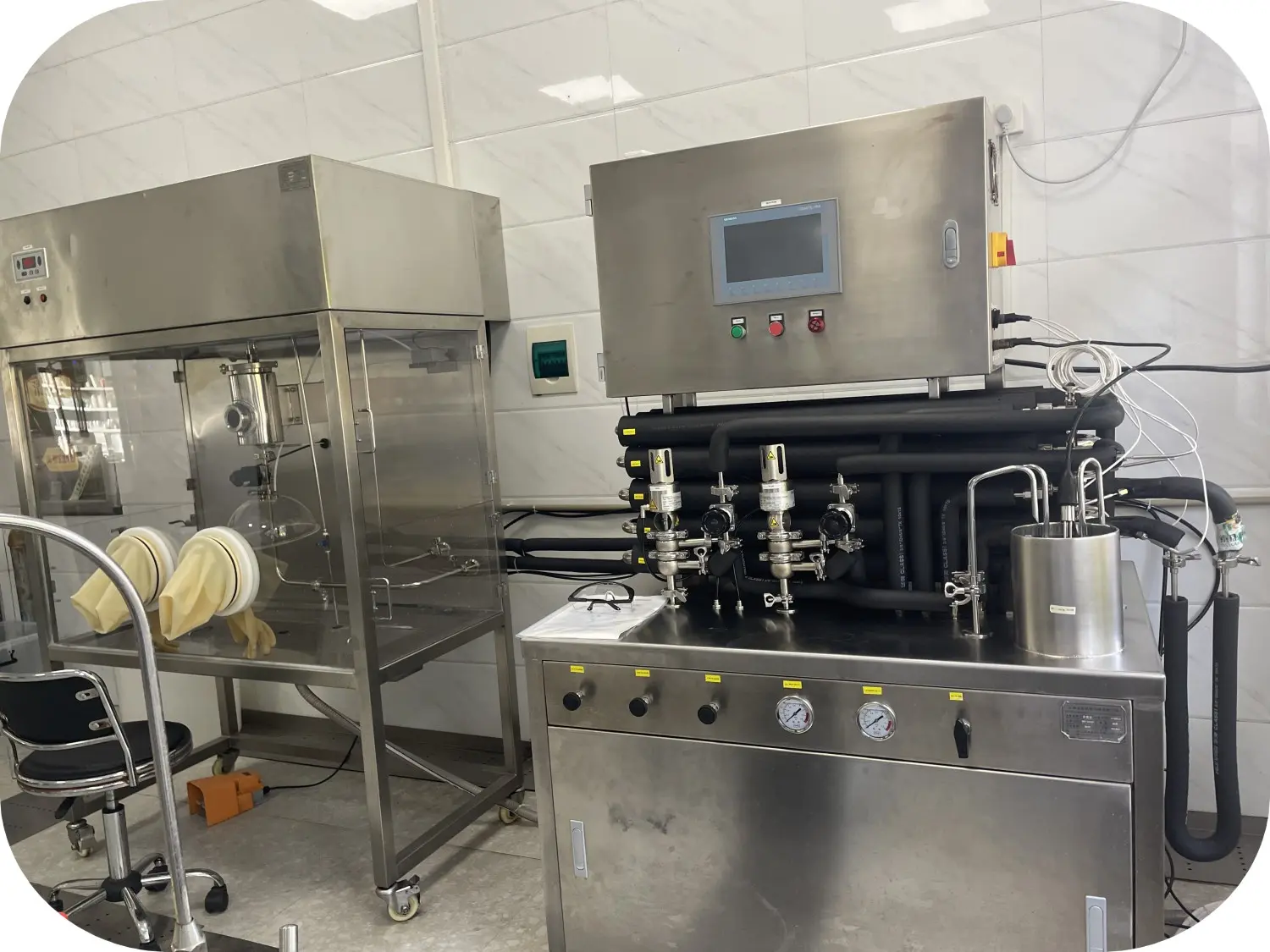
Equipped with state-of-the-art diagnostic and manufacturing instruments to maintain regulatory standards and process consistency.
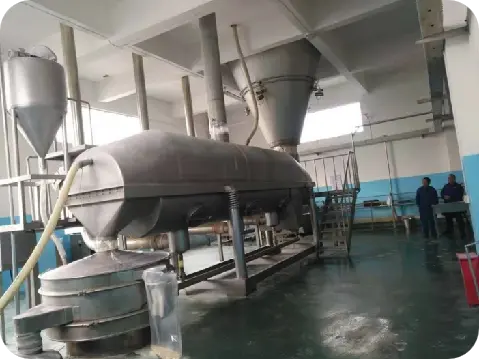
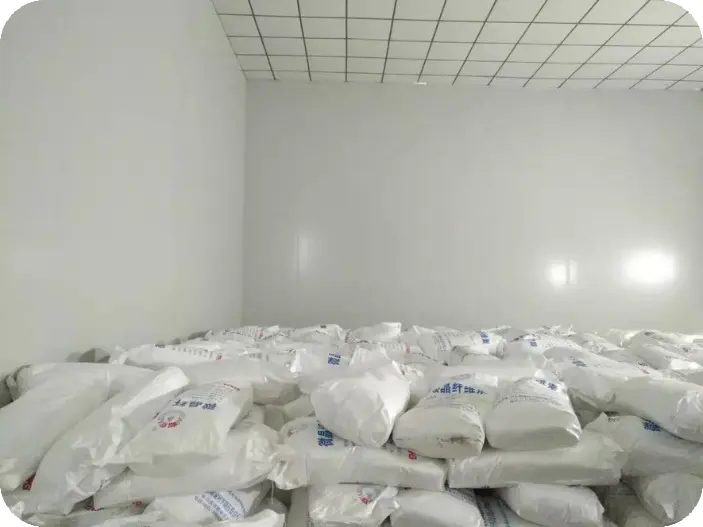
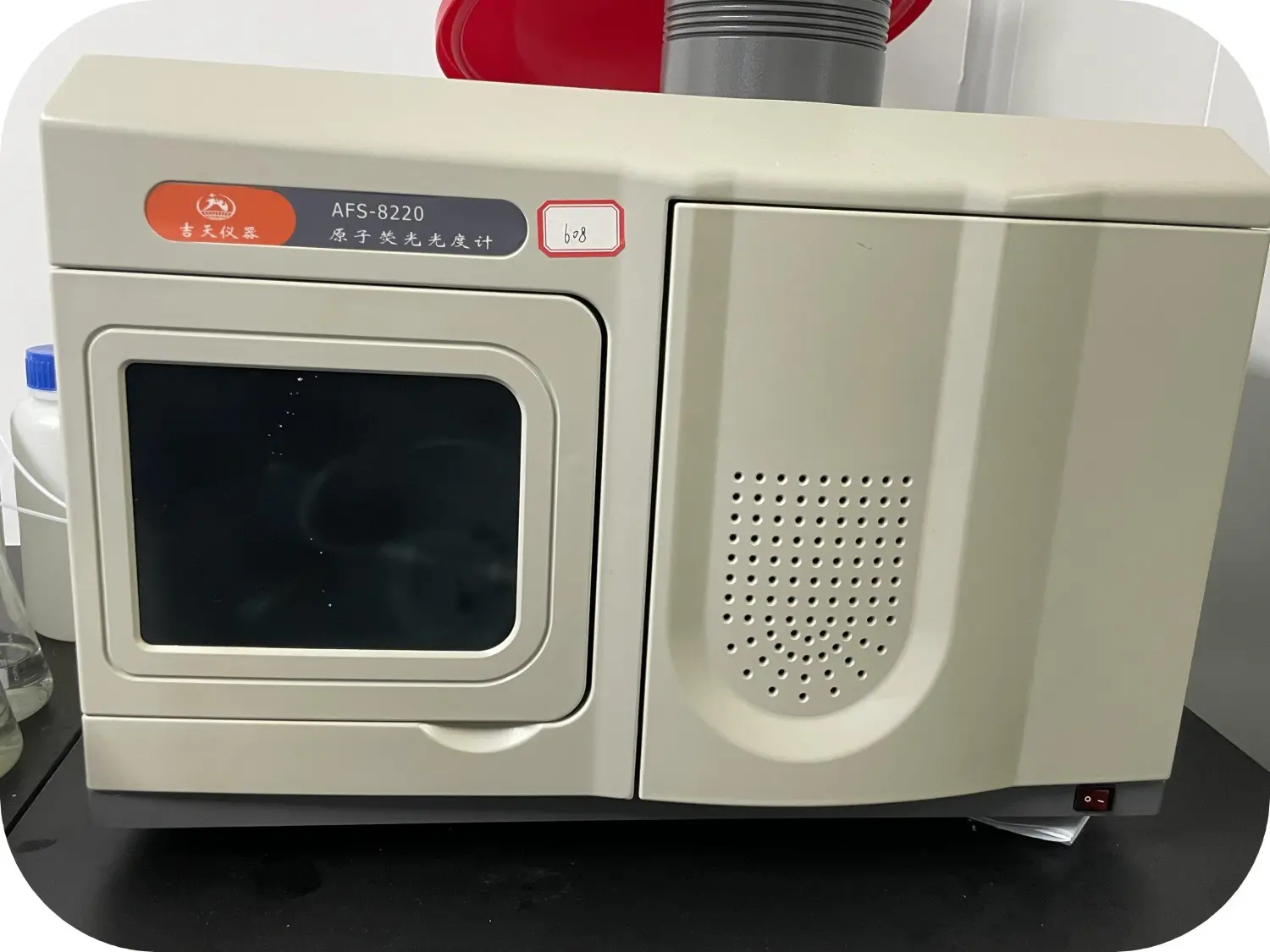
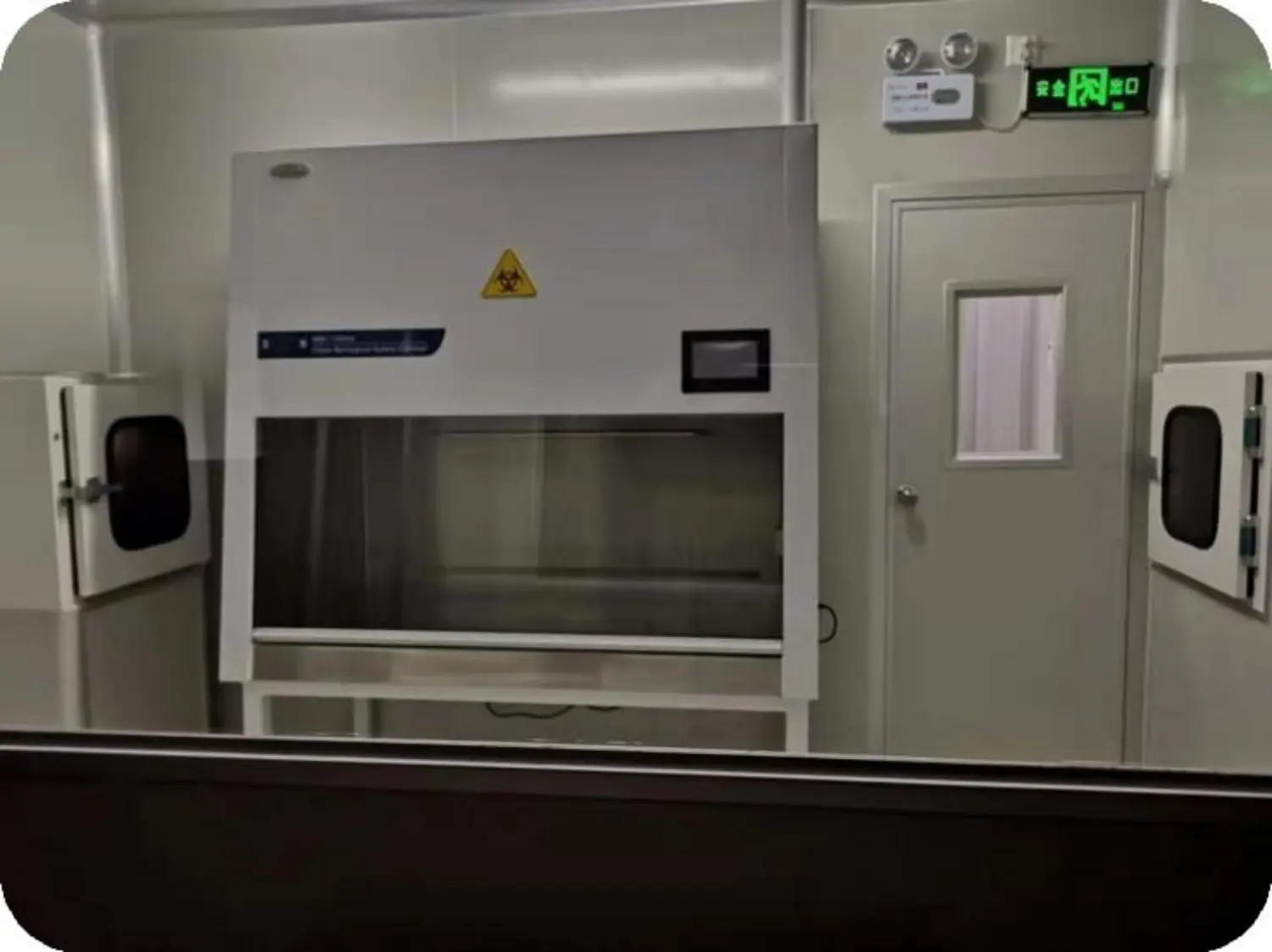
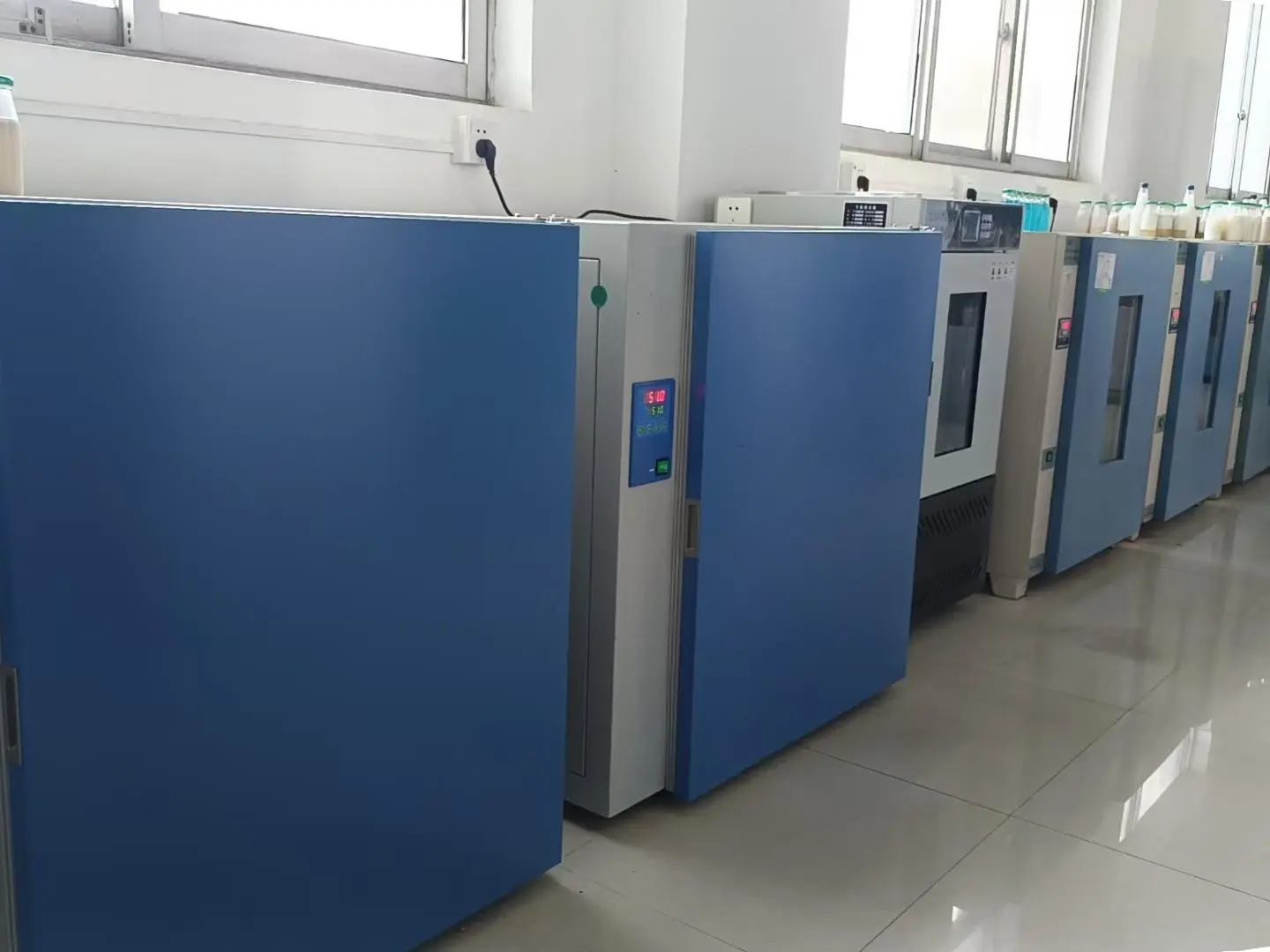
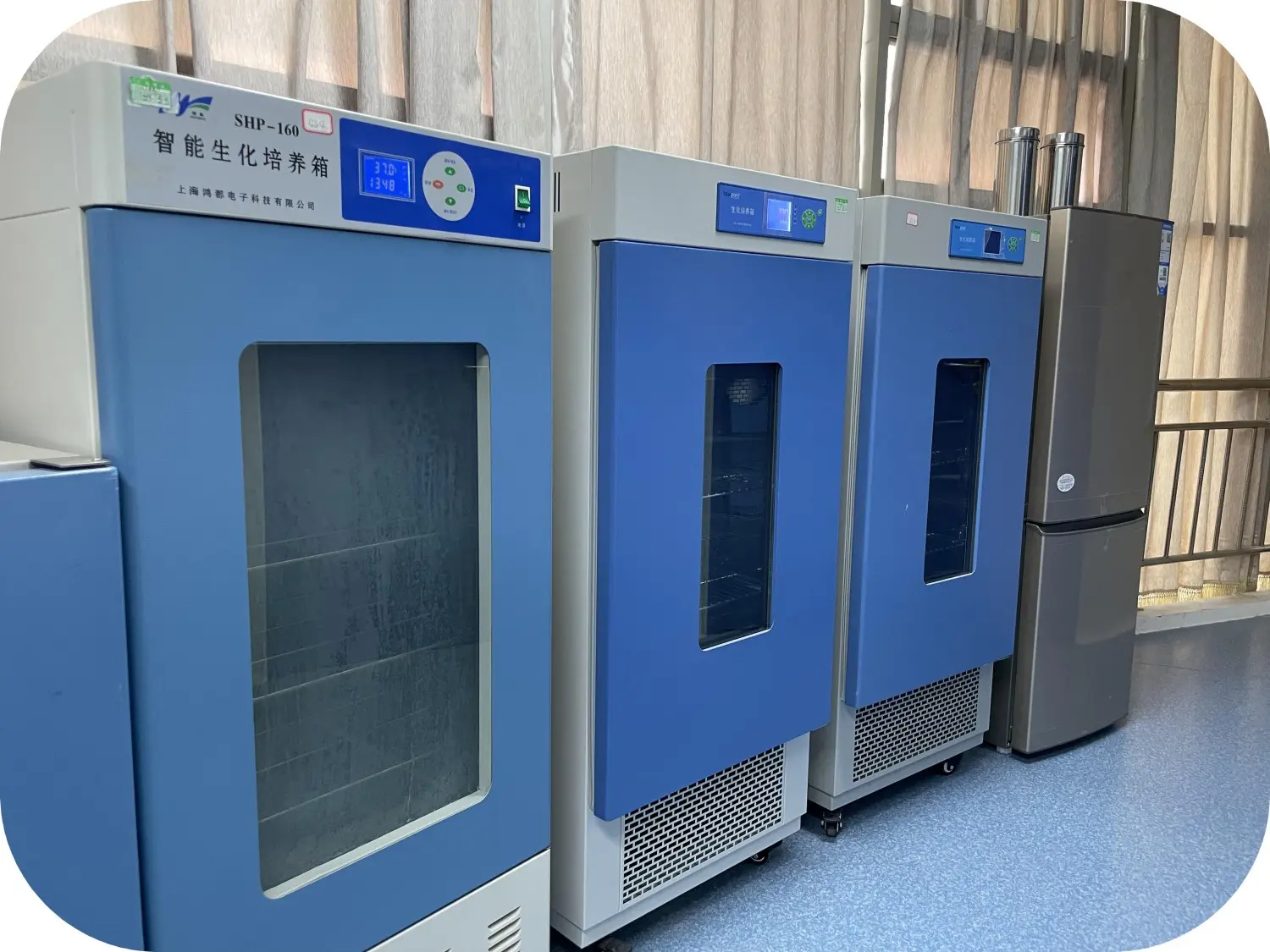
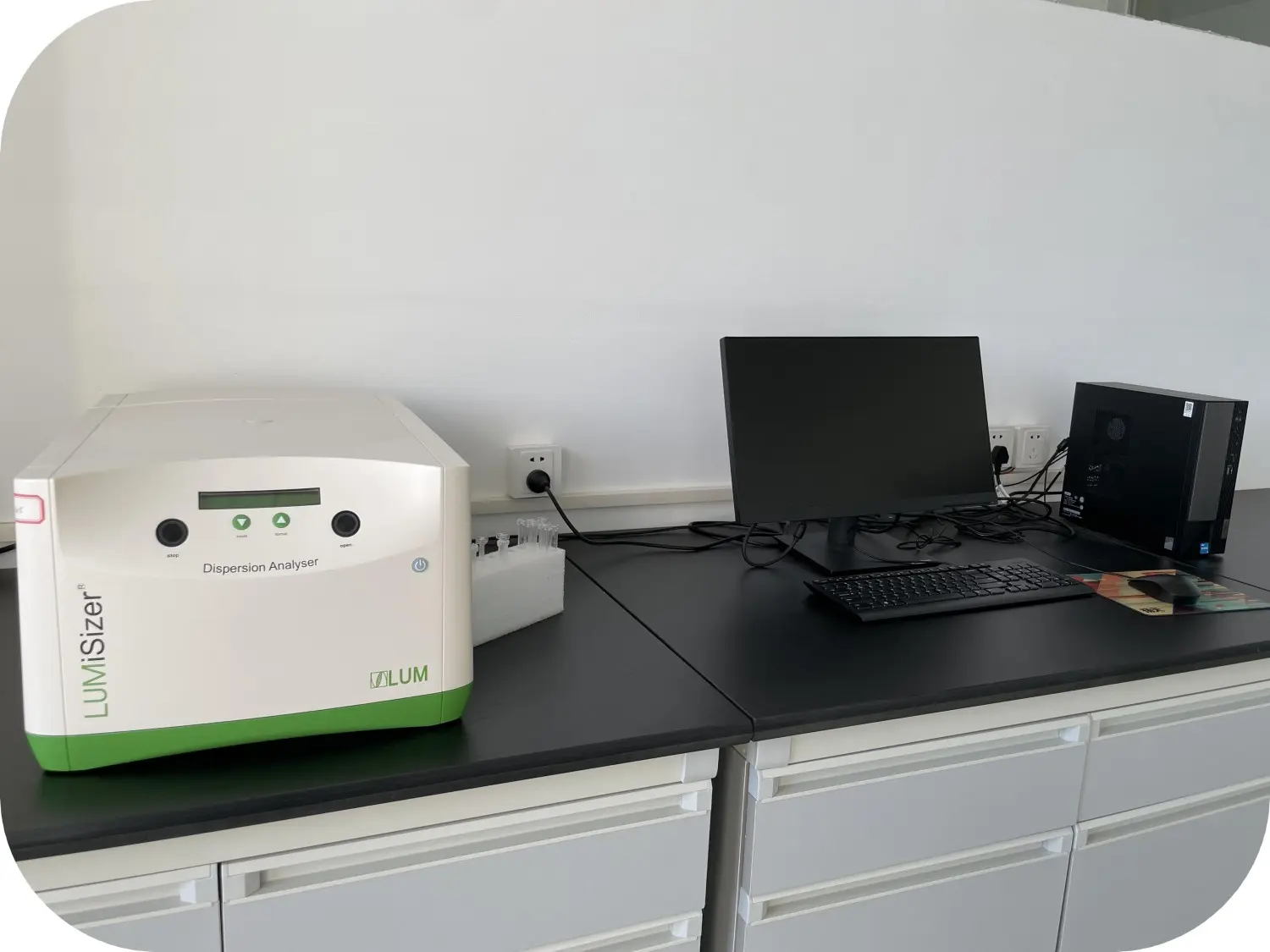
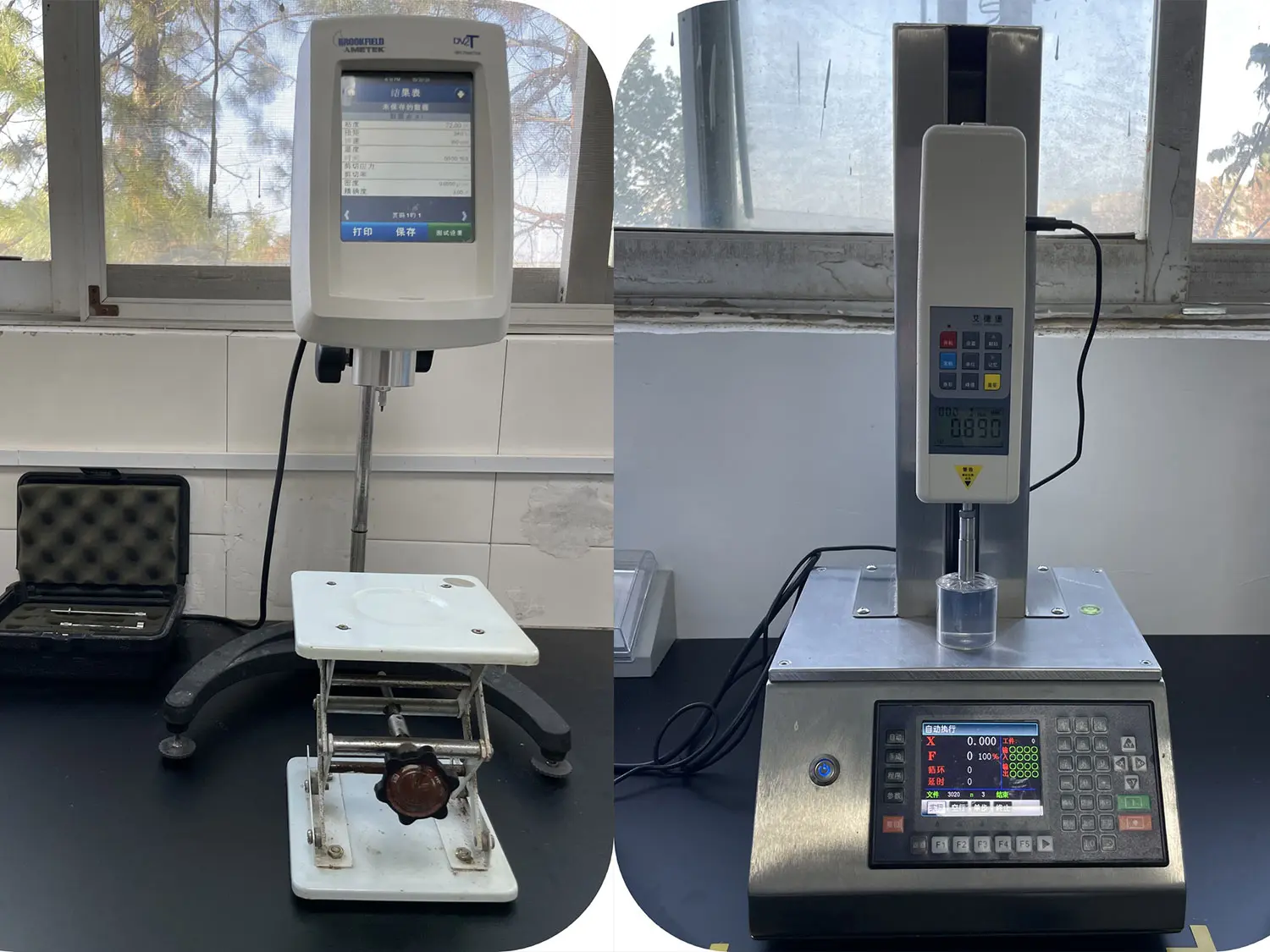
Food and beverage formulations must adapt to varying climates, transportation networks, and regional preferences. High-temperature stability solutions require careful localization to meet the specific requirements of different markets:
Fortifying products with minerals like calcium or magnesium often causes protein instability under UHT temperatures. Divalent ions can bridge proteins, leading to heat-induced coagulation. Tellcan’s ODM microcrystalline cellulose systems create a heat-resistant colloidal network. This network keeps calcium particles suspended and prevents phase separation without affecting the product's viscosity or sensory profile.
Plant-based proteins behave differently than dairy proteins under thermal processing, often presenting issues like grittiness and sedimentation. We formulate clean-label hydrocolloid blends that stabilize plant proteins during thermal treatments. These stabilizers help mimic the mouthfeel and appearance of traditional dairy products.
Stabilizing milk proteins at low pH (3.8 to 4.2) requires specialized formulation, as heat treatments can easily disrupt the protein matrix. Our stabilizers bind to casein micelle surfaces, providing steric protection that keeps the protein particles suspended during UHT treatment and pasteurization.
Tailored emulsifier-stabilizer ratios matched to your specific pilot lines and processing conditions.
Access to Rheological profiling, particle size analysis, and heat penetration testing services.
Formulations designed to comply with local regulatory frameworks, including FDA, EFSA, and GB standards.
How our core philosophy drives quality, innovation, and long-term customer partnerships.
Guided by the spirit of "Technology, Innovation, Integrity, and Progress," Tellcan continuously explores emerging market demands and pursues excellence.
Committed to refining services and exceeding client expectations, Tellcan strives to create mutual value and achieve win-win partnerships.
To innovate tirelessly, serve diligently, and fulfill the evolving needs of clients worldwide.
We focus on detail and continuous improvement in our technology, production processes, and services.
We implement strict daily planning and target monitoring for precise quality control across all batches.
We provide prompt technical support to resolve production line issues quickly and minimize downtime.
Technical insights from our R&D center regarding common stabilization challenges.
MCC forms a three-dimensional network of insoluble micro-crystals that suspends particles via yield stress rather than viscosity. This structure shows pseudoplastic behavior: it stays firm under static conditions to prevent sedimentation, but shears easily when shaken or poured, maintaining a clean mouthfeel.
UHT processing denatures whey proteins, exposing hydrophobic sites that can lead to aggregation and sedimentation. High-temperature stability systems combine specific emulsifiers (like mono- and diglycerides) with stabilizers (like carrageenan or gellan gum) to form complex networks that prevent protein coagulation during thermal treatment.
In neutral dairy (pH 6.6–6.8), stabilizers primarily prevent sedimentation through weak gel networks. In acidic environments (pH 3.8–4.2), casein proteins carry a net positive charge and tend to precipitate. In these formulations, we use anionic hydrocolloids (like pectin or CMC) that adsorb onto the protein particles, providing steric stabilization to keep them dispersed.
We offer complete customization based on your raw materials, processing lines, and regional regulations. Supported by our expert workstations, pilot plant, and testing facilities, we help streamline product development and troubleshoot stability issues from formulation through to final production.
From food preservatives to specialized dairy stabilizers, discover our certified solutions.


 Tellcan Food