 Tellcan Food
1 / 1
Overcomes the limitations of single antioxidants, ensuring robust oxidation resistance for food products.
Low Dosage: 0.005%-0.1% addition, compliant with global regulations (GB 2760, FDA 21 CFR).
Cost Efficiency: Replaces overlapping single antioxidants, reducing overall costs.
| Parameter | Technical Specifications |
|---|---|
| Appearance | White to pale yellow powder |
| Antioxidant Efficiency (AOM) | ≥20 hours (lipid systems) |
| pH Range | 3.0-9.0 |
| Thermal Stability | ≤200°C (≥90% activity retention after 30 min) |
| Solubility | ≤3 minutes (uniform dispersion in oils) |
| Sector | Typical Products | Gold Grade Model | Solution Highlights |
|---|---|---|---|
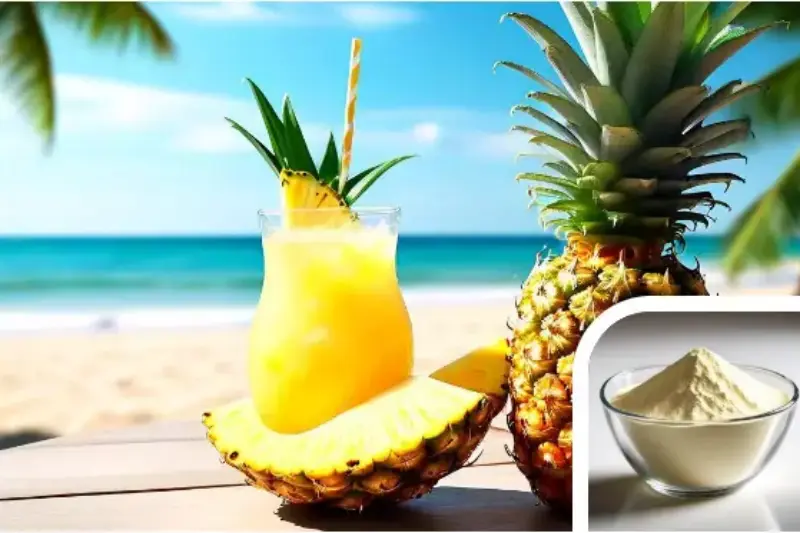
| Beverages | Fruit juices, carbonated drinks | TKH01 | Reduces discoloration and flavor loss, extends shelf life |
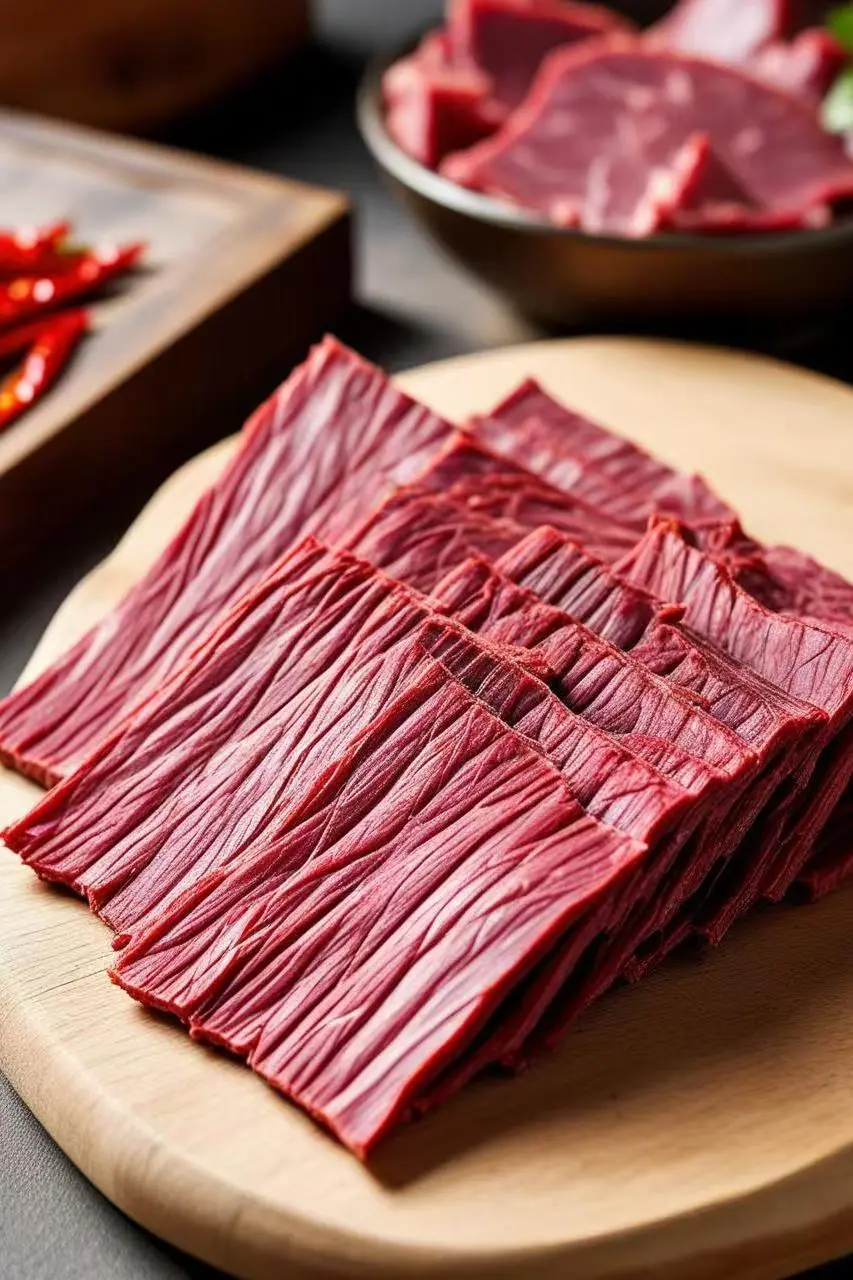
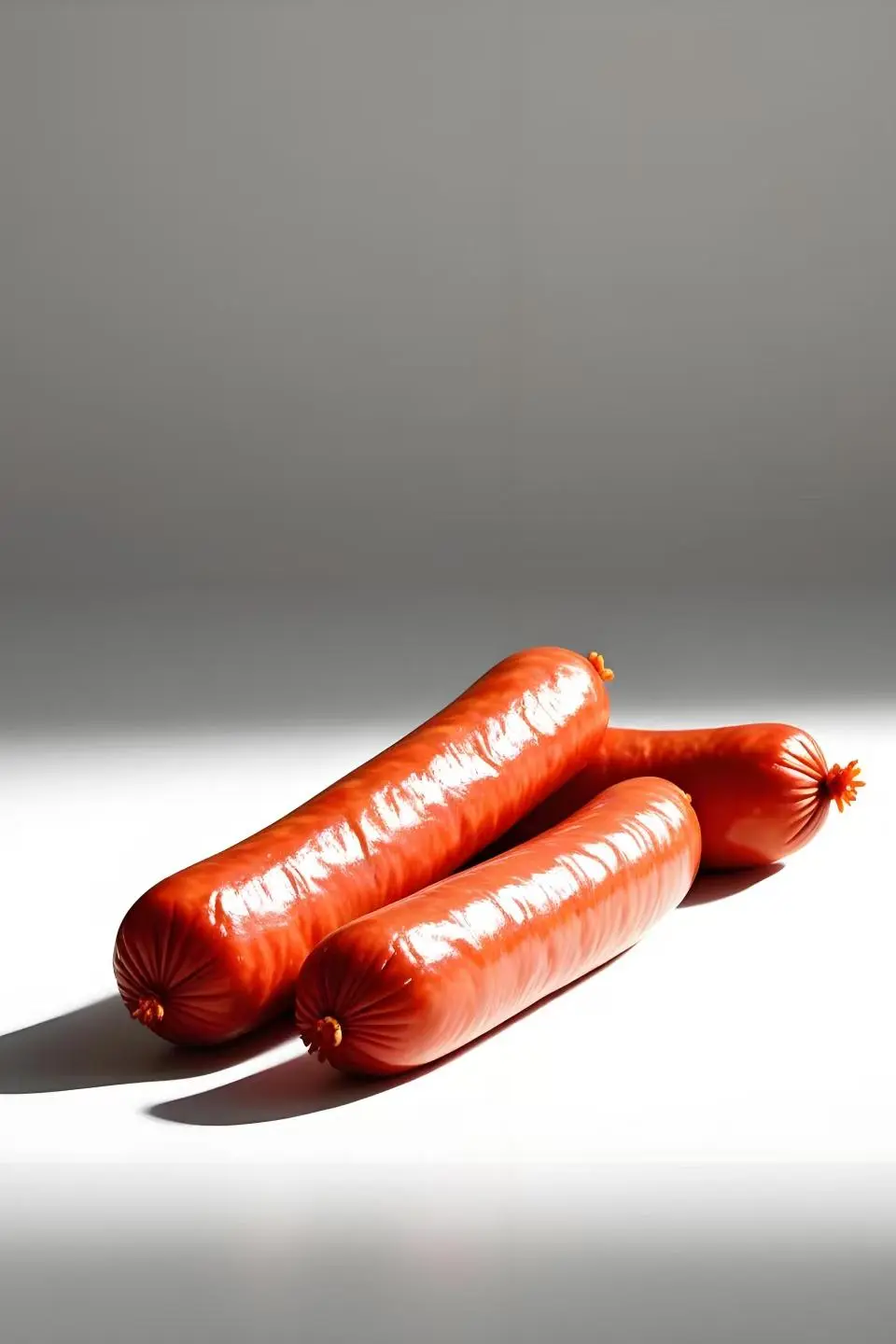
| Meat Products | Sausages, beef jerky | TKH03 | Inhibits lipid oxidation, maintains tenderness |
| Bakery Products | Biscuits, cakes | TKH01 | Prevents color fading and staling, retains crispness |
| Snacks | Nuts, potato chips | TKH02 | Blocks rancidity, preserves natural flavors |




Extended Shelf Life: Prolonger oxidation induction period, minimizing returns.
Process Compatibility: Adapts to diverse production environments without additional equipment.
Formula Adaptation: Adjust formulations to align with product characteristics and clean label claims (e.g., tea polyphenols).
Process Optimization: Parameters optimized for frying, spray drying, and vacuum packaging, even in high-salt/sugar systems.