 Tellcan Food
1 / 1
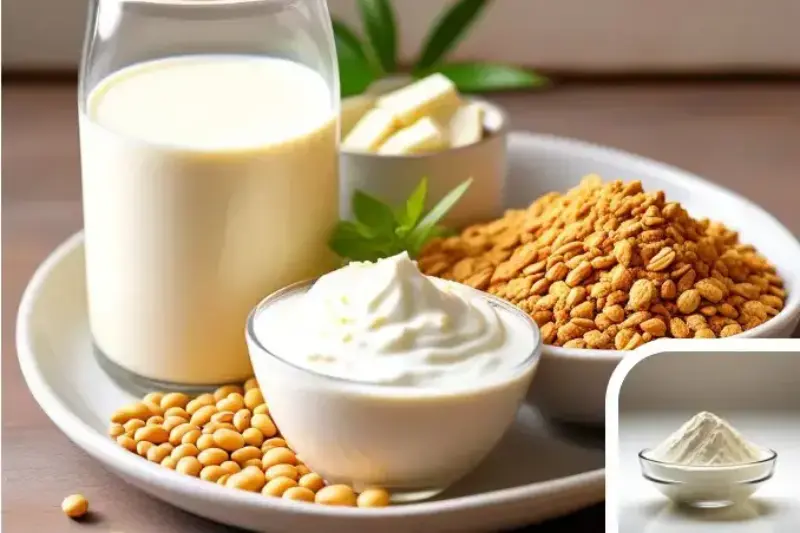
| Product Name | Lactic acid bacteria beverage stabilizer |
| Product Models | TKM21-CD (Light Texture), TKM21 (Creamy Texture) |
| Application Scope | Protein 0.7–1.5% lactobacillus beverage |
| Product Features | 1. Refreshing, smooth mouthfeel. 2. Superior stability for protein protection and extended shelf life. |
| Additive Amount | 0.4–0.6% |
| Execution Standards | GB26687, GB2760 |
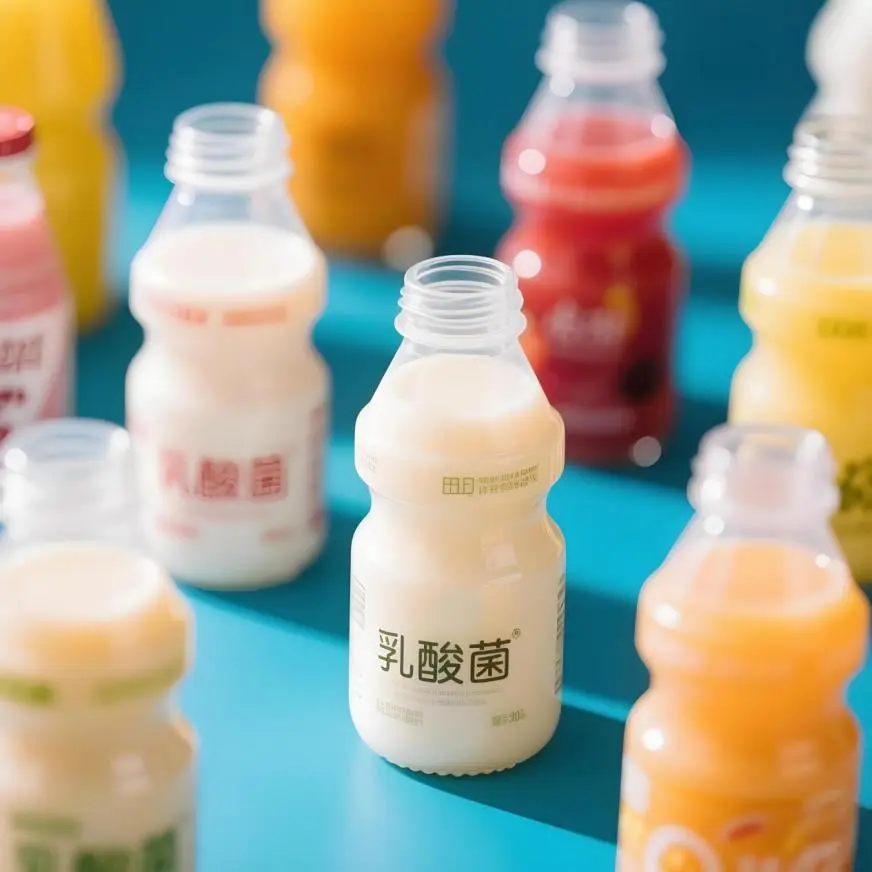
Acid-Resistant Formulation System: Utilizes acid-resistant synthetic emulsifiers and natural colloids to ensure stable performance within pH 3.8–4.5, with no viscosity attenuation.
Anti-Phase Separation Technology: Effectively preventing fat floating and whey separation. Extends shelf life to over 12 months.
High-Temperature Sterilization: Withstands 85–95°C pasteurization and UHT sterilization while maintaining a smooth texture.
Storage Stability: Adapts to 4°C refrigeration and ambient storage.
Multi-Fat Compatibility: Compatible with milk fat, MCT oil, and plant-based fats, preventing fat aggregation under acidic conditions.
Multi-Functional Integration: Reduces the use of 3–5 traditional additives and lowering overall costs by 20%.
Rapid Dispersion: Easily dissolves in cold or hot water, compatible with homogenization (20–30MPa).
| Parameter | Technical Specifications |
|---|---|
| Appearance | Off-white to light yellow powder |
| Viscosity (1% aqueous solution, 25°C) | 15–3500 mPa·s |
| pH Applicability | 3.8–4.5 (for acidic dairy products) |
| Dissolution Time | 10–20 minutes (cold/hot water) |
| Recommended Dosage | 0.3%–0.8% (adjusted dynamically) |
| Field | Typical Products | Solution Highlights |
|---|---|---|
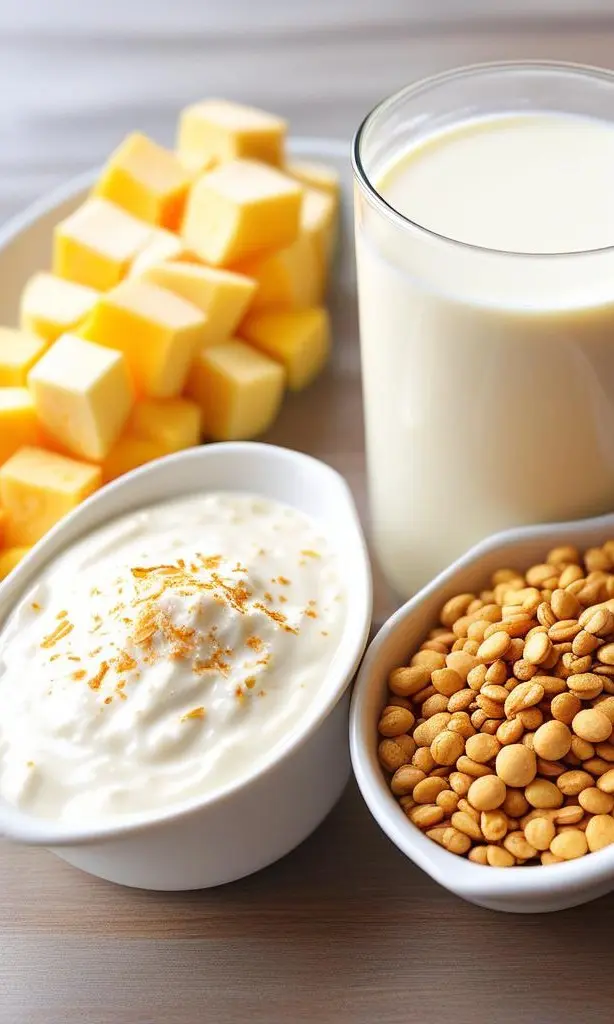
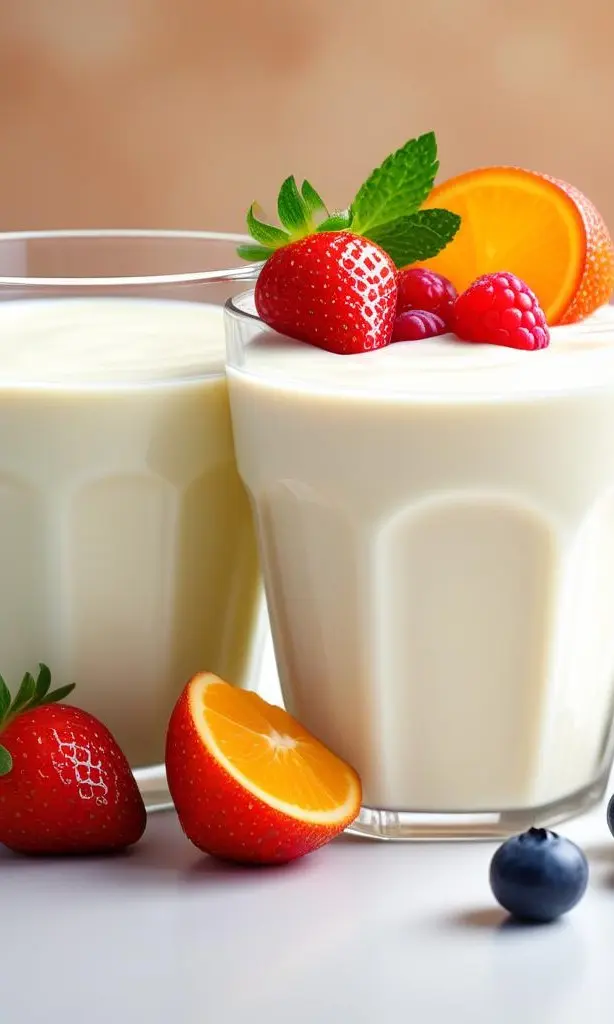
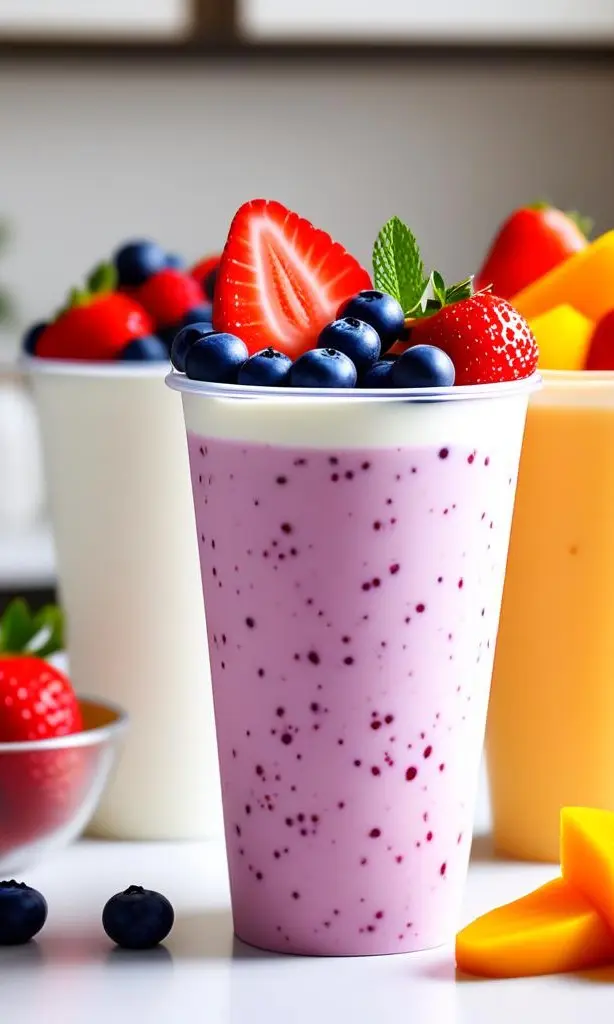
| Acidic Dairy Beverages | Fruit-flavored yogurt, lactic acid drinks | Full pH 3.8–4.5 compatibility, no precipitation |
| Low-Temperature Yogurt | Set yogurt, stirred yogurt | Anti-whey separation, uniform texture |
| Functional Acidic Dairy | High-calcium yogurt, probiotic drinks | Stabilizes active ingredients |
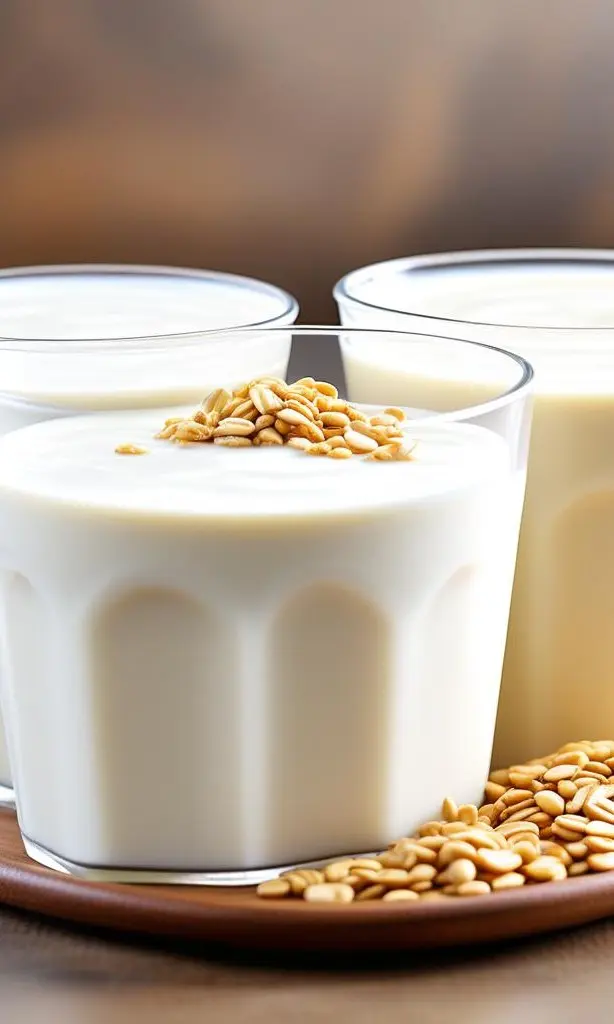
| Plant-Based Acidic Dairy | Coconut yogurt, oat fermented milk | Resolves acidic layering in plant proteins |
| Industry Pain Points | Technical Solutions | Customer Value |
|---|---|---|
| Whey separation, uneven texture | Acid-resistant system adapts milk proteins | Zero stability issues during shelf life |
| Fat aggregation and layering | Anti-acid emulsification stabilizes fat | Eliminates fat floating |
| Astringent or metallic taste | Flavor-masking and texture optimization | Smooth mouthfeel |
Standard Packaging: 25 kg/CPP bag with moisture-resistant PE liner.
Storage: Cool, dry, ventilated area.
Shelf Life: 24 months.