Explore our top-performing compound formulations designed for optimal suspension, premium mouthfeel, and thermal stability.

Unlocking the structural mechanics behind plant protein dispersion, emulsion integrity, and sedimentation prevention in alternative dairy and functional beverages.
Unlike traditional dairy beverages where bovine casein forms natural micellar structures, plant-based proteins (such as those from soy, pea, oat, coconut, and almond) present unique colloidal challenges. These proteins typically possess lower solubility, are highly sensitive to ionic shifts, and exhibit a propensity for gravitational sedimentation, flocculation, and coalescence. These physical processes compromise shelf-stability and sensory acceptance.
To overcome these challenges, food science leverages complex hydrocolloid systems. Formulations must be precisely calibrated to establish steric hindrance and electrostatic repulsion. Stabilizers such as Colloidal Microcrystalline Cellulose (MCC), Gellan Gum, and Carrageenan form a weak three-dimensional gel network. This network traps insoluble plant solids and fat droplets under low-shear (static) conditions, preventing phase separation while maintaining a fluid, low-viscosity mouthfeel during consumption (shear-thinning behavior).
Ranked among the "Top 100 Enterprises in China's Food Additives and Food Ingredients Industry."
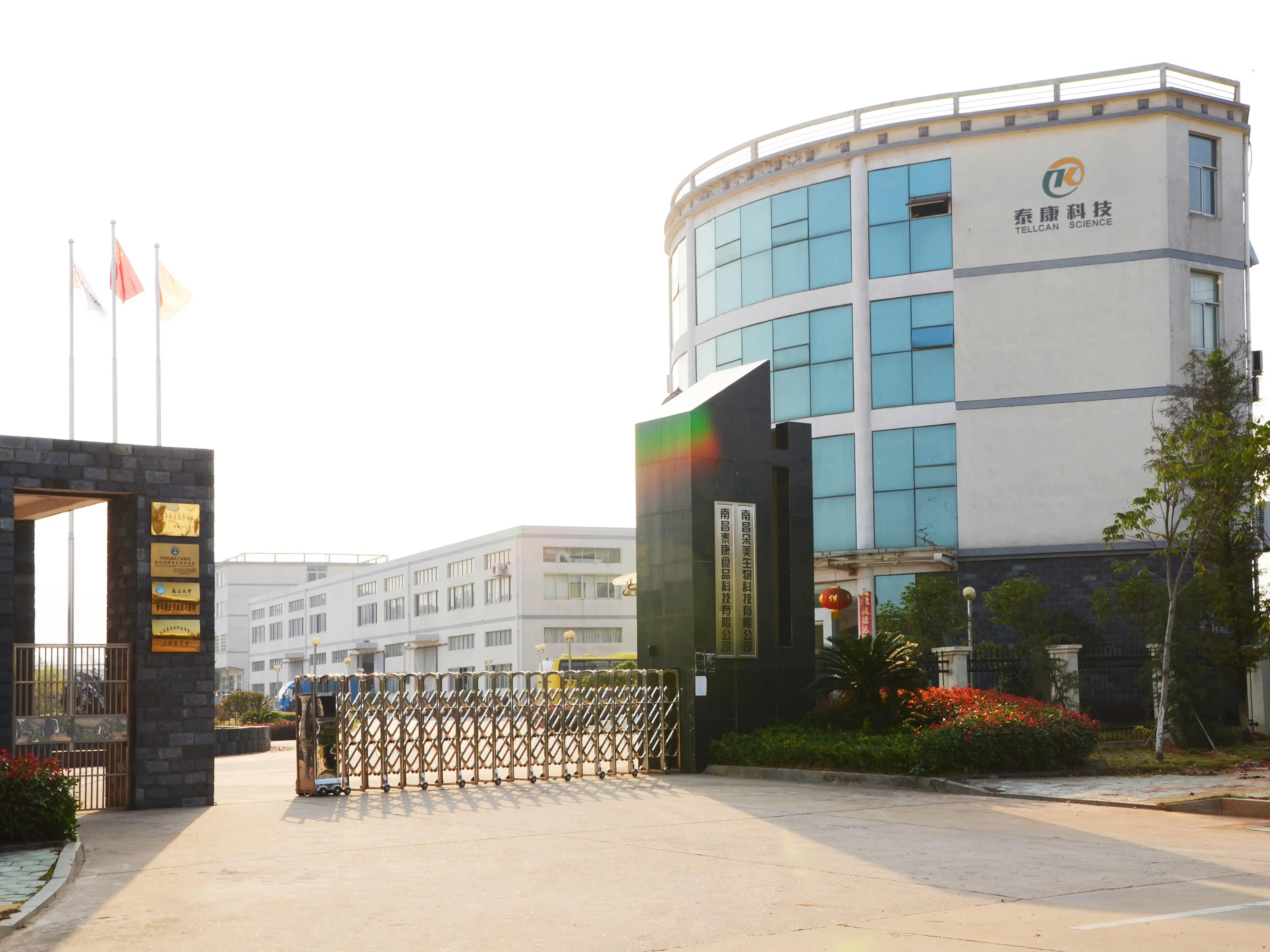
Located in the Changling Industrial Zone II, Nanchang City, Jiangxi Province, Nanchang Tellcan Food Science Co.,Ltd. is a leading pioneer in the research, development, production, and sale of high-performance food additives. With two decades of dedicated production experience, our technical expertise encompasses advanced research in information technology, food processing techniques, and the complex technology transfer of agricultural product deep-processing.
Adhering to our core principle of "people-oriented, technology-driven," Tellcan provides optimized, tailor-made formulation solutions to domestic and international clients with market-leading efficiency. We serve as a trusted technical hub, resolving processing and stabilization hurdles for thousands of food and beverage enterprises globally.
How macro-economic shifts, environmental consciousness, and functional nutrition drive the development of resilient stabilizer technologies.
Globally, consumers demand plant-based beverages that mimic the rich, creamy profile of dairy milk without containing allergens, lactose, or cholesterol. However, formulation scientists face significant challenges due to protein denaturation during UHT thermal pasteurization, separation under acidic environments, and sediment formation during extended shipping cycles.
Tellcan's research focus centers on resolving these supply chain bottlenecks. By developing customized stabilizer systems, we ensure that products like oat milk, high-calcium almond beverages, and protein-enriched pea milks remain perfectly homogenized throughout their shelf life, even under varying ambient storage conditions.
Exporting food ingredients requires strict adherence to international regulatory frameworks, including FDA rules, EFSA standards, and localized national food safety certifications. Tellcan’s raw materials are ethically and globally sourced, scientifically compounded, and fully documented.
Our quality control processes ensure compliance with international heavy metal limits, GMO declarations, allergen controls, and microbiological safety benchmarks. This regulatory compliance enables global exporters to expand confidently into North American, European, and Asia-Pacific markets.
Inside our state-of-the-art laboratory, pilot lines, and workshops where innovation transforms raw materials into food systems.
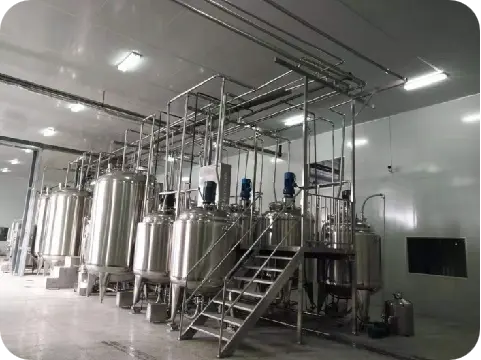
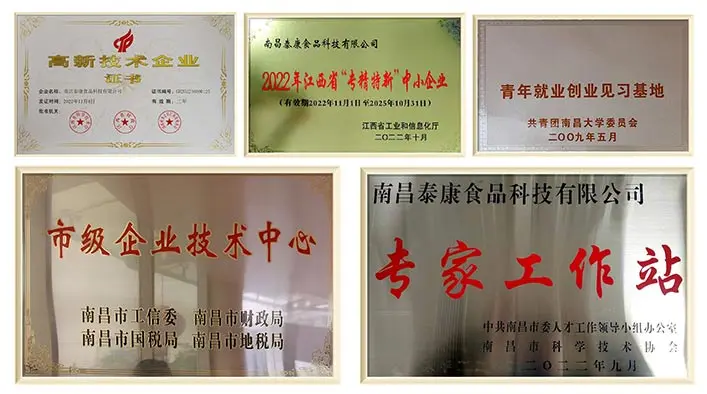
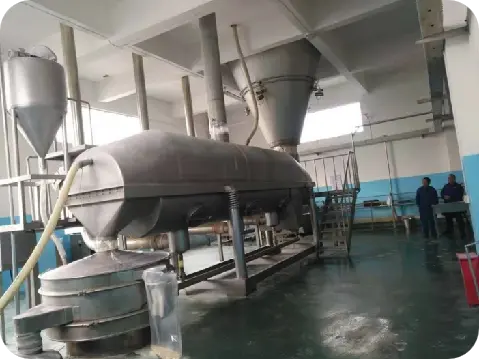
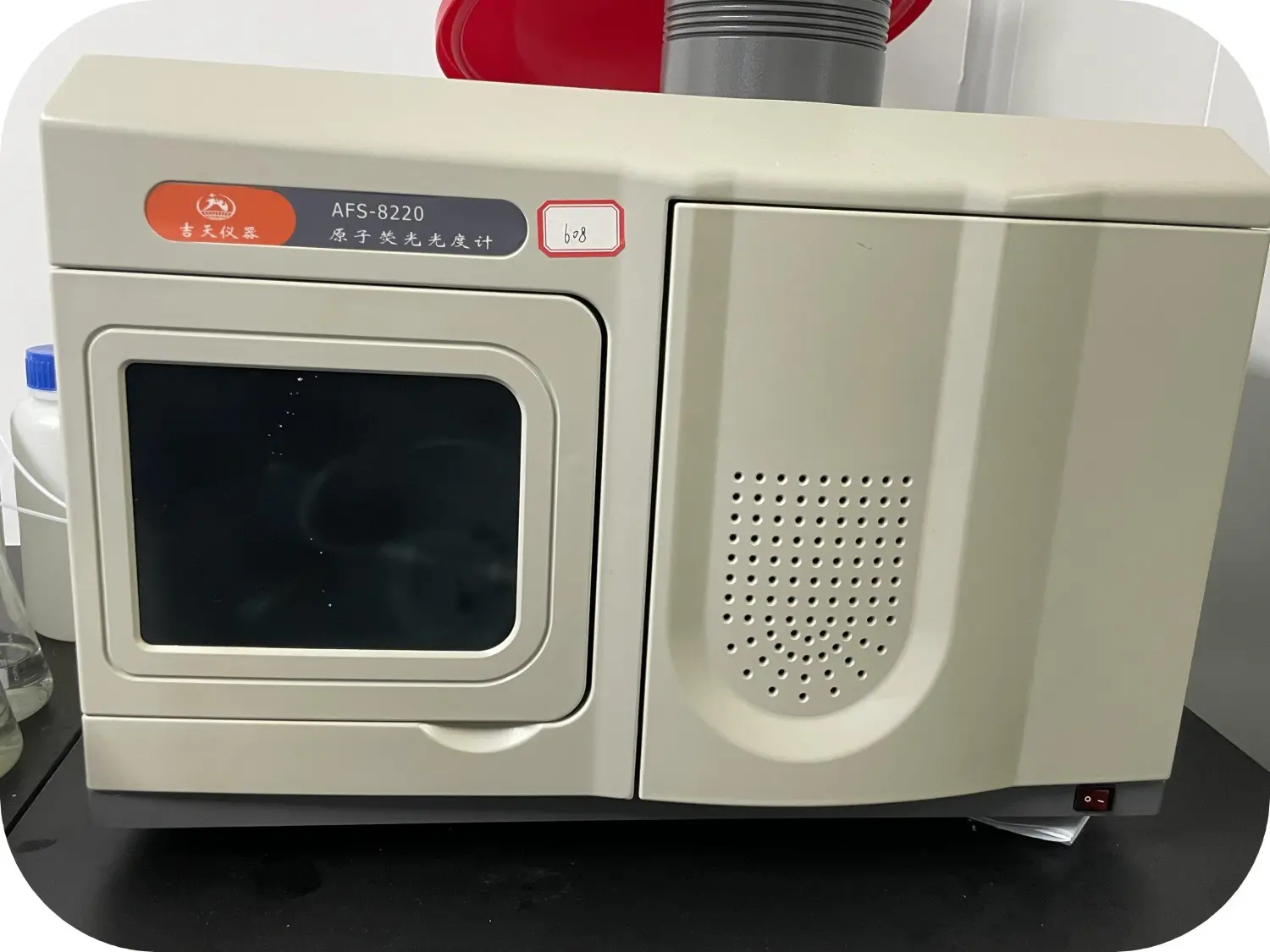
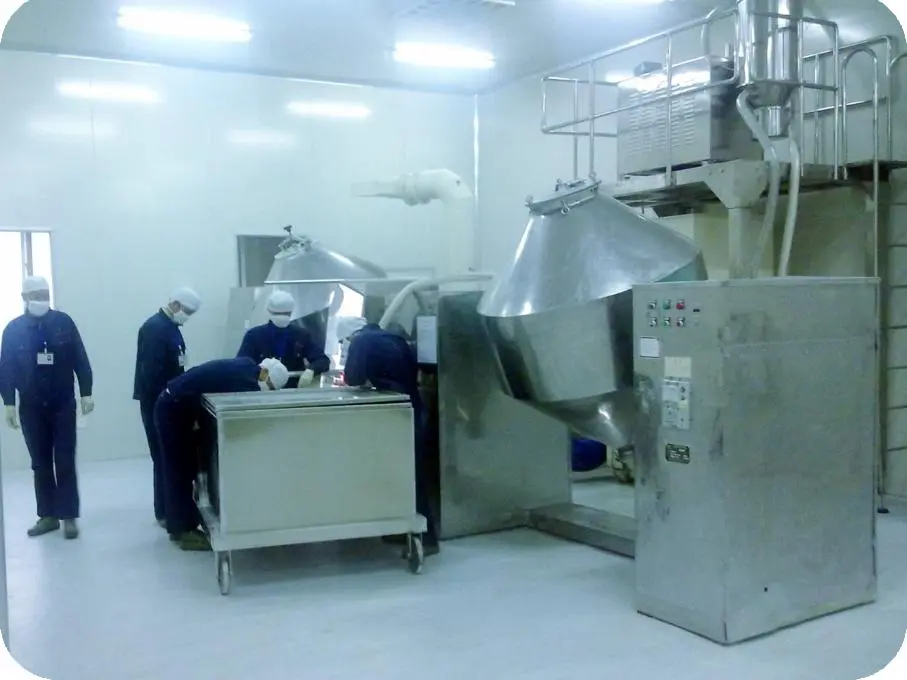
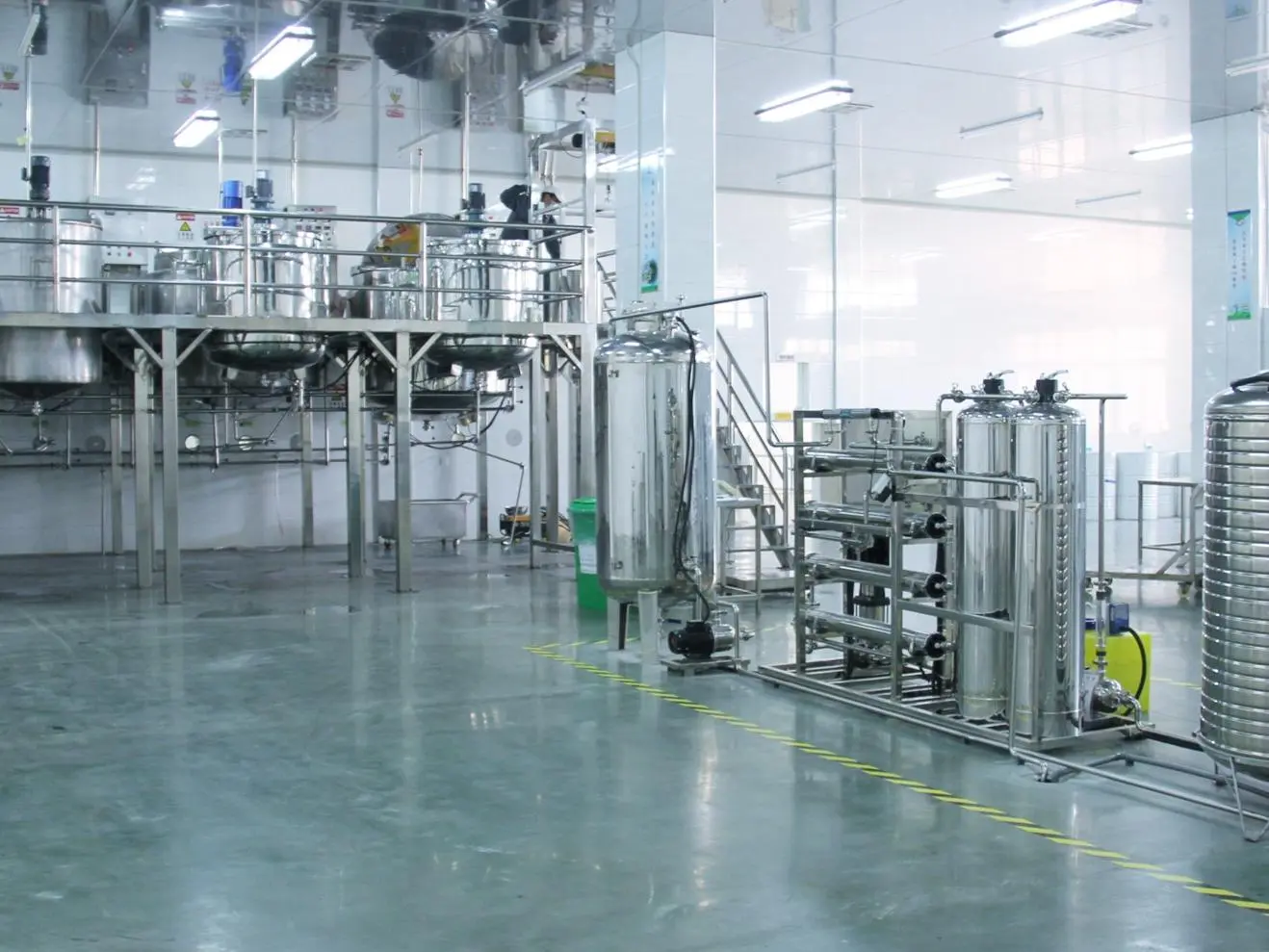
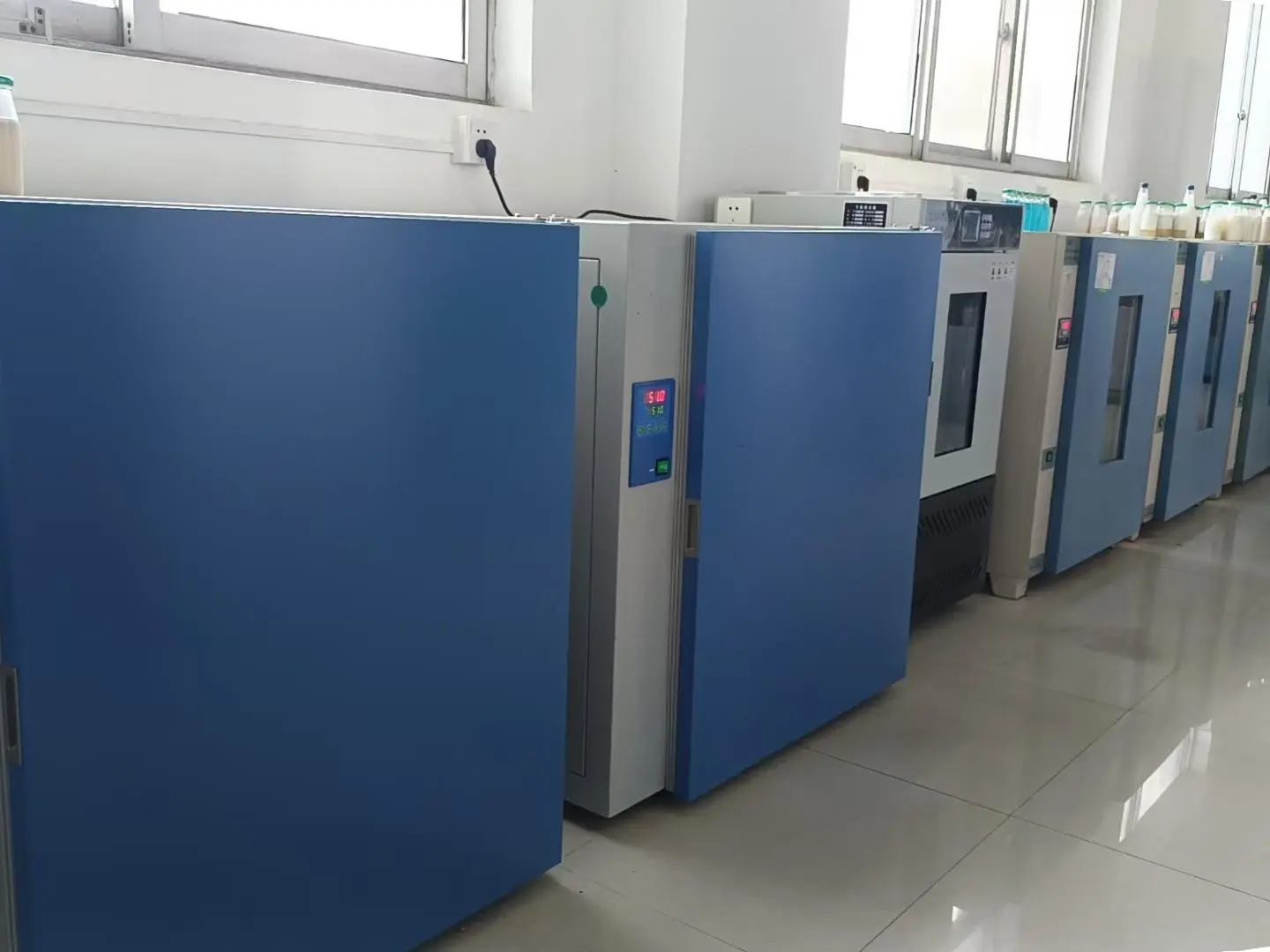
Supported by a multidisciplinary team of food engineers and biochemists, Tellcan operates advanced pilot production lines, dedicated food application laboratories, and analytical testing centers. Our facility is recognized as a Nanchang Municipal Enterprise Technology Center and maintains an active Expert Workstation in Jiangxi Province.
Through our "Five-Star Service" philosophy, we support clients throughout the entire product lifecycle: from initial recipe development and pilot scale trials to full commercial scale production troubleshooting and validation. All stabilizer and flavor systems undergo rigorous test protocols (including accelerated aging and particle size analysis) to guarantee reliability.

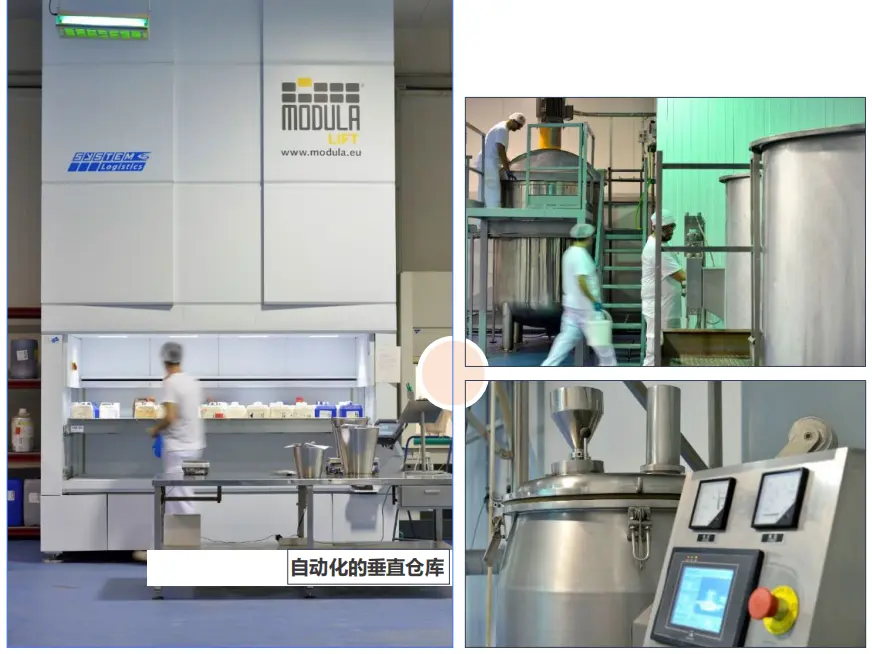
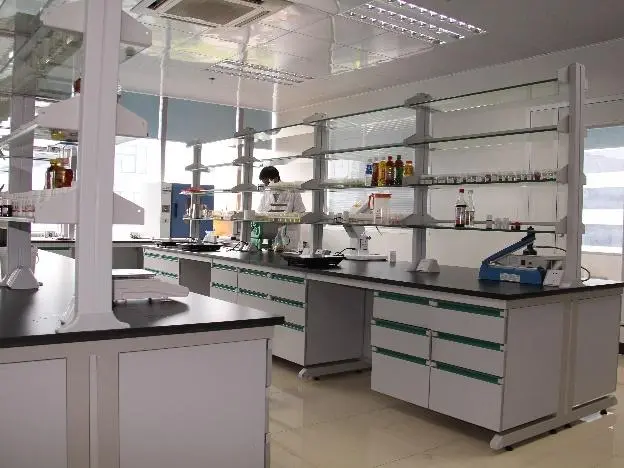
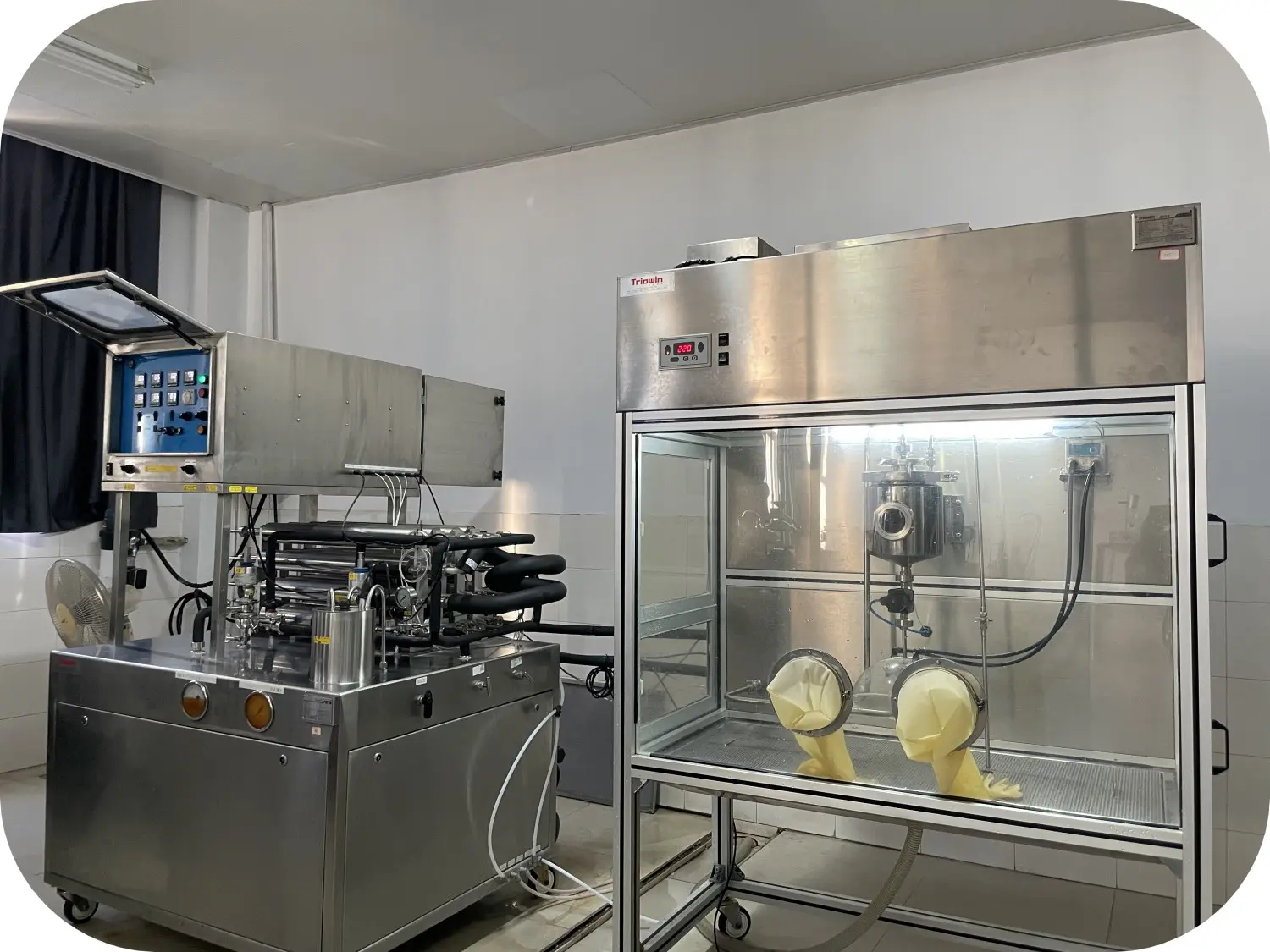
Driven by science, focused on quality, and committed to sustainable, long-term industry partnership.
Guided by the spirit of "Technology, Innovation, Integrity, and Progress," Tellcan continuously explores emerging global beverage demands. We are dedicated to staying at the forefront of stabilizer development, helping brands launch clean-label alternative milk formulations worldwide.
We are committed to refining our services, maintaining exceptional product consistency, and exceeding client expectations. Tellcan strives to create long-term mutual value and achieve sustainable partnerships with food manufacturers across the globe.
To innovate tirelessly, manufacture responsibly, and support the global food supply chain with clean, efficient, and robust texturing, stabilizing, and preservation solutions.
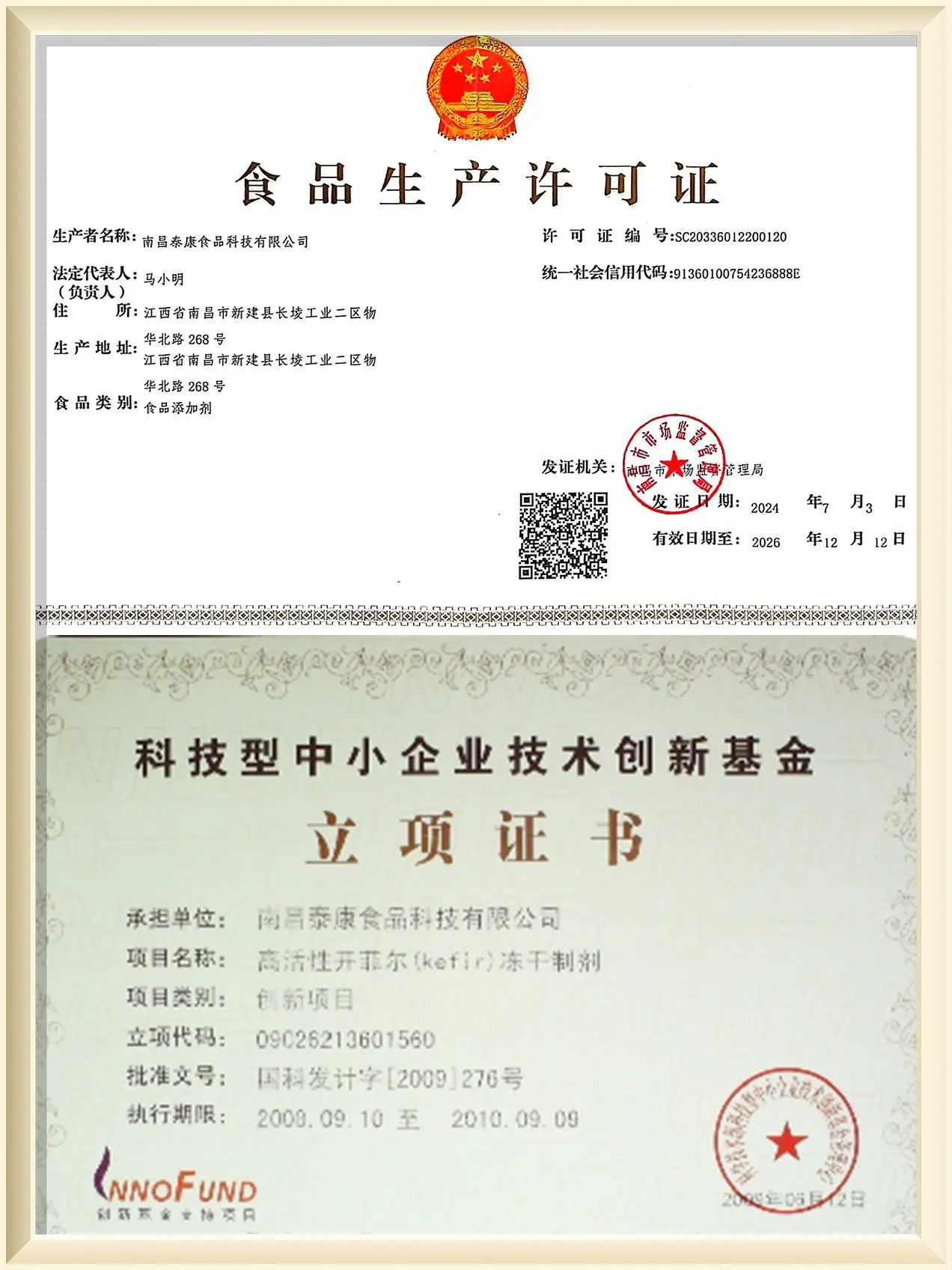
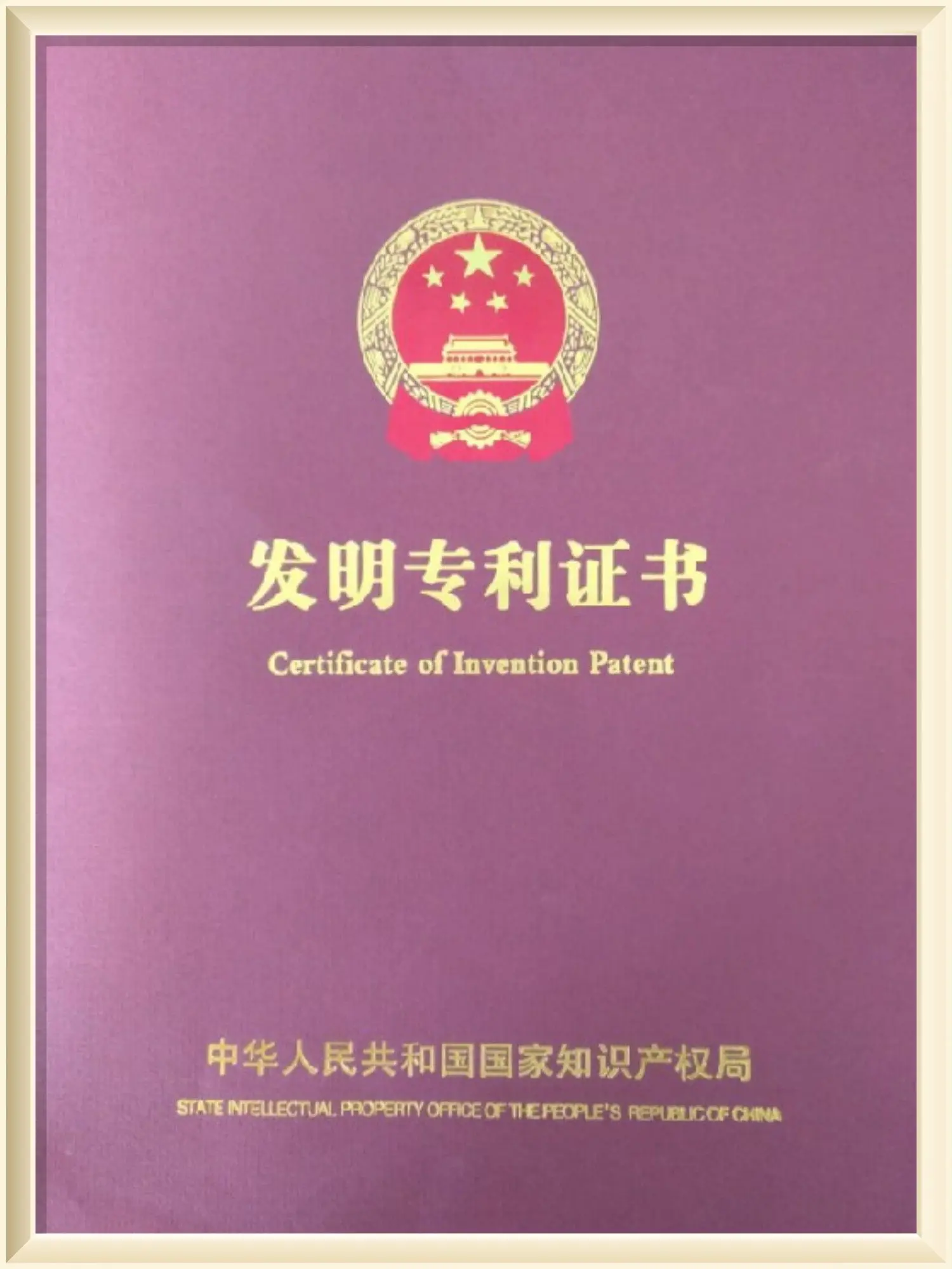
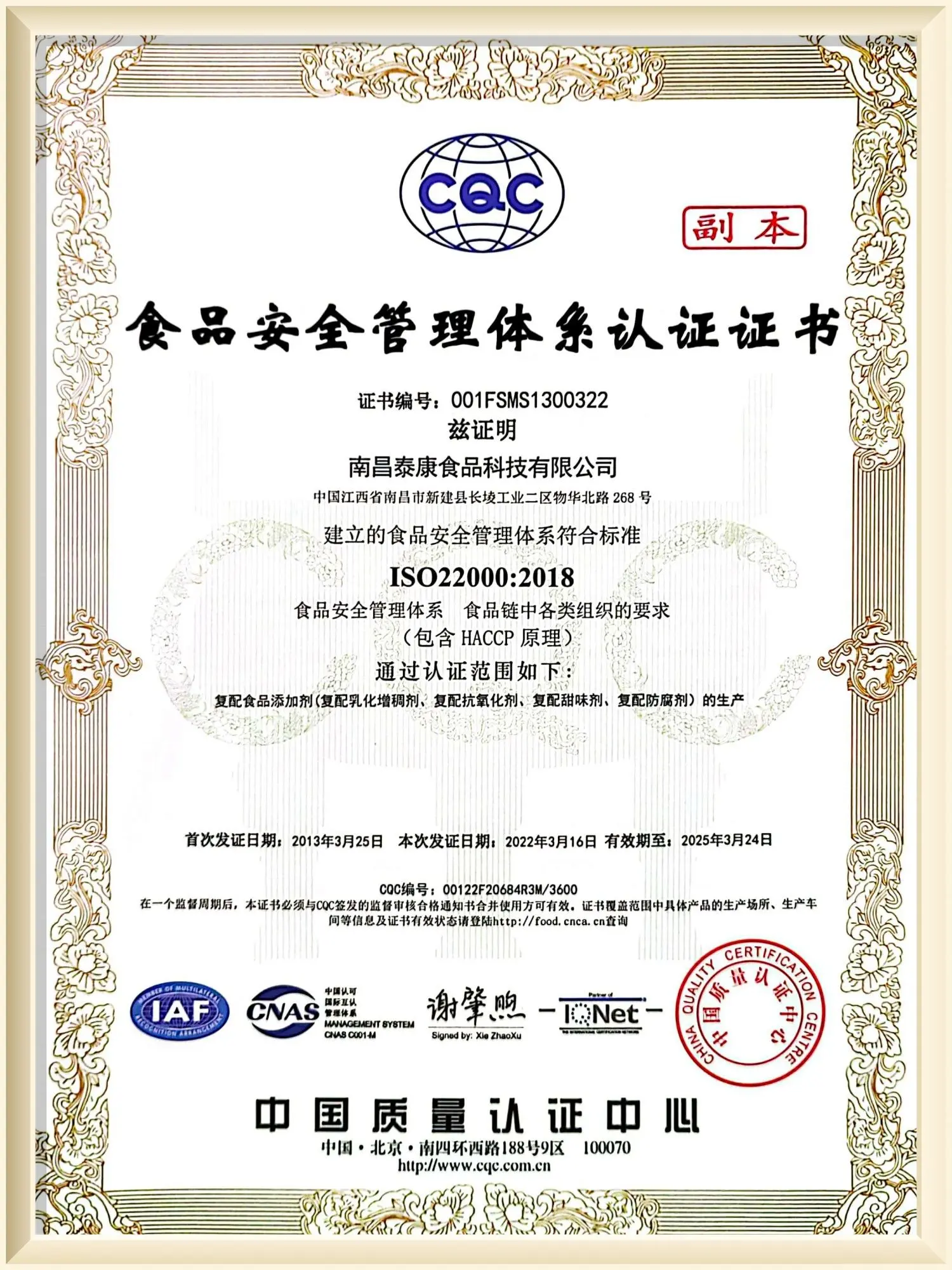
Our manufacturing center operates under strict quality standards. This is validated by multiple national and international certifications that guarantee food safety and process control integrity.
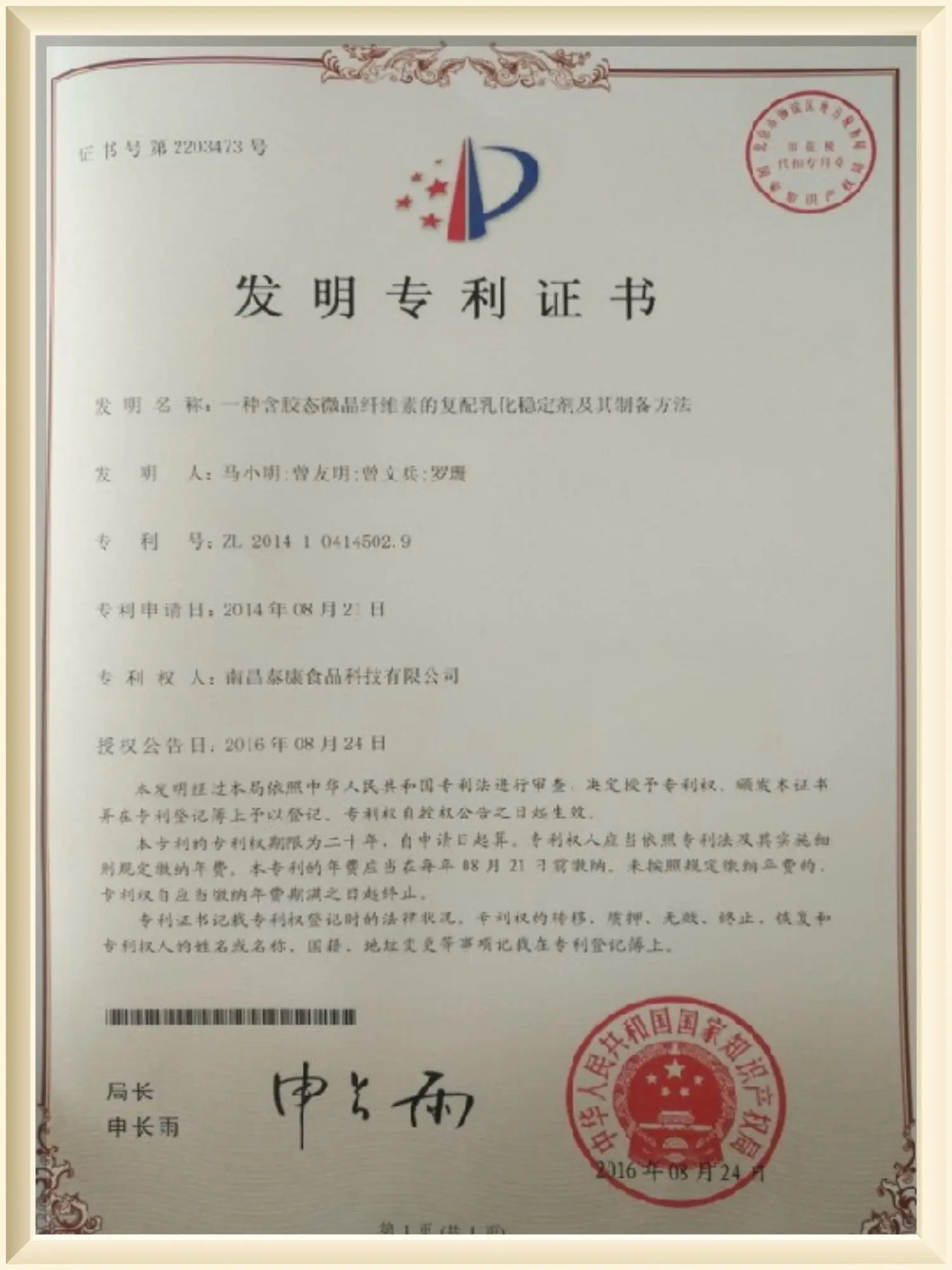
Customized stabilizer matrices formulated to address specific mouthfeel, suspension, and storage challenges across diverse beverage categories.
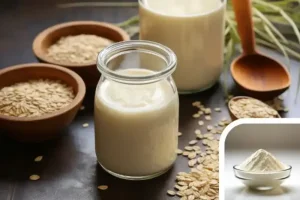
Specifically engineered to suspend insoluble oat fibers and almond particles without masking volatile flavor notes. This solution maintains low viscosity and delivers a clean mouthfeel that mimics dairy milk, preventing chalkiness and downstream sedimentation in RTD formats.
Formulated for systems fortified with calcium carbonate or tricalcium phosphate. The gel network prevents dense minerals from settling during extended shipping and warehouse storage cycles, protecting protein structures from thermal degradation.
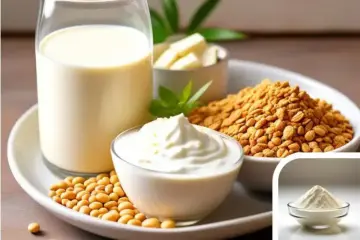
Provides stabilization under low pH environments (pH 3.6 to 4.4). Prevents soy, pea, or dairy protein coagulation (curdling) by forming a protective hydrocolloid barrier around protein molecules, ensuring a smooth, homogenous texture throughout the product's shelf life.

Expert answers to complex questions regarding stabilizer functionality, synergy, and formulation design.
Separation is primarily caused by two thermodynamic processes: gravitational sedimentation of insoluble particles (such as starch and plant fibers) and flocculation/coalescence of fat droplets. Because plant proteins possess poor solubility compared to animal proteins, they do not naturally emulsify fat droplets as effectively. This leads to creaming at the top and sediment formation at the bottom. Adding calcium or other minerals further increases ionic strength, which can disrupt protein charges, accelerate aggregation, and lead to settling.
Colloidal Microcrystalline Cellulose (MCC) co-processed with Sodium Carboxymethylcellulose (CMC) forms a physical three-dimensional network of insoluble cellulose micro-crystals. This network is maintained by hydrogen bonding, creating a yield stress. The yield stress suspends heavy particulate minerals, like calcium carbonate or tricalcium phosphate, preventing them from settling. Because this network is fragile, it breaks down easily under shear (such as drinking or shaking), providing viscosity when resting and a clean, thin mouthfeel when consumed.
Yes. Modern clean-label hydrocolloid systems leverage synergistic interactions between natural ingredients (such as pectin, citrus fibers, gellan gum, and guar gum). By balancing these components, we can achieve high emulsion stability, appropriate viscosity, and particle suspension without using synthetic chemical emulsifiers or phosphates. This meets clean-label marketing criteria while maintaining the required shelf life.
Oat and soy proteins behave differently due to their unique amino acid profiles and charge states. Soy contains globulins that are easily stabilized by ionic hydrocolloids like gellan gum. Oat milk contains higher levels of free starches, which can swell during heat treatment and cause gelling. Oat milk formulations typically require amylase enzymatic treatment followed by a stabilizer system designed to manage viscosity and prevent separation, rather than heavy protein-binding agents.
We partner with clients in our advanced Application and Analysis Laboratories to test raw materials, perform pilot trials, and optimize recipes. Using tools like particle size analyzers and rapid viscometers, we adjust stabilizer ratios to resolve issues like thermal coagulation, feathering in hot coffee, and separation during shipping. This process helps manufacturers bring stable, high-performance plant-based products to market quickly.
Explore our full line of stabilizers, emulsifiers, texturizers, and flavor systems developed for global food and beverage applications.
 Tellcan Food