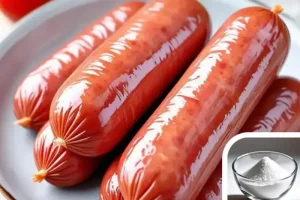
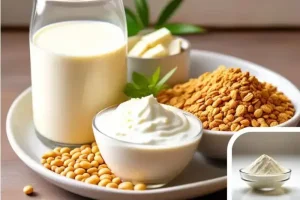
Engineered by leading Chinese manufacturing centers to ensure compliance, stability, and high performance.
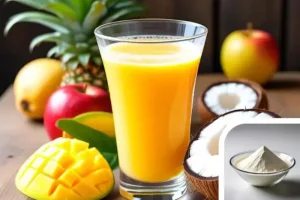


Microcrystalline Cellulose (MCC) is a purified, partially depolymerized cellulose synthesized from fibrous plant materials. In modern food science, pharmaceutical manufacturing, and technical industrial applications, MCC serves far beyond a basic bulking agent. Historically defined as a simple stabilizer, contemporary Functional MCC Co-processes with other hydrocolloids (such as carboxymethylcellulose sodium) to establish stable, three-dimensional gel networks.
When dispersed under high shear, colloidal microcrystalline cellulose particles align to form a thixotropic network. This crystalline matrix physically traps suspended particulates, oil droplets, and gas bubbles, preventing undesirable phase separation, creaming, or syneresis. Finding a reliable, cost-efficient factory that balances high performance with competitive pricing is essential for global buyers aiming to maintain formulation integrity while keeping production costs low.
Creates a high-yield stress network that suspends insoluble minerals, cocoa powder, and plant proteins without affecting drinkability.
Maintains structural viscosity under UHT, retort, pasteurization, and deep-freeze cycles, protecting foods from cellular breakdown.
Provides a rich, creamy mouthfeel in dairy-free or reduced-fat applications by matching the lubricating properties of lipid globules.
The international demand for functional stabilizers is growing rapidly, driven by the clean-label movement, dairy alternatives, and the rise of convenience foods. To compete globally, procurement managers seek optimized microcrystalline cellulose functional formulations that lower total costs while keeping clean, simplified ingredients on their labels.
| Global Industry Trend | Technical Challenge | Functional MCC Solution | Procurement Strategy Impact |
|---|---|---|---|
| Clean Label Shift | Removing synthetic polymers and emulsifiers compromises food texture. | Uses plant-derived, naturally sourced MCC matrices. | Meets retail regulatory compliance standards. |
| Plant-Based Growth | Insoluble plant proteins cause grittiness and sediment. | Colloidal network suspends proteins without adding grittiness. | Improves sensory scores and encourages repeat purchases. |
| UHT & Thermal Processing | High heat breaks down conventional starch and hydrocolloid thickeners. | Non-ionic, heat-stable micro-crystals prevent heat damage. | Extends shelf life and reduces waste across logistics networks. |
| Cost Control Needs | Fluctuating prices of raw gums (like Locust Bean and Arabic). | Replaces expensive gums with cost-efficient MCC blends. | Protects margins against global raw material price swings. |
Modern sourcing goes beyond unit cost. Companies prioritize factories that deliver consistent particle size distributions, reliable batch-to-batch viscosity, and clear documentation (including ISO, HACCP, Halal, and Kosher certifications).
Chinese chemical and food stabilizer manufacturing has evolved from basic processing to advanced, automated factories. Industry 4.0 systems integrate automated packaging, real-time quality sensors, and computer-controlled spray drying to produce high-purity MCC at competitive prices.
Our facilities leverage this industrial automation to guarantee continuous production, minimizing the risk of supply chain delays. Key capabilities include:
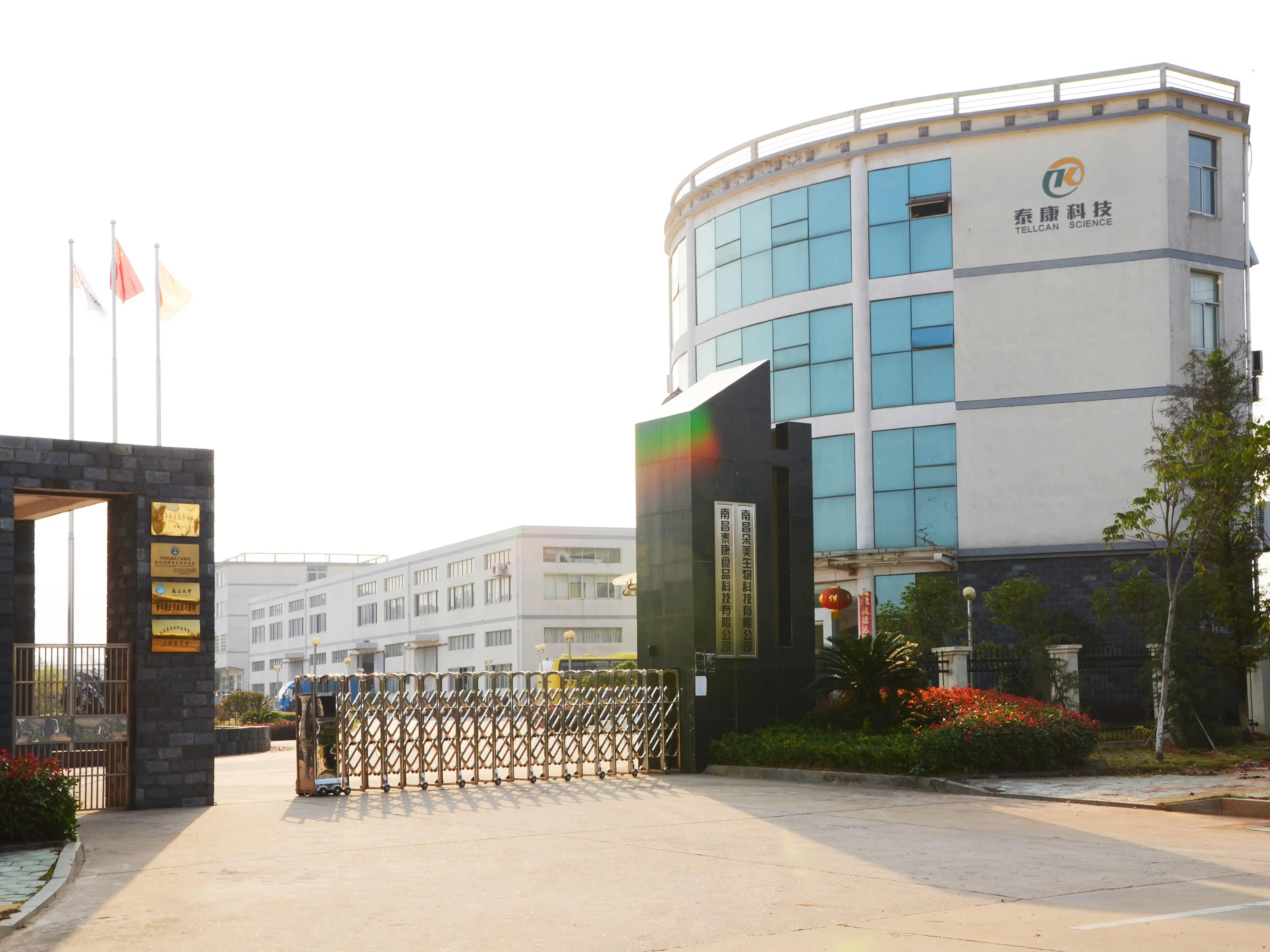
Located in the Changling Industrial Zone II, Nanchang City, Jiangxi Province, Nanchang Tellcan Food Science Co., Ltd. ranks among the "Top 100 Enterprises in China's Food Additives and Food Ingredients Industry." We specialize in the research, development, manufacture, and distribution of premium functional food additives, stabilizing systems, and customized ingredients.
Operating under strict HACCP 22000 Food Safety Management Guidelines, we ensure complete control and traceability over every batch we produce. Our technical teams regular publish research in leading trade journals, including China Dairy Industry, Food Industry Science and Technology, China Food Additives, and Beverage Industry, keeping our clients informed of key developments.
Experience our advanced laboratories and production floors through our virtual factory interface.
Tellcan operates modern pilot production lines, application testing centers, and rigorous analytical labs. Our facilities host recognized regional centers, including the Nanchang Municipal Enterprise Technology Center, Nanchang Expert Workstation, and the Jiangxi Provincial Certificate for Specialized, Refined, Characteristic, and Innovative Enterprises.
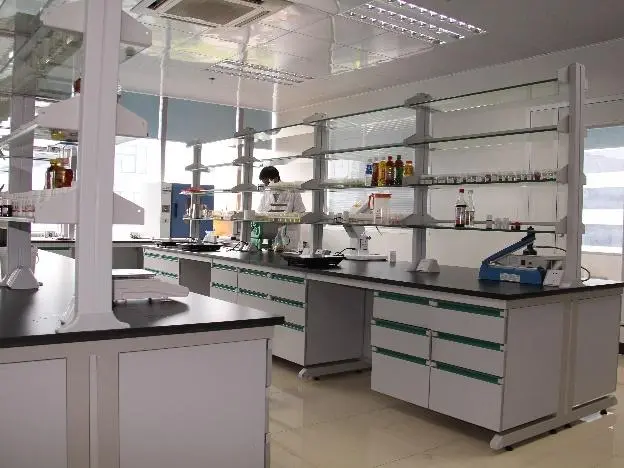
Equipped with high-performance liquid chromatography, spectrophotometers, and microbial analysis tools to verify purity.
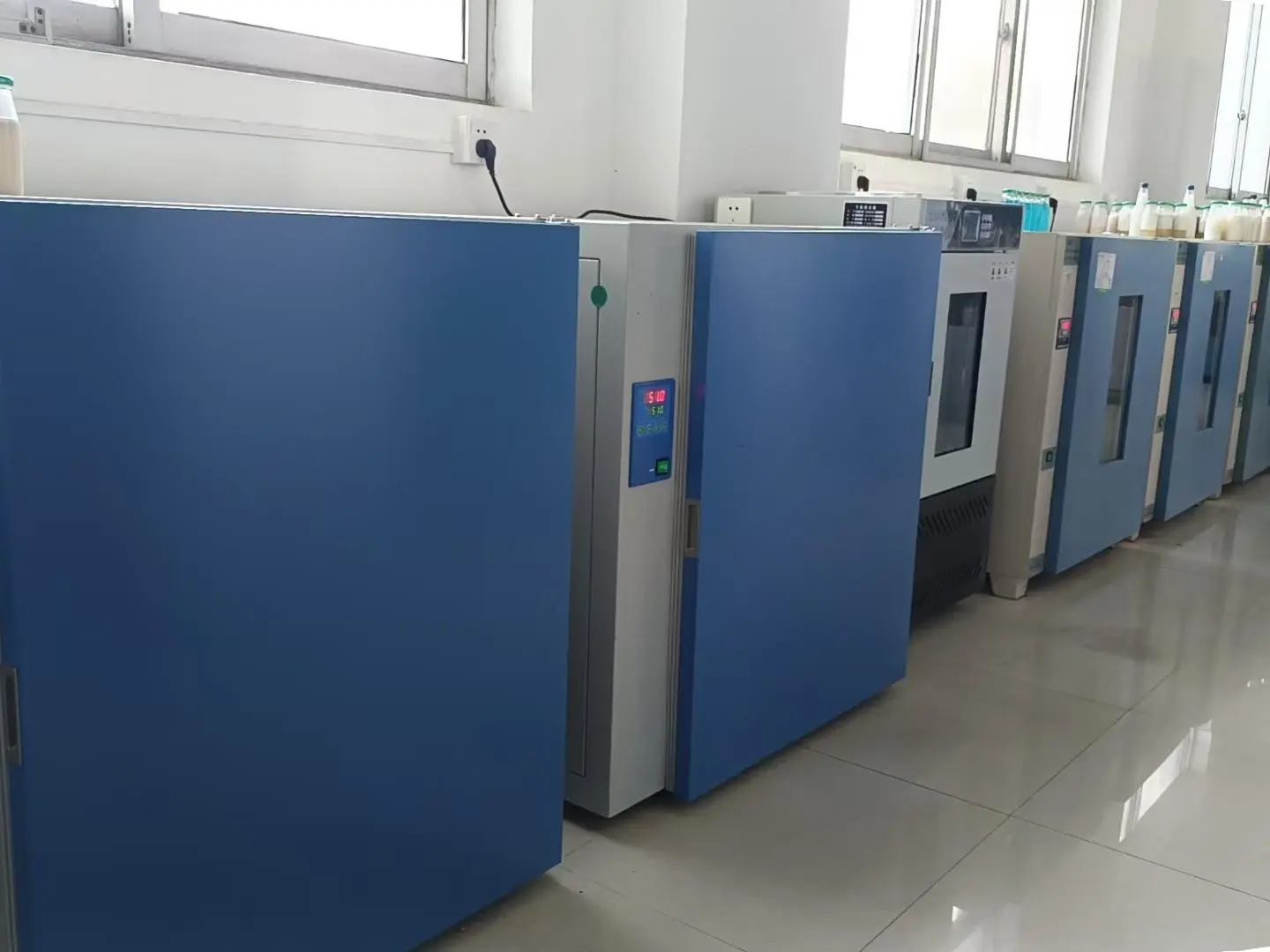
Centrifuges and environmental chambers simulate extreme shelf-life conditions to ensure long-term stability.
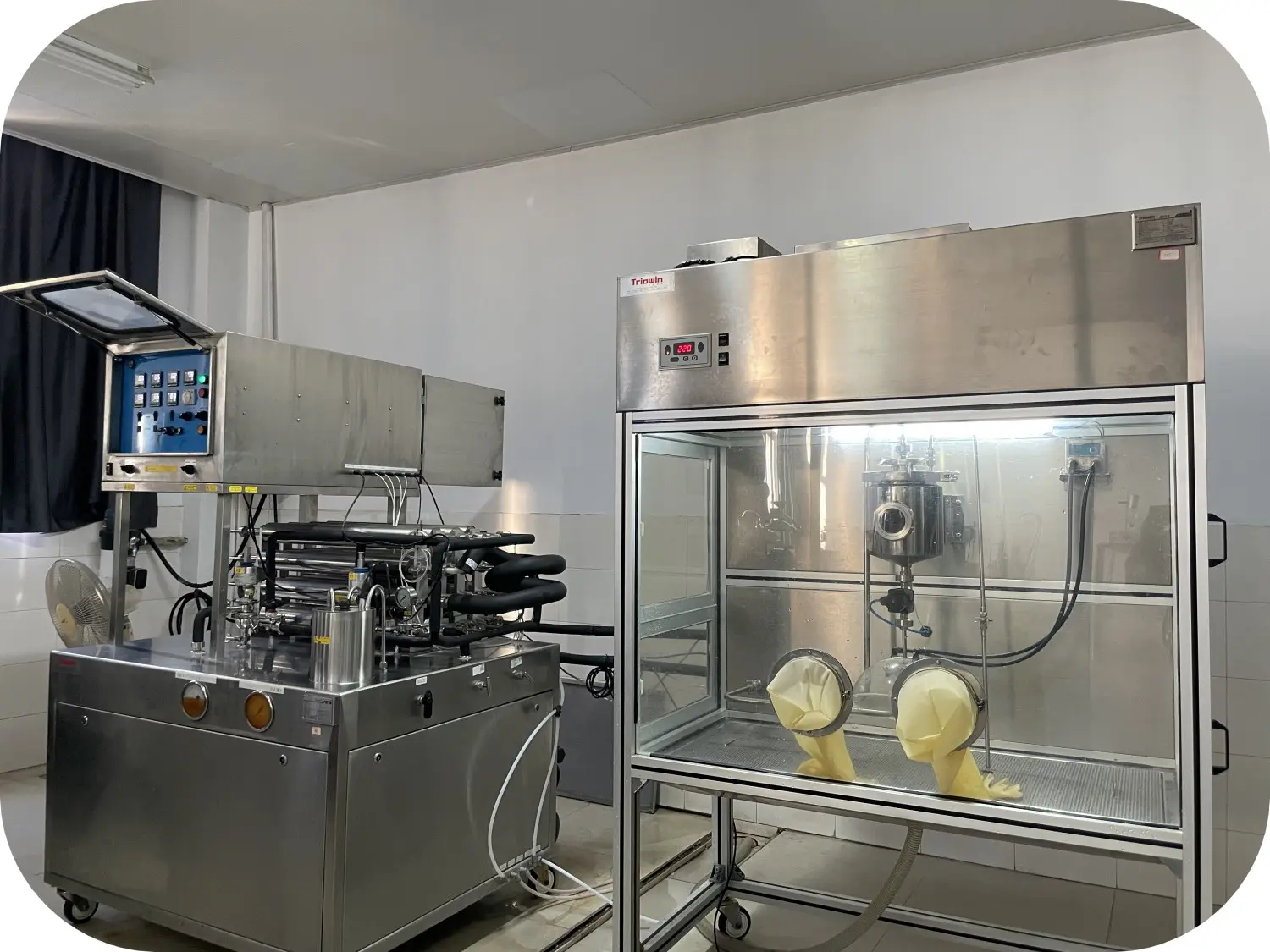
Pilot-scale UHT sterilizers, homogenizers, and bakery equipment test and refine formulations in real-world scenarios.
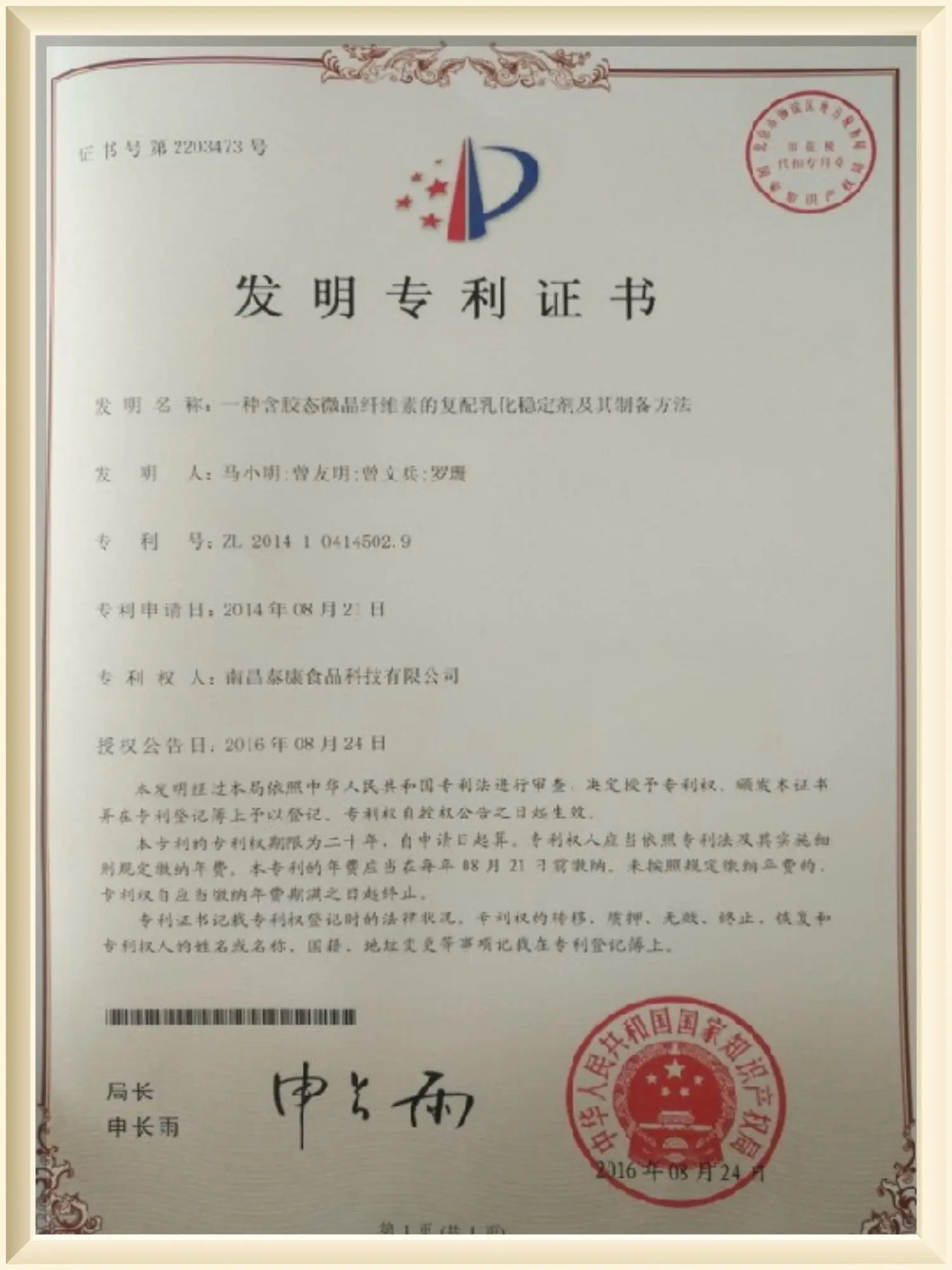
Our products undergo testing to meet strict export and food safety regulations. Below are some of the quality certificates verifying our operational compliance:
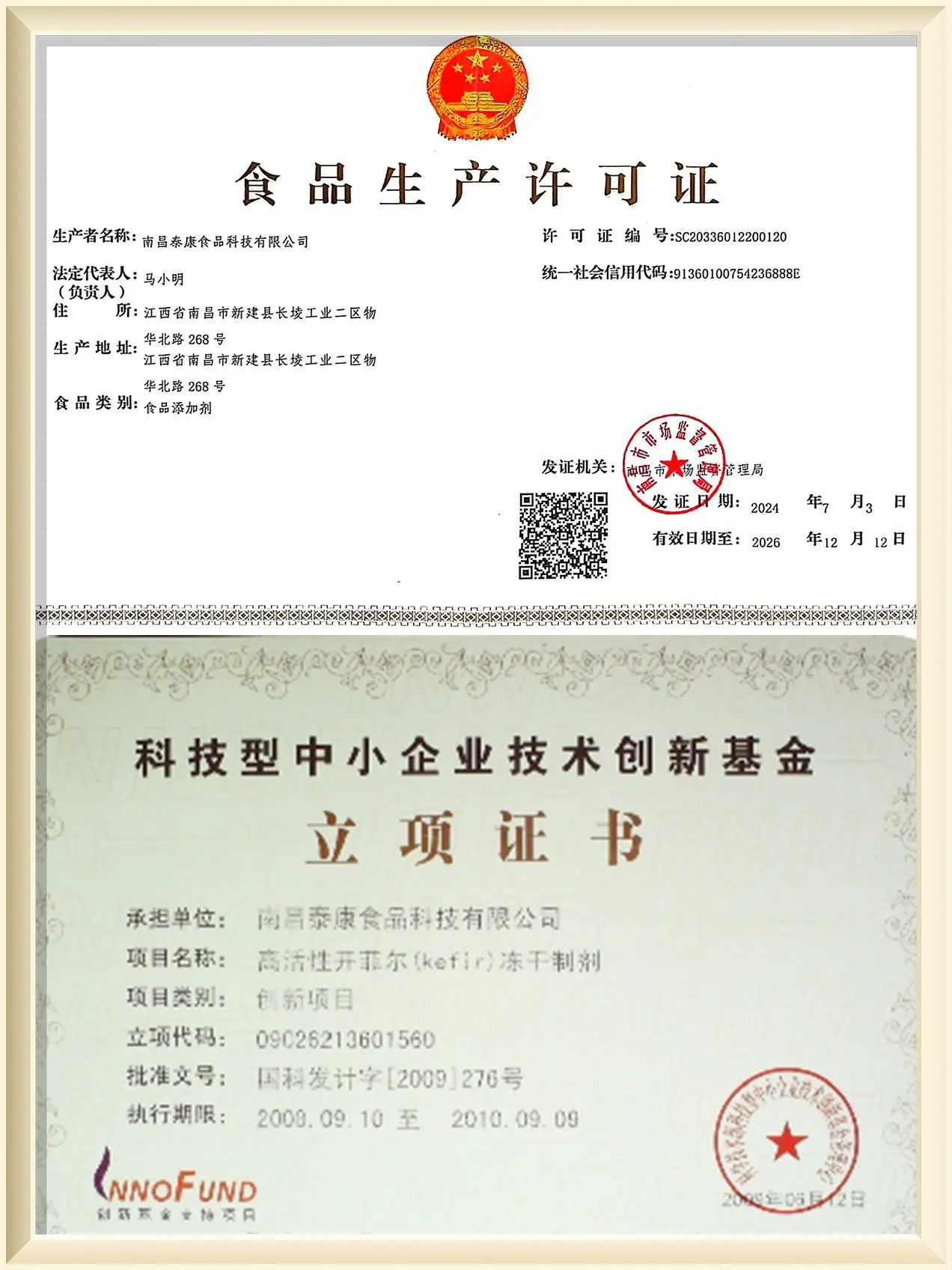
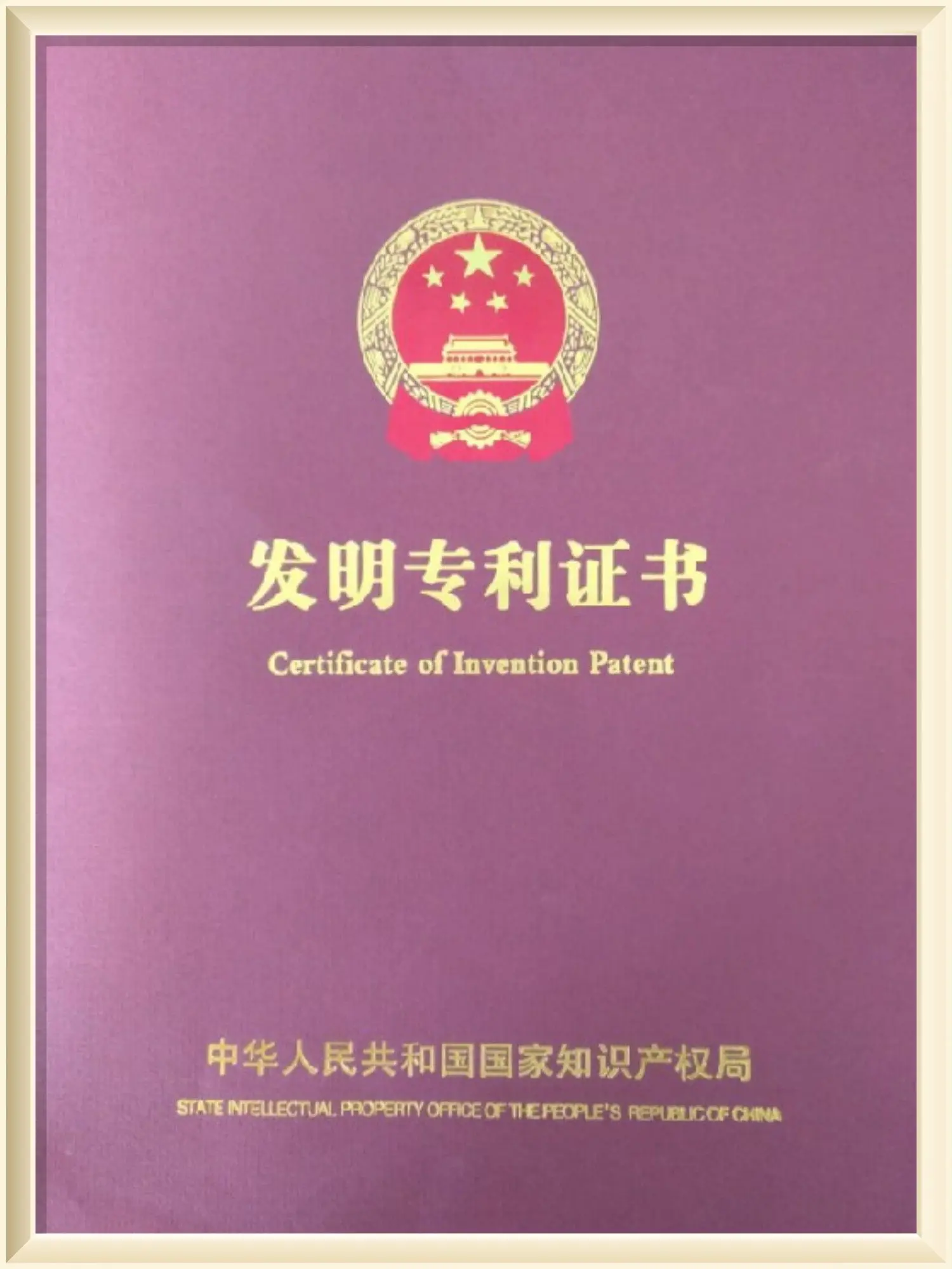
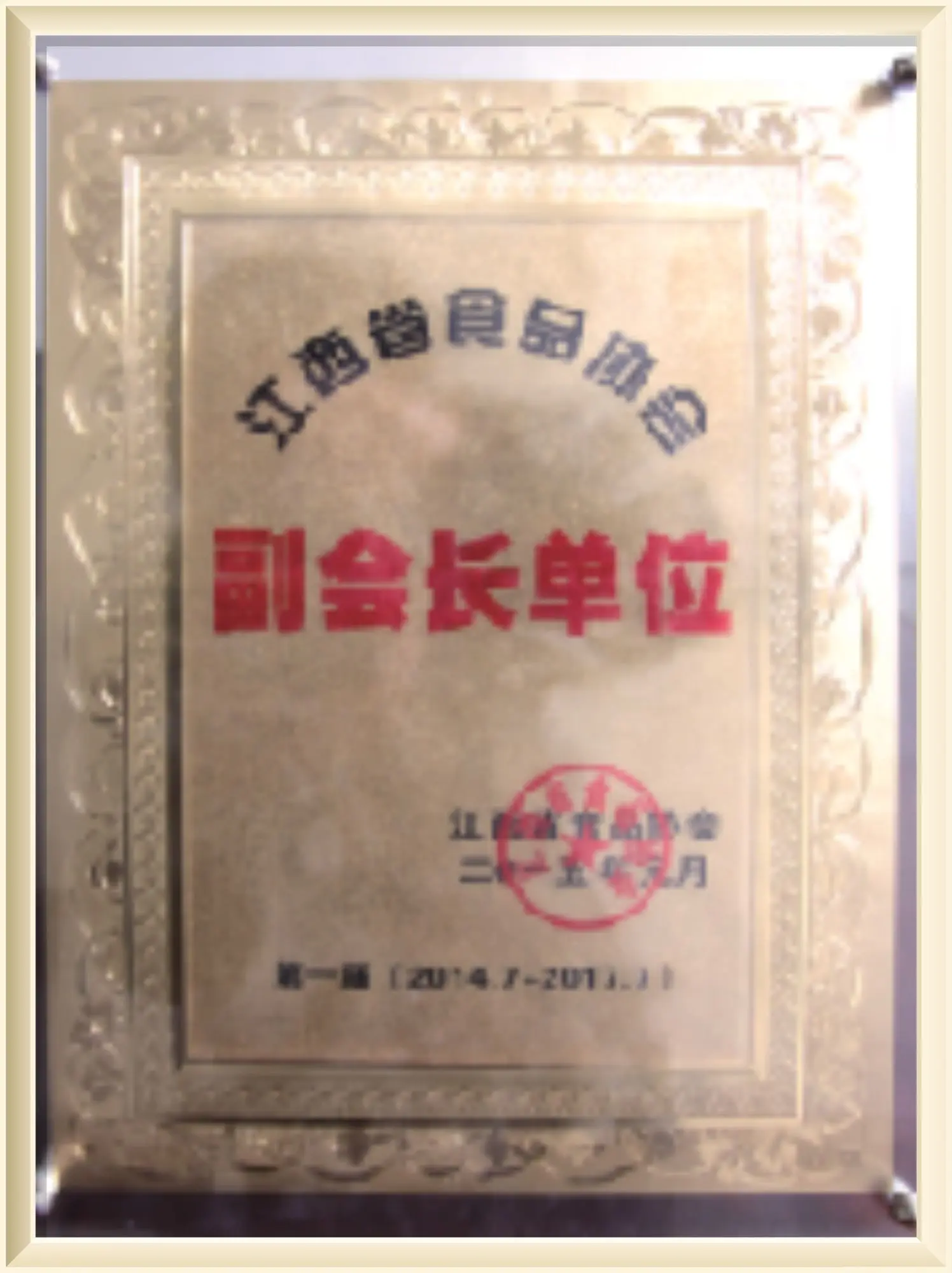
Microcrystalline Cellulose behaves differently depending on the water activity, shear rates, and pH of your formulation. Choosing the right grade ensures optimal product performance.
In soy, almond, oat, and coconut milks, MCC prevents cocoa and minerals (such as calcium carbonate) from settling. By forming a dense network, it provides a smooth, creamy texture that mimics traditional dairy fat.
Low pH environments can destabilize milk proteins, leading to curdling. Co-processed MCC stabilizes casein particles under acidic conditions, preventing phase separation during high-temperature treatments.
During baking, heat causes water to evaporate, which can ruin the texture of cream fillings. Adding MCC controls water migration, helping fruit and custard fillings keep their shape without boiling over or making the crust soggy.
A closer look at our cleanrooms, manufacturing halls, and modern production machinery.
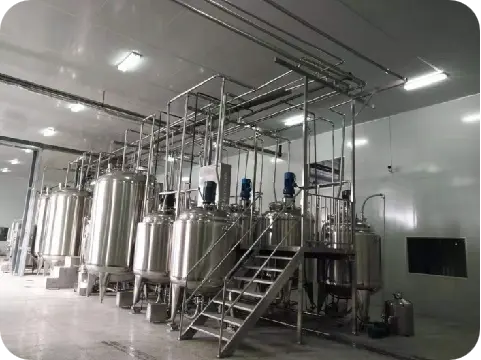
Colloidal MCC Process
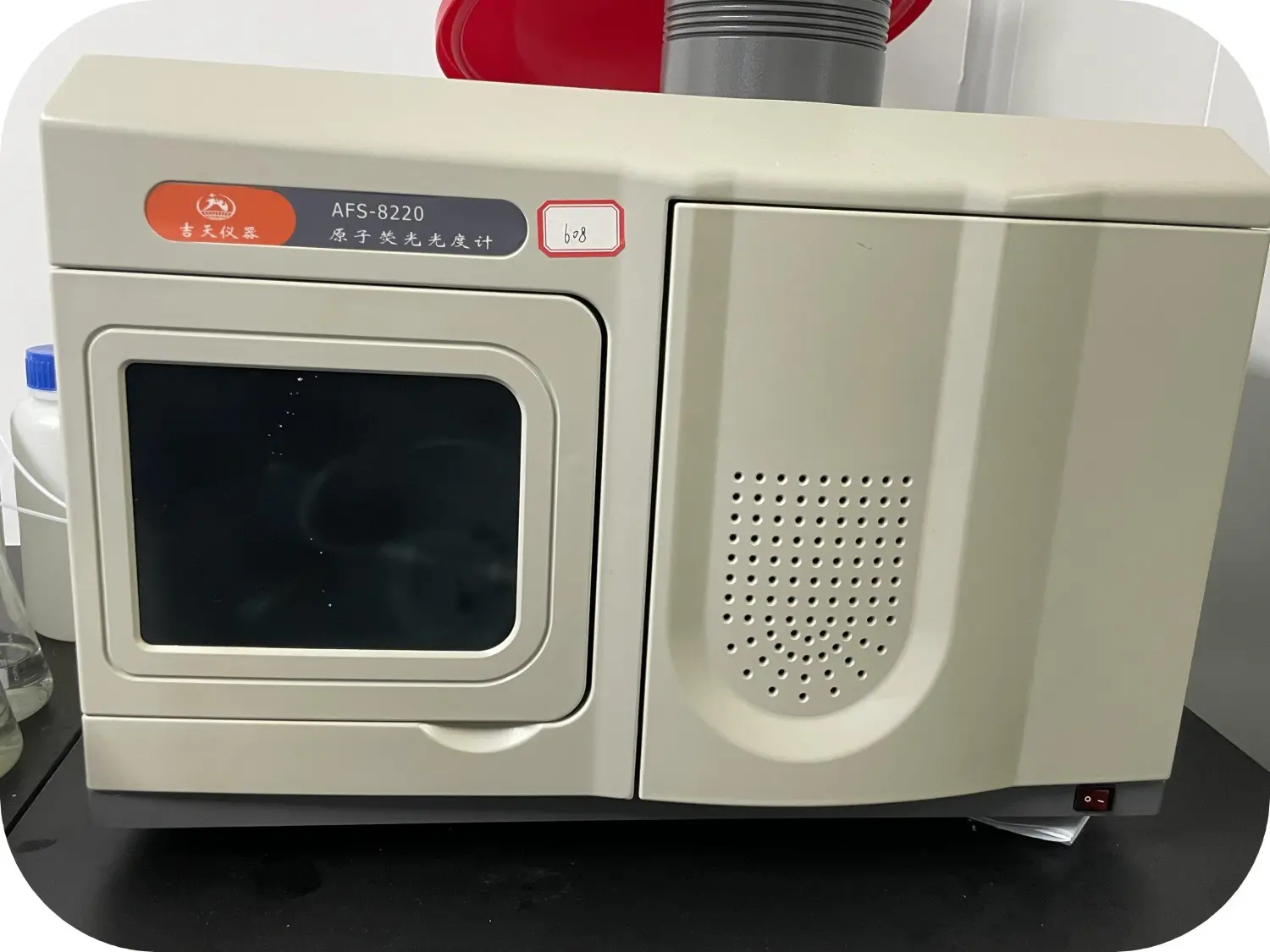
QC Inspection Lab
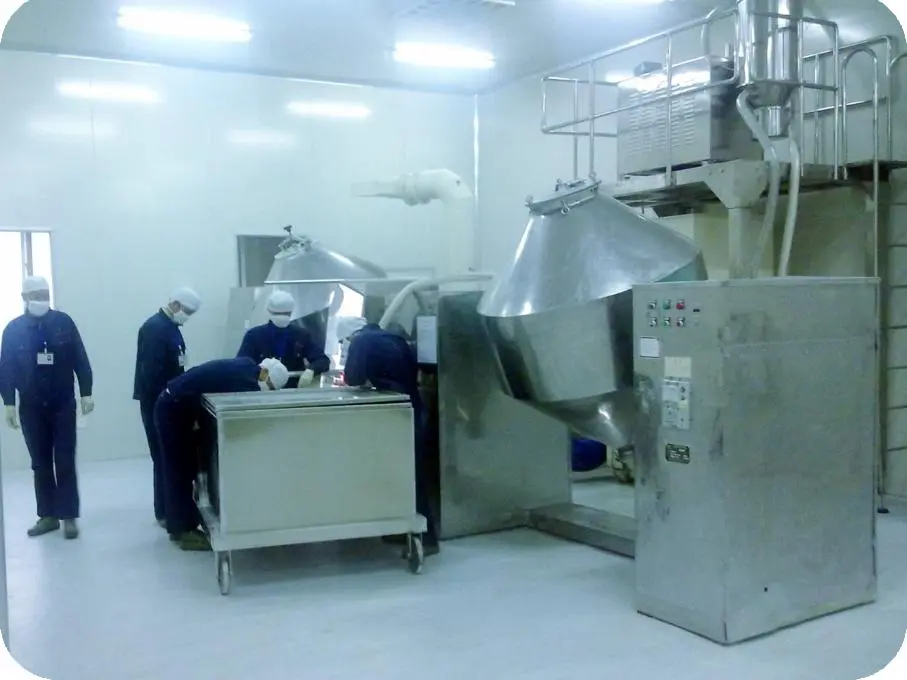
Stabilizer Production
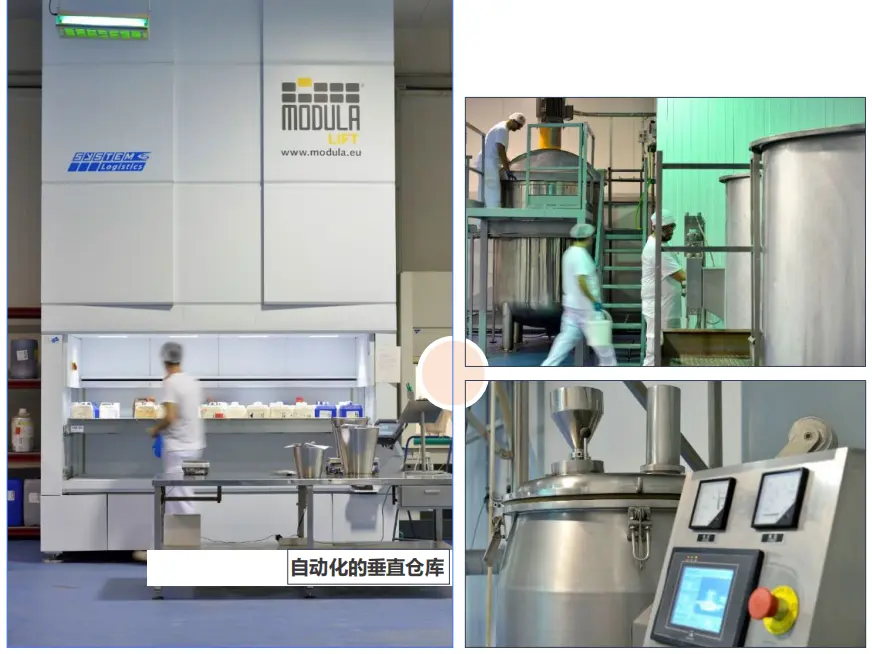
Flavor Formulation Lab
Find answers to common questions about functional MCC, technical applications, and purchasing logistics.
Explore our full line of stabilizers, emulsifiers, and functional additives for food and beverage applications.

 Tellcan Food