 Tellcan Food
1 / 1
| Sector | Typical Products | Gold Grade Model | Solution Highlights |
|---|---|---|---|
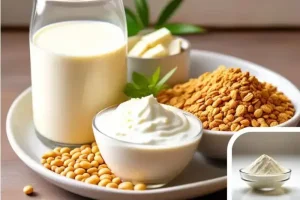
| Dairy | Flavored milk, yogurt | TK-APM100G / TK-APM200G | Smooth sweetness integration |
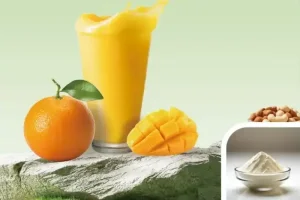
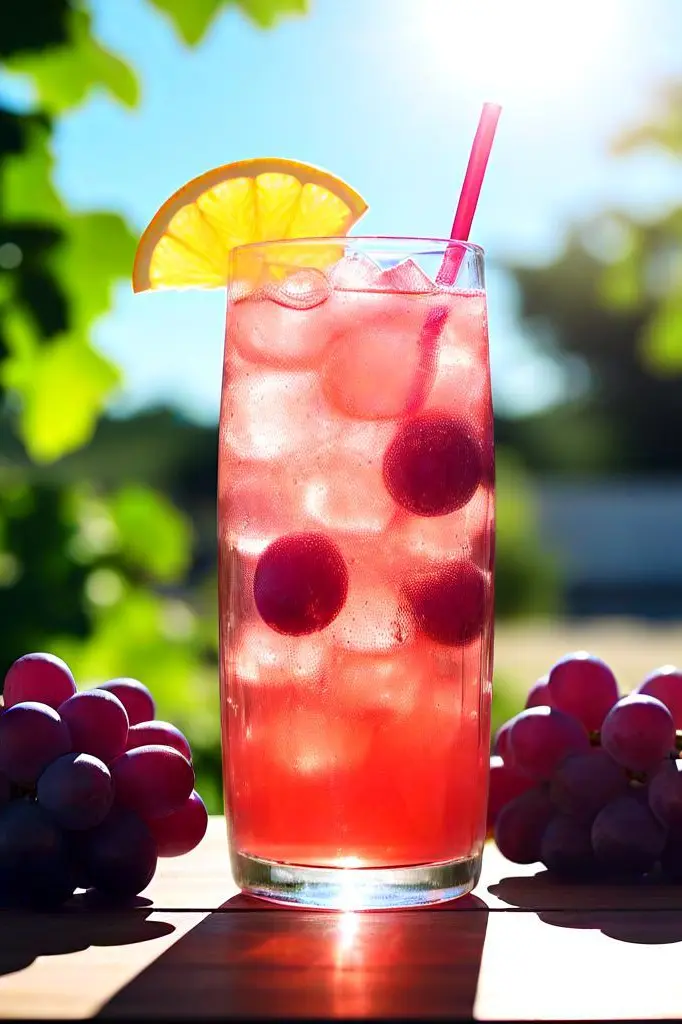
| Beverages | Dairy drinks, plant-based drinks, juices | TK-APM100B | Natural sweetness, no aftertaste |
| Frozen Desserts | Ice cream, popsicles | TK-APM100A | Anti-crystallization in freezing |
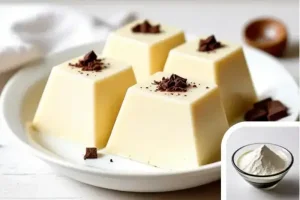
| Jelly & Pudding | Fruit jelly, cheese pudding | TK-APM50A / TK-APM100A | Compatible with colloids, no cloudiness |
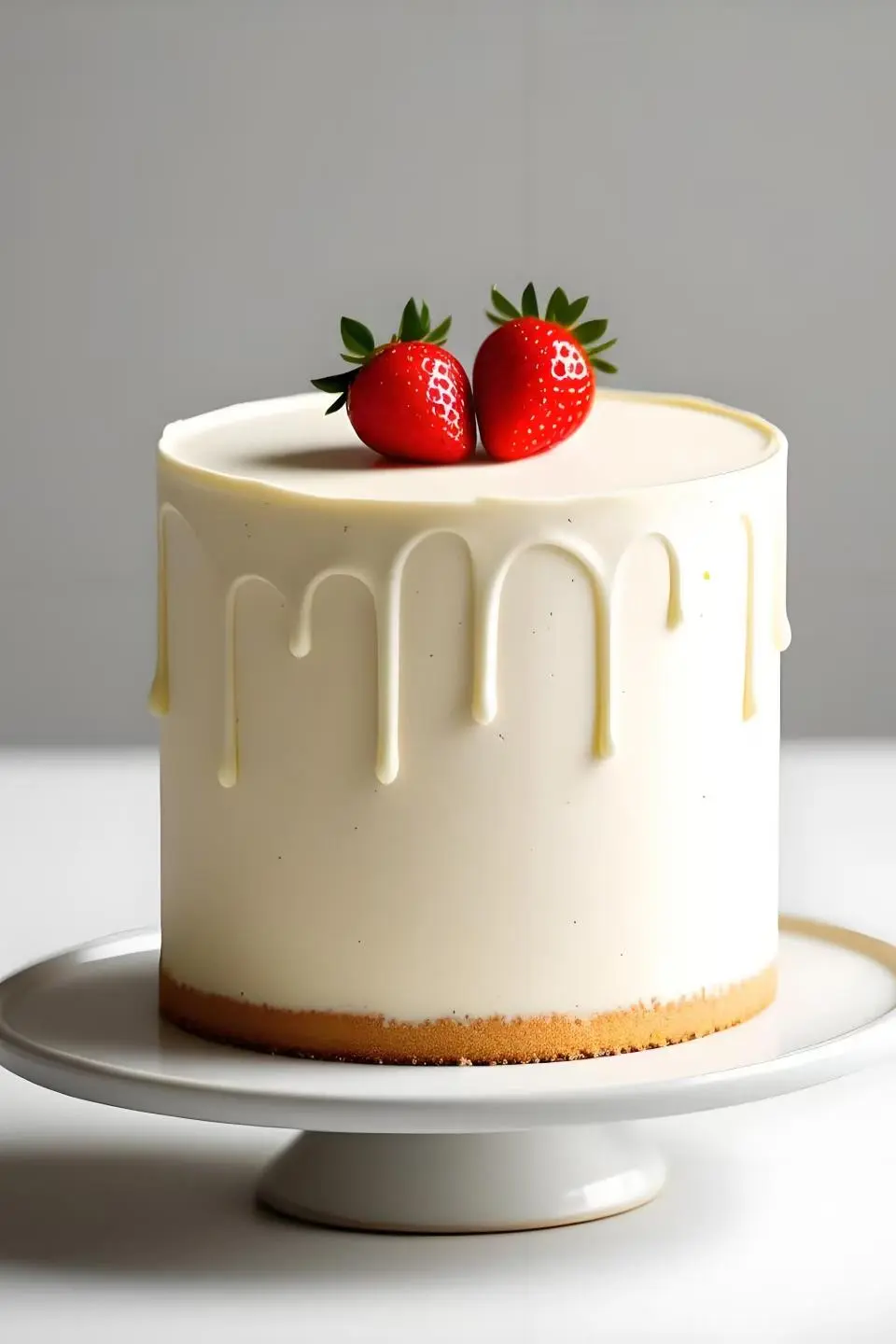
| Bakery | Sandwich biscuits, cookies | TK-APM100G / TK-APM200G | Heat-resistant, uniform sweetness |
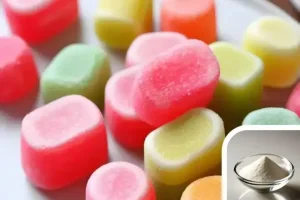
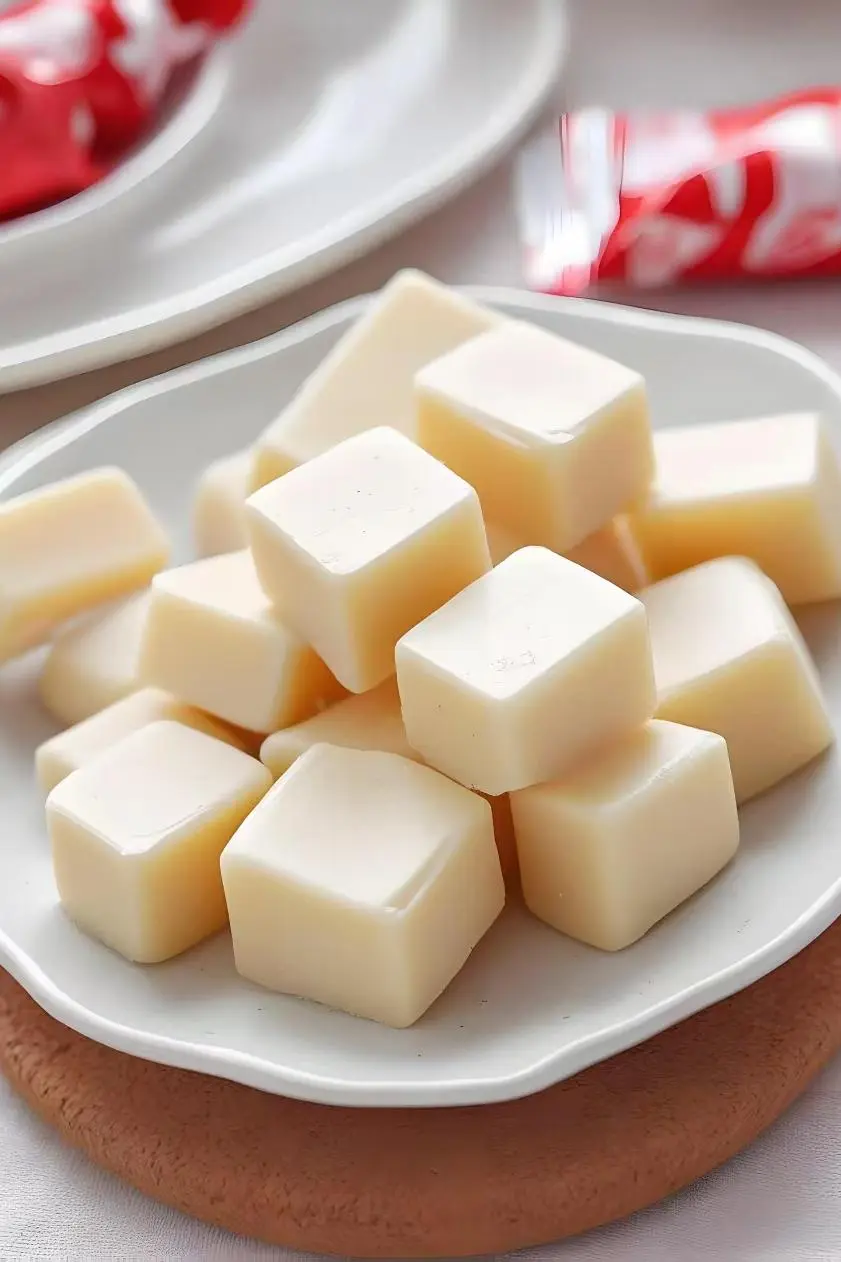
| Candy & Chocolate | Hard candies, dark chocolate | TK-APM100G / TK-APM200G | Non-hygroscopic, long-lasting sweetness |

What makes the Gold Grade models (TK-APM100G / TK-APM200G) suitable for both dairy and bakery applications?
How does TK-APM100A prevent crystallization in frozen desserts like ice cream and popsicles?
Is TK-APM100B suitable for plant-based beverages, and does it leave any aftertaste?
Can TK-APM50A and TK-APM100A be used together in jelly and pudding formulations?
Why is non-hygroscopic performance important for candy and chocolate products?
How do I select the right Gold Grade model for my specific food application?