Explore our state-of-the-art formulations tailored for modern food systems, plant-based dairy alternatives, and low-calorie processing.


The consumer demand for alternative dairy, vegan gelatins, and clean label foods has shifted food engineering toward plant-derived polymers and stabilizers. However, configuring plant proteins—such as pea, soy, oat, and faba bean proteins—comes with biological hurdles: isoelectric precipitation, phase separation, syneresis in gel structures, and taste degradation.
Solving these challenges requires advanced micro-colloid networks and precision hydrocolloids. Nanchang Tellcan Food Science Co.,Ltd. designs high-performance stabilizers, emulsifying agents, and microcrystalline cellulose (MCC) systems that secure phase homogeneity and prevent protein aggregation under extreme high-temperature processing (UHT) and fluctuating pH ranges.
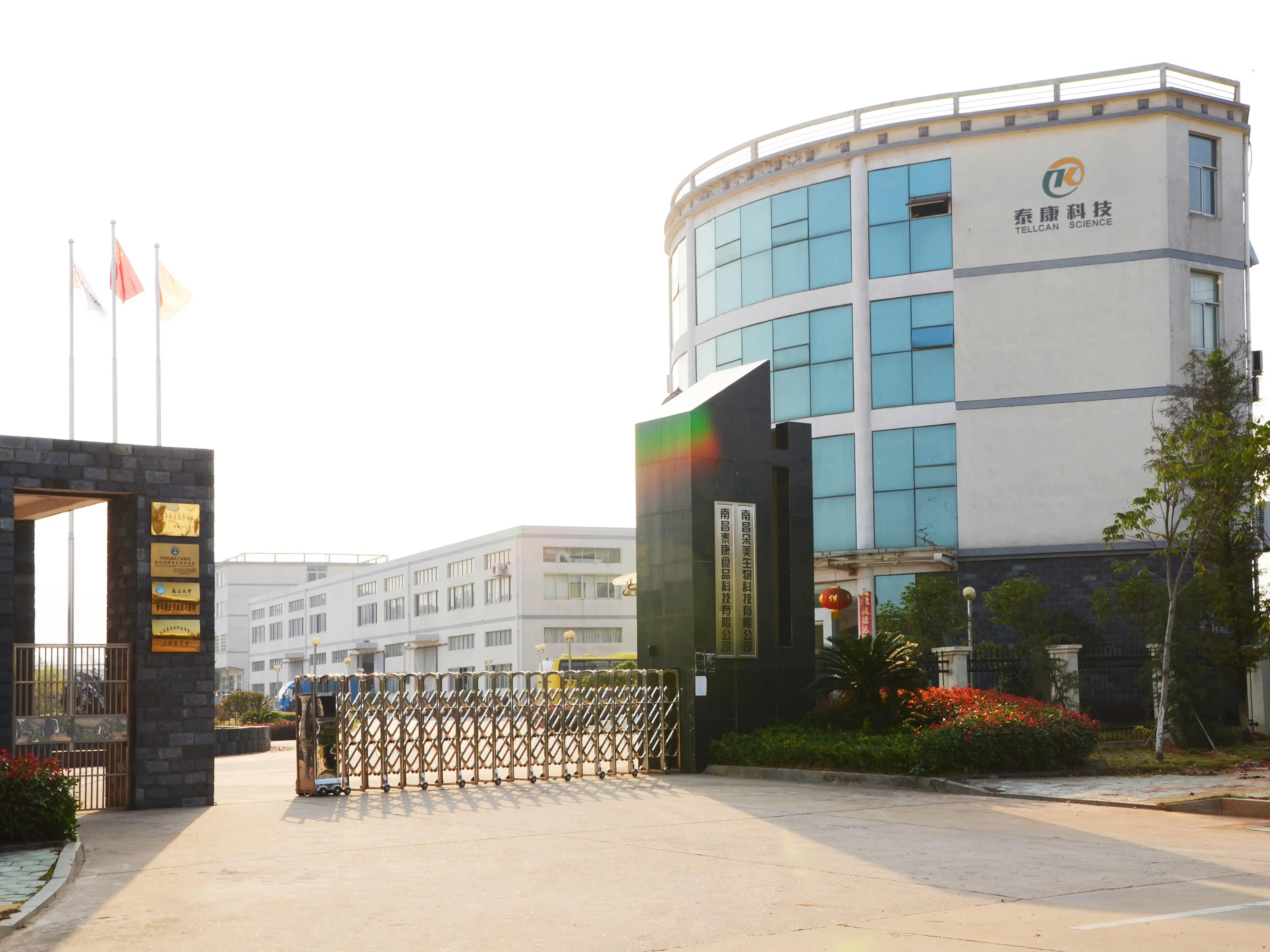
Consistently ranking in China's top food technology enterprises, Tellcan delivers world-class ingredient customization.
Nanchang Tellcan Food Science Co.,Ltd. is located in the Changling Industrial Zone II, Nanchang City, Jiangxi Province. We specialize in R&D, production, and sales of compound and monomer food additives, including high-tech agricultural product deep-processing technologies.
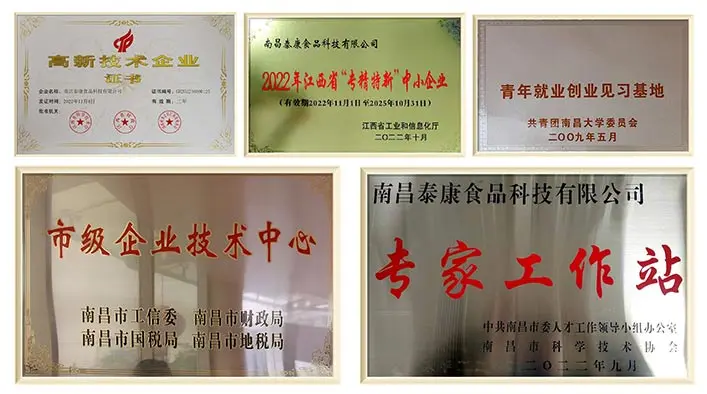
Recognized with the "Jiangxi Provincial Certificate for Specialized, Refined, Characteristic, and Innovative Enterprises" (专精特新) and National High-Tech Enterprise status, we operate at the frontier of food system integration.
Supported by the Nanchang Municipal Enterprise Technology Center and the Municipal Expert Workstation, we run pilot lines, advanced R&D labs, and stability testing networks to scale food concepts from benchtop to commercial plant.
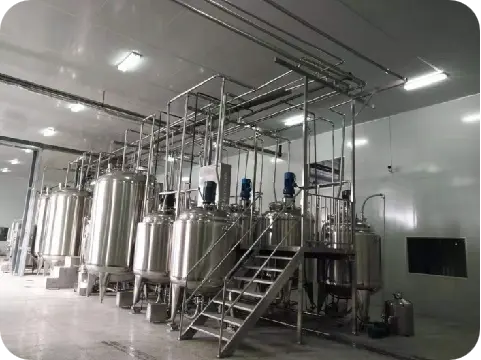
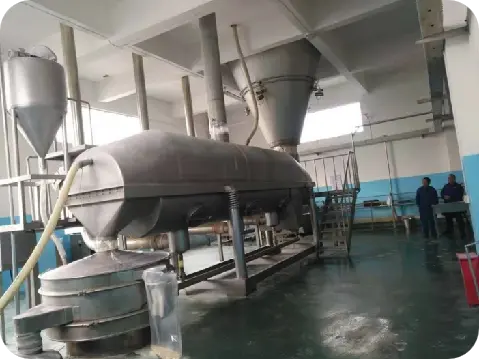
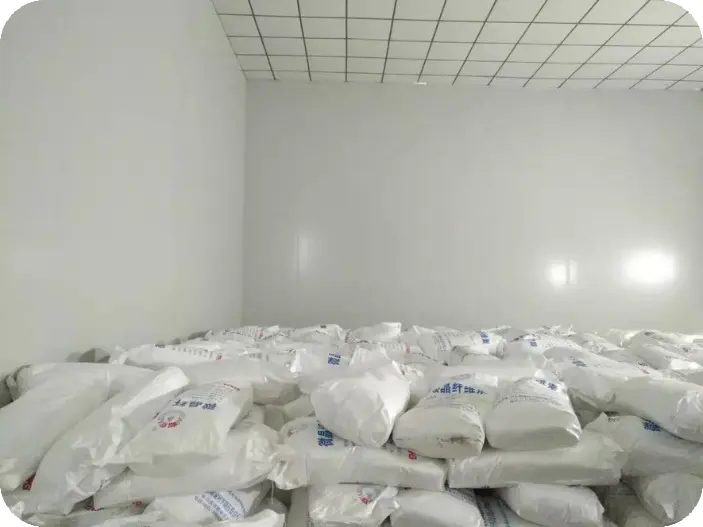
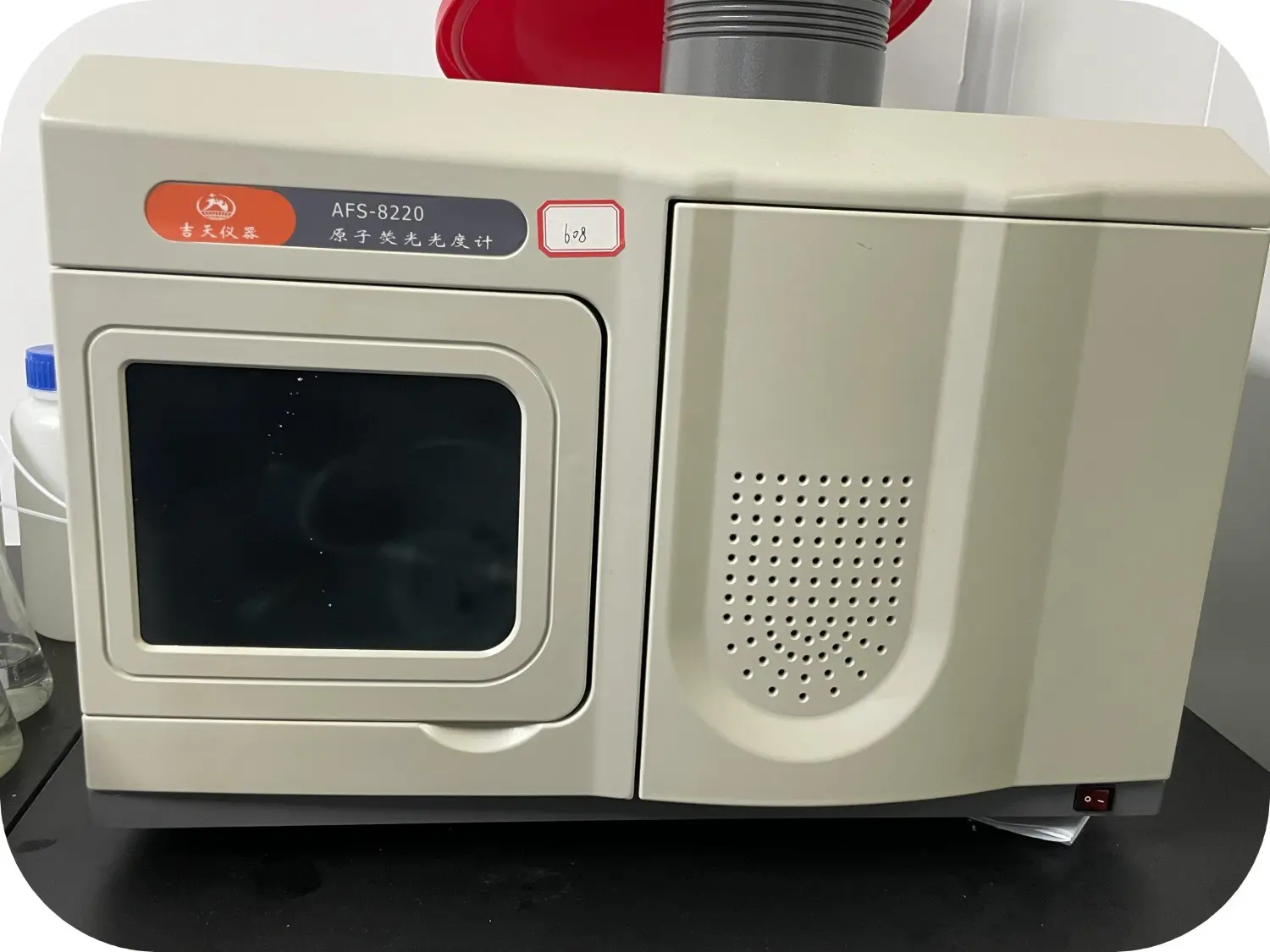
Take a virtual walk through our advanced food grade laboratories, testing infrastructure, and chemical blending lines.
We deploy precise biochemical processes to yield unmatched structural stability and mouthfeel in food formulations.
How our advanced stabilizers operate in specific, demanding market scenarios across the globe.
These beverages are highly susceptible to calcium sedimentation and heat-induced curdling. Our neutral stabilizer systems coat plant proteins, maintaining suspension under UHT treatments and high thermal shear.
Natural juices undergo cloud loss and pulp separation. Tellcan's pectins and micro-cellulose systems construct a fluid gel layer, locking particulates in a uniform suspension without altering taste profiles.
Replacing gelatin requires robust structural alternatives. Our jelly stabilizer systems yield brilliant gel strength, elasticity, and clean syneresis-free release curves, making them highly resilient during supply transit.

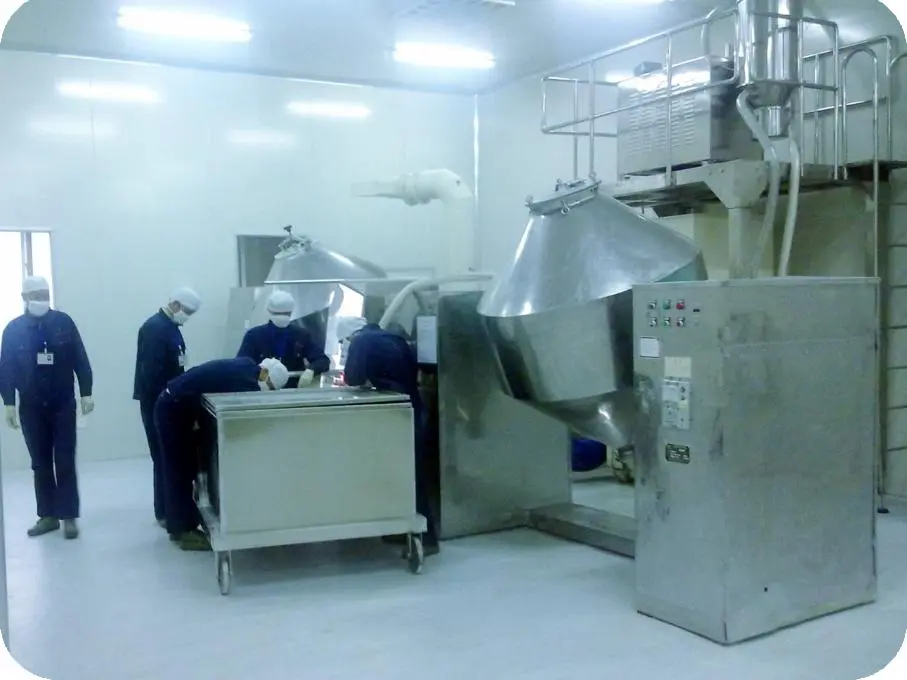
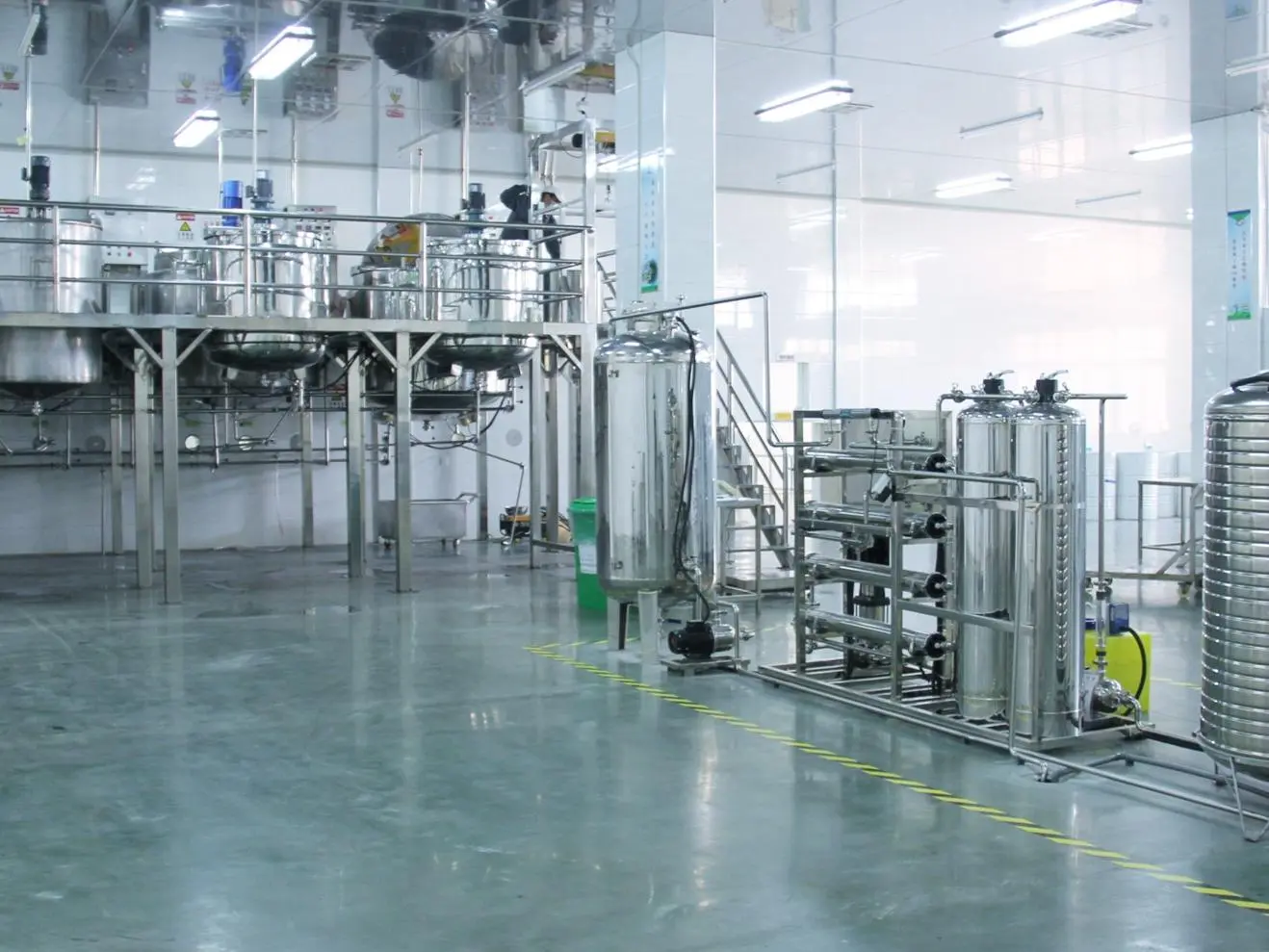
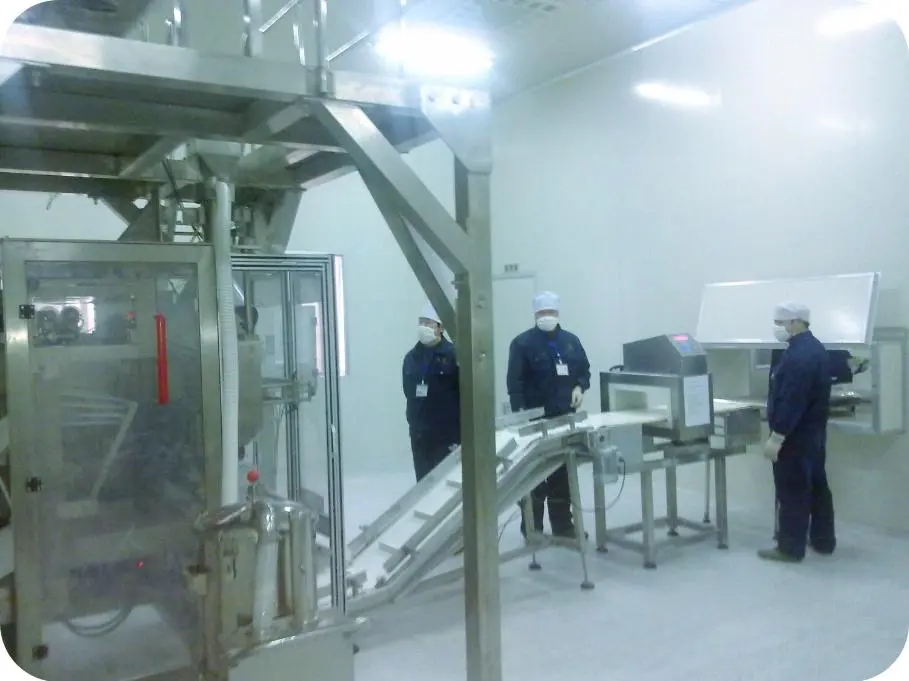
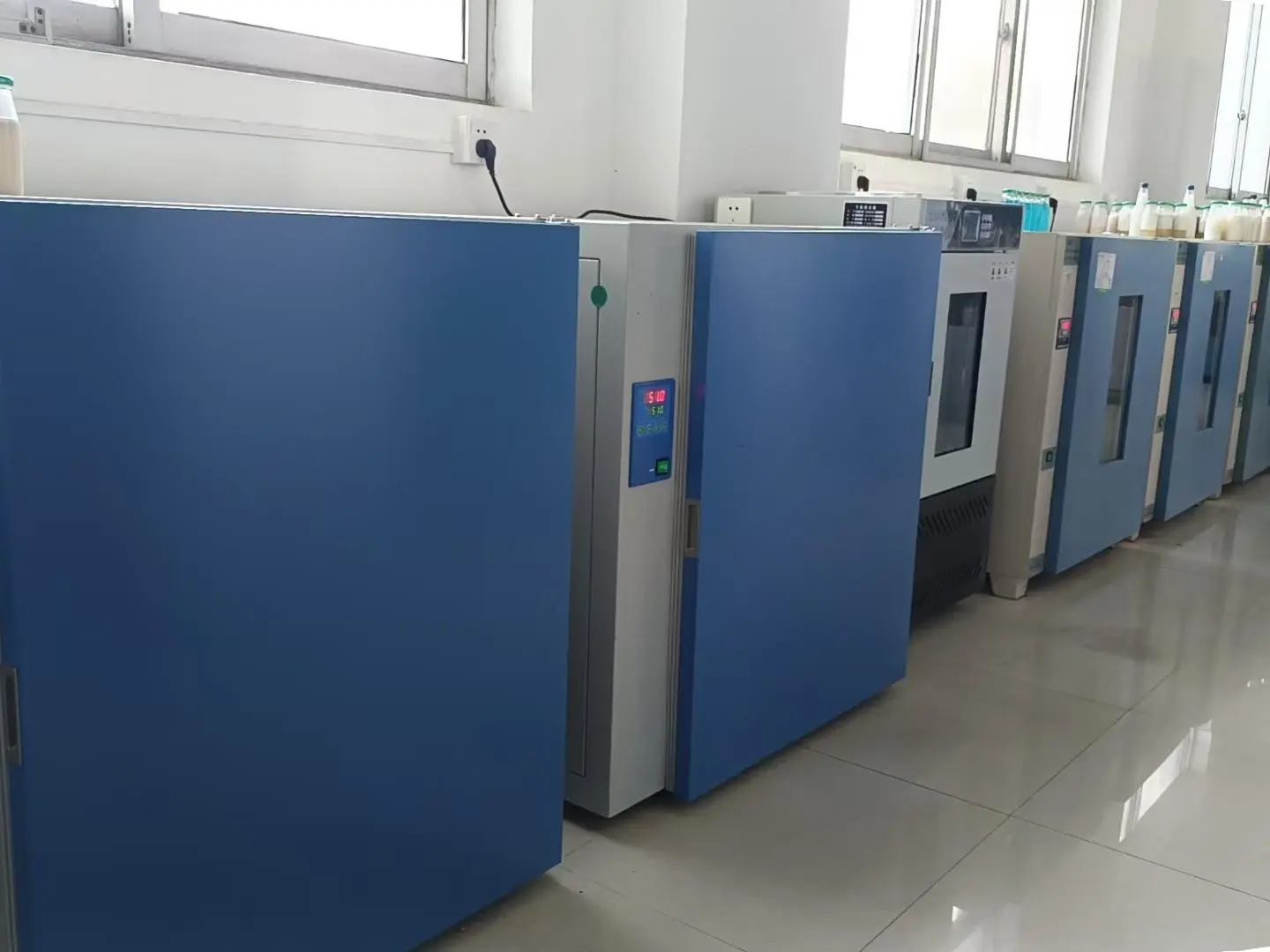
Tellcan operates a fully integrated raw material sourcing and manufacturing pipeline out of Nanchang, China. This geographical hub guarantees steady raw agricultural inputs, high-grade base polymers, and direct access to efficient ocean freight networks.
Our scale yields high cost-efficiencies that we pass down as competitive pricing margins to international food brands. With robust, computerized batch blending systems and rigorous in-line quality controls, we ensure minimal batch variance. We are capable of scaling up production rapidly to support massive market rollouts without compromising structural integrity or food safety.
We collaborate with major global material suppliers to source advanced components, refining them under Chinese manufacturing methodologies to yield superior compound additive solutions.
Our scientific rigor is documented through continuous research contributions and peer-reviewed studies.
Tellcan acts not just as a manufacturer but as a key thought leader in food sciences. We distribute authoritative research and market updates via:
- The bi-monthly "Taikang Technology Information Bulletin".
- Our monthly column "Tellcan Technology Forum" in the prestigious China Food News.
- Technical papers and formulations published across major regional and global academic journals, including China Dairy Industry, Food Industry Science and Technology, China Food Additives, and Beverage Industry.
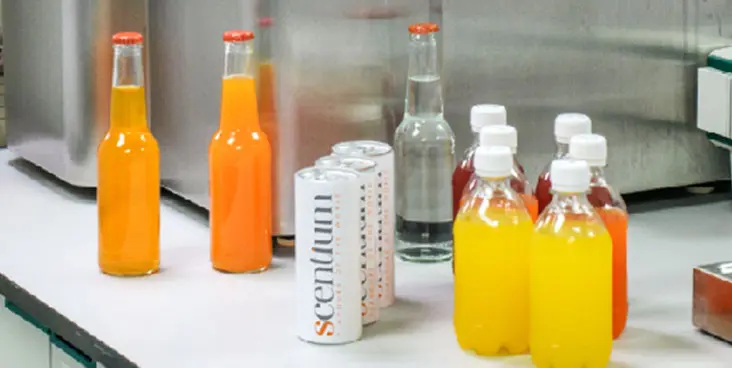
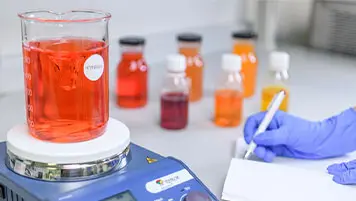
Every shipment conforms to strict global food import standards (HACCP 22000, China GB, US FDA, EFSA compatibility).
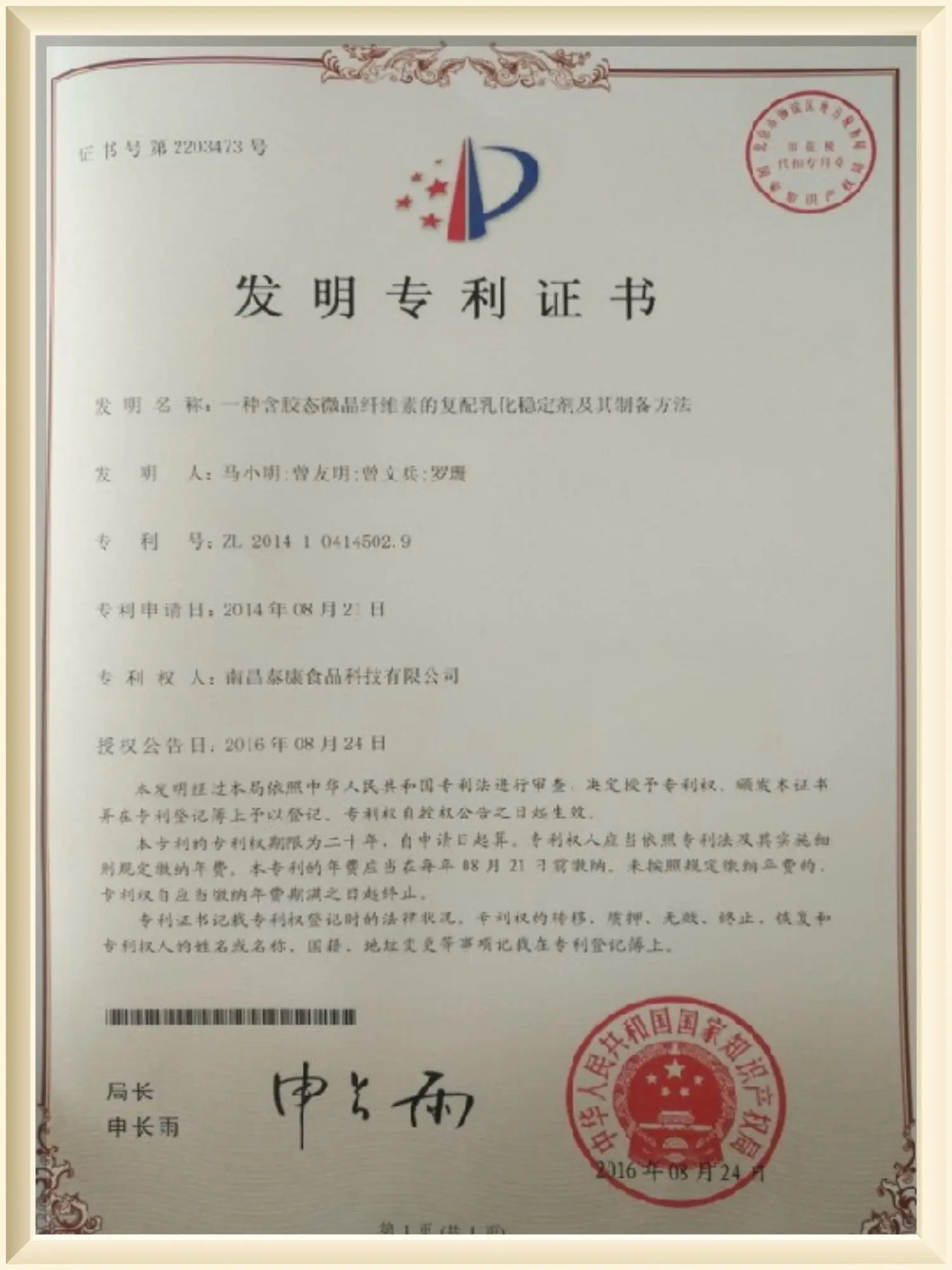
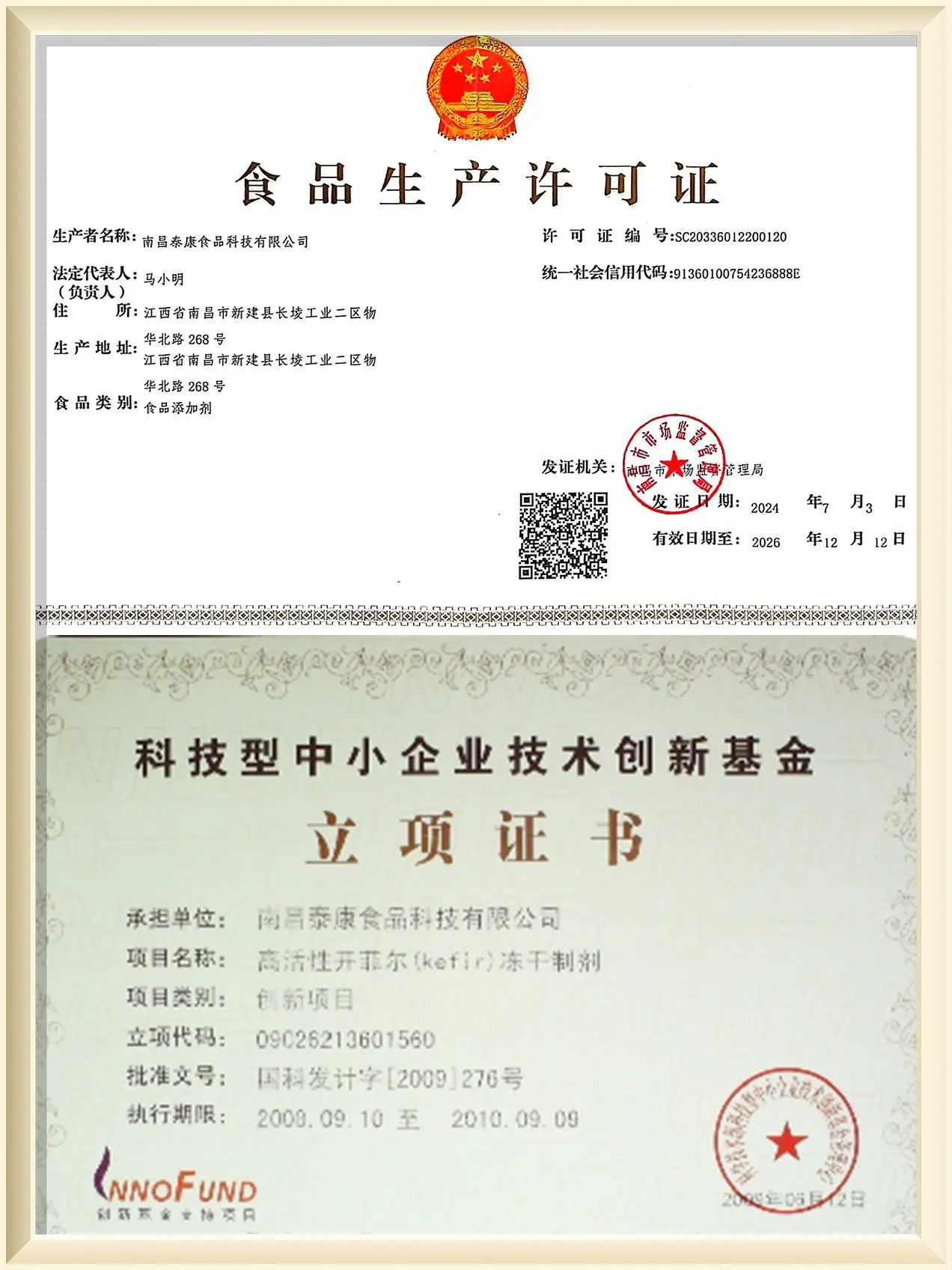
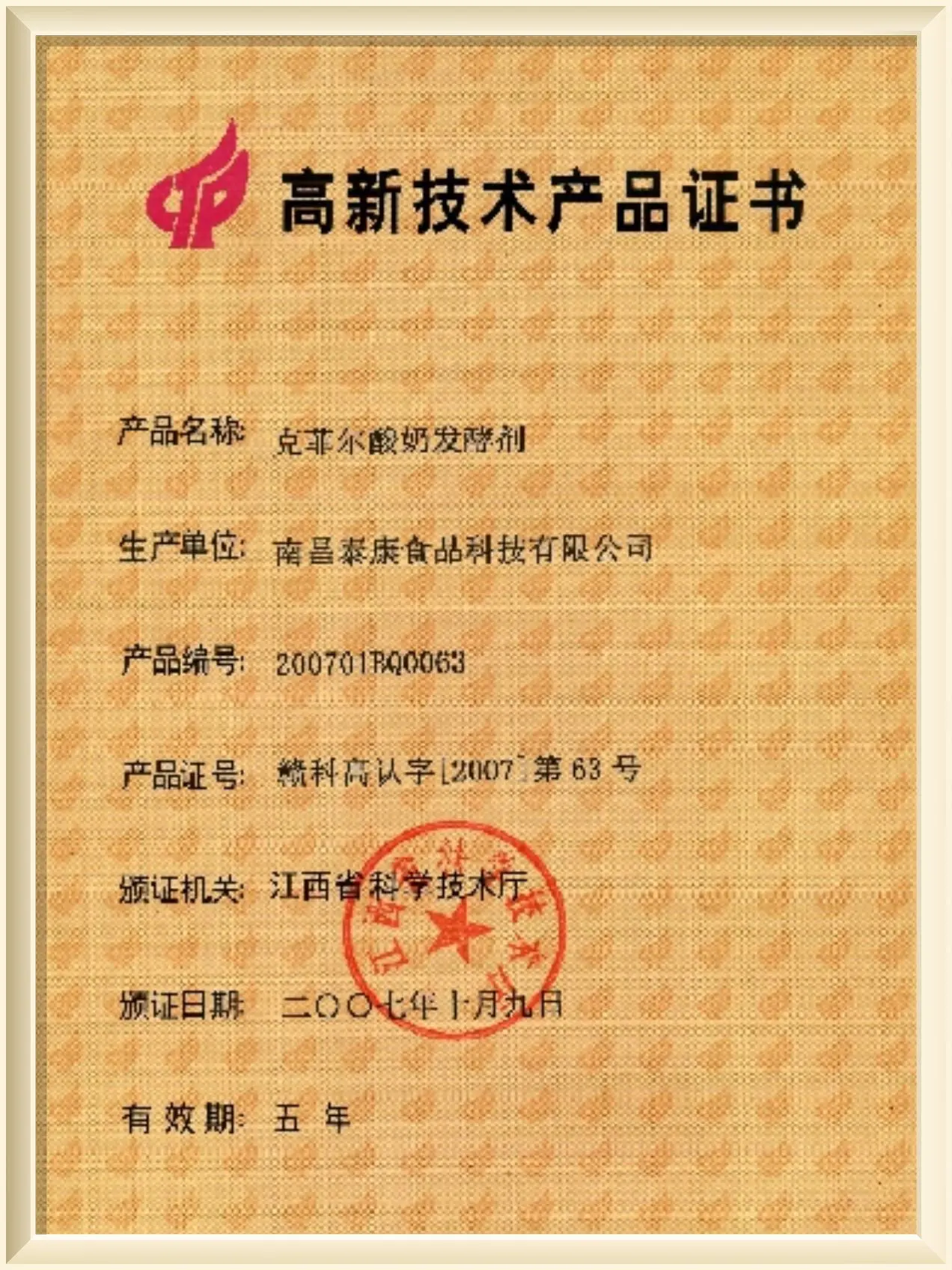
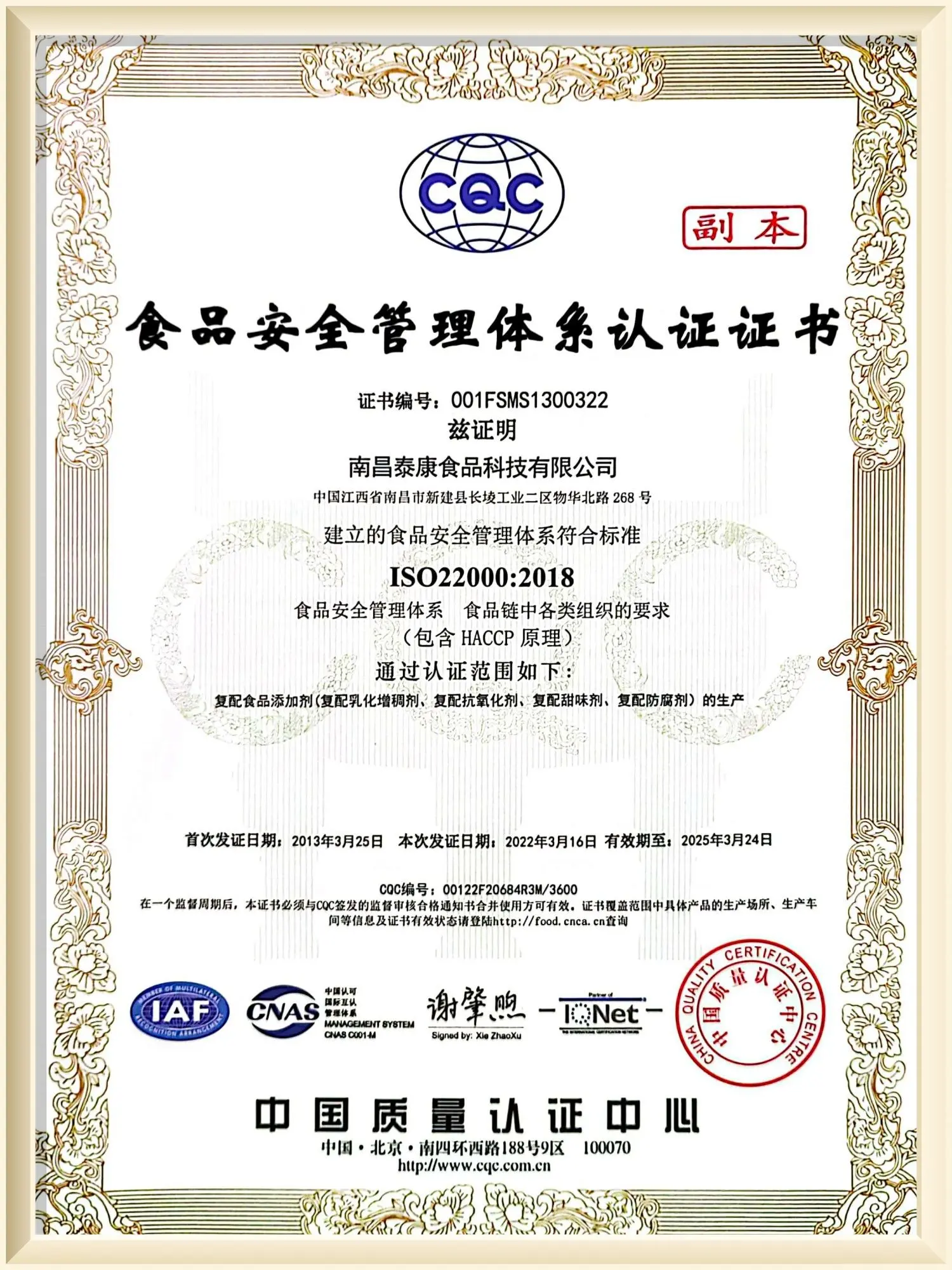
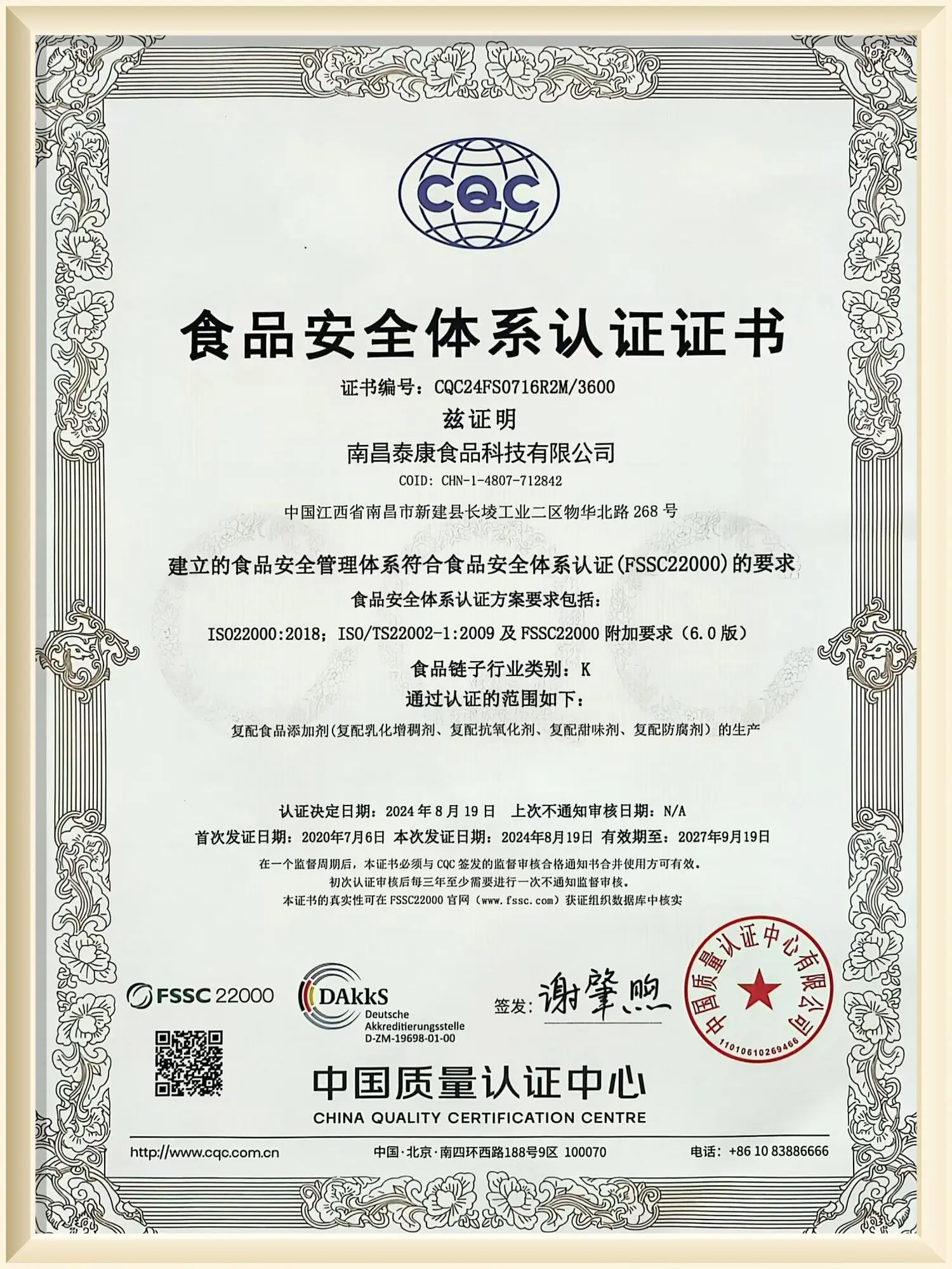
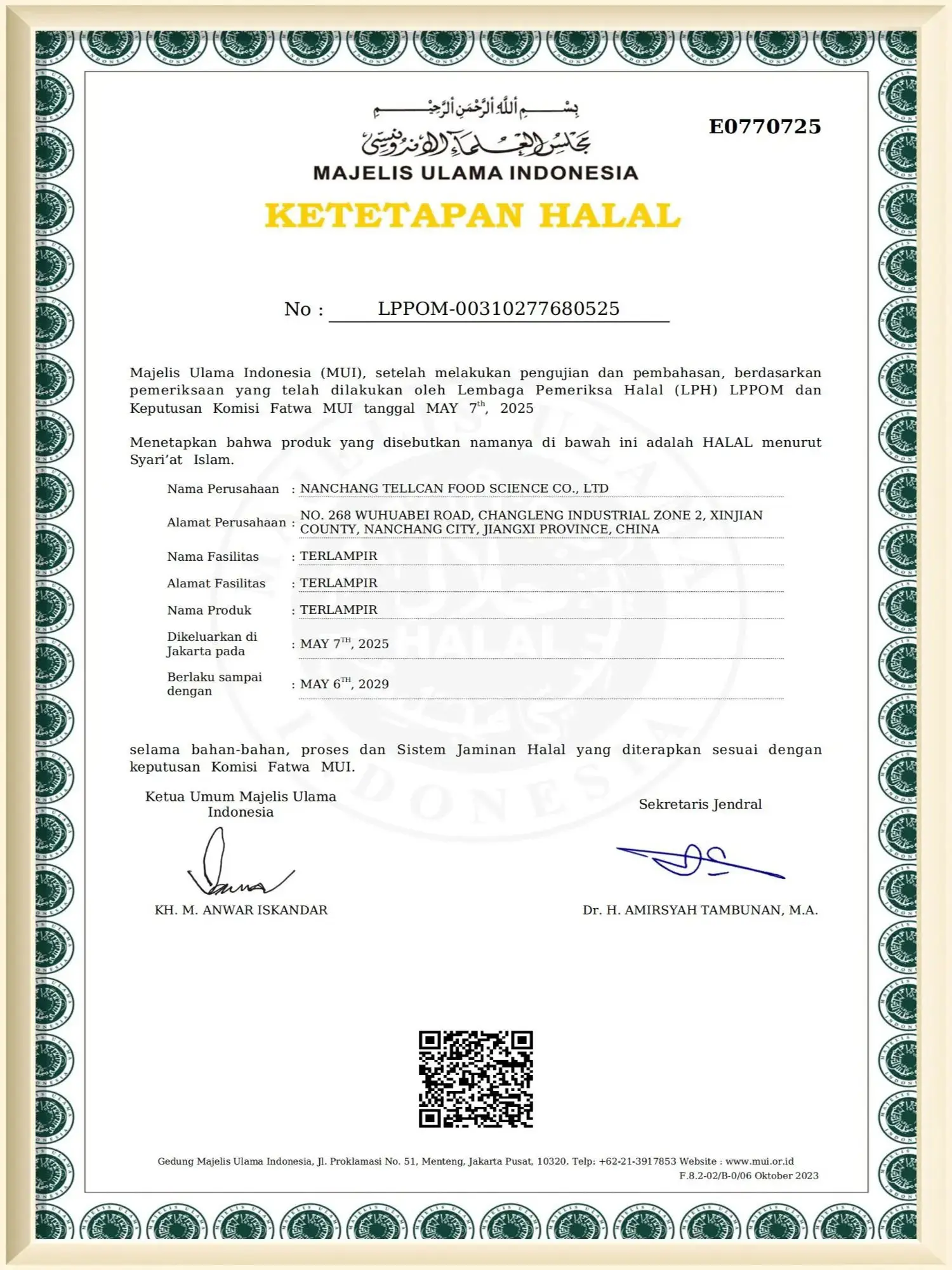
A deep dive into our methodology for neutralizing off-notes and ensuring rheological excellence.
In gelled formulations like dessert jellies, puddings, and vegan dairy gels, syneresis (liquid weeping) is a common defect caused by retrogradation of starches and contraction of the hydrocolloid network. Tellcan's composite stabilizer networks (incorporating carrageenans, konjac glucomannan, and locust bean gum) exploit synergistic gelation.
The junction zones formed by the intersecting polymer chains trap water molecules within an elastic, thermal-reversible matrix, guaranteeing water retention over a 12-month shelf life.
For acidic dairy beverages and plant-based protein milks, stabilization requires precise control over zeta potential and particle size distribution. Our compound stabilizers form a protective steric barrier around protein particles, preventing electrostatic aggregation near the protein's isoelectric point (pH 4.0 - 4.6).
By integrating tailored pectin chains and microcrystalline cellulose, the emulsion maintains a consistent shear-thinning viscosity profile, which mimics the sensory properties of whole milk.
Get answers to critical technical questions regarding stabilizer chemistry, OEM capabilities, and compliance.
Discover our second tier of precision stabilizers, compound preservatives, and synthetic flavor enhancement systems.
 Tellcan Food