Global Sourcing Excellence for Food Safety and Texture Enhancement
As the global seafood market transitions towards "Clean Label" standards, the role of Natural Preservatives For Fish has become paramount. Consumers in Europe, North America, and East Asia are increasingly demanding transparency, shunning synthetic chemical additives like formaldehydes or excessive sulfites. China Natural Preservatives For Fish Exporters are at the forefront of this revolution, leveraging advanced fermentation technology and botanical extraction to ensure seafood remains fresh, nutritious, and safe during long-range logistical cycles.
The primary challenge in fish preservation lies in the high water activity, neutral pH, and rich protein content of aquatic products, which make them highly susceptible to microbial spoilage (such as Pseudomonas and Shewanella) and lipid oxidation. Our research-driven solutions utilize natural antimicrobials like ε-Polylysine, Nisin, Natamycin, and Rosemary Extracts to create a synergistic barrier against decay without altering the sensory profile of the fish.
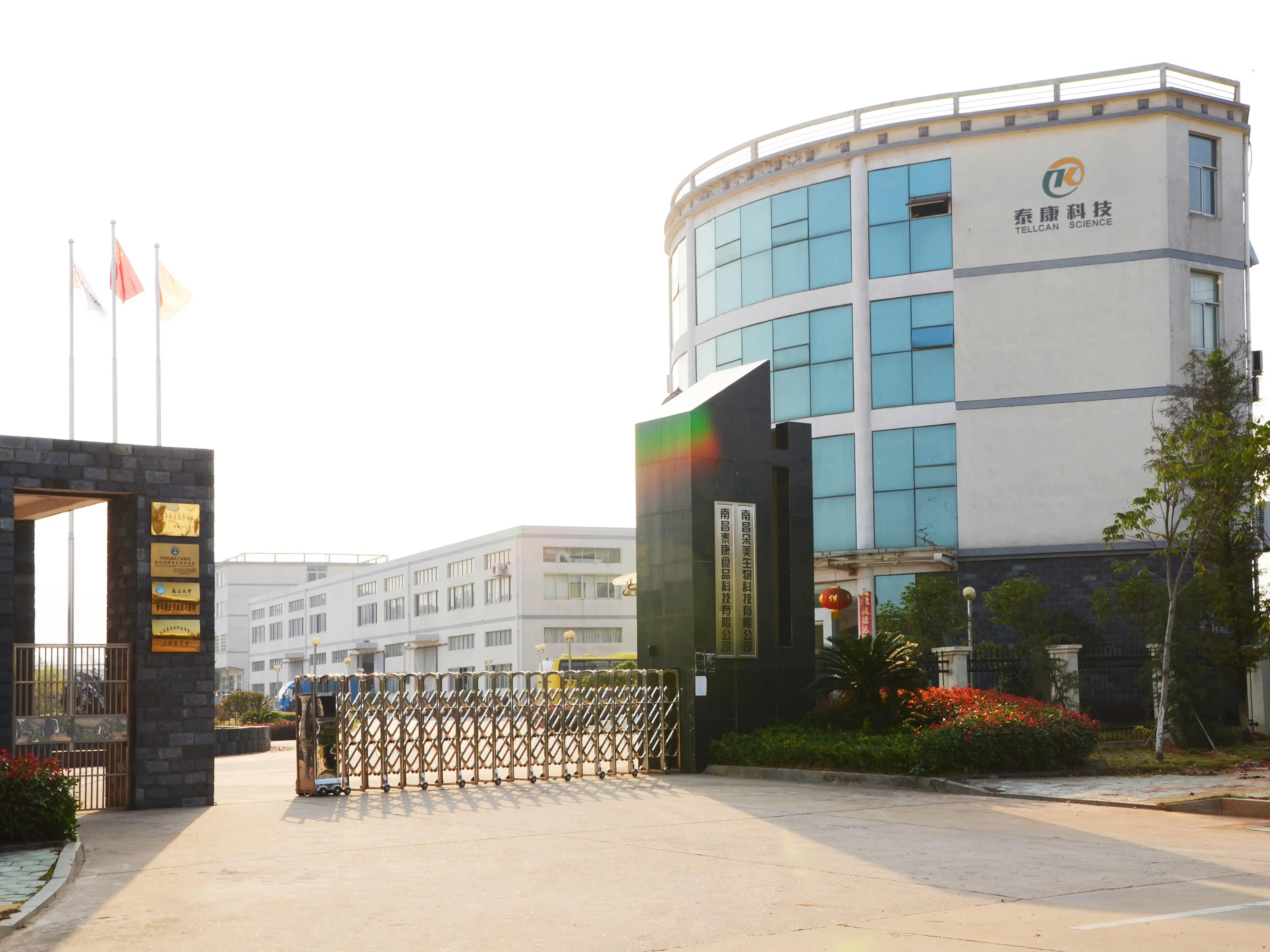
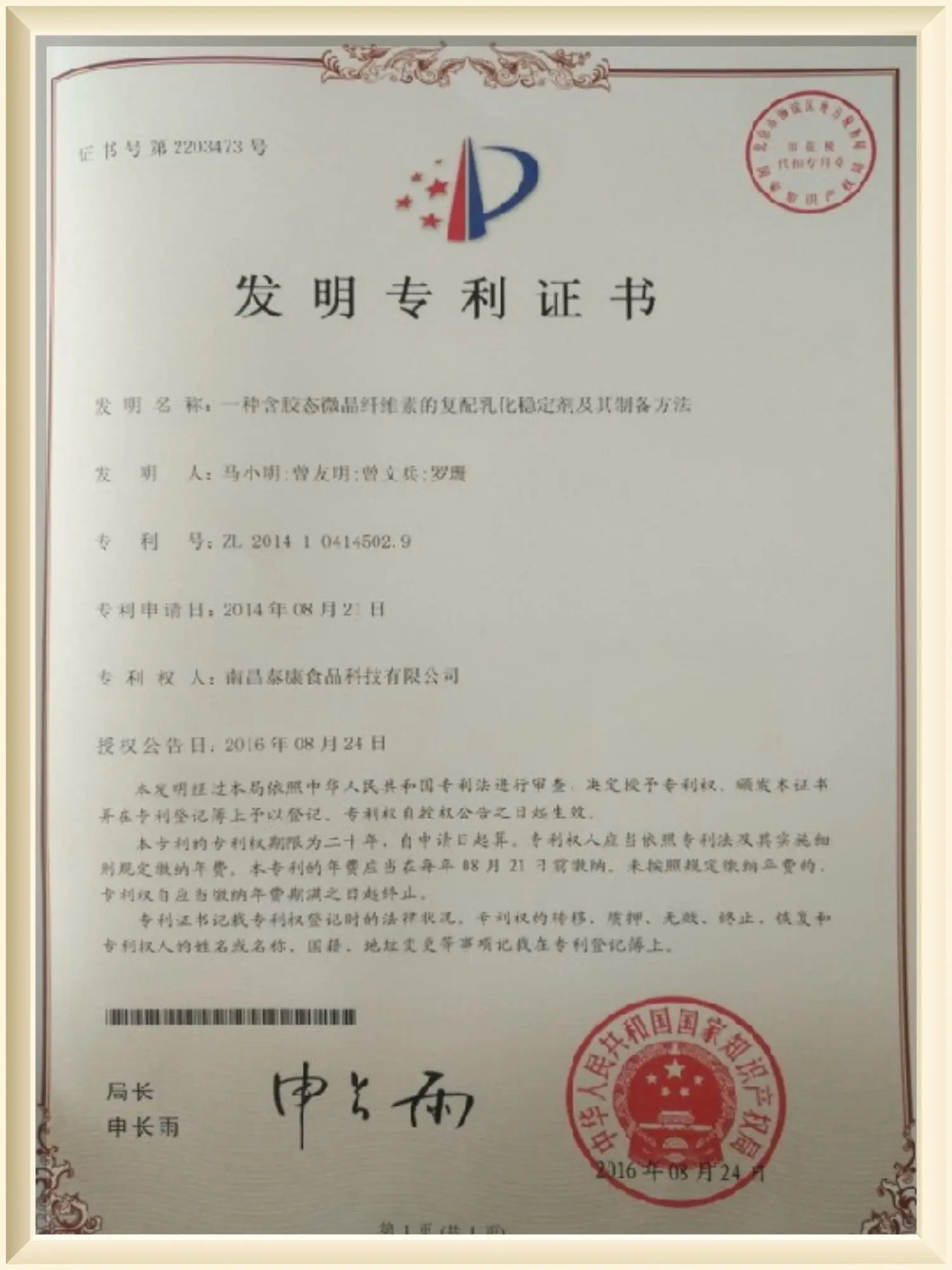
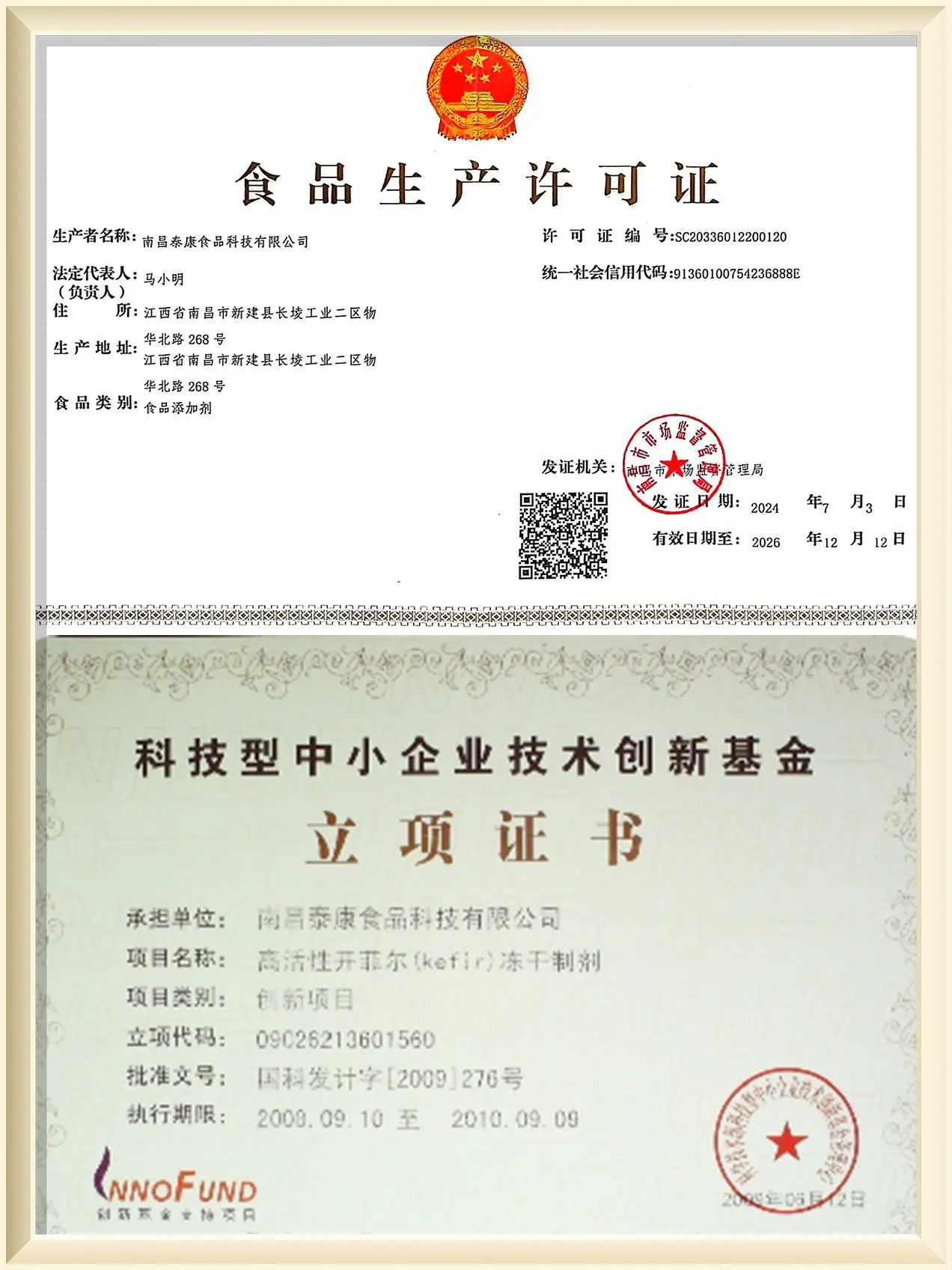
Located in the Changling Industrial Zone II, Nanchang City, Jiangxi Province, Nanchang Tellcan Food Science Co.,Ltd. is ranked among the "Top 100 Enterprises in China's Food Additives and Food Ingredients Industry."
With over 20 years of expertise, we specialize in the R&D, production, and sales of high-efficiency food additives. Our "Five-Star Service" philosophy ensures that we don't just sell products; we provide comprehensive technical solutions that resolve the most complex stability and preservation challenges for thousands of domestic and international enterprises.
The Strategic Advantage of Infrastructure, Innovation, and Integrated Supply Chains

Chinese factories utilize world-class fermentation facilities, allowing for the mass production of bio-preservatives like ε-polylysine at a cost-efficiency that makes "Natural" affordable for global exporters.

Supported by academic institutions, China's "Specialized and Innovative" enterprises develop composite preservatives that combine microbial inhibition with antioxidant properties for dual-action protection.

China Natural Preservatives for Fish exporters adhere to strict international standards (FDA, EFSA, Codex Alimentarius), ensuring seamless market entry into any continent.
Fish spoilage is primarily a microbiological process. Natural preservatives target the cell membranes of Gram-negative and Gram-positive bacteria. For instance, Nisin creates pores in the cytoplasmic membrane, leading to the leakage of intracellular components and subsequent cell death of pathogens like Listeria monocytogenes.
Seafood is rich in polyunsaturated fatty acids (PUFAs). Even under refrigeration, these fats oxidize, leading to "fishy" off-odors (TMA production). Our Composite Antioxidant Series, derived from tea polyphenols and bamboo leaf extracts, scavenges free radicals, maintaining the fresh "oceanic" aroma and pinkish hue of high-value fish like salmon and tuna.
Natural stabilizers prevent the denaturation of proteins during cold storage. By integrating Colloidal Microcrystalline Cellulose and specialized thickeners, we maintain the "bite" and moisture-holding capacity (MHC) of fish fillets, reducing "drip loss" during thawing.
ε-Polylysine: Broad-spectrum antimicrobial effective against Yeasts & Molds.
Lysozyme: Enzyme that degrades bacterial cell walls, sourced from egg whites.
Chitosan: Derived from shellfish, providing a protective edible coating.
Rosemary Extract: High-performance lipid stabilizer.
Strategic Insights for the Next Decade of Seafood Commerce
The move away from single-molecule preservatives to complex "Preservation Systems" that tackle bacteria, enzymes, and oxidation simultaneously.
Integrating natural antimicrobials directly into films and liners (Active Packaging) to provide a slow-release protective atmosphere.
Sourcing raw materials from side-stream upcycling (e.g., extracting antioxidants from agricultural by-products) to reduce carbon footprints.
Utilizing blockchain to prove the "Natural" origin of preservatives to meet EU and US regulatory scrutiny.
Challenge: Oxidation and moisture loss during 30-60 days of sea freight.
Solution: A dip-treatment using a composite of Sodium Erythorbate and ε-Polylysine to lock in color and inhibit psychrophilic bacteria.
Challenge: Short shelf life (3-5 days) and high risk of Listeria.
Solution: Surface spraying with Nisin and Lactic Acid bacteria fermentates to extend freshness to 10-12 days without chemical taste.
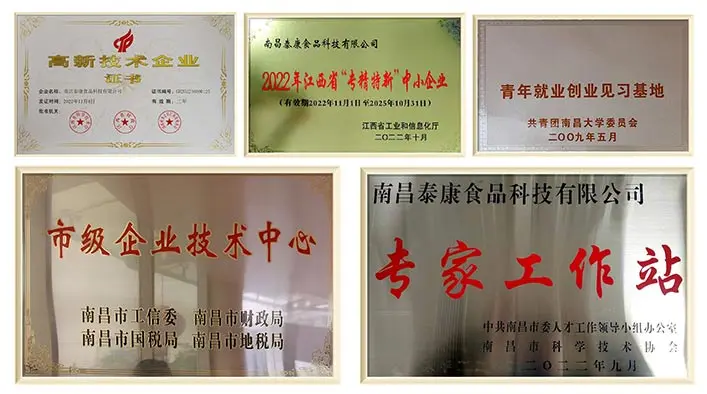
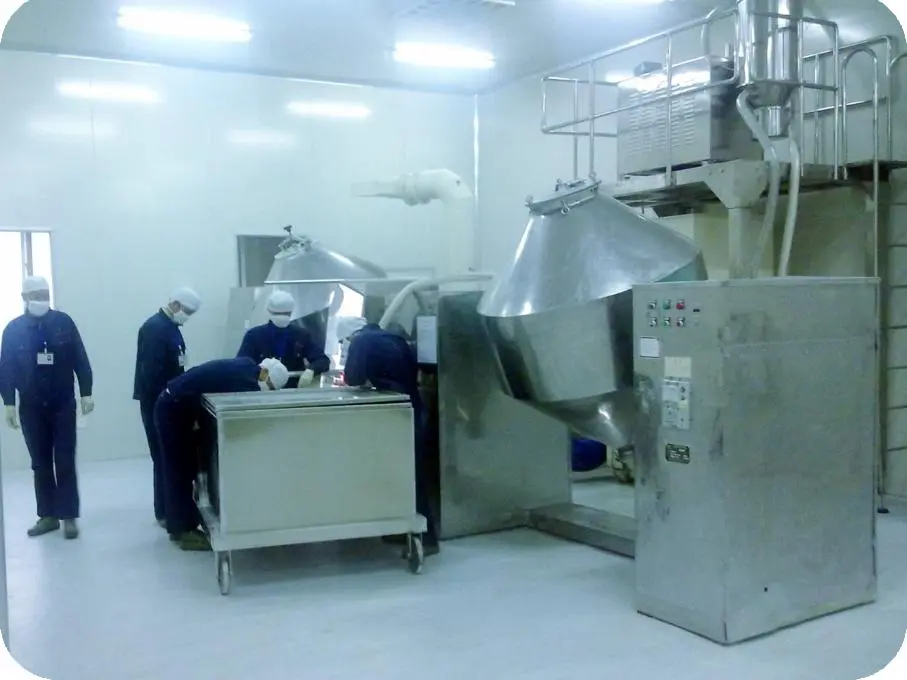
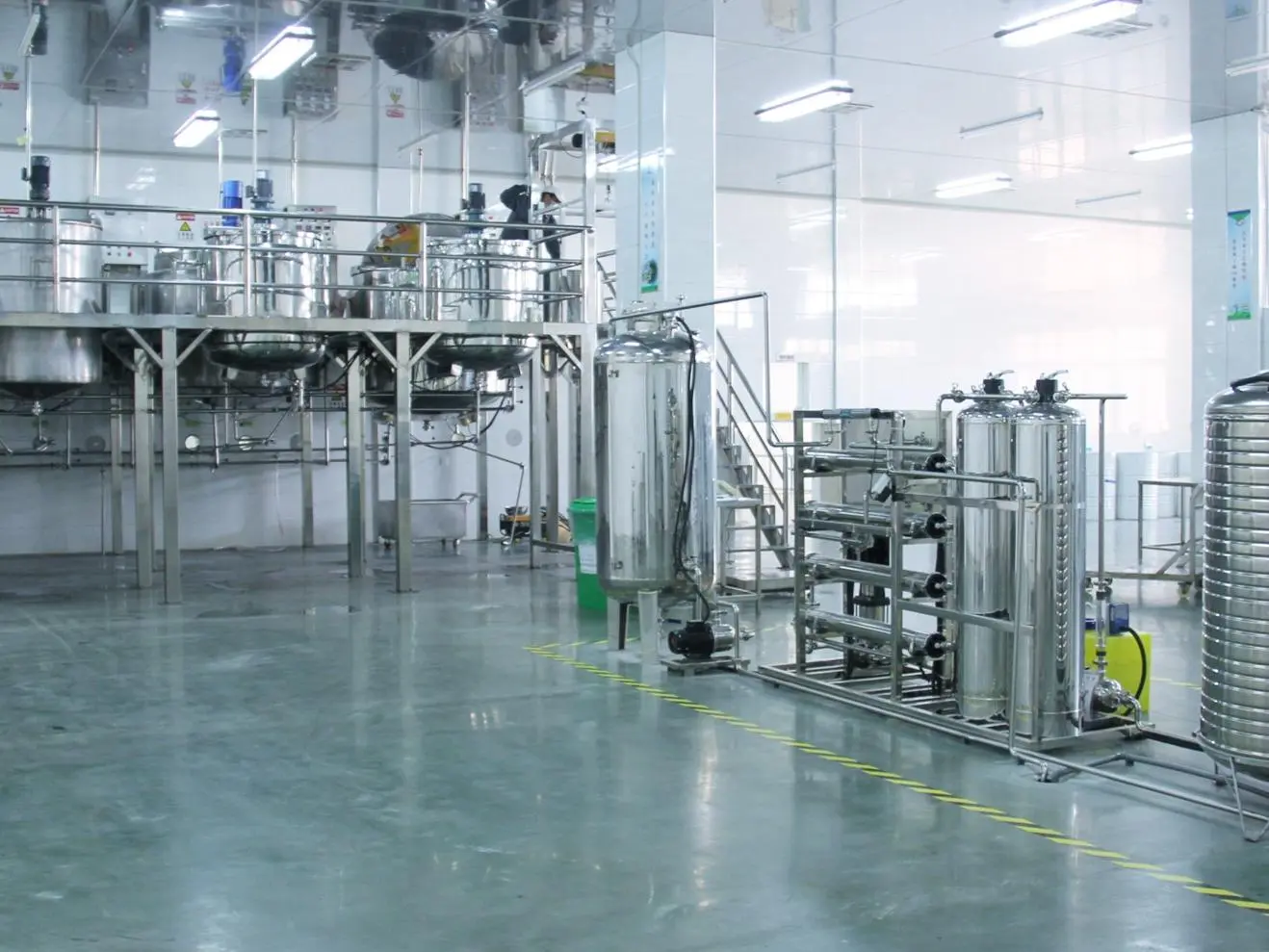
Supported by a robust technical team, Tellcan operates advanced pilot production lines, R&D laboratories, and quality control systems. Our facility includes:
Our superior quality has been verified by millions of commercial partners. We share insights via the "Taikang Technology Information Bulletin" and "Tellcan Technology Forum".
Expert Answers for Global Procurement Officers
Yes. Our bio-preservatives are derived from fermentation or plant extraction. They are often listed by their common names (e.g., Rosemary Extract, Nisin) which are recognized by consumers as safe and natural, unlike chemical sounding names like "Sodium Benzoate".
Our composite formulations are designed to be organoleptically neutral. Through our "Flavor Production Workshop" expertise, we ensure that the antimicrobial agents provide protection without introducing bitterness or off-flavors.
Depending on the fish species and storage conditions, our solutions typically extend shelf life by 40% to 150% compared to untreated controls, significantly reducing food waste for exporters.
Absolutely. We specialize in "Intelligent Customization". Whether you are processing oily mackerel, lean tilapia, or high-value crustaceans, we can adjust the antioxidant/antimicrobial ratio to suit the specific lipid and protein profile of your product.
Comprehensive Solutions for Food Industry Professionals
Validated by International Food Safety Authorities
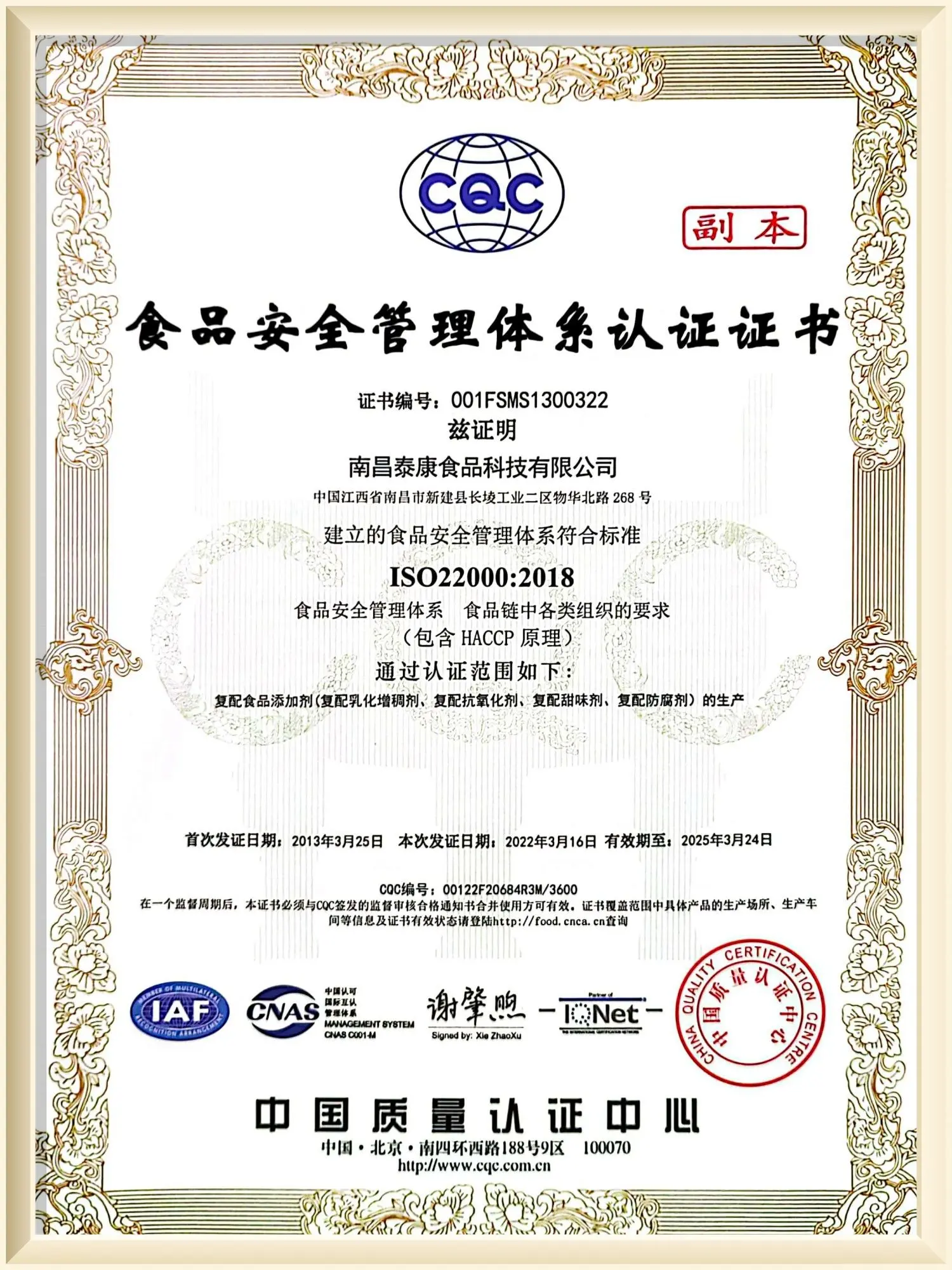
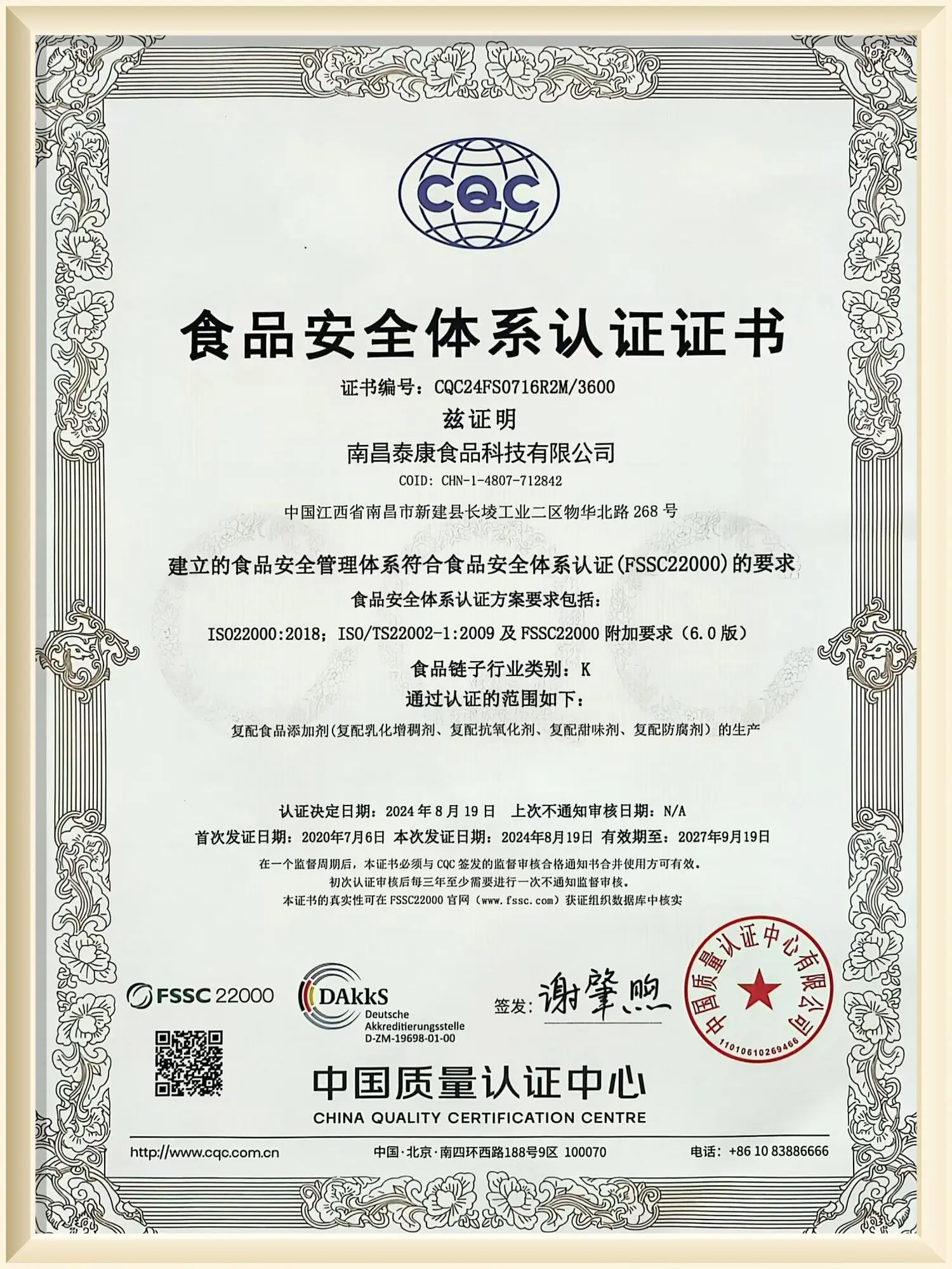
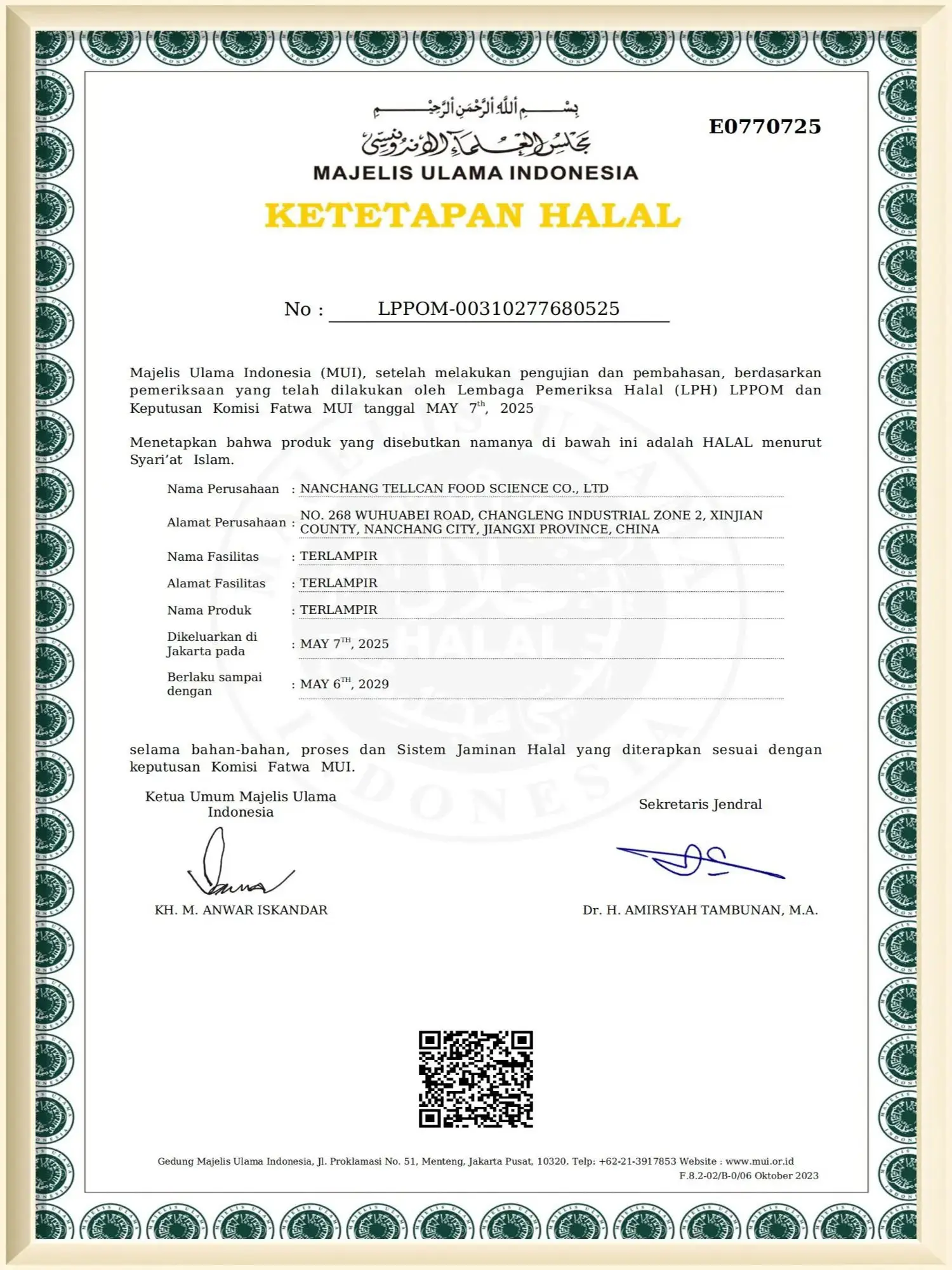
 Tellcan Food