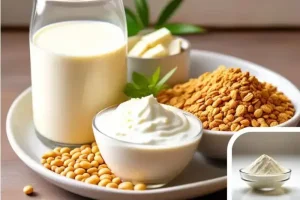
High-efficiency compounds designed to optimize mouthfeel, structure, and sensory longevity under strict thermal processing.
The food flavor and stabilizer market in Japan is governed by some of the most rigorous regulatory framework and sophisticated consumer preferences in the world. As the Japanese population shifts toward functional foods, healthy aging options, and clean-label dietary products, developers must navigate unique sensory formulation hurdles. In Japan, flavors are not merely additives; they must reflect authentic profiles, whether it is the delicate roundness of a Uji Matcha, the clean acidity of a lactic ferment, or the specific mouthfeel of premium Hokkaido milk.
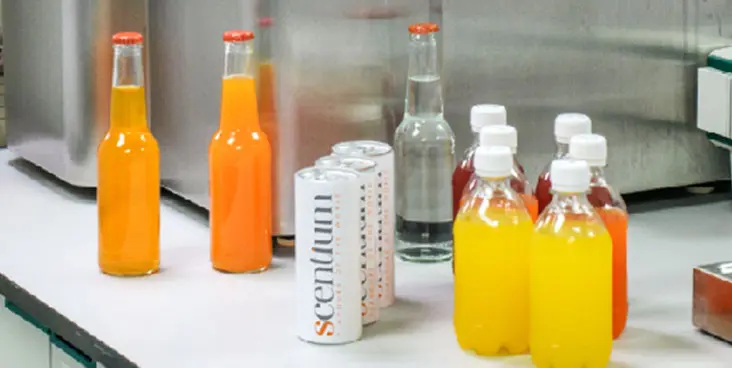
Furthermore, the Japanese Ministry of Health, Labour and Welfare (MHLW) strictly regulates synthetic food additives under the Food Sanitation Act. Importers and food product manufacturers require suppliers that guarantee ultra-trace contamination controls, complete ingredient transparency, and allergen management matrices. Clean label demands also mean that stabilizers must function at minimal usage levels while preventing syneresis and oil separation in demanding RTD (Ready-to-Drink) plant-based beverages and retort sterilizations.
Globally, the intersection of stabilizing systems and raw flavor delivery is critical. Flavors are highly volatile compounds prone to degradation during thermal processing, such as UHT (Ultra-High Temperature) sterilization and pasteurization. The integration of complex colloidal networks—using hydrocolloids like Microcrystalline Cellulose (MCC), Gellan Gum, and customized pectins—shields aromatic molecules. This synergistic effect ensures that the taste integrity of functional dairy, zero-sugar beverages, and protein-fortified plant-based milks remains intact over extended shelf lives.
In Japan specifically, the rapid growth of the "FOSHU" (Foods for Specified Health Uses) market has led to an increased use of dietary fibers and minerals, which often introduce undesirable chalky notes or graininess. Formulating a stabilizer system that can mask off-notes, maintain a smooth suspension, and protect key flavor profiles is the ultimate competitive advantage for local brands.
Why Japanese food brands benefit from China's consolidated raw material sourcing, automated blending, and swift R&D turnaround times.
China is a primary producer of critical raw materials including microcrystalline cellulose, agar, and sodium alginate. Direct, factory-level access mitigates upstream price volatility and secures material availability.
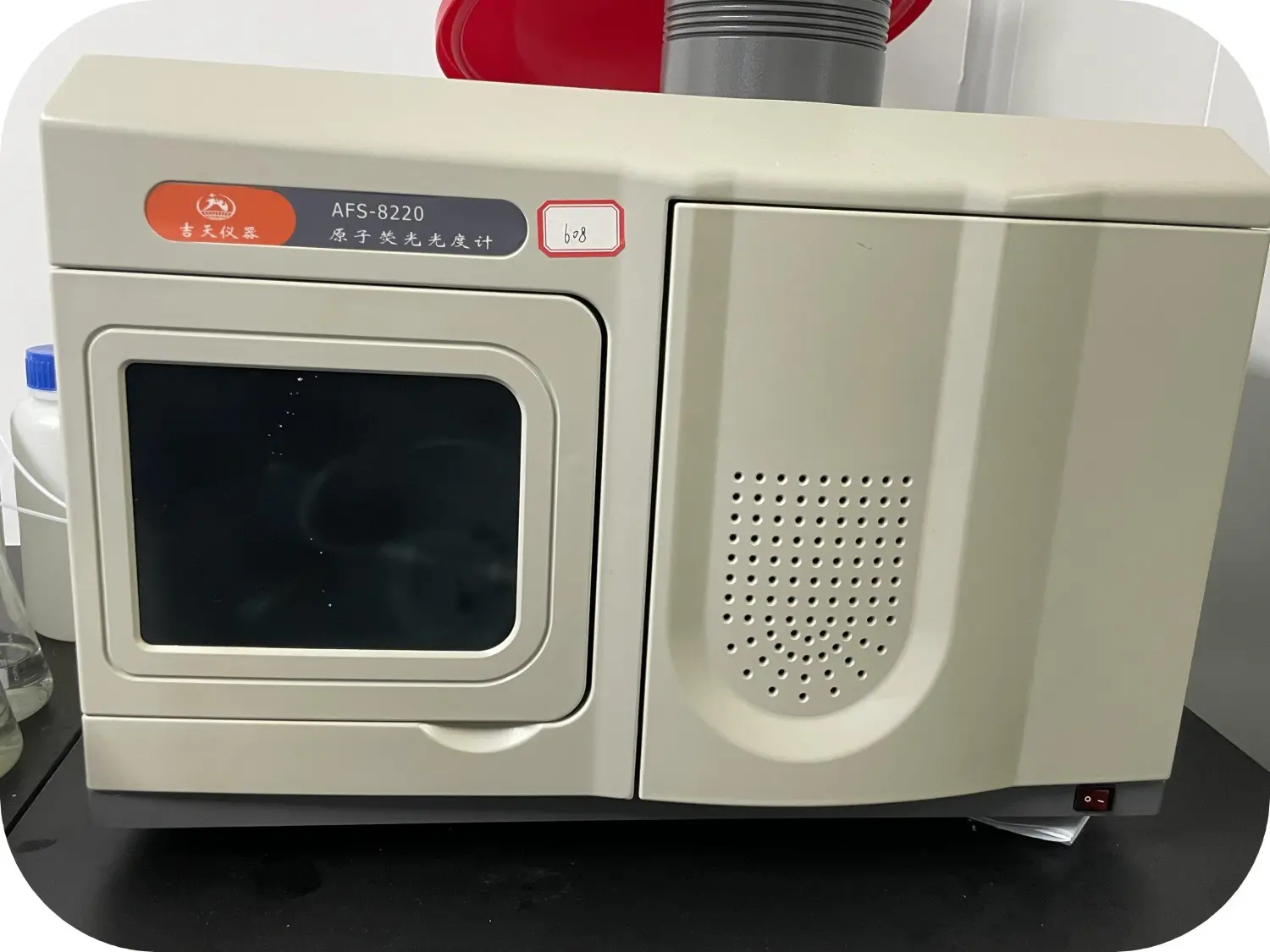
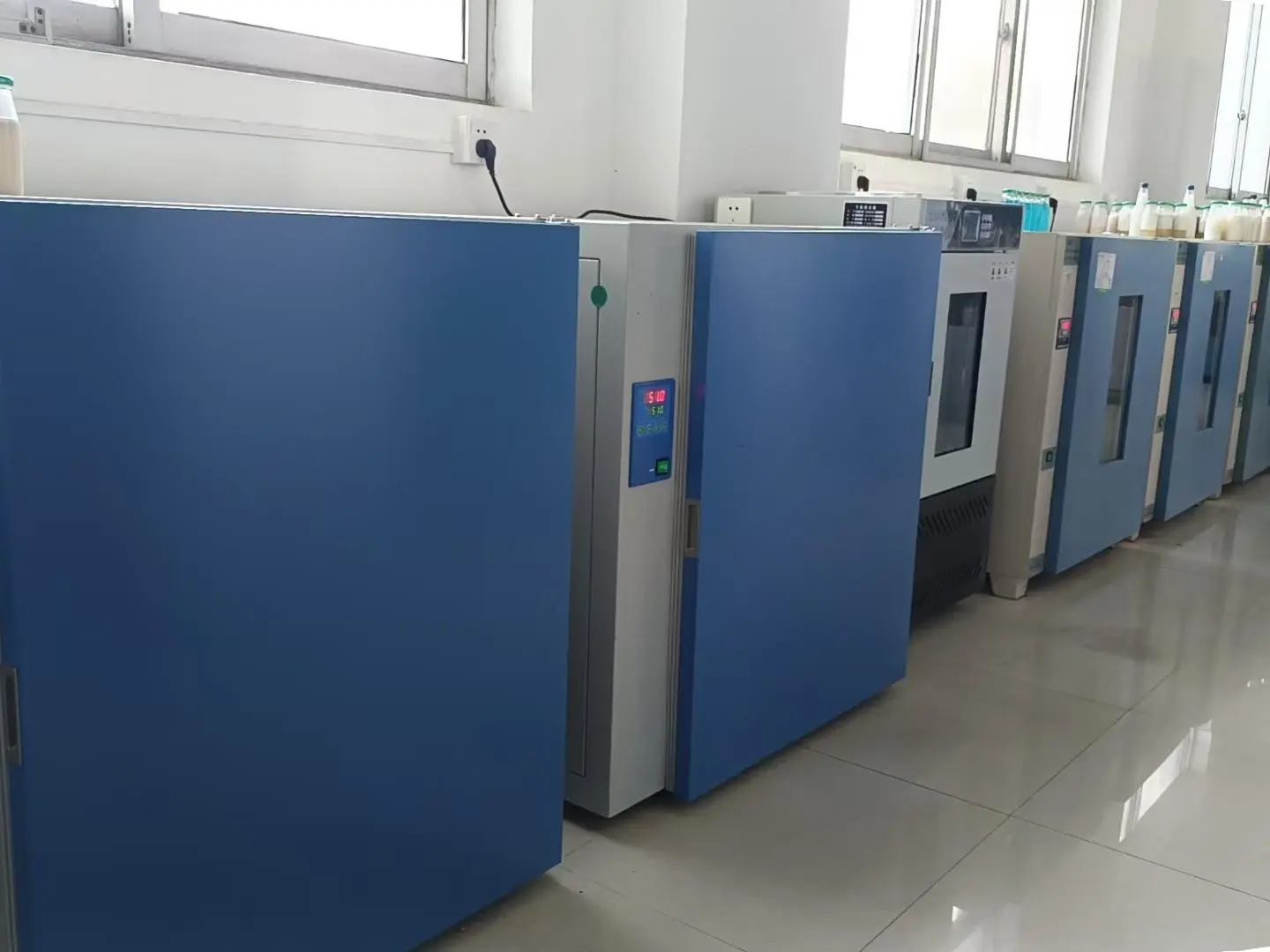
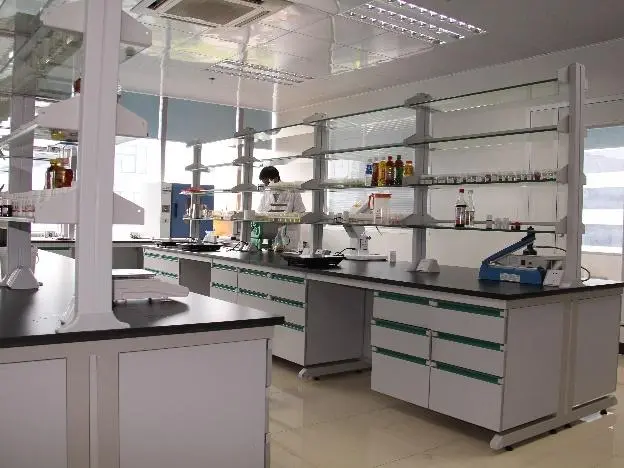
Equipped with state-of-the-art laboratory testing equipment, Tellcan can reformulate, compound, and simulate Japanese processing conditions within days, slashing product development cycles.
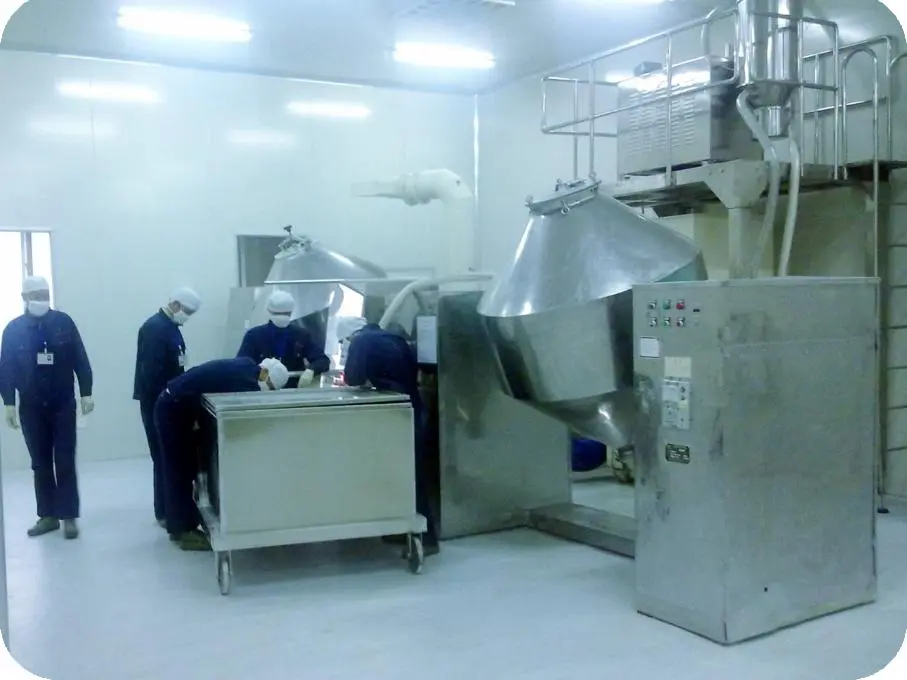
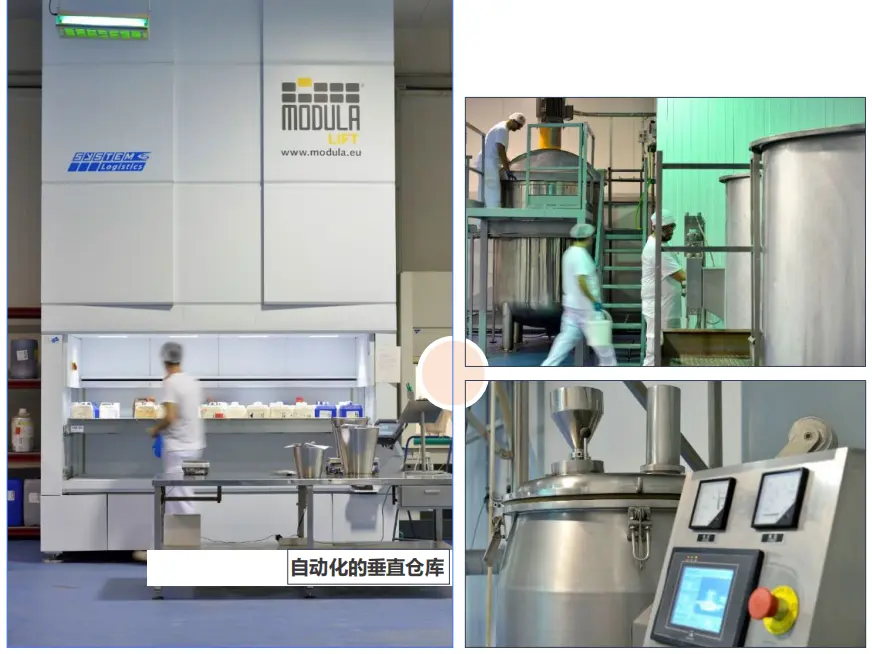
By blending high-volume composite sweeteners, stabilizers, and flavor systems under a single HACCP 22000 framework, production overhead is minimized without sacrificing premium quality controls.
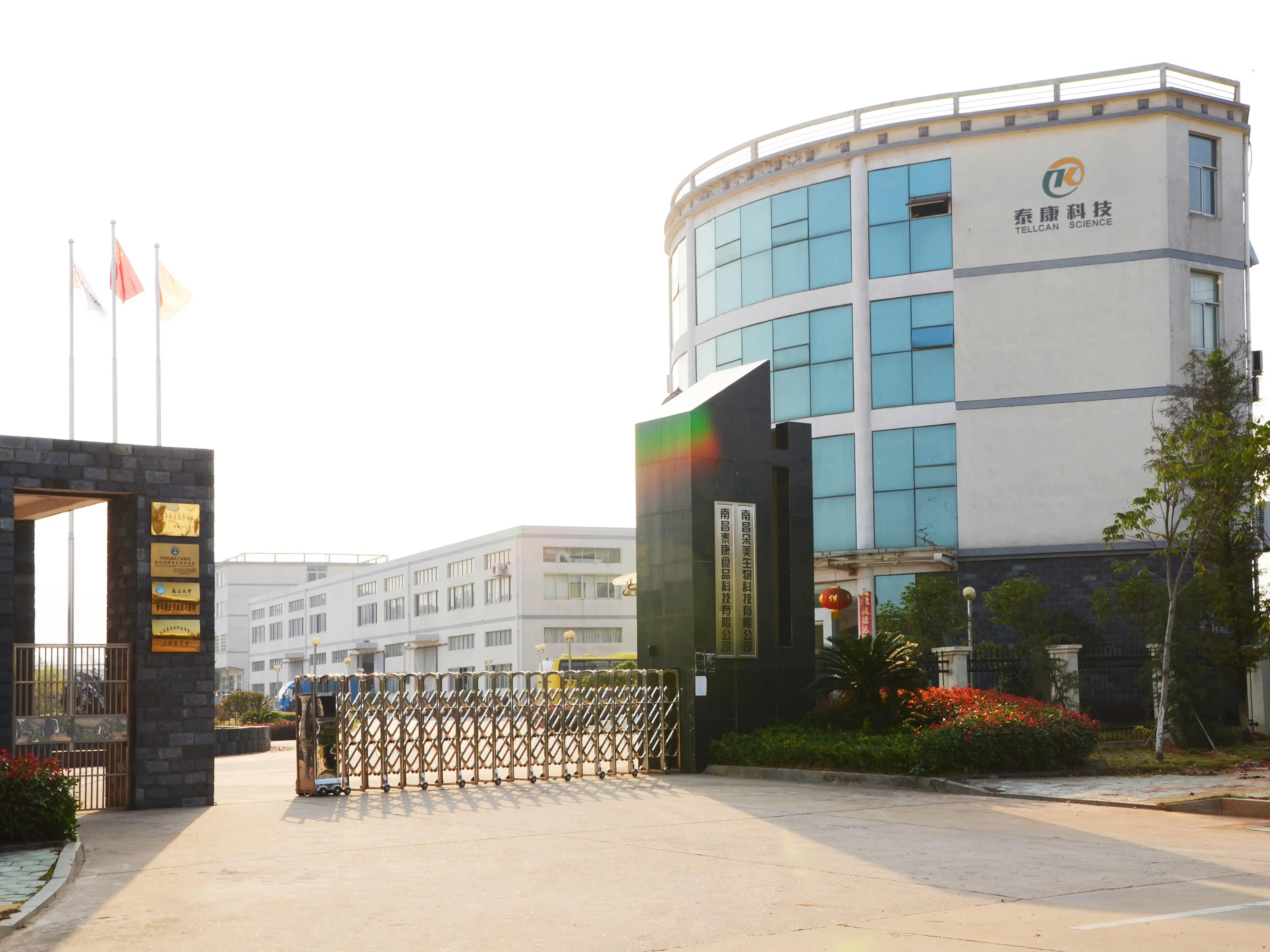
Located in the Changling Industrial Zone II, Nanchang City, Jiangxi Province, Tellcan Food Science is a recognized pioneer in stabilizing systems.
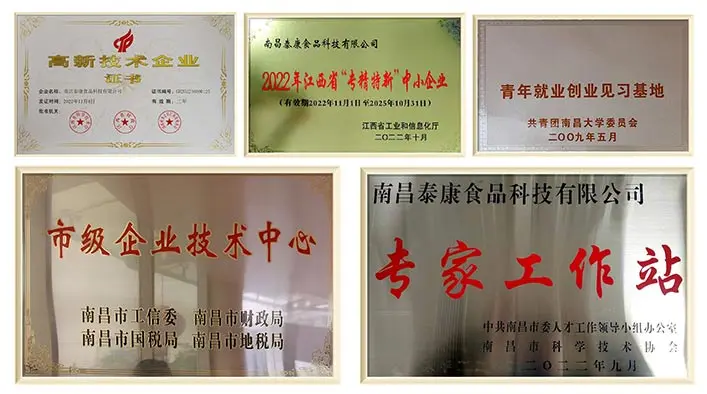
Ranked among the "Top 100 Enterprises in China's Food Additives and Food Ingredients Industry," Nanchang Tellcan Food Science Co., Ltd. specializes in the R&D, production, and sales of food additives, as well as research and development in information technology, food processing techniques, and the transfer of agricultural product deep-processing technologies. Adhering to the principle of "people-oriented, technology-driven," Tellcan provides optimal solutions to clients with unparalleled efficiency.
Our expert workstations and municipal technology centers develop high-performing systems for beverages, jellies, dairy, and functional foods. All Tellcan products are formulated with globally sourced premium raw materials, scientifically compounded, and meticulously crafted. Their superior quality has been verified by millions of commercial partners nationwide.
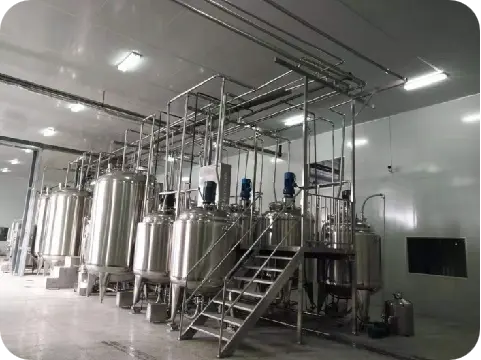
We operate advanced pilot production lines, application labs, and stability testing centers to simulate commercial factory conditions.
Technical compliance, regulatory alignment, and processing stability considerations for Japanese food developers.
Select from our field-tested systems optimized for acidic dairy, plant proteins, dessert gels, and high-stability flavors.
Whether you are reformulating an existing RTD beverage line or developing a clean-label functional yogurt for the Japanese consumer market, Tellcan provides the technical precision your team deserves.
Send Inquiry Now Tellcan Food