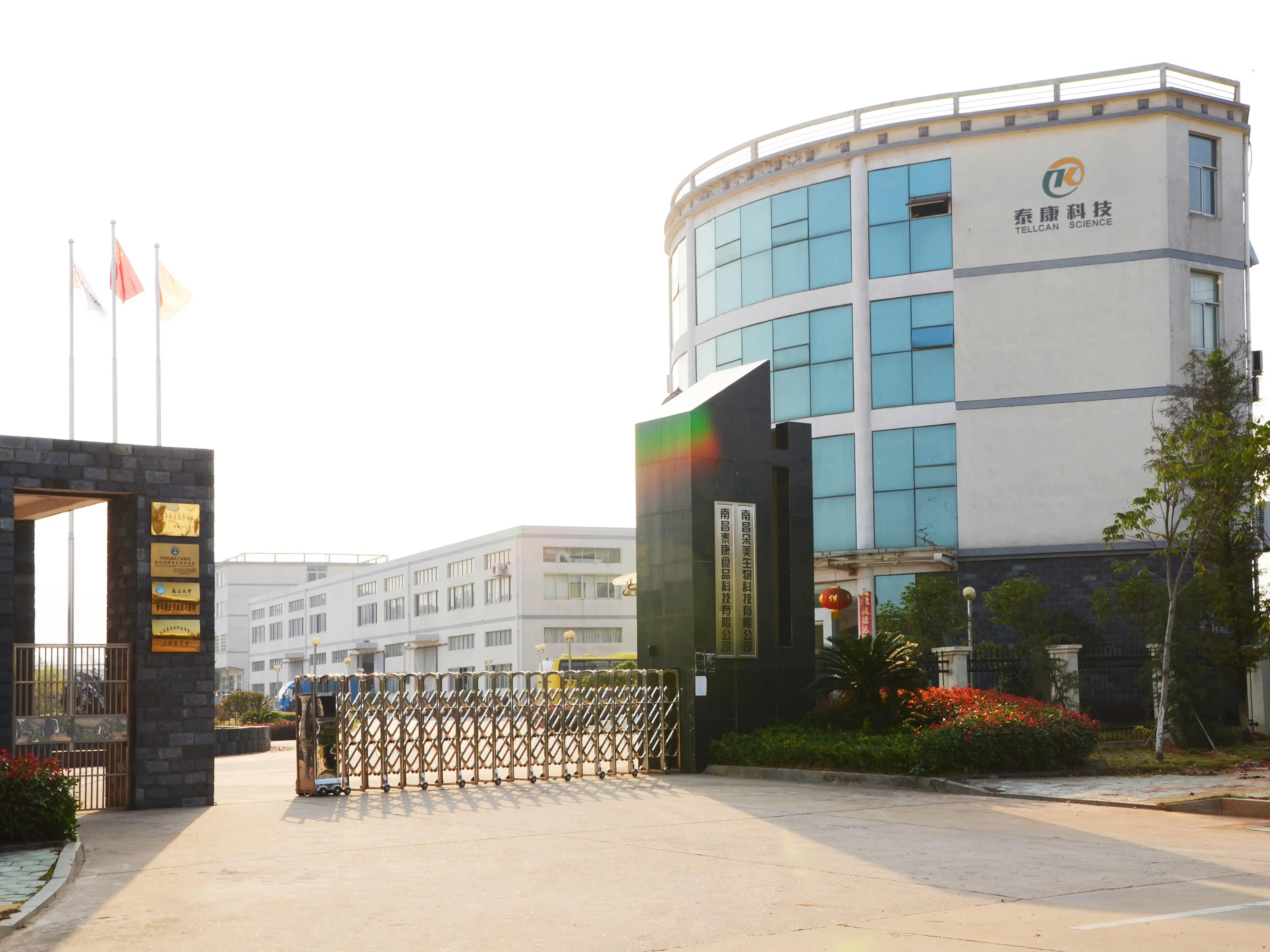
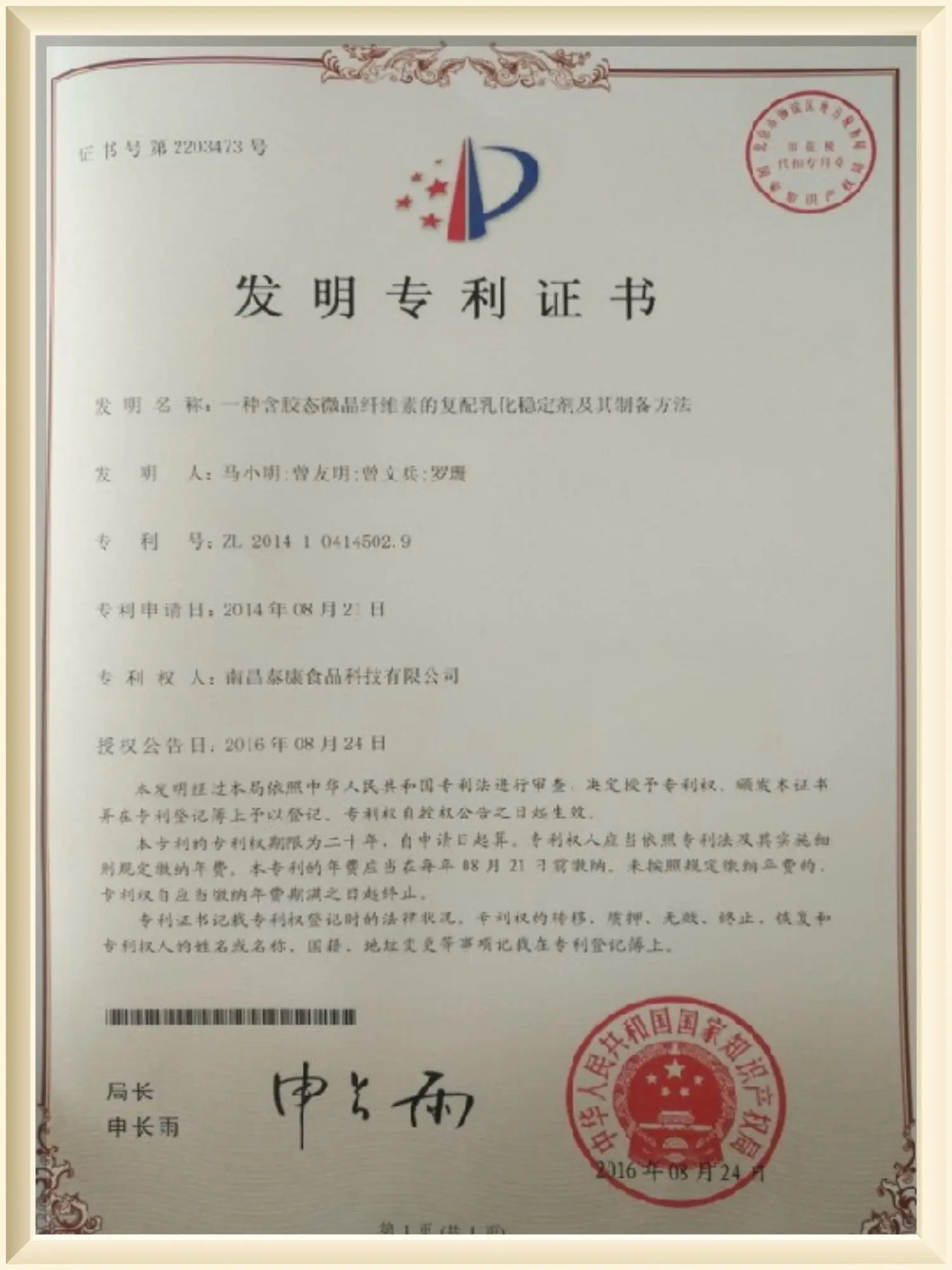
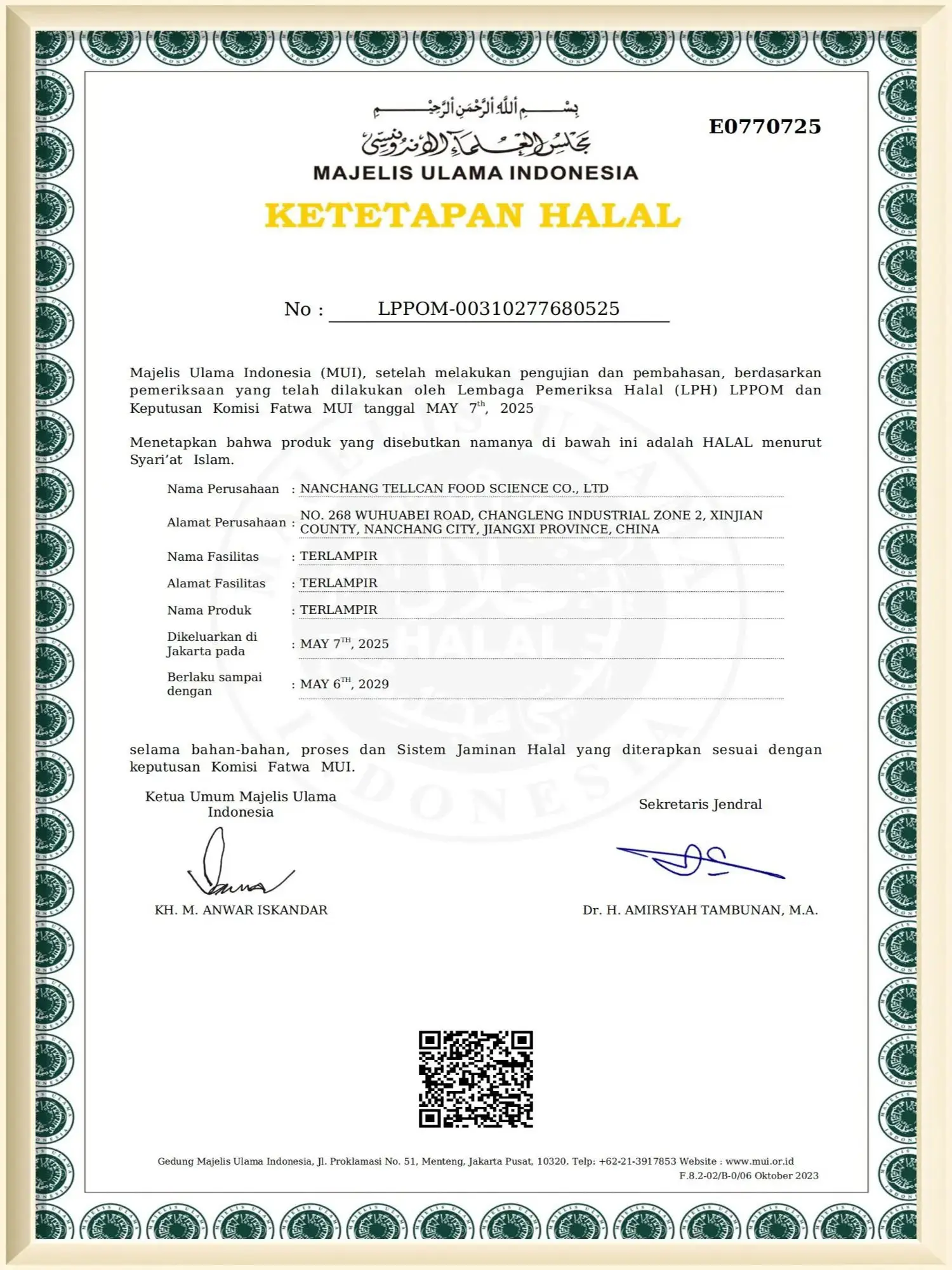
Located in the Changling Industrial Zone II, Nanchang City, Jiangxi Province, Nanchang Tellcan Food Science Co.,Ltd. is ranked among the "Top 100 Enterprises in China's Food Additives and Food Ingredients Industry." The company specializes in the R&D, production, and sales of food additives, as well as research and development in information technology, food processing techniques, and the transfer of agricultural product deep-processing technologies.
Adhering to the principle of "people-oriented, technology-driven," Tellcan provides optimal solutions to clients with unparalleled efficiency. With 20 years of production experience, we have mastered the art of biological preservation through ε-Polylysine and other advanced compound systems.
ε-Polylysine (epsilon-poly-L-lysine) is a natural antimicrobial produced from the fermentation of Streptomyces albulus. Unlike traditional chemical preservatives such as Sodium Benzoate or Potassium Sorbate, Polylysine offers a "clean-label" alternative that resonates with the modern health-conscious consumer. Globally, the food preservation market is witnessing a tectonic shift toward biological solutions due to increasing regulatory scrutiny on synthetic additives and a growing demand for minimally processed foods.
The primary advantage of ε-Polylysine lies in its broad-spectrum antimicrobial activity. It works by adsorbing onto the cell membranes of bacteria, leading to a disruption of the membrane structure and subsequent leakage of intracellular components. It is highly effective against Gram-positive and Gram-negative bacteria, yeasts, and molds. For global food exporters, Polylysine provides a robust defense mechanism that remains stable under high temperatures (autoclavable up to 121°C) and across a wide pH range (2.0–9.0).
As a leading OEM Polylysine manufacturer, China leverages massive economies of scale and highly optimized fermentation technologies. Chinese factories, such as Nanchang Tellcan, have integrated advanced purification systems that ensure high-purity Polylysine (over 95% or 98% assays) at a fraction of the cost compared to Japanese or European competitors. This efficiency enables global food brands to maintain competitive pricing while upgrading their ingredient profiles.
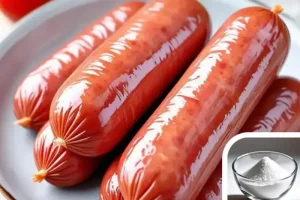
In the North American market, Polylysine is widely used in the "Ready-to-Eat" (RTE) meat sector to combat Listeria. In Southeast Asia, it is the preferred choice for extending the shelf life of high-moisture noodles and rice products. For our European partners, Polylysine is frequently formulated into dairy products and dressings where natural preservation is a prerequisite for premium positioning.
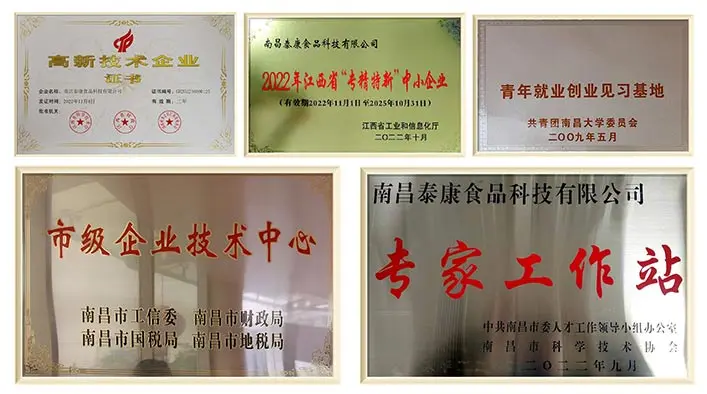
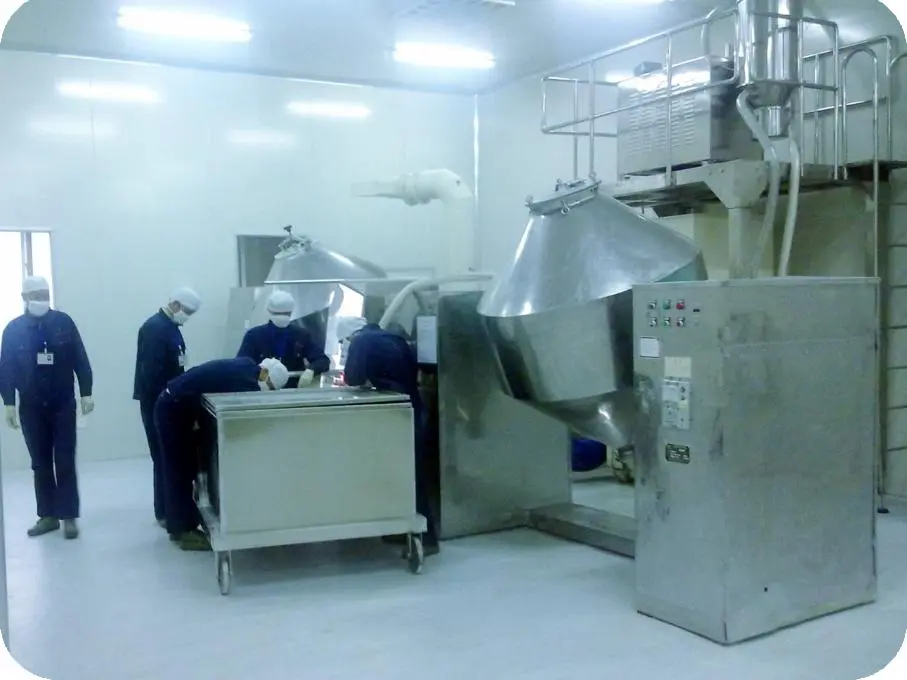
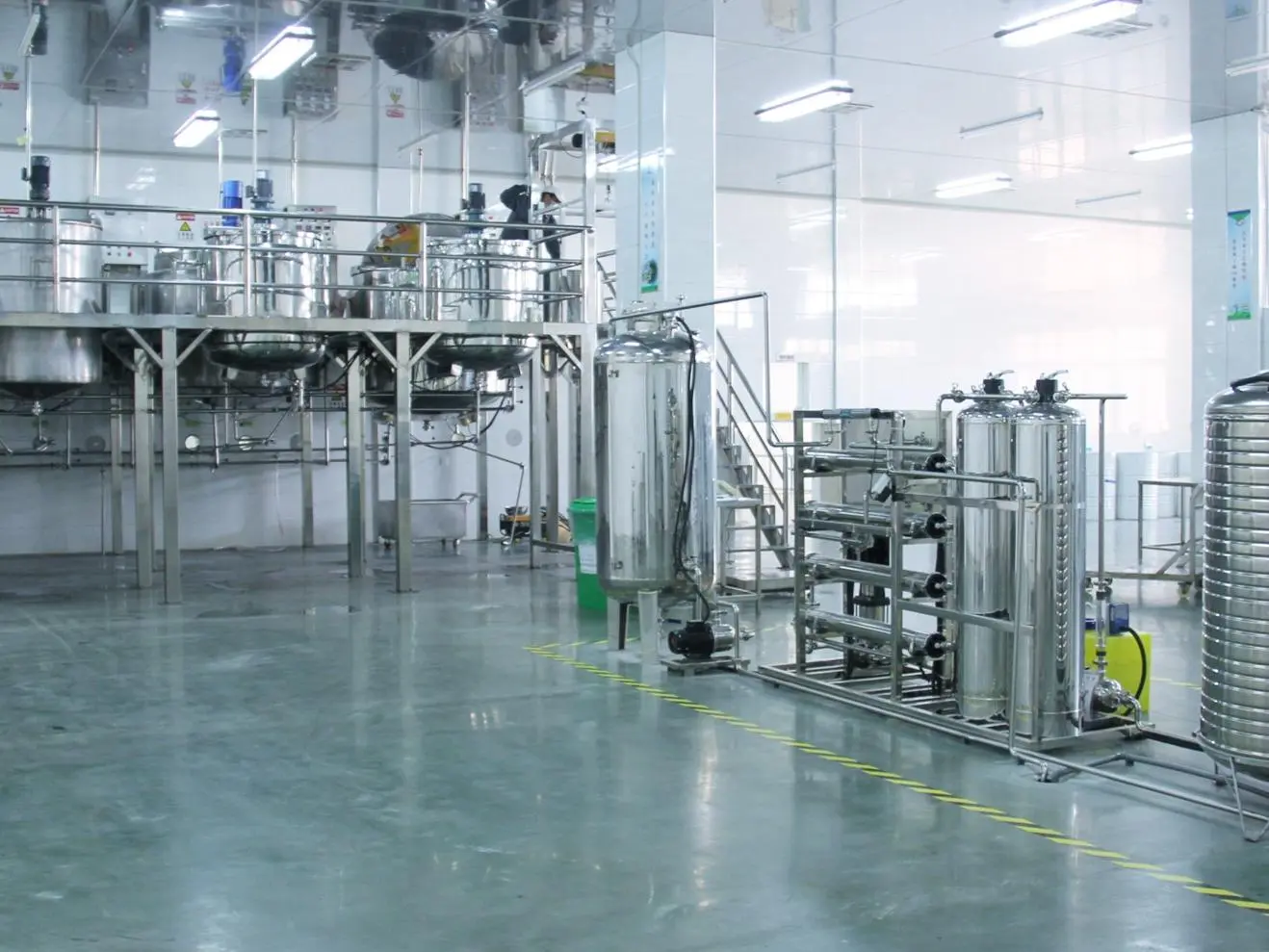
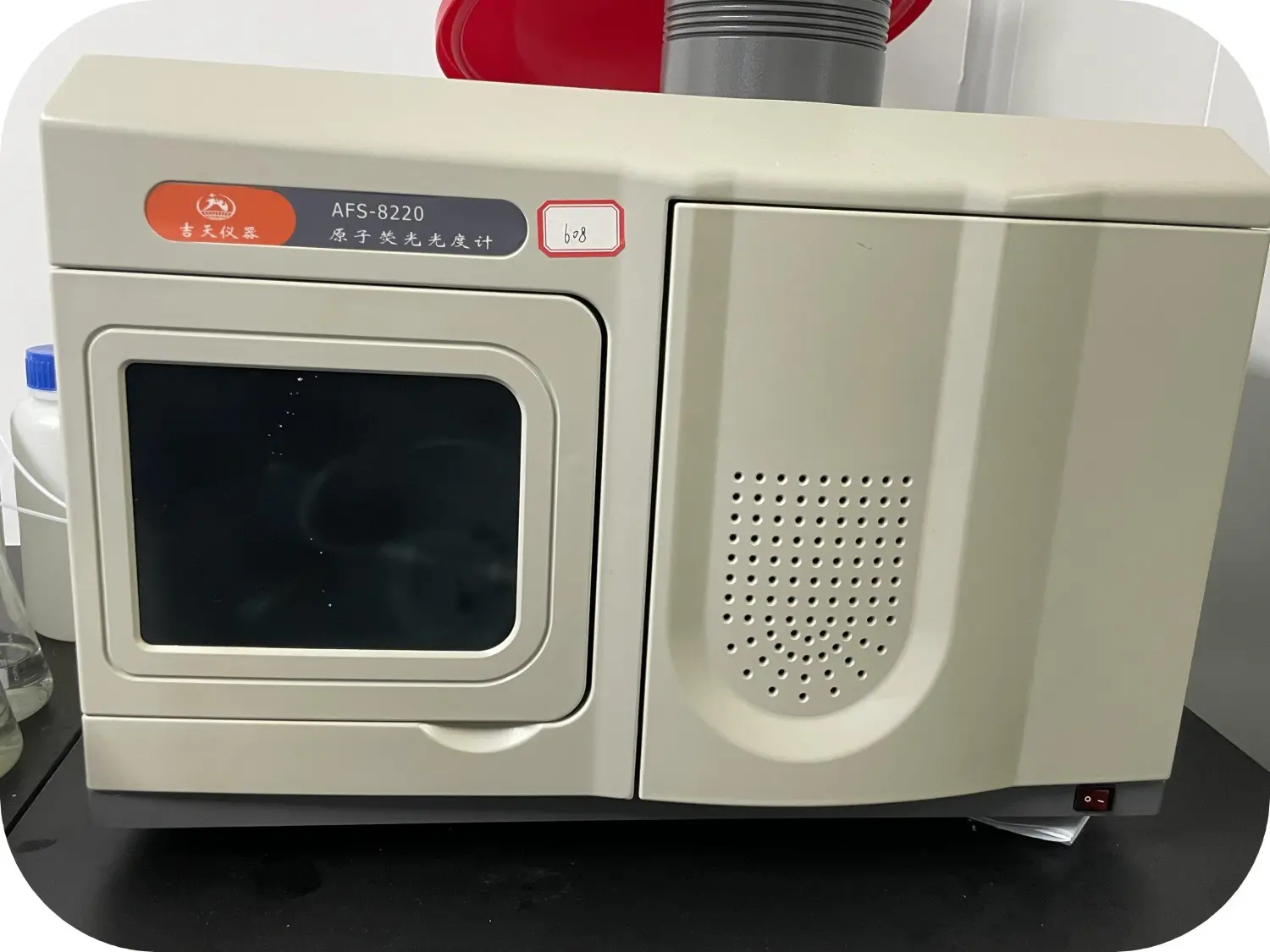
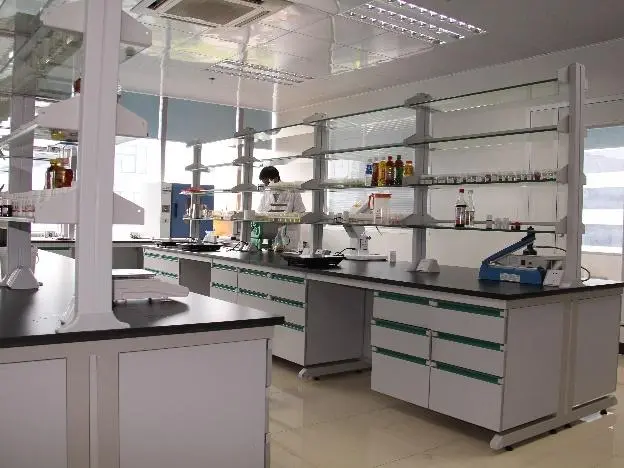
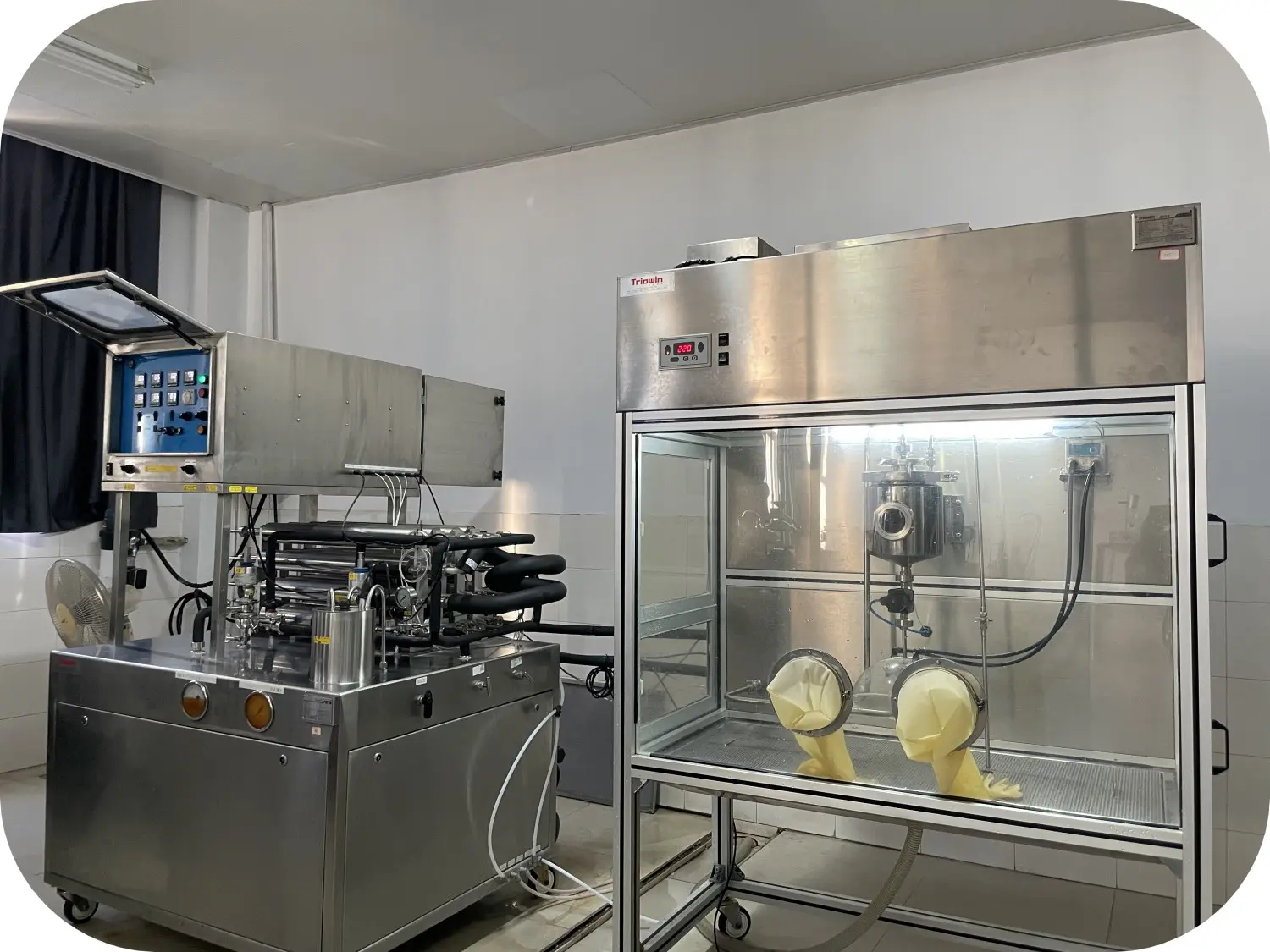
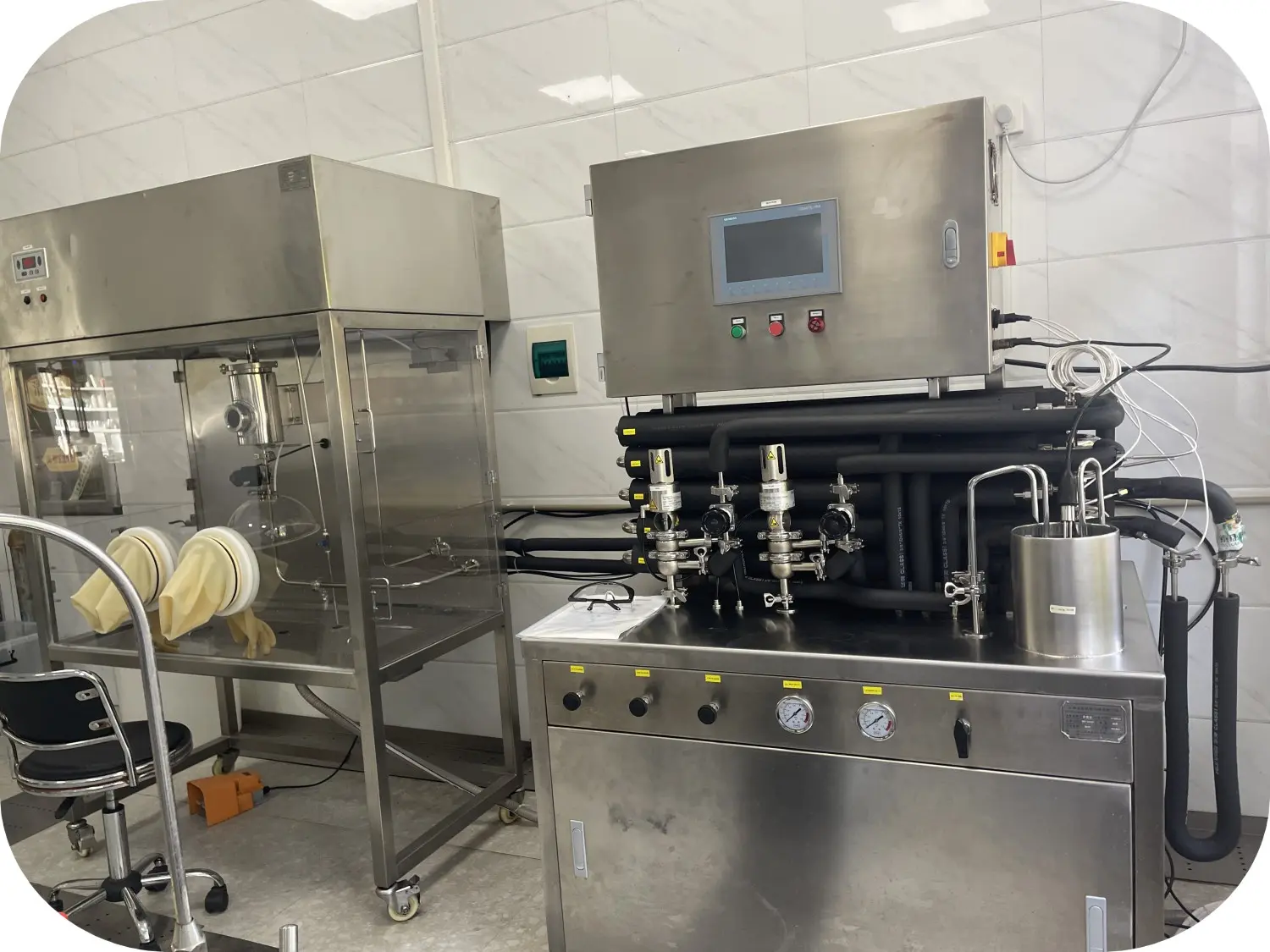
Supported by a robust technical team, Tellcan operates advanced pilot production lines, R&D laboratories, and quality control systems. We maintain the HACCP 22000 Food Safety Management System to ensure every batch meets global export standards.
The industry is moving toward "hurdle technology," where Polylysine is combined with Nisin, Natamycin, or organic acids to create a multi-layered barrier against spoilage, reducing the total dosage required.
Global enterprises now demand full traceability. Tellcan integrates digital batch tracking and real-time stability testing reports to satisfy the transparent supply chain requirements of Fortune 500 food companies.
Our fermentation process utilizes renewable agricultural substrates, minimizing the carbon footprint compared to traditional chemical synthesis, aligning with global ESG goals.

Intelligent Customization & Beverage System Solutions

Composite Antioxidant Series

Composite Sweetener Series
Composite Preservative Series
Acidic Dairy Beverage Stabilizer Systems

Jelly & Pudding Stabilizer Systems
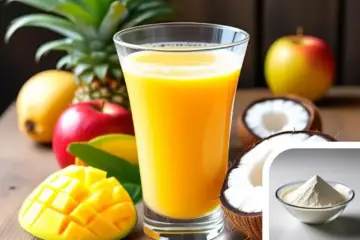
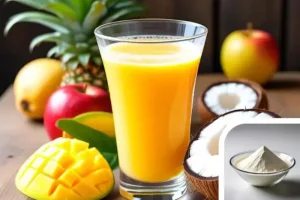
Fruit-Vegetable Juice Beverage Stabilizer Systems

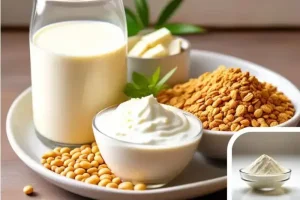
Neutral Dairy Beverage Stabilizer Systems
 Tellcan Food