Explore our premium grade dairy, jelly, and microcrystalline cellulose compounds optimized for texture enhancement and sensory consistency.
In the modern food processing arena, texture and stability are no longer secondary performance attributes; they are primary indicators of food quality and shelf-life compliance. Tapioca-based stabilizer systems have emerged as critical ingredients for achieving clean-label classification, satisfying vegetarian, non-GMO, and allergen-free criteria while delivering exceptional rheological properties.
Historically, synthetic thickeners and animal-based gelatin dominated high-viscosity applications. However, the global shift toward plant-based diets, coupled with strict regulatory scrutiny by the EFSA (European Food Safety Authority) and FDA (Food and Drug Administration), has accelerated the industrial adoption of native and modified tapioca starches. Extracted from the cassava root (Manihot esculenta), tapioca-based hydrocolloids provide a unique, neutral flavor profile that does not interfere with delicate taste systems in dairy and beverage formulations.
As globally integrated manufacturers, modern China-based factories leverage cutting-edge physical modification technologies—such as pre-gelatinization, dry heat treatment, and specialized compounding with synergistic gums like microcrystalline cellulose (MCC) and pectin. This enables the formulation of stabilizers that show high resistance to shear thinning, superior water-binding capacity, and long-term suspension stability in liquid systems.
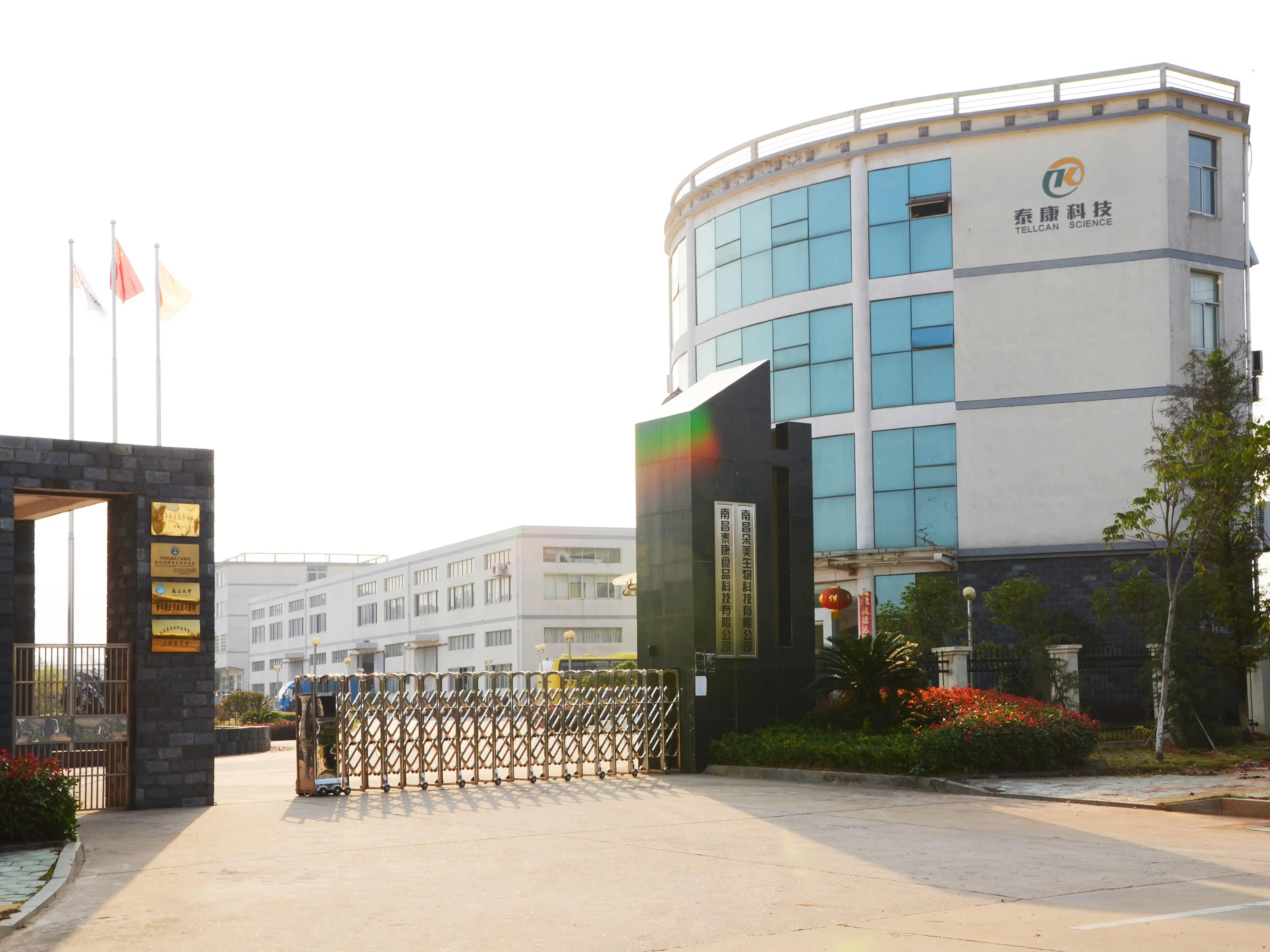
Located in the Changling Industrial Zone II, Nanchang City, Jiangxi Province, Nanchang Tellcan Food Science Co., Ltd. stands as an industry leader. Recognized as one of the "Top 100 Enterprises in China's Food Additives and Food Ingredients Industry," Tellcan is a fully integrated pioneer in the R&D, production, and distribution of premium food stabilizer systems.
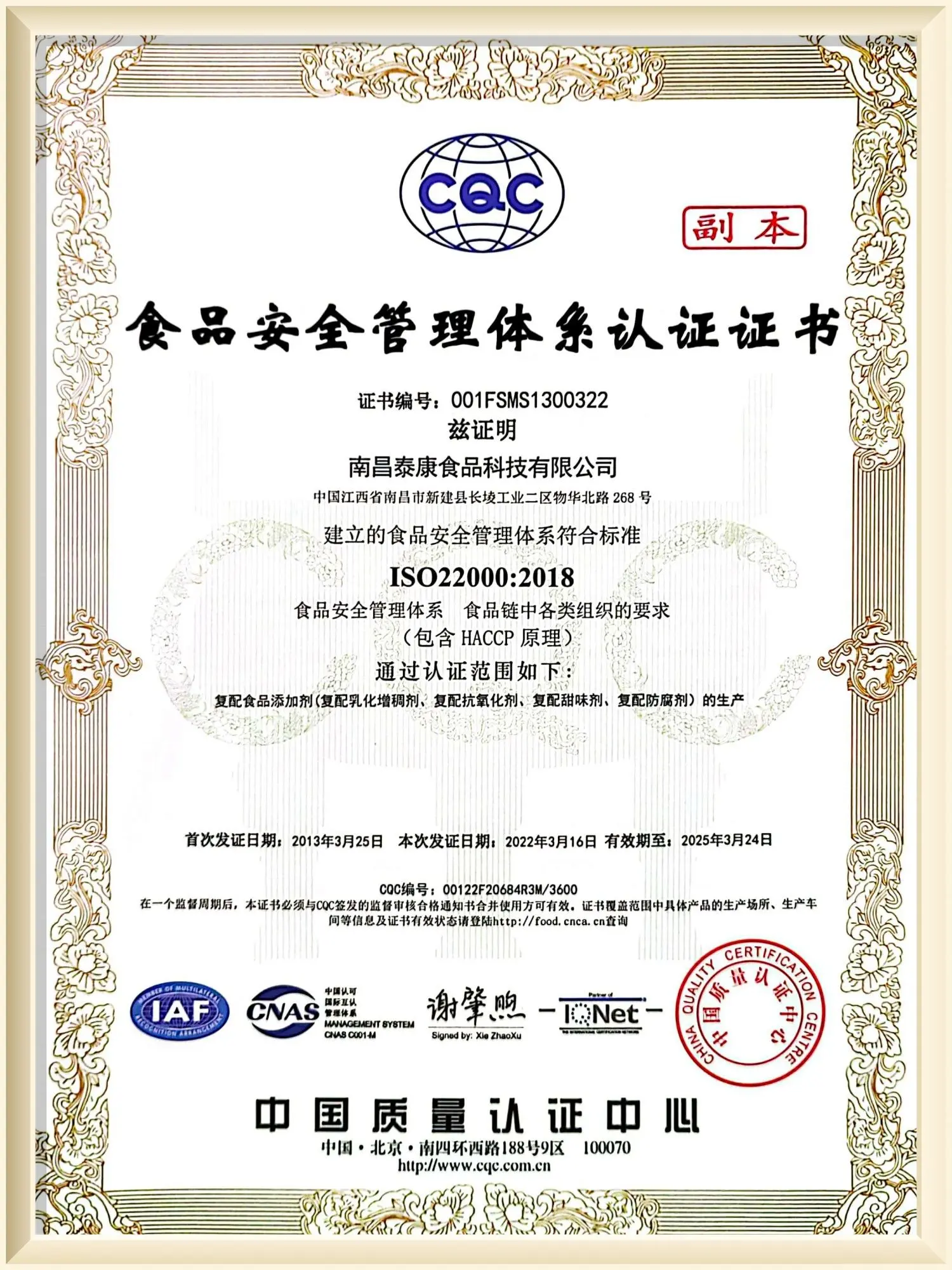
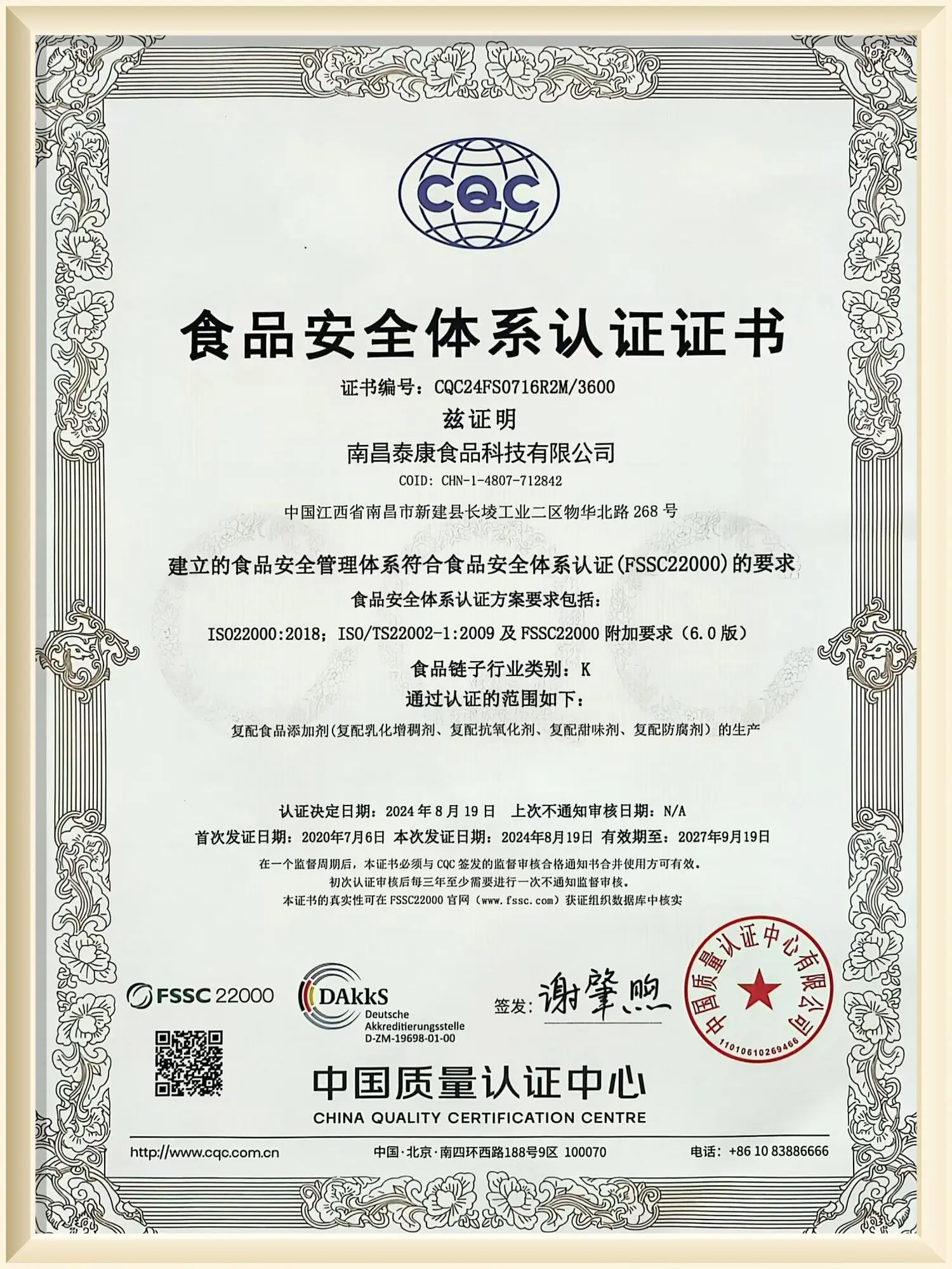
Adhering to our core principle of "people-oriented, technology-driven," we specialize in developing compound additives, monomer ingredients, and customized agricultural processing solutions. Supported by a robust technical team, Tellcan operates advanced pilot production lines, state-of-the-art analytical R&D laboratories, and rigorous quality control units. We have implemented and actively maintain the HACCP 22000 Food Safety Management System, securing reliable food-grade safety certifications for global markets.
Over the last two decades, Tellcan has developed its "Five-Star Service" philosophy, resolving technical shelf-stability and sensory defects for thousands of enterprises. Our research output regularly informs the industry through authoritative publications, including:
In the highly competitive global B2B supply chain, reliability of raw material supply, price stability, and batch-to-batch consistency are non-negotiable. Chinese manufacturers have made the transition from traditional processing to Factory 4.0 automation architectures. For global procurement directors, this translates directly to reduced risk, verified compliance, and enhanced cost efficiency.
At Tellcan, our production processes utilize advanced distributed control systems (DCS) for the precise batching of complex stabilizer hydrocolloids. Whether blending Microcrystalline Cellulose (MCC) or compounding modified tapioca bases with emulsifiers, the automated dry-mixing and wet-spray processes minimize human error, ensuring consistent viscosities and hydration rates across production runs.
| Technical Parameter | Traditional Tapioca Blending | Tellcan Factory 4.0 Compounded Stabilizers | Client Benefit / Value Proposition |
|---|---|---|---|
| Batch-to-Batch Viscosity Deviation | ± 15% to 20% | < ± 5% (Precision Rheology Tuning) | Consistent filling line speeds, zero clogging |
| Hydration Rate & Solubility | Requires high temperature & long hydration times | Cold-water swelling / Fast dispersion styles available | Reduced energy consumption and processing cycle times |
| Retrogradation Index (Syneresis) | High water separation during freeze-thaw cycles | Near-zero water loss over 12-month shelf life | Extended product life under complex transport chains |
| Purity & Foreign Material Screening | Manual magnetic separation and optical sorting | Multi-stage automatic metal detection, X-Ray, optical sorting | Uncompromising food safety & absolute compliance |
This structural resilience allows us to buffer raw material pricing volatility. Through strong supply chains and local agricultural integrations, we guarantee stable price structures and continuous deliveries even during global logistic shifts.
Interact with our production lines, clean rooms, and quality control departments through our immersive digital showroom.
Different markets present distinct formulation challenges. Our research scientists design target stabilizer systems tuned to specific application conditions.
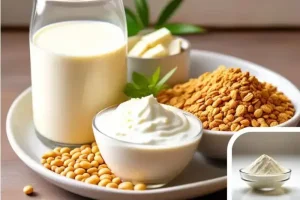
In acidic environments, milk proteins (casein) reach their isoelectric point and tend to aggregate, leading to precipitation. Our specialized tapioca-based stabilizers, combined with high-performance Microcrystalline Cellulose (MCC), wrap around protein molecules. This provides steric hindrance and electrostatic repulsion, maintaining a stable suspension over a 12-month shelf life.
Achieving a elastic, transparent texture without losing water (syneresis) is critical for jelly. Our Jelly & Pudding Stabilizer Systems utilize modified tapioca polymers to form a flexible, thermoreversible gel network that yields a clean flavor release, pleasant mouthfeel, and excellent thermal stability during hot-fill procedures.
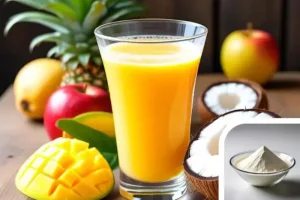
Keeping heavy pulp particles or insoluble calcium minerals suspended in low-viscosity juices requires a pseudoplastic fluid behavior. Our Fruit-Vegetable Juice Beverage Stabilizers create a weak gel network under static conditions, keeping particles suspended, while exhibiting shear-thinning properties during drinking for a refreshing mouthfeel.
A closer look inside Nanchang Tellcan's advanced workshops, analytics lab, certifications, and high-performance equipment.
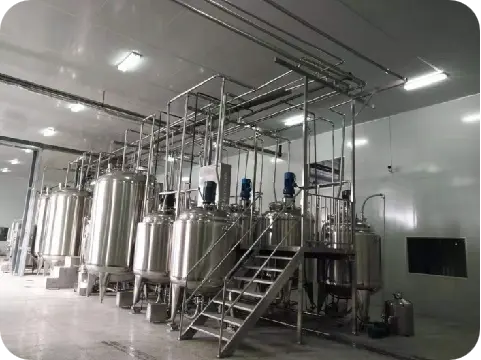
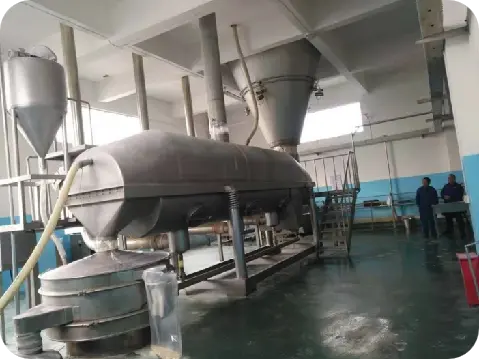
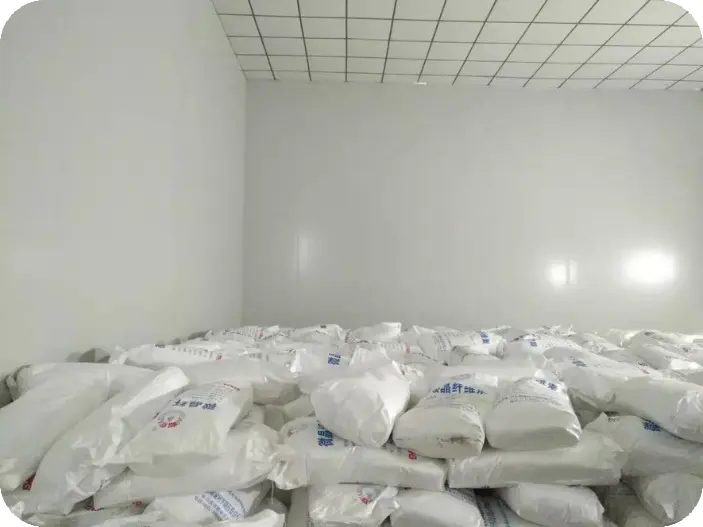
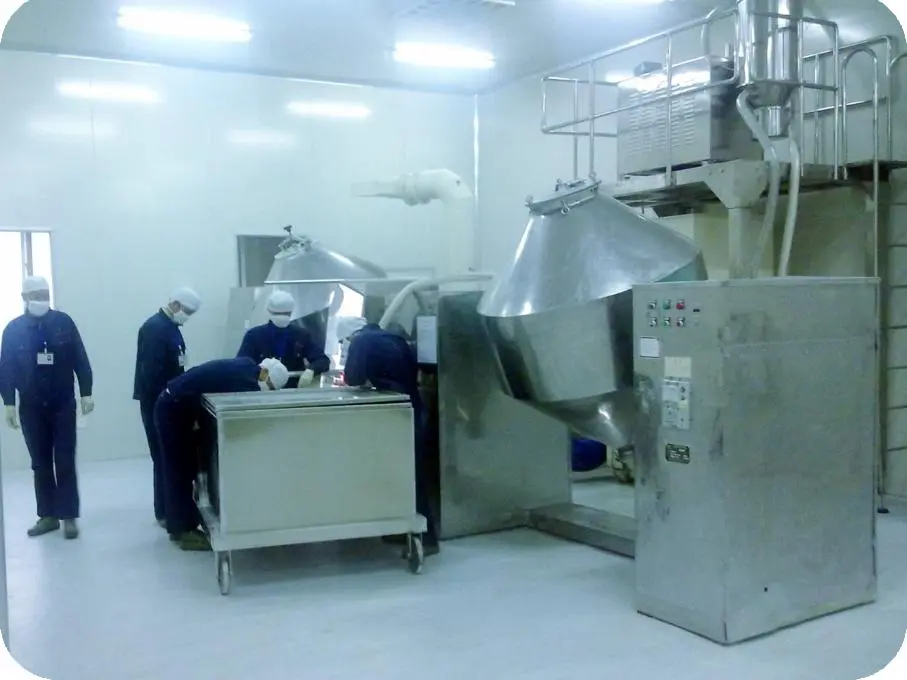
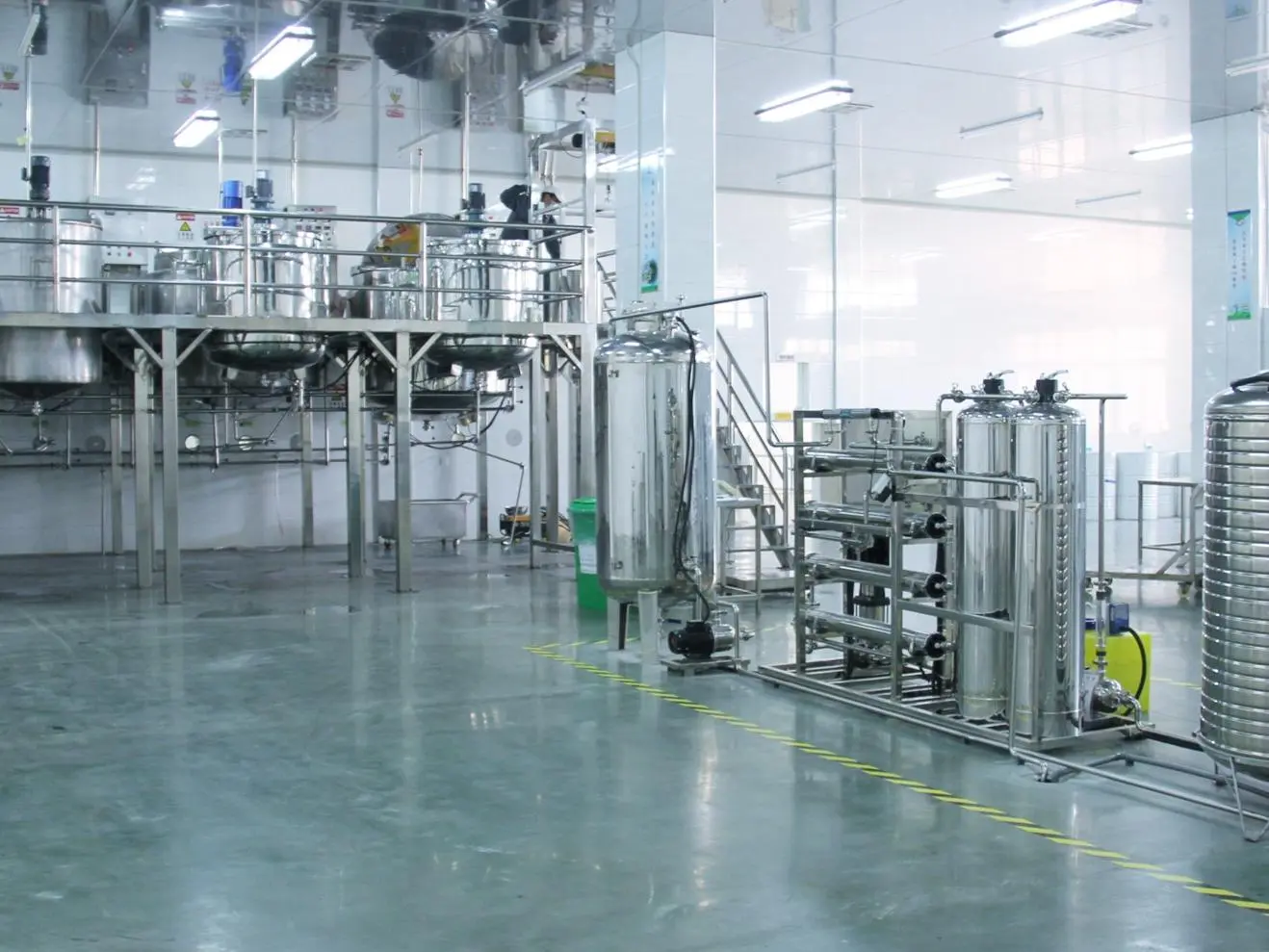
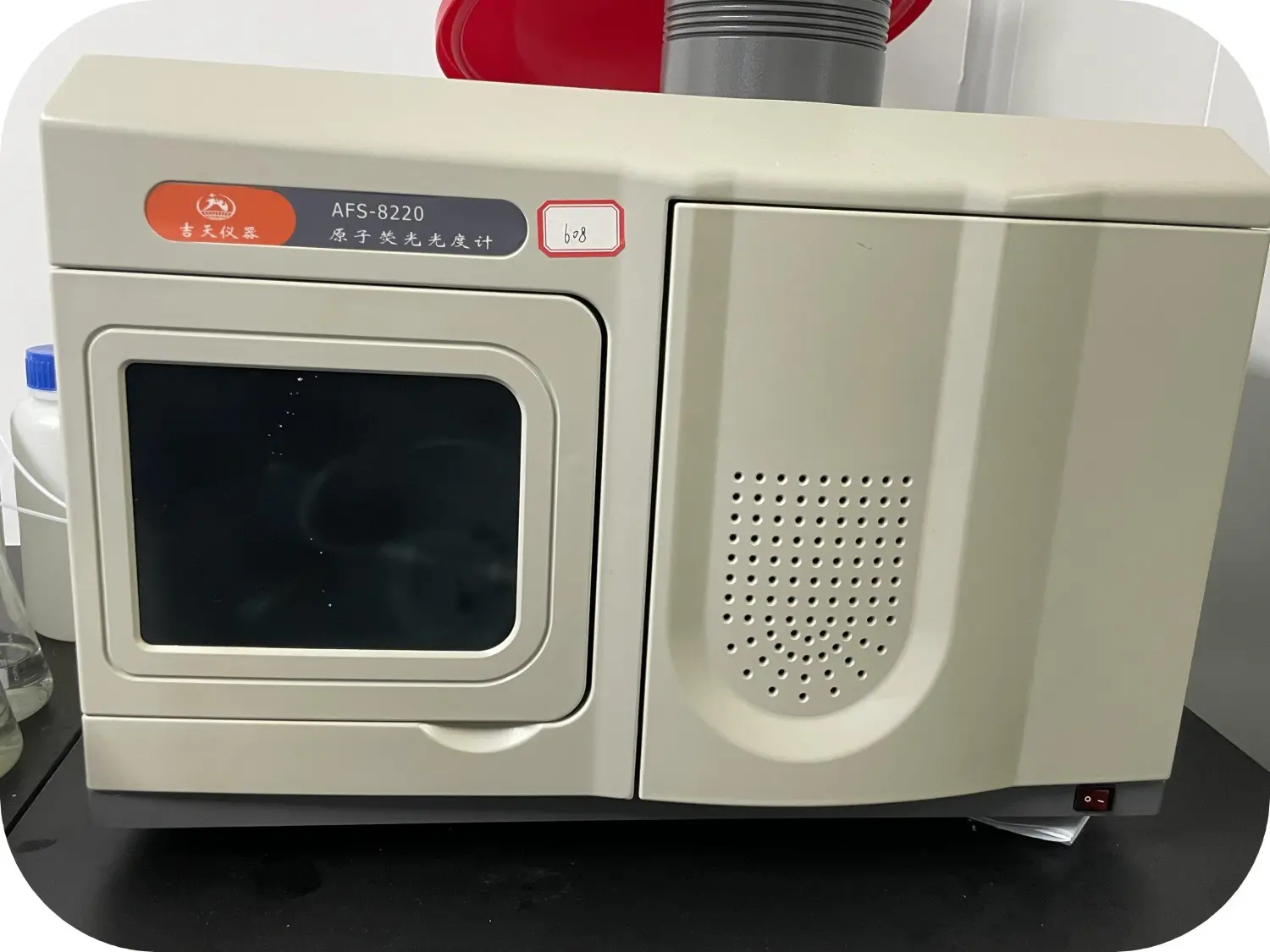
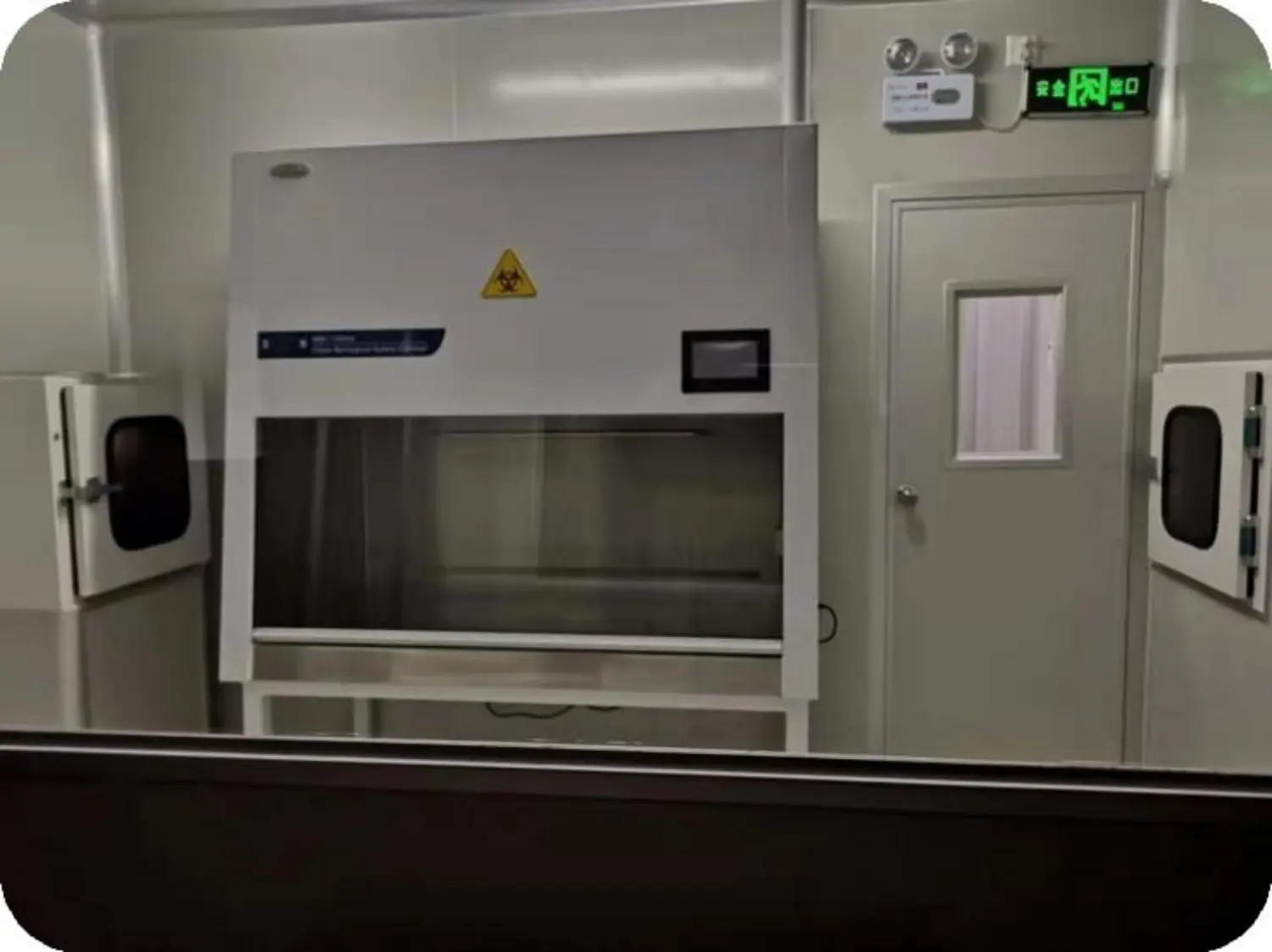
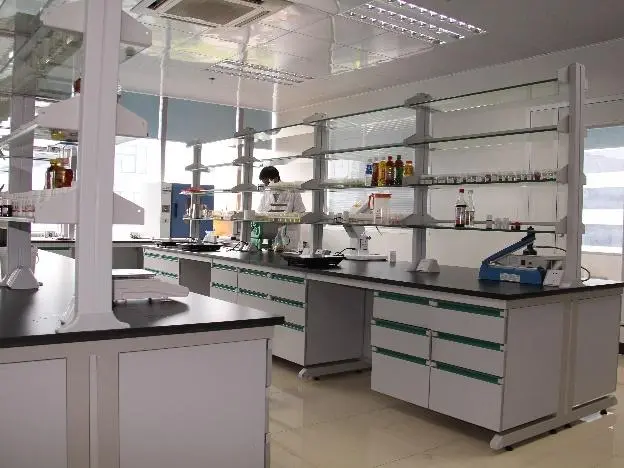

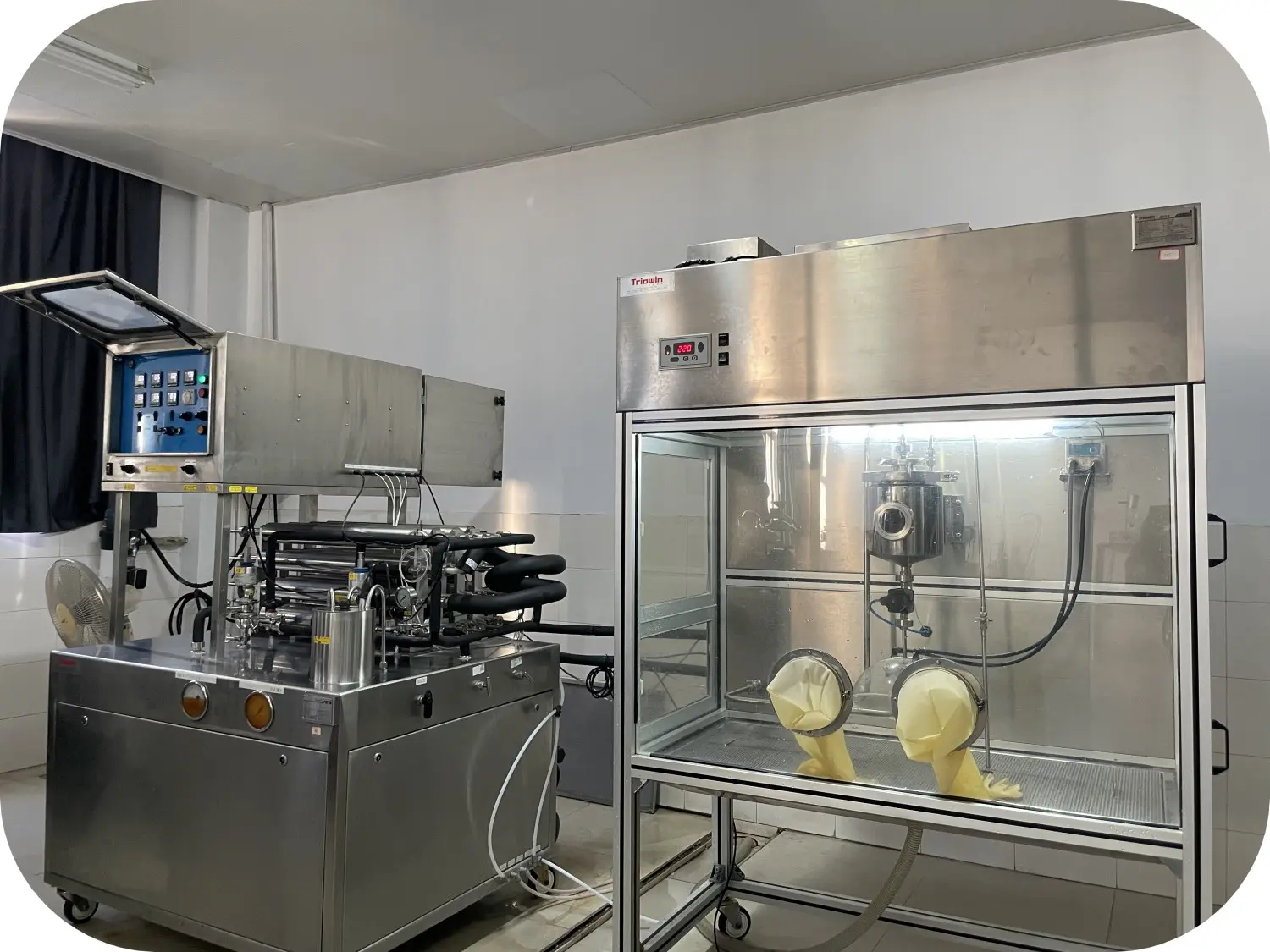
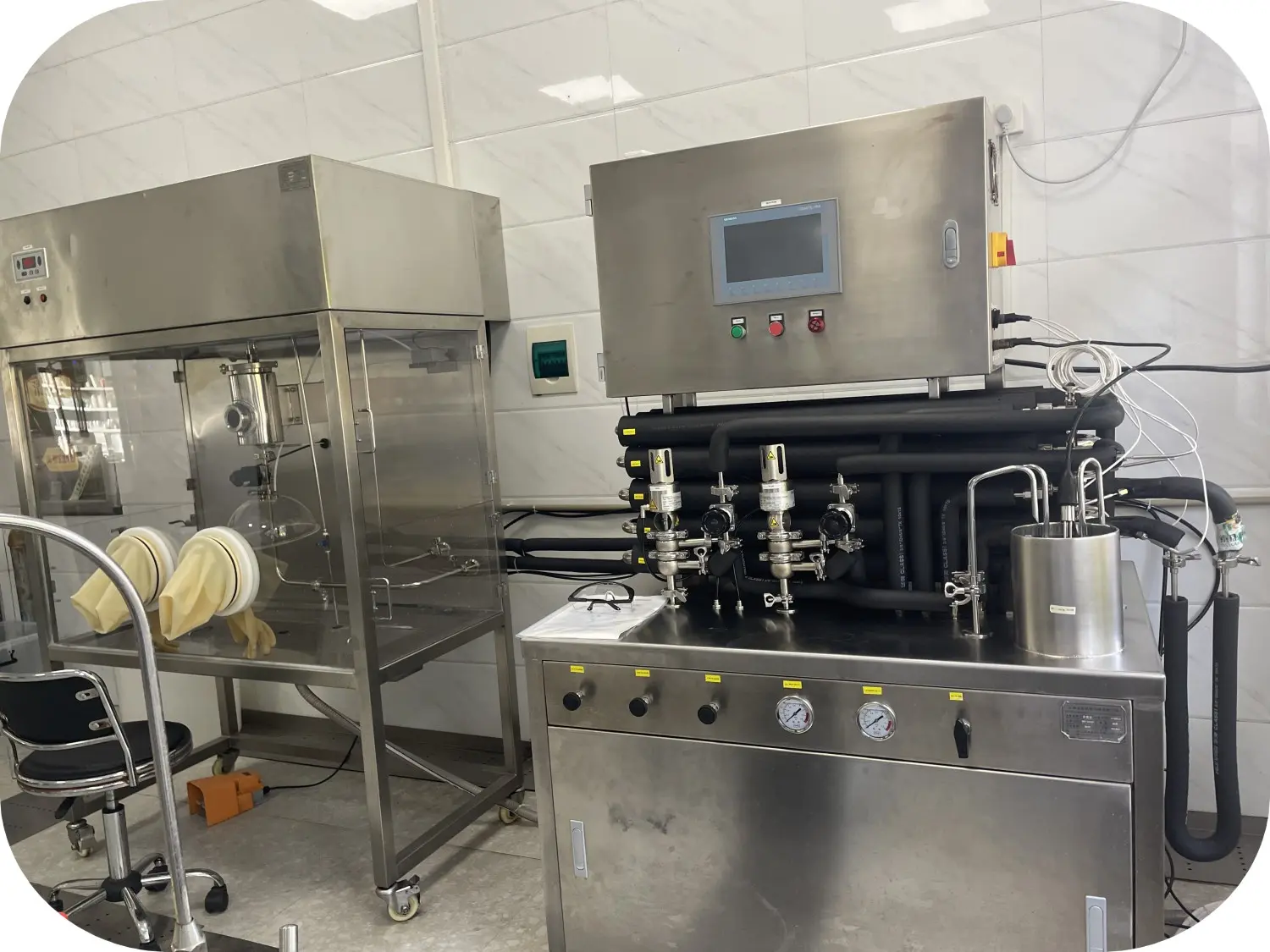
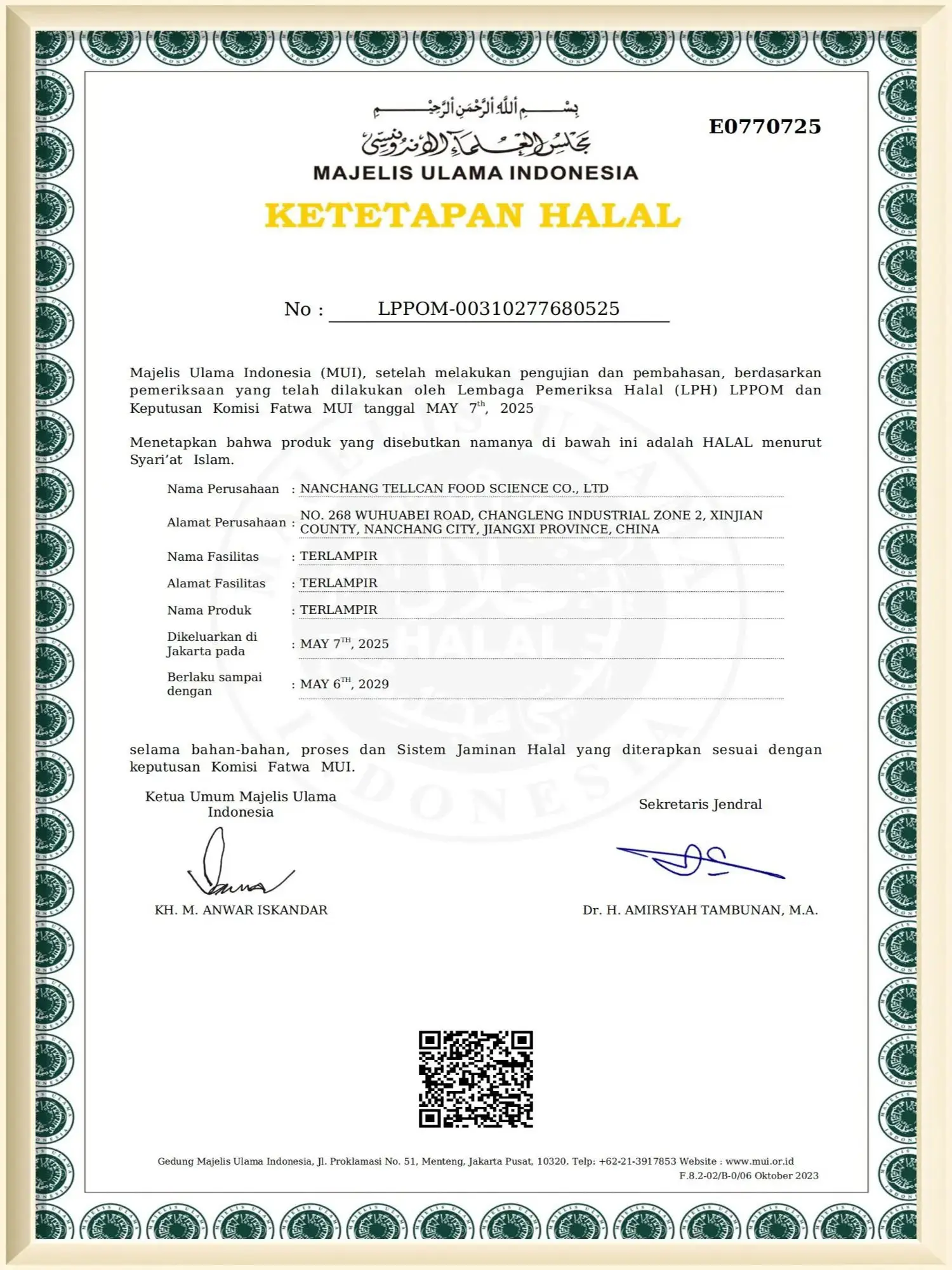
Tellcan operates with a mission to innovate tirelessly and serve the evolving needs of food manufacturers worldwide. Our core values translate directly into high-quality B2B service delivery.
Guided by the spirit of "Technology, Innovation, Integrity, and Progress," we continuously explore emerging market demands to remain at the forefront of food science.
Committed to refining services, exceeding client expectations, creating mutual value, and building win-win long-term partnerships.
"Profession casts quality, innovation achieves the future." Every process is controlled and clear, with measurable targets set daily.
Find technical answers on colloidal behavior, viscosity stability, syneresis control, and global sourcing parameters.
Tapioca starch possesses a lower gelatinization temperature and yields a highly transparent paste with a clean flavor profile. Unlike corn starch, which can introduce a cereal-like off-flavor, tapioca preserves delicate dairy tastes. Additionally, tapioca paste has excellent shear-thinning characteristics, providing a smooth mouthfeel without the paste-like texture common to corn-based stabilizers.
In acidic formulations (pH 3.5 - 4.2), milk proteins lose their negative charge and can agglomerate. Our stabilizer systems combine modified tapioca starches with Microcrystalline Cellulose (MCC) and hydrocolloids like pectin. The cellulose network physically suspends particles, while the hydrocolloids coat protein molecules, providing steric hindrance that prevents coagulation and syneresis.
Tellcan operates in strict compliance with the HACCP 22000 Food Safety Management System. Every production batch undergoes extensive testing, including viscosity verification, heavy metal monitoring, microbiological evaluations, and ash content tests. This ensures our food-grade stabilizers comply with standard food additive regulations globally.
Yes. We offer native and physically modified tapioca starches compounded with natural gums. These blends are non-GMO, allergen-free, and vegan, helping global manufacturers achieve clean-label classifications without compromising texture, suspension stability, or shelf life.
Our stabilizer systems typically have a shelf life of 24 months when stored in original, unopened packaging in dry, cool conditions (temperature below 25°C, relative humidity below 60%). This prevents moisture absorption and maintains consistent functionality upon hydration.
Discover our specialized composite sweeteners, antioxidants, and customizable blending solutions engineered for modern food processing.
 Tellcan Food