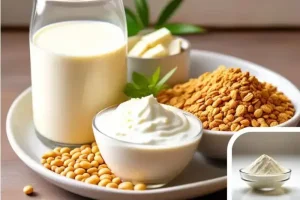
Pioneering functional formulations engineered to maintain phase distribution, consistency, and clean labels in tropical ambient climates.
Fiji's strategic position in the South Pacific makes it a focal hub for regional trade, tourism, and manufacturing. However, beverage producers in Suva, Lautoka, and Nadi face unique operational challenges. The combination of sustained high ambient temperatures (often exceeding 30°C/86°F), high relative humidity, and the geographic isolation of the archipelago imposes rigorous demands on beverage stability and shelf-life. Standard formulation plans designed for temperate climates frequently fail under Pacific atmospheric stress, leading to emulsion breakdown, protein precipitation, and rapid oxidation.
Furthermore, Fiji is witnessing a significant commercial shift. While the global reputation of Fiji's artesian mineral water remains strong, the local market is rapidly diversifying. There is a surge in demand for premium fruit-vegetable blends utilizing local produce (such as papaya, mango, passion fruit, and ginger), functional ready-to-drink (RTD) plant-based milks, and acidified dairy products. For these beverages to survive transport between islands and international shipping lanes without refrigeration, a robust Beverage Organization Plan is essential. This plan integrates stabilizing polymers, high-performance emulsifiers, and composite preservatives to maintain organoleptic consistency over extended lifespans.
Globally, the beverage industry is transitioning toward clean-label ingredient profiles, sugar reduction, and functional fortifiers. Consumers demand natural texturizers, yet expect the smooth mouthfeel and creaminess traditionally provided by artificial fats or high-sucrose concentrations. This conflict presents a structural formulation challenge. Substituting sugar or fat requires rebuilt hydrocolloid networks to mimic viscosity and prevent syneresis.
Recent developments focus on **colloidal Microcrystalline Cellulose (MCC)** and plant-based protein stabilizers. The modern approach treats stabilization as a systematic matrix rather than a single ingredient fix. In complex systems like plant-based milks (oat, almond, coconut) or neutral dairy, fat droplets must remain suspended within a protein-water emulsion. By employing co-processed microparticles, Tellcan's stabilizers form a three-dimensional network that yields high yield stress at rest, preventing creaming, while thinning under shear stress to ensure clean flow properties during consumption. This dynamic rheological behavior is the cornerstone of premium global beverage design.
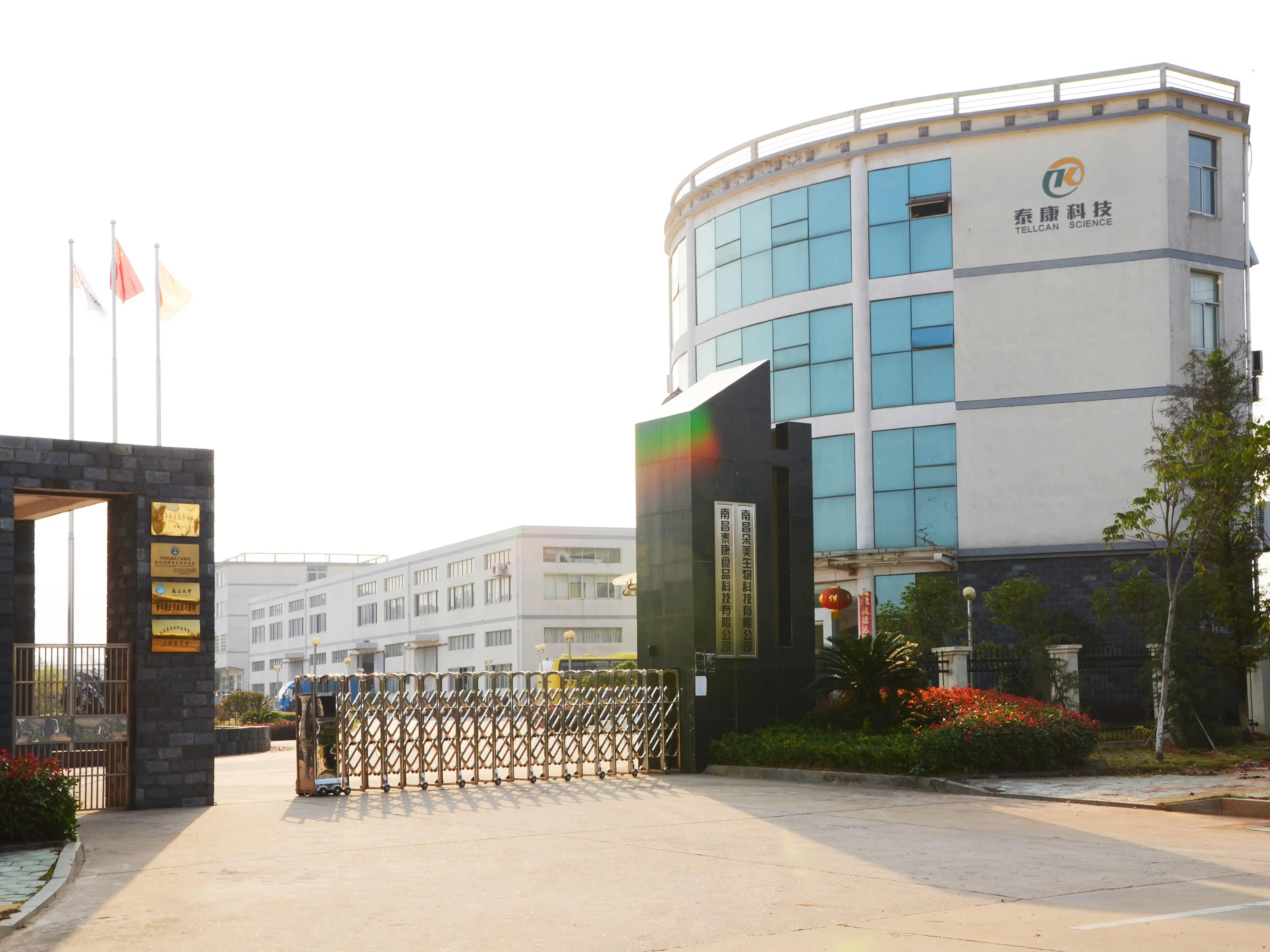
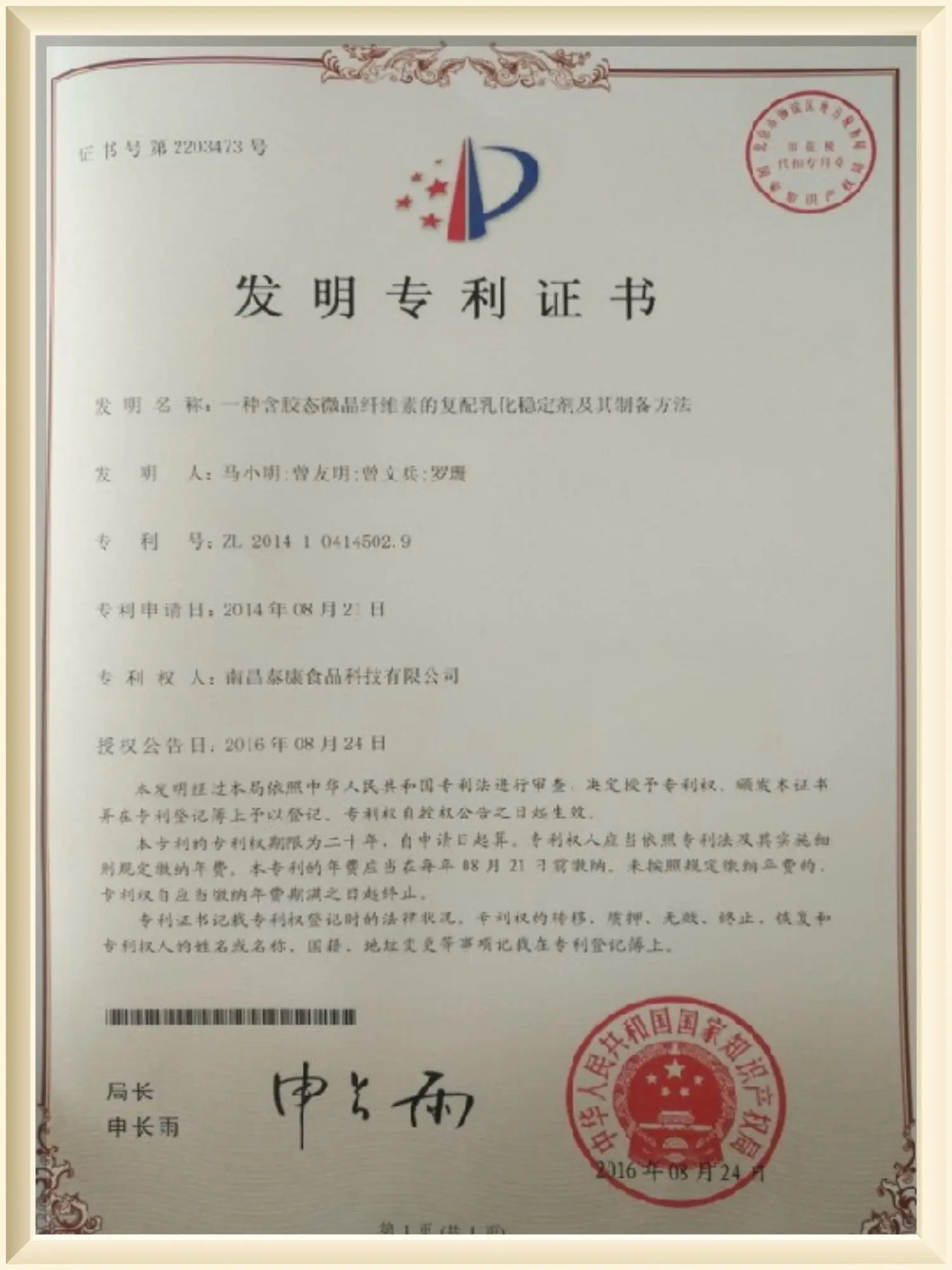
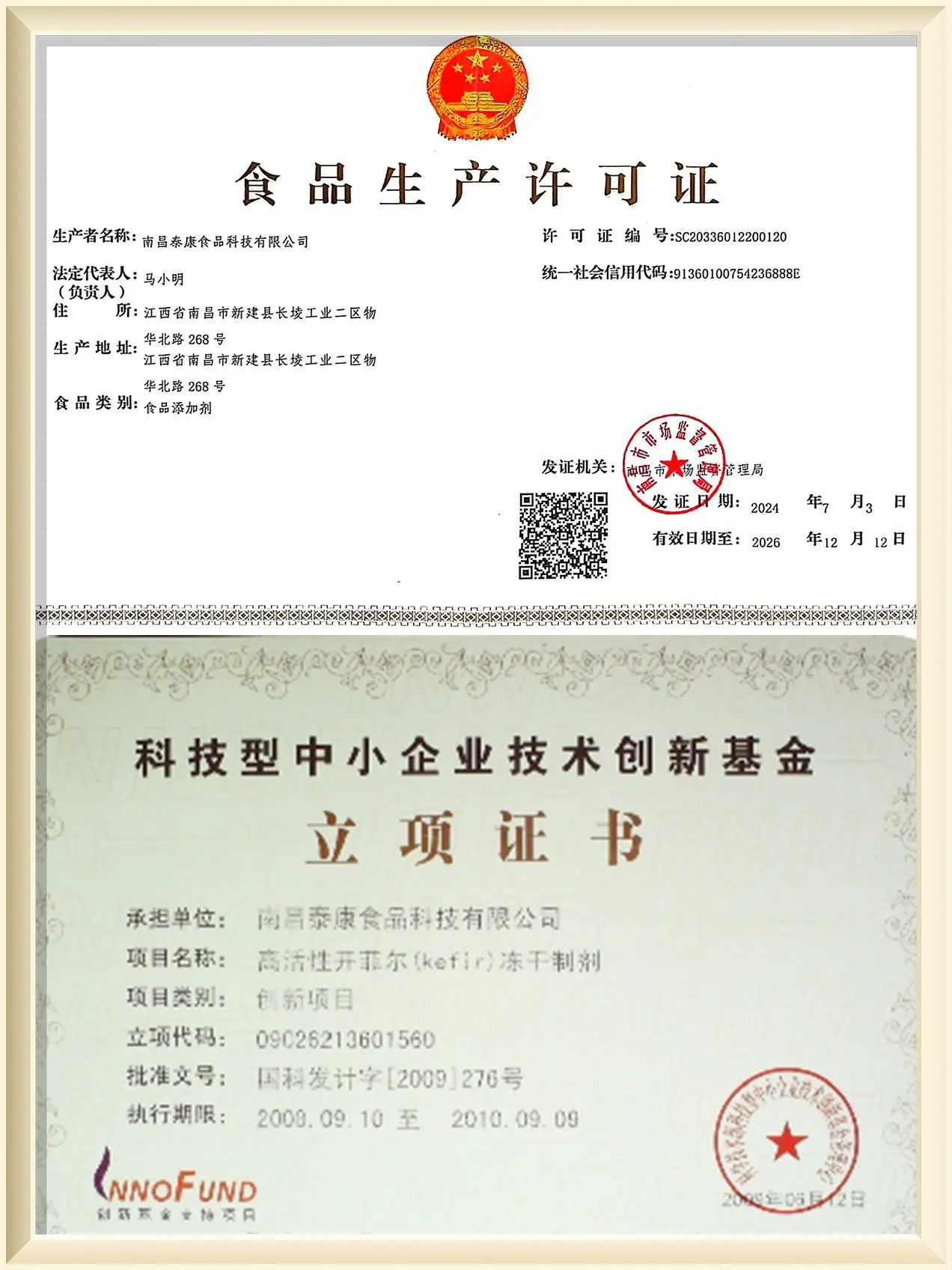
Located in the Changling Industrial Zone II, Nanchang City, Jiangxi Province, Nanchang Tellcan Food Science Co., Ltd. is ranked among the "Top 100 Enterprises in China's Food Additives and Food Ingredients Industry." The company specializes in the R&D, production, and sales of food additives, as well as research and development in information technology, food processing techniques, and the transfer of agricultural product deep-processing technologies. Adhering to the principle of "people-oriented, technology-driven," Tellcan provides optimal solutions to clients with unparalleled efficiency.
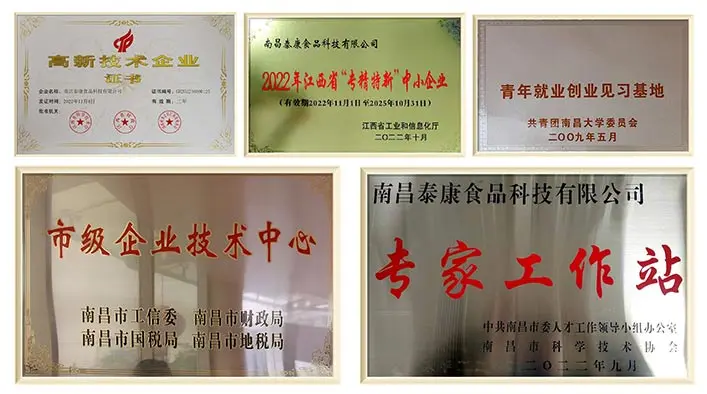
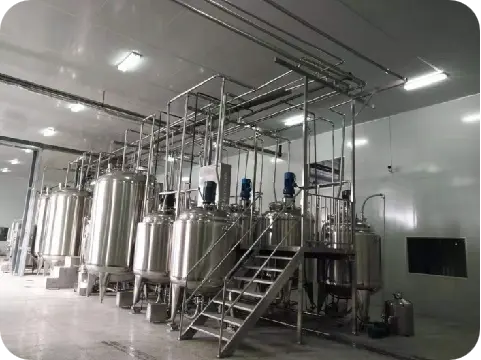
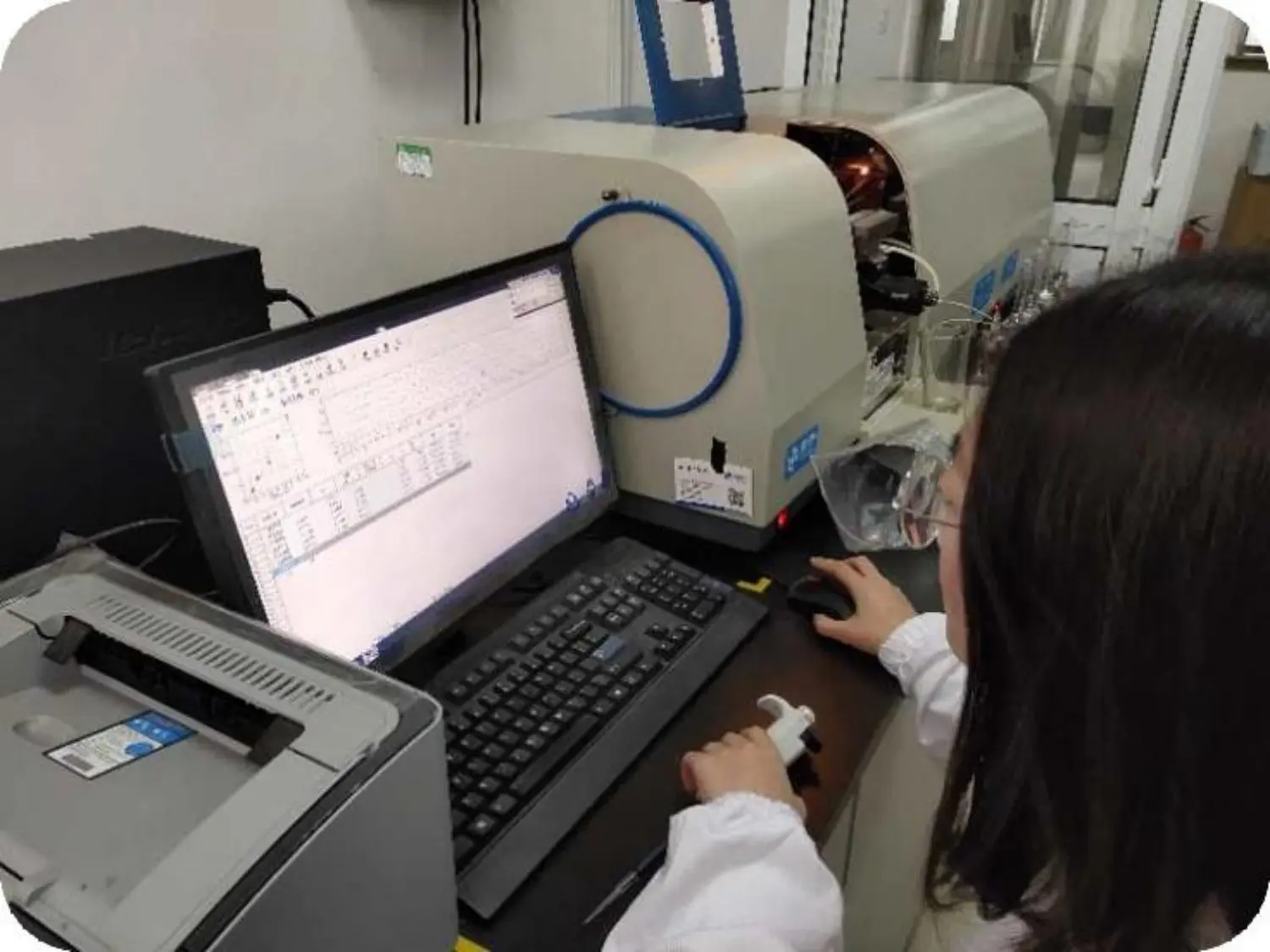
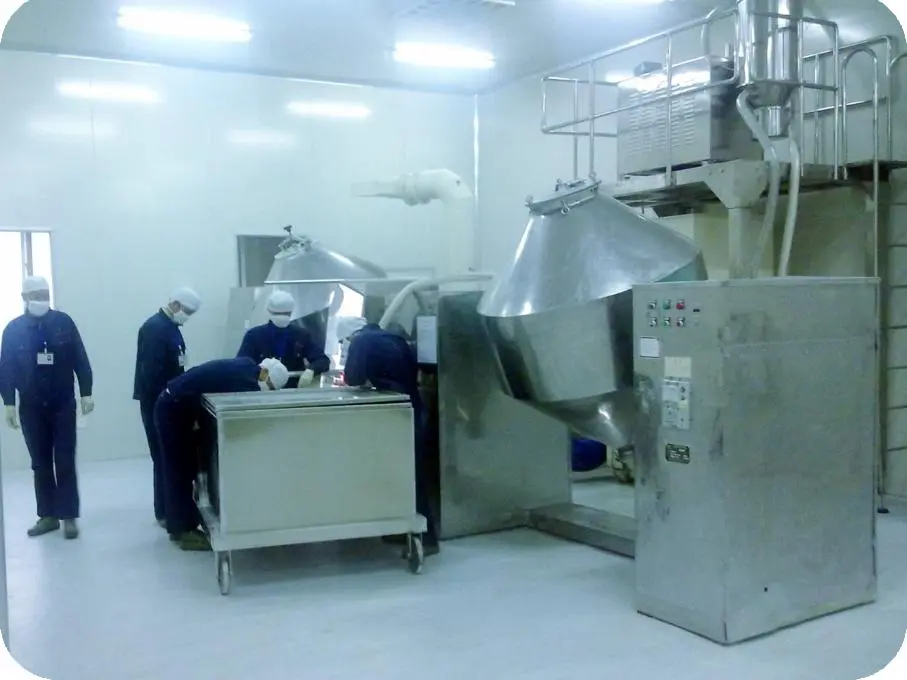
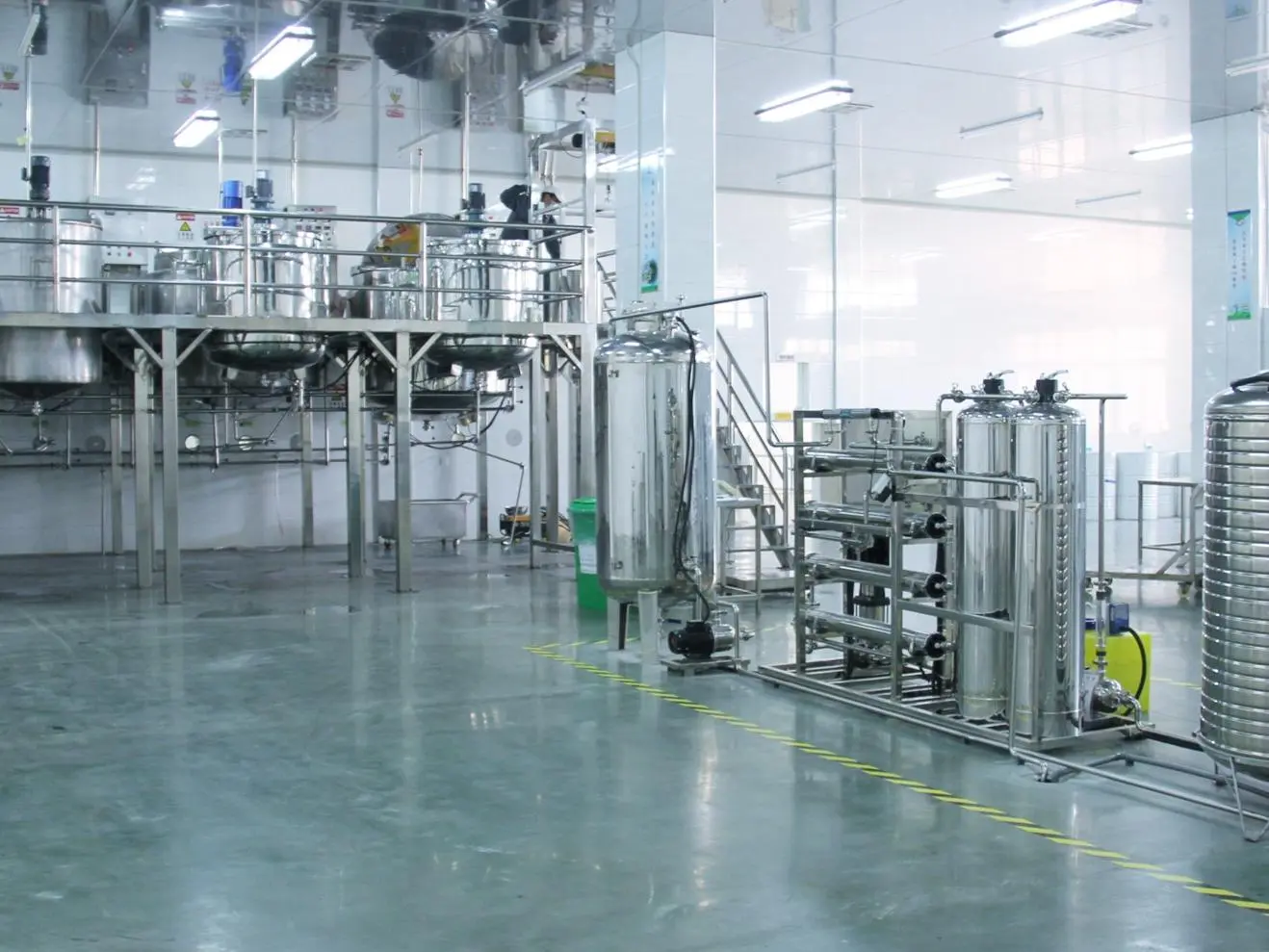
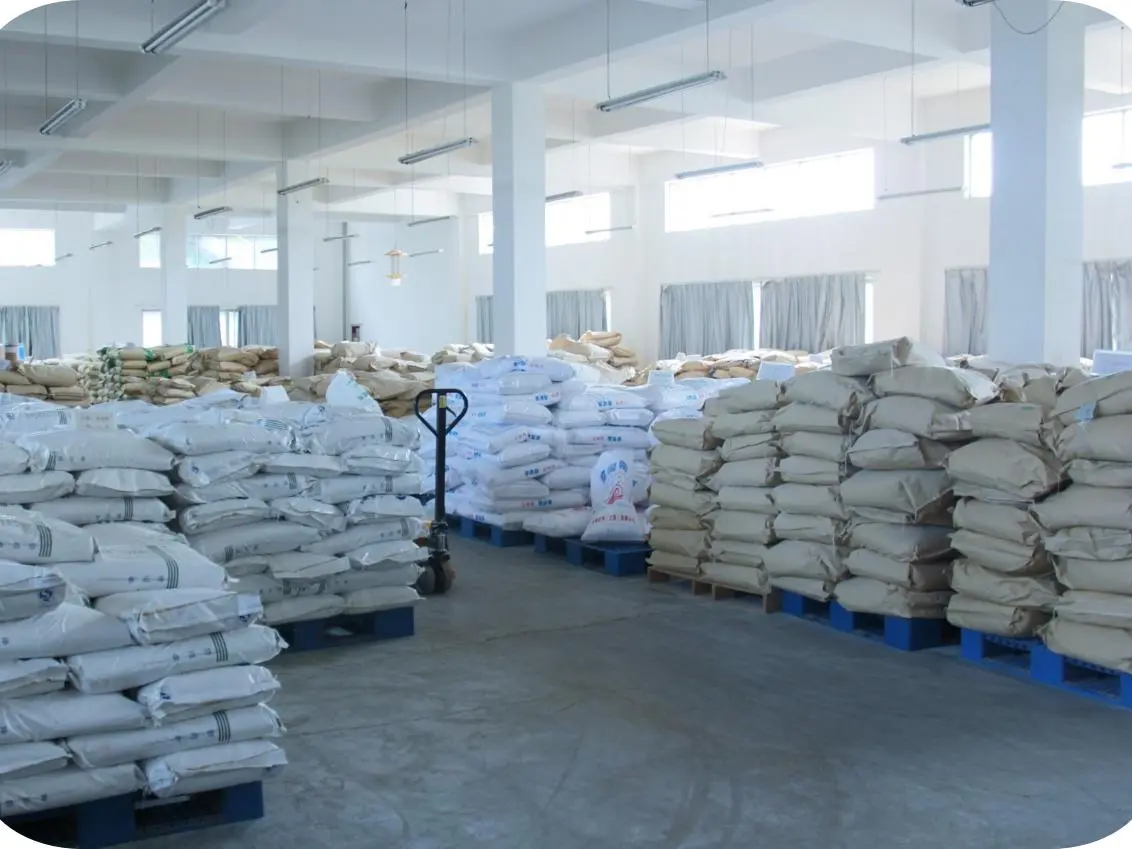
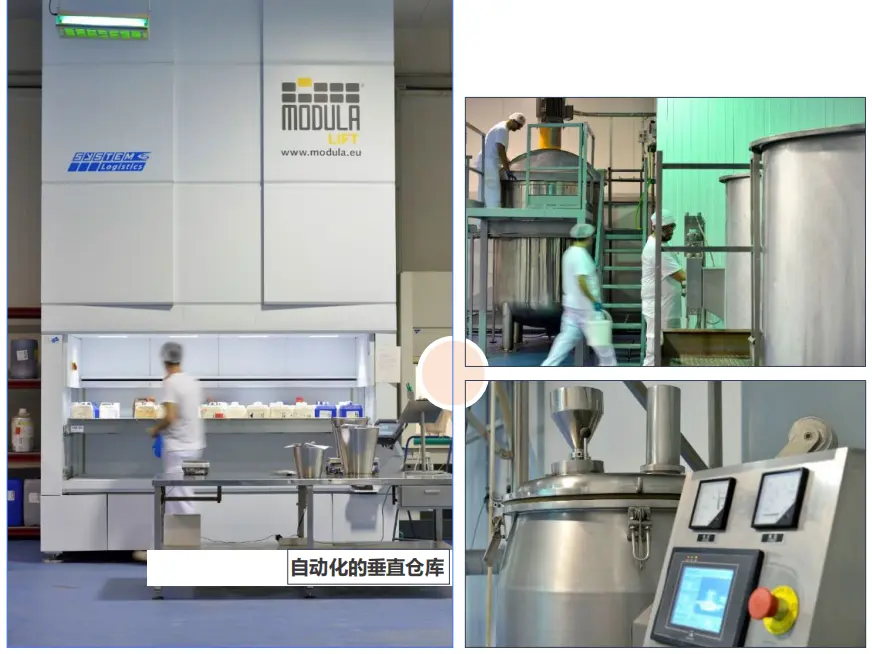
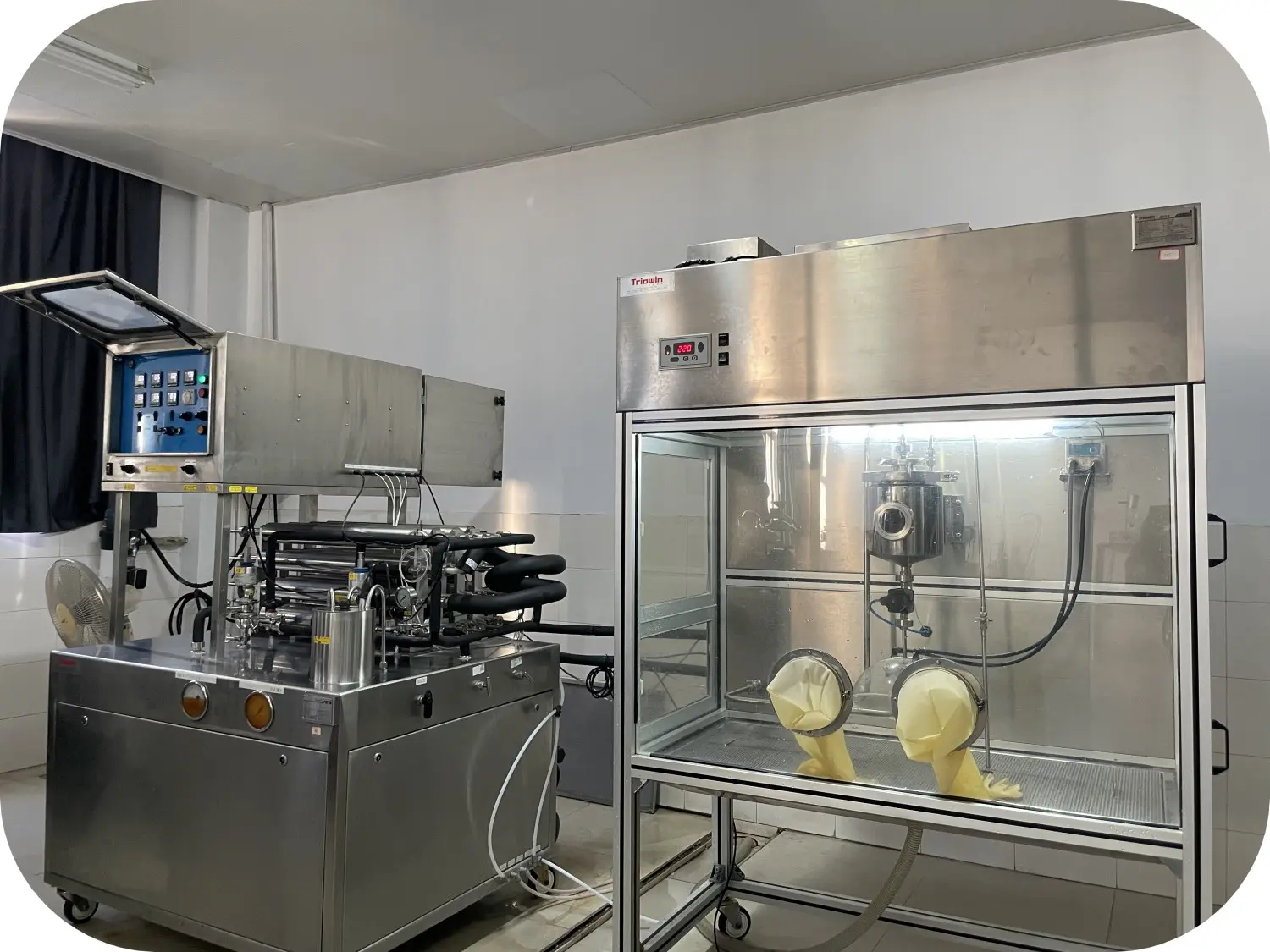
Tellcan operates advanced pilot production lines, R&D laboratories, and quality control systems. Our expert workstations and provincial technology centers have resolved challenges for thousands of food enterprises. All Tellcan products are formulated with globally sourced premium raw materials, scientifically compounded, and meticulously crafted. Our superior quality has been verified by millions of commercial partners worldwide.

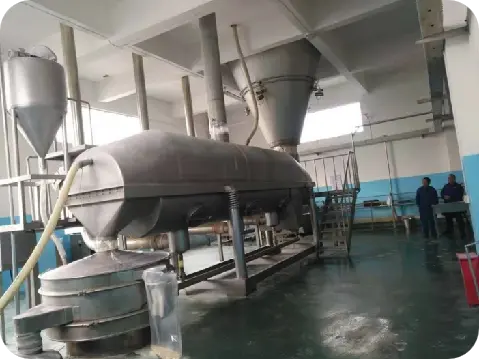
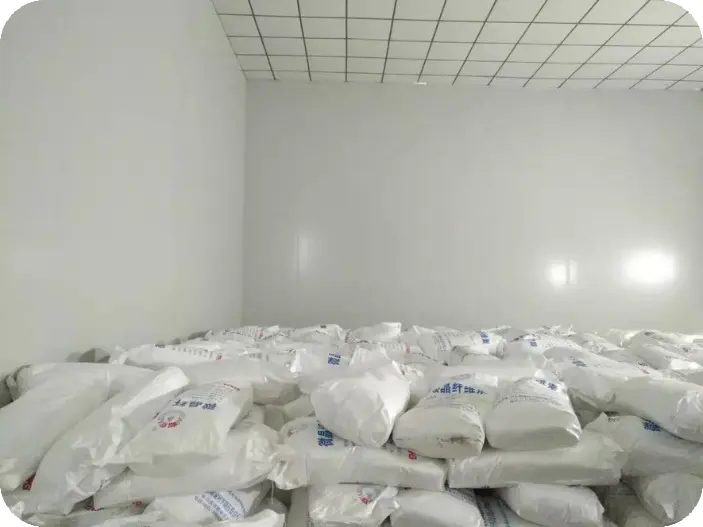
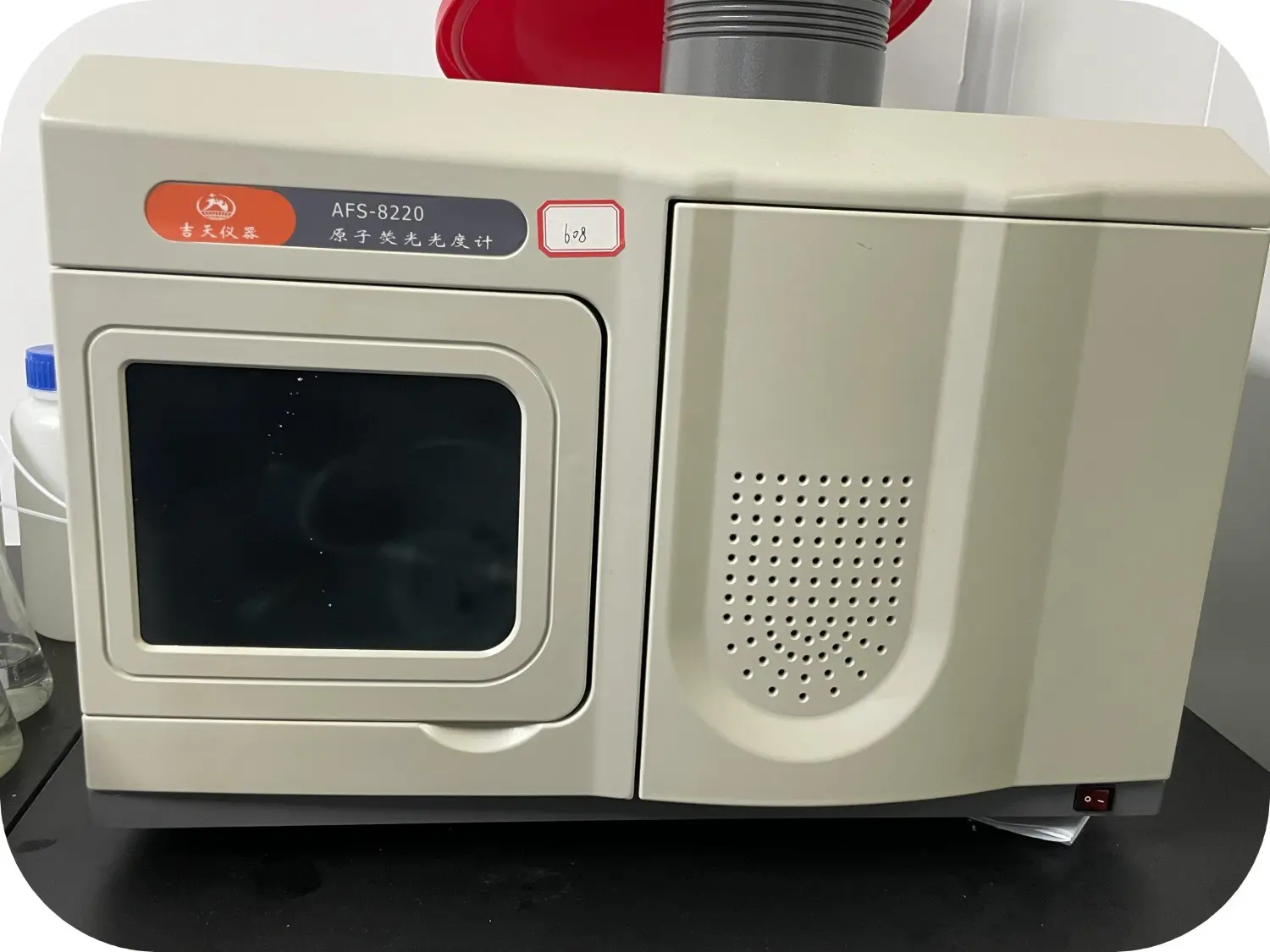

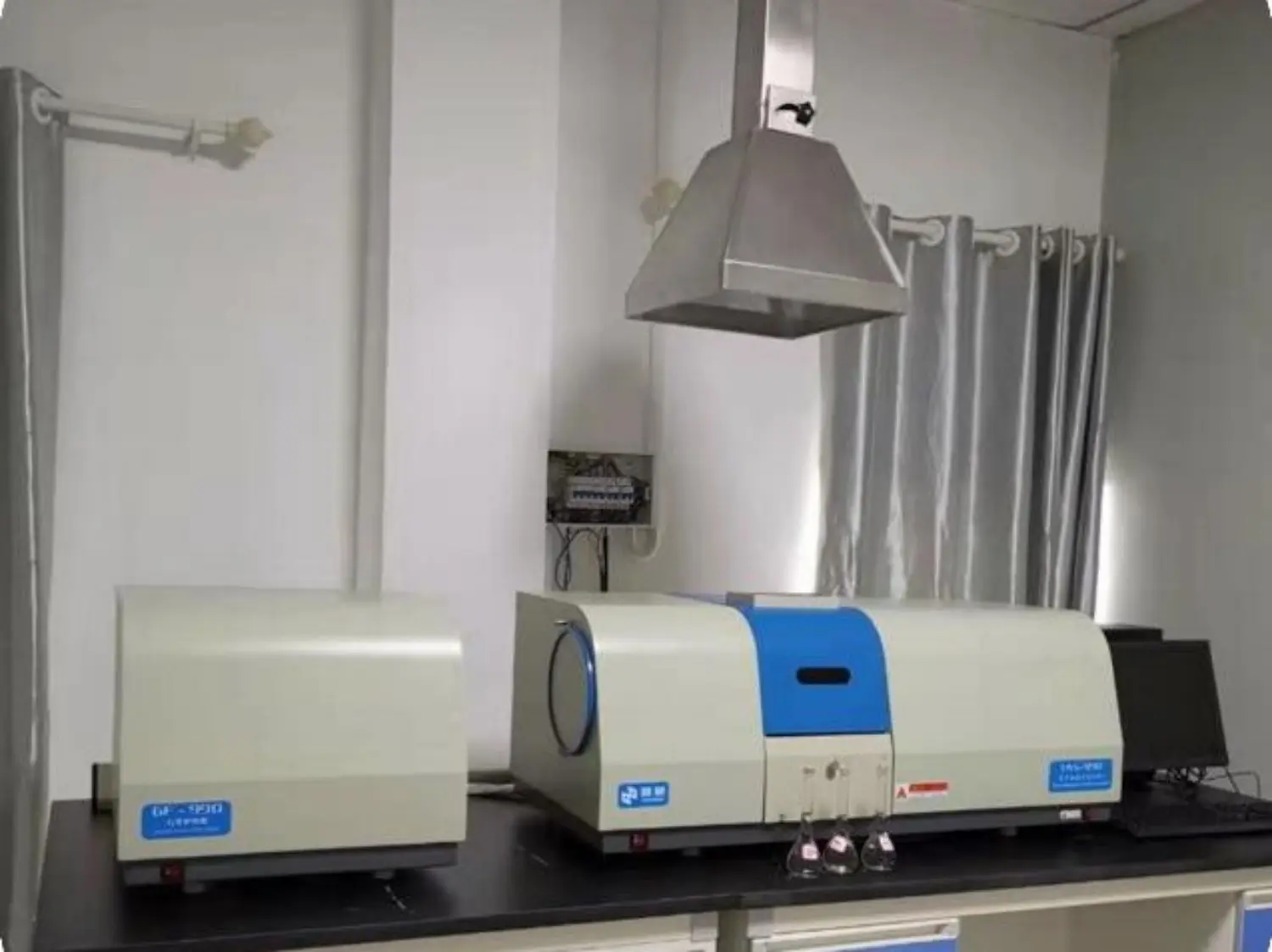
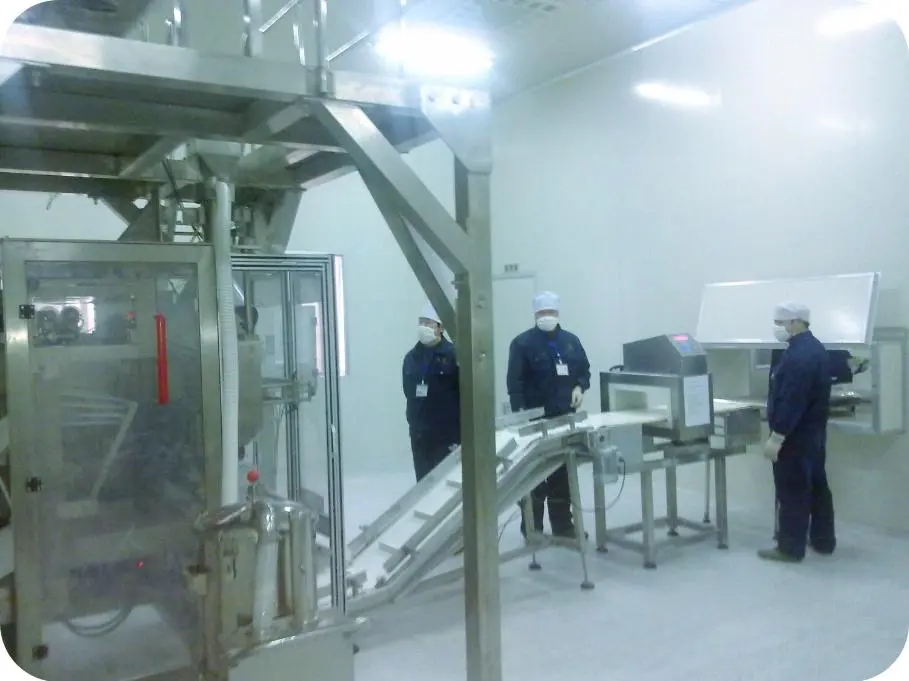
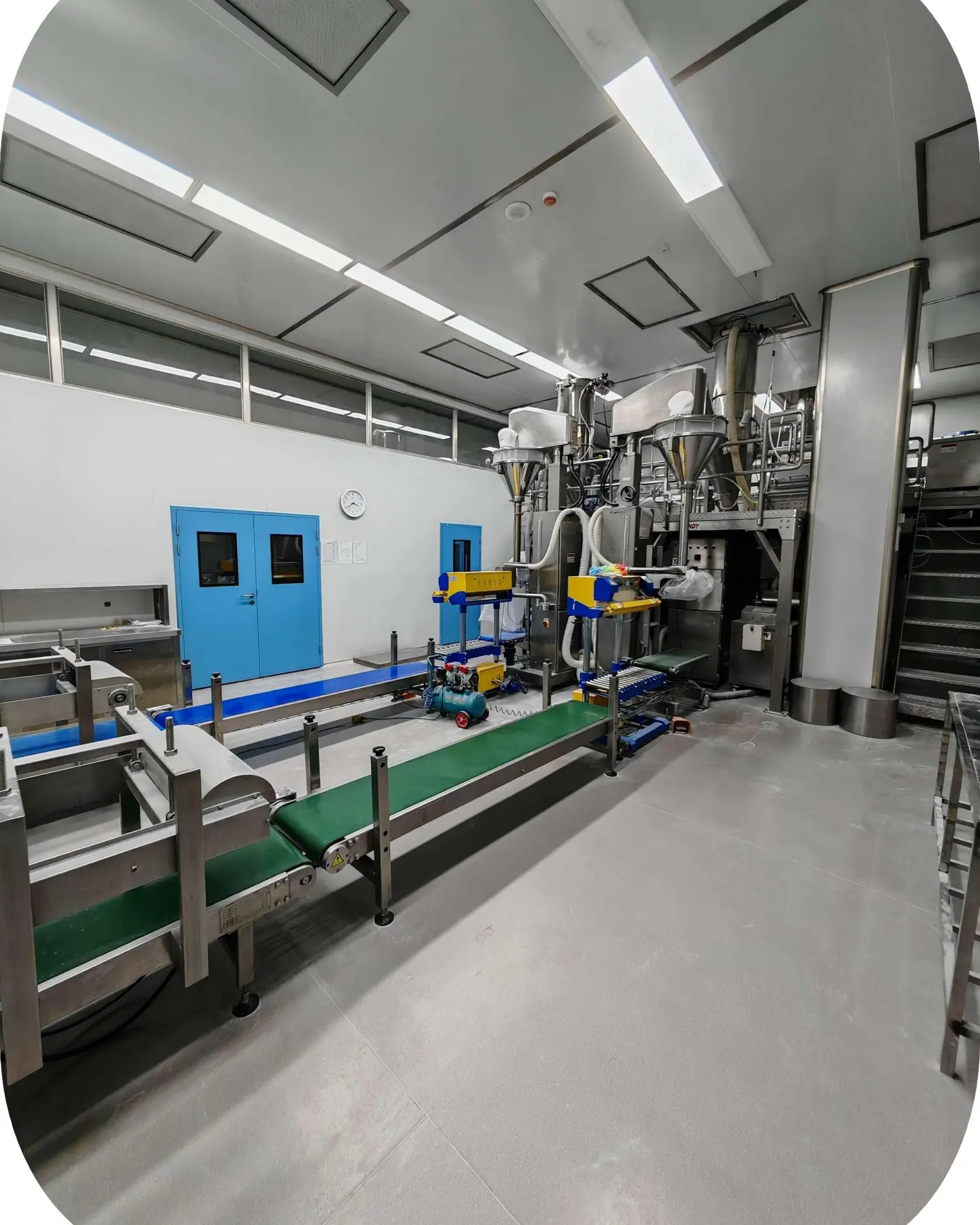
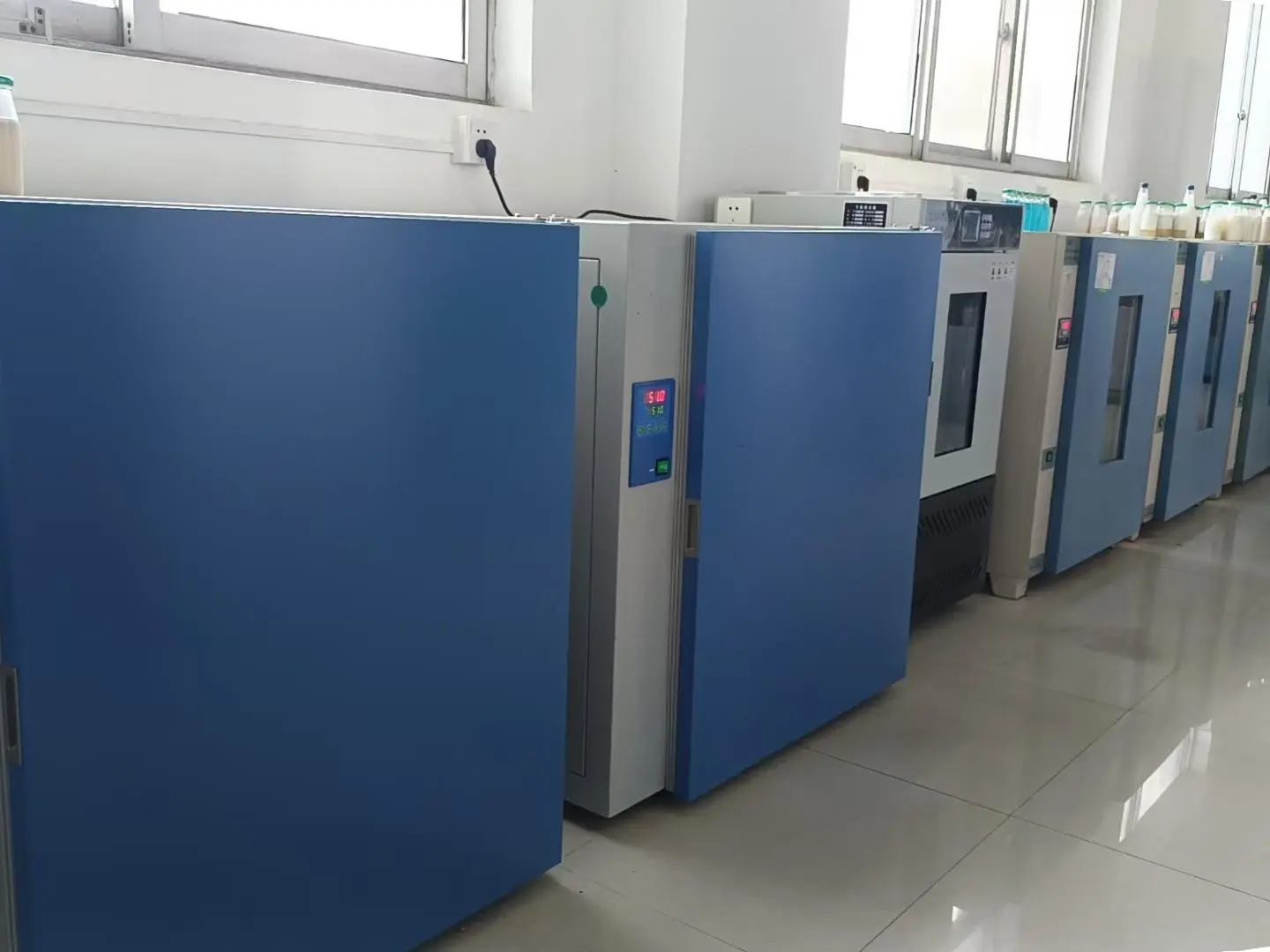
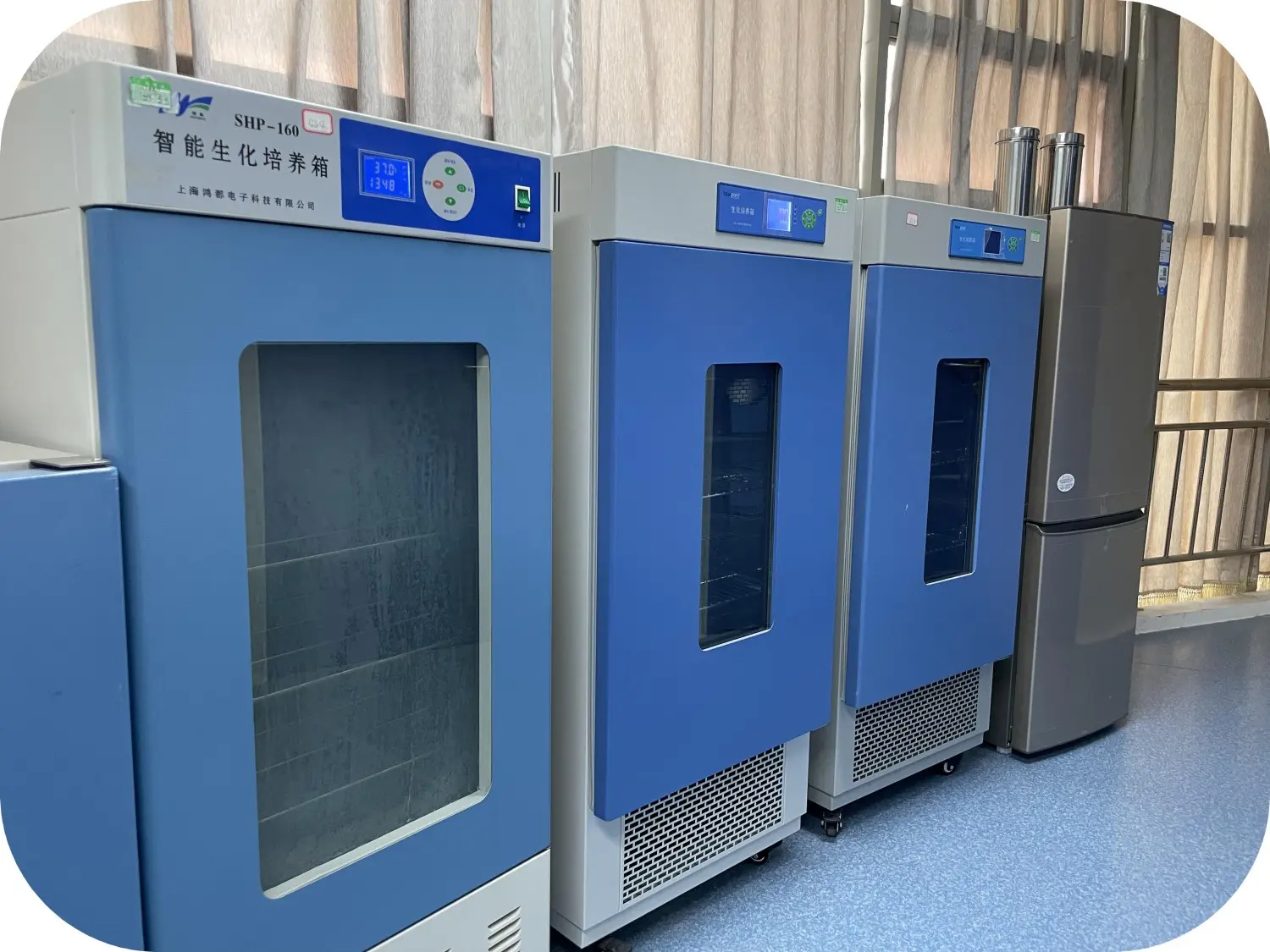
Operating under rigorous corporate principles, Tellcan ensures that every formulation plan is backed by empirical data and documented methodologies.
We publish regular research updates in authoritative peer-reviewed journals including China Dairy Industry, Food Industry Science and Technology, and China Food Additives.
Every production batch undergoes comprehensive quality control (QC) and high-performance chromatography assays to ensure strict conformance with global food safety standards.
Our dedicated Nanchang Expert Workstation drives formulation engineering, troubleshooting phase separation issues for complex dairy, juice, and protein matrices.
Guided by the spirit of "Diligence, Innovation, and Progress", Tellcan is committed to refining client-side formulations to exceed processing expectations.
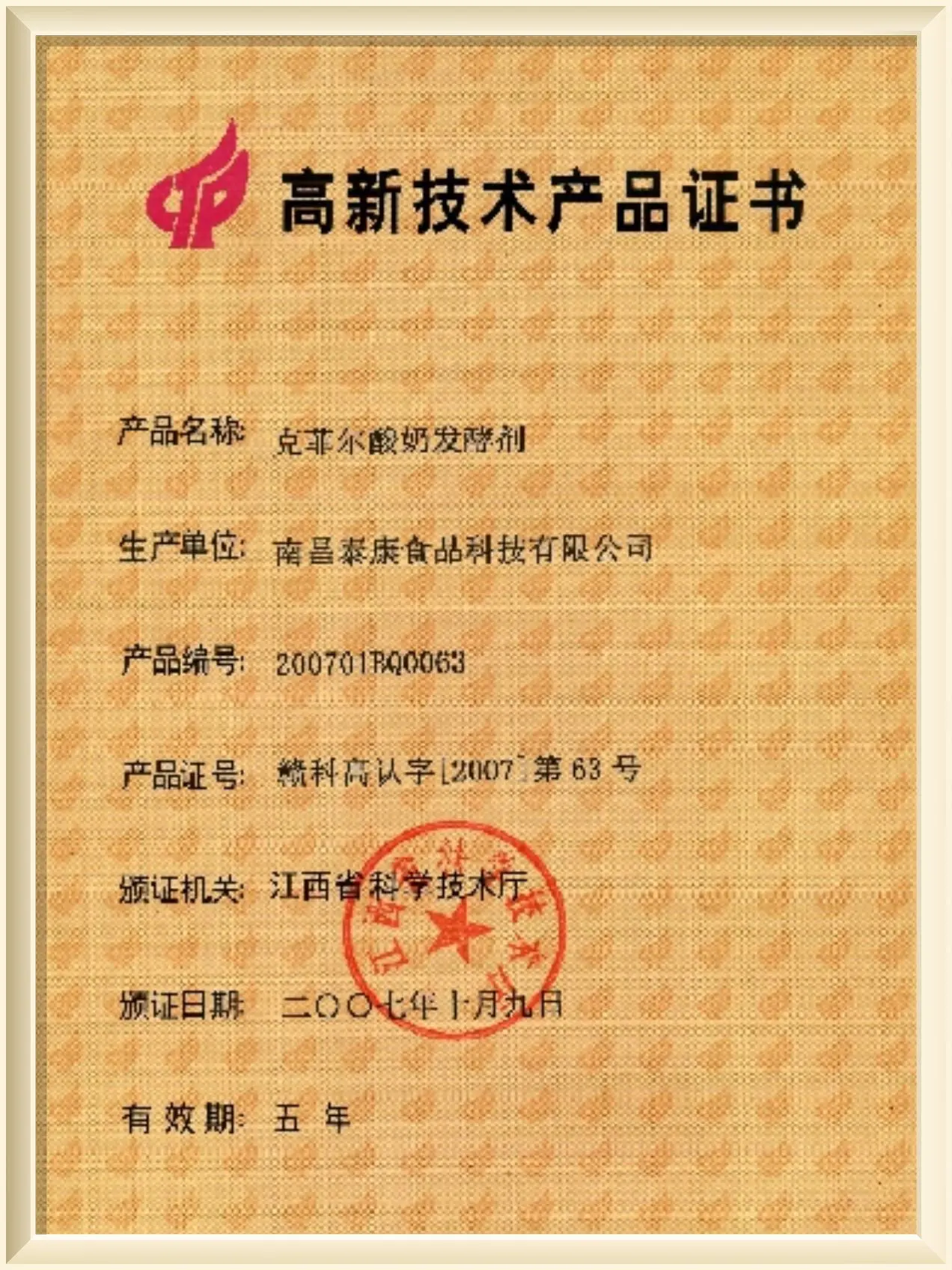
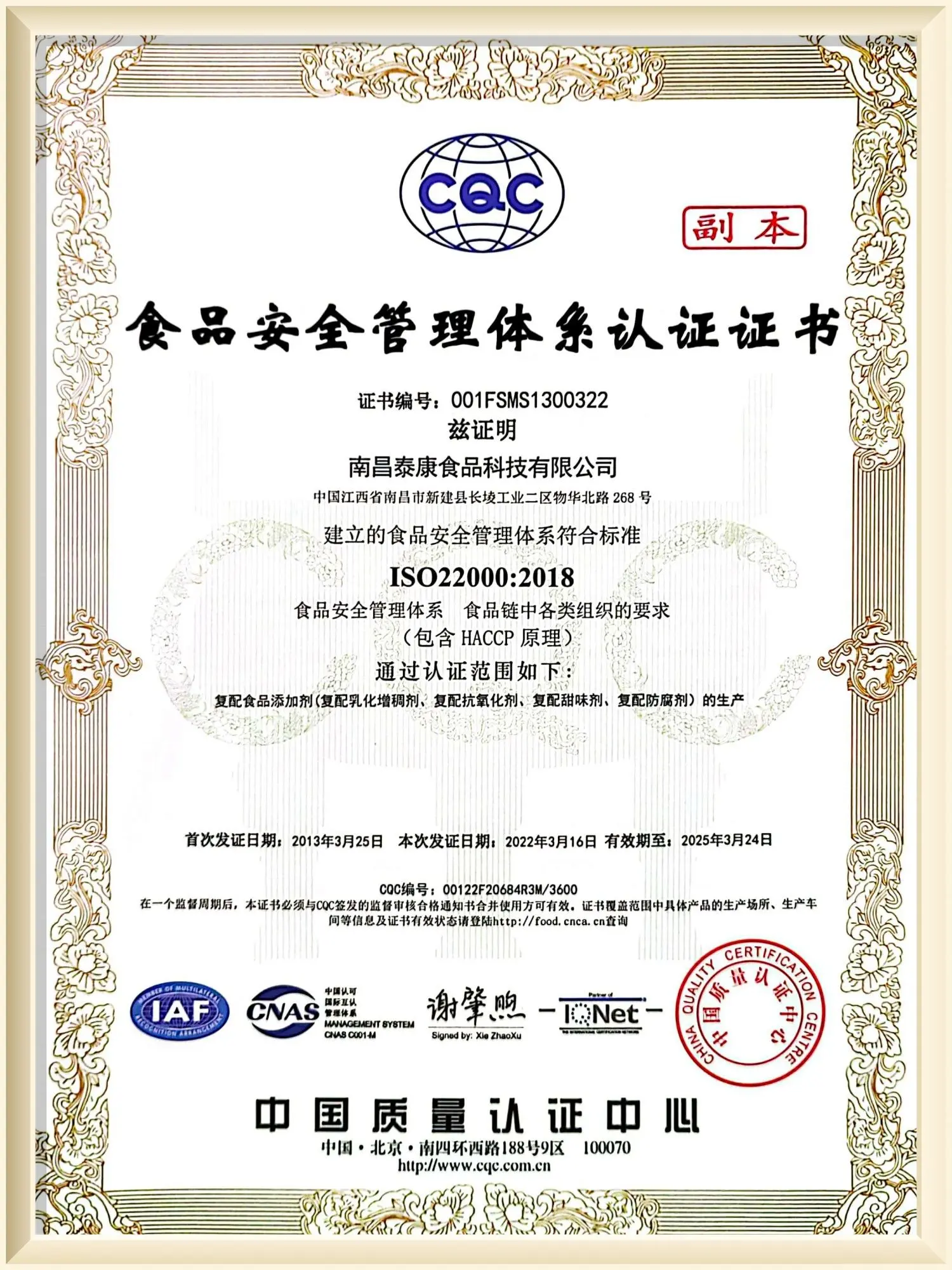
How Tellcan translates global stabilization science into functional, climate-proof beverage architectures for South Pacific manufacturers.
In Fiji, sourcing fresh liquid milk can be logistically challenging and expensive, leading many bottlers to rely on recombined milk powders. Reconstituting milk powders under high ambient temperatures often results in chalkiness, whey separation, and uneven viscosity. Our **Acidic Dairy Beverage Stabilizer Systems** act as protective colloids for casein micelles. By operating at pH levels below the isoelectric point of milk proteins (pH 3.8 - 4.2), the system forms a steric barrier that prevents protein aggregation and sedimentation, guaranteeing a smooth mouthfeel and physical stability throughout a 9-month shelf life.
Fiji’s premium juice export sector relies on high-quality local purées (such as mango and passion fruit). However, these fruit pulps naturally tend to sediment due to gravity and enzymatic breakdown of native pectins. Tellcan’s **Fruit-Vegetable Juice Stabilizer Systems** establish a delicate pseudo-plastic yield stress within the juice matrix. This pseudoplastic behavior suspends insolubles and fibers under static conditions (e.g., storage), but shears down instantly when poured or consumed, ensuring a smooth, natural drinking experience without artificial thickness.
Coconut water and coconut milk are foundational South Pacific resources. Formulating coconut milk beverages requires robust emulsification to prevent oil separation (creaming) under warm storage temperatures. Combining **Microcrystalline Cellulose (MCC)** with specialized plant-based emulsifiers creates a secondary physical network. This network encapsulates fat droplets, ensuring they do not coalesce. The addition of composite antioxidants also prevents rancidity caused by exposure to ambient UV rays and oxygen during distribution.
As the Fijian government promotes healthier nutritional habits, beverage manufacturers are reducing added sugars. However, sugar removal decreases body and alters sweetness delivery. Tellcan’s **Composite Sweetener & Flavor Enhancement Systems** combine low-intensity non-nutritive sweeteners with custom hydrocolloids. This replacement restores the lost mouthfeel and density of sucrose without adding calories, helping brands reformulate health-conscious drinks that still satisfy local taste profiles.
Developing advanced stabilizers and emulsifying technologies to meet tomorrow's regulatory and consumer demands.
By decreasing the particle size of microcrystalline cellulose into the sub-micron range, we aim to deliver suspension networks that remain fully transparent and stable without heat processing. This will significantly reduce energy costs for local Fijian bottling plants.
Our active R&D pipeline is investigating plant proteins derived from local agricultural processing byproducts. Co-processing these proteins with hydrocolloids will help food brands achieve complete "clean-label" status, replacing synthetic emulsifiers like polysorbates and mono-diglycerides.
Developing composite preservative complexes that release active compounds slowly in response to microclimatic changes (such as sudden shifts in humidity and temperature). This technology will help safeguard products during long-distance shipping across Oceania.
Direct answers from our senior food scientists on solving common formulation and preservation issues in hot, humid regions.
A diverse range of industrial stabilizers, emulsifying agents, and flavor enhancers designed to protect beverage structure and quality.
Get in touch with Nanchang Tellcan’s senior technical application team. Let us design a custom beverage organization plan tailored to your local raw materials and target shelf life.
 Tellcan Food