
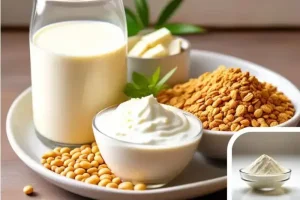

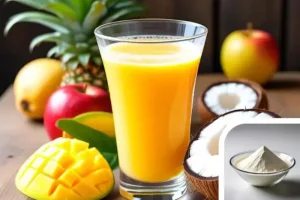


In the rapidly changing global food and beverage sector, the demand for high viscosity stabilizers has surpassed simple thickening parameters. Modern formulation science is focused on complex rheological architectures that provide structural integrity under physical and thermal stresses. The clean-label movement, shifts towards plant-based diets, and the need for cost efficiency in global supply chains have driven innovation. Hydrocolloids, gellan gum, pectin, microcrystalline cellulose (MCC), and advanced compound stabilizer systems are no longer treated as individual ingredients. Instead, they are engineered as functional systems designed for specific application environments.
The rise of plant-based protein beverages (such as oat, almond, coconut, and pea milk) has introduced new physical challenges. Food scientists must resolve phase separation, protein precipitation, and syneresis without compromising mouthfeel. High viscosity stabilizers establish a three-dimensional colloidal network that suspends insoluble protein particles and minerals. This is achieved while maintaining a clean, non-slimy mouthfeel at the point of consumption. In acidic dairy beverage formulations, stabilizers must also prevent casein aggregation near the isoelectric point, ensuring visual consistency and quality throughout the product's shelf life.
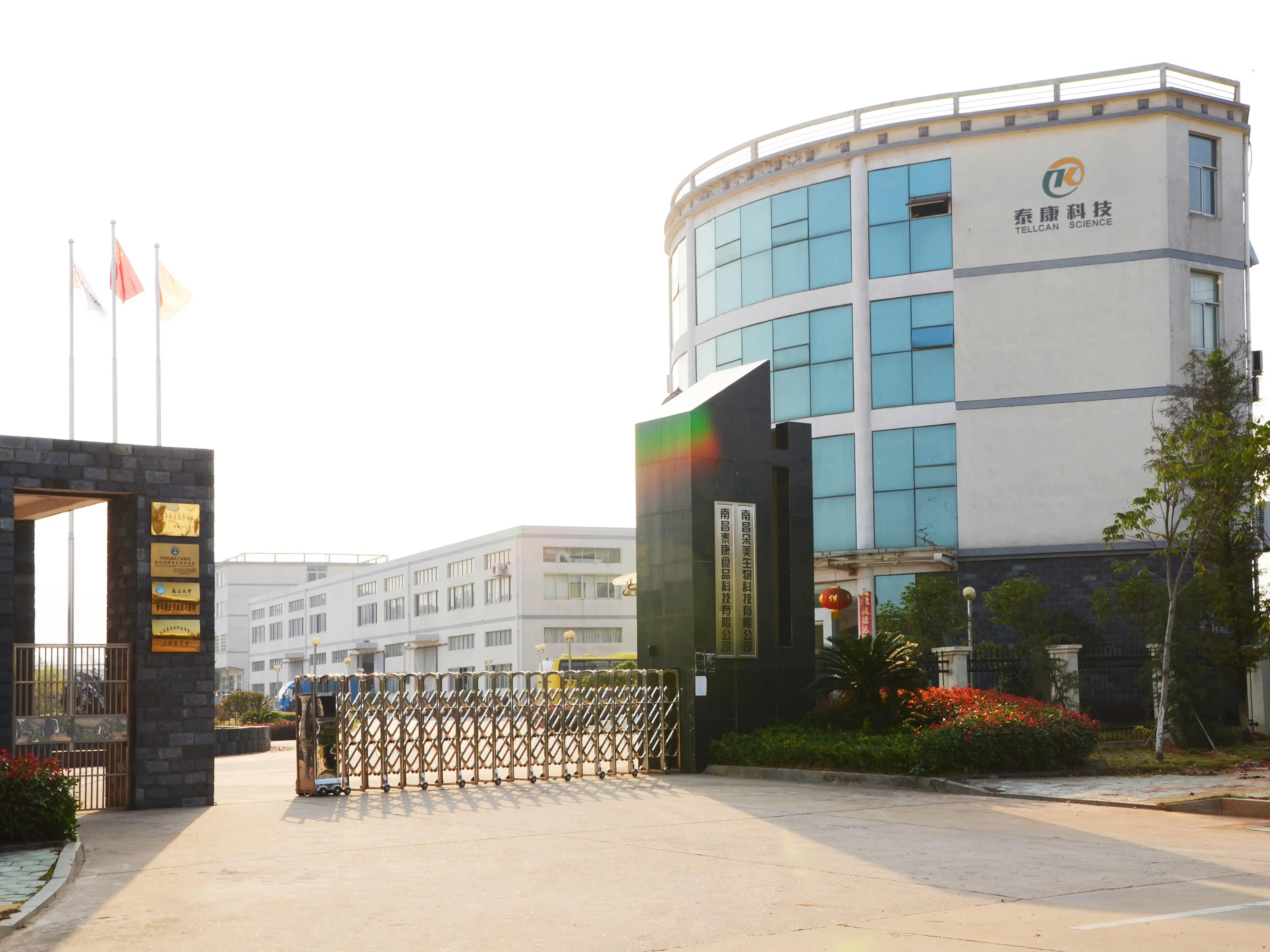
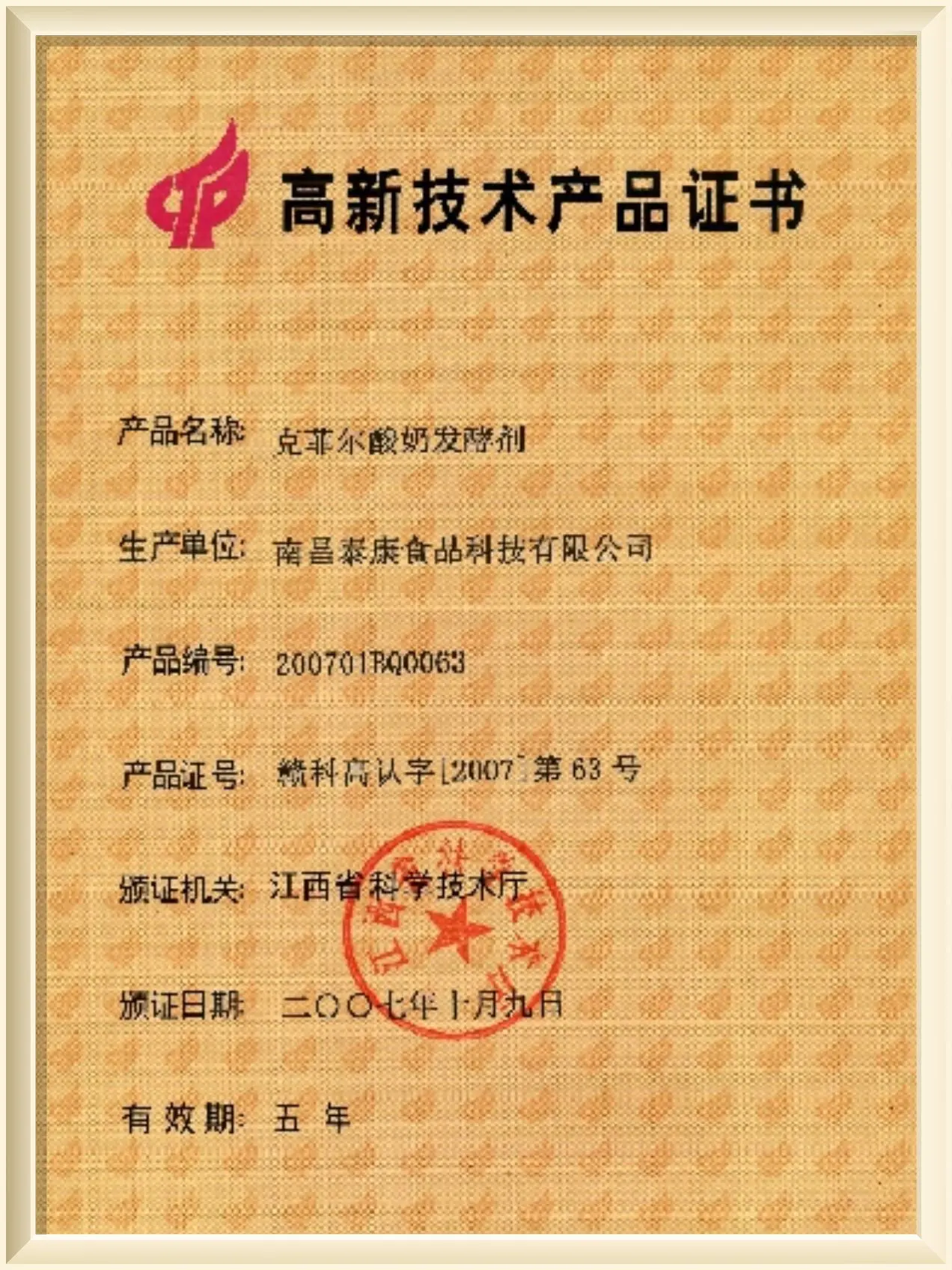
Located in the Changling Industrial Zone II, Nanchang City, Jiangxi Province, Nanchang Tellcan Food Science Co., Ltd. is ranked among the "Top 100 Enterprises in China's Food Additives and Food Ingredients Industry." The company specializes in the R&D, production, and sales of food additives, as well as research and development in information technology, food processing techniques, and the transfer of agricultural product deep-processing technologies.
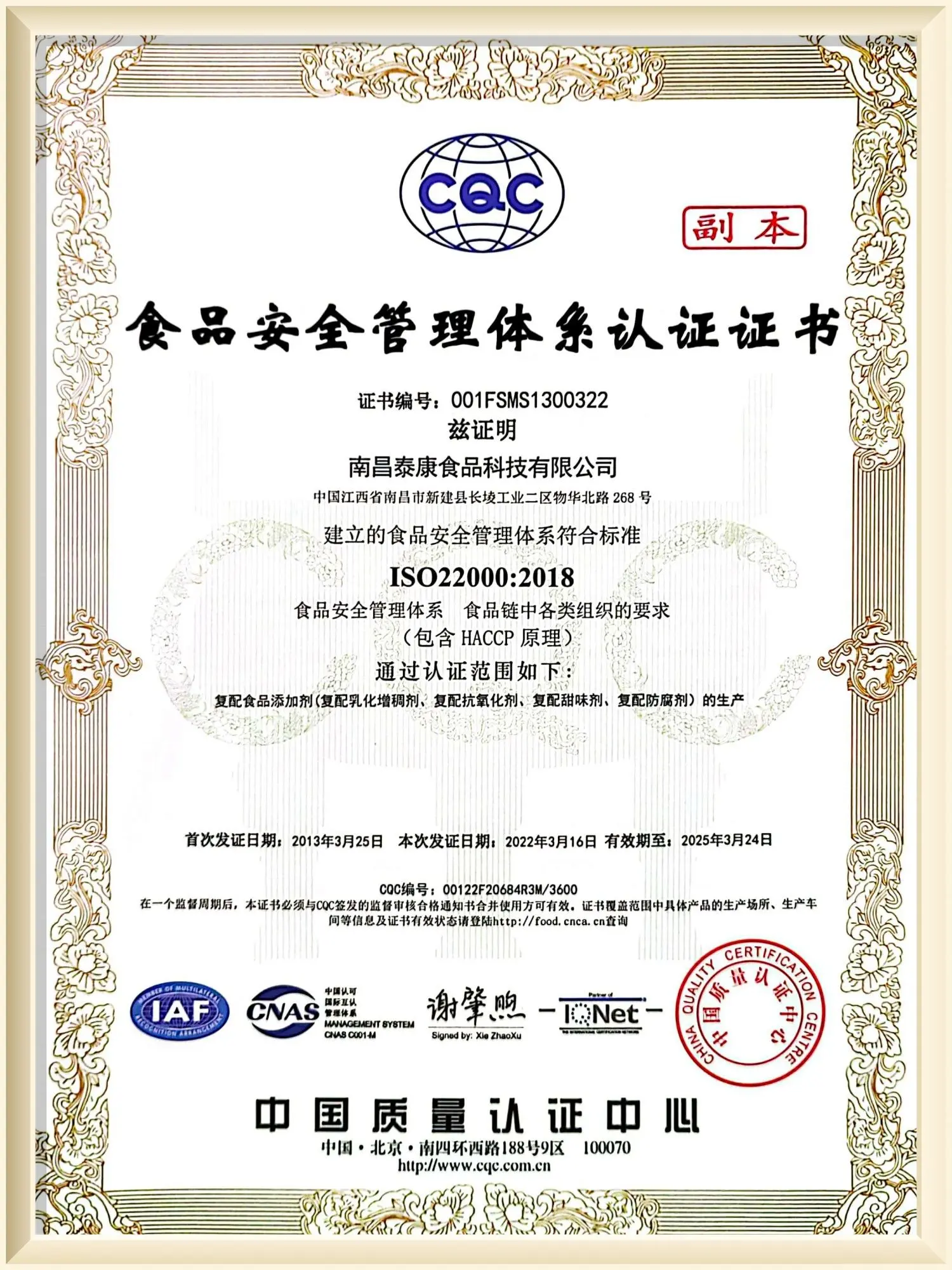
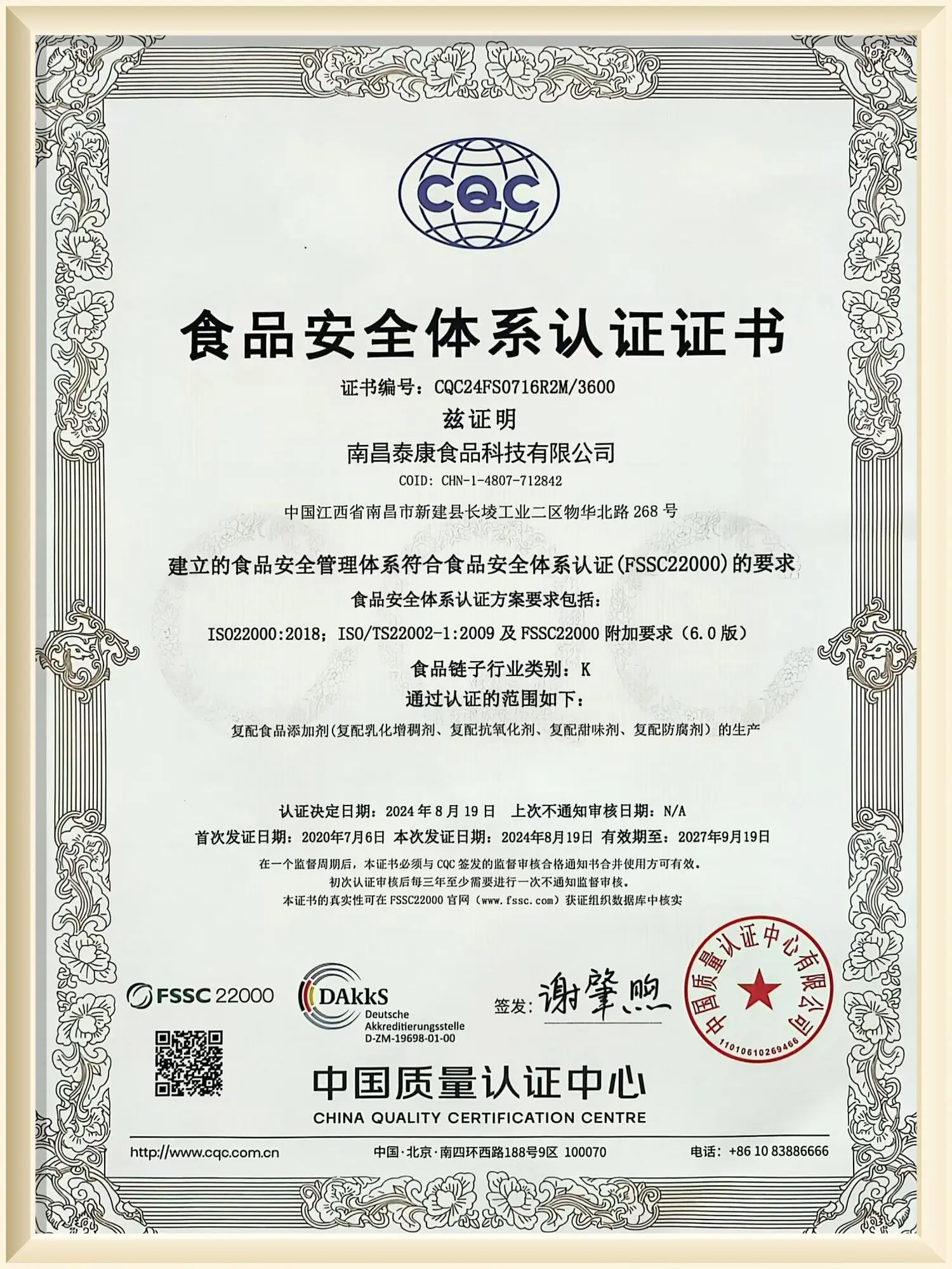
Adhering to the principle of "people-oriented, technology-driven," Tellcan provides optimal stabilizer solutions to global clients. Supported by a robust technical team, Tellcan operates advanced pilot production lines, R&D laboratories, and quality control systems. The company maintains the HACCP 22000 Food Safety Management System, ensuring reliable products and services.

Tellcan integrates stabilizers, emulsifiers, thickeners, sweeteners, antioxidants, and preservatives into tailored formulation systems.
Prevents protein precipitation and whey separation in low pH environments (pH 3.6 - 4.2). Engineered pectin-casein networks maintain homogeneity and texture.
Controls fat creaming and mineral sedimentation in high-calcium, flavored, or neutral milks, creating a stable colloidal structure that withstands UHT sterilization.
Establishes shear-thinning network properties to suspend heavy plant protein aggregates, preventing chalky textures in oat, almond, soy, and coconut beverages.
Optimized combinations of carrageenan, konjac glucomannan, and locust bean gum designed to improve elasticity, control syneresis, and enhance flavor release.
Microcrystalline Cellulose (MCC) serves as a primary stabilizing agent for complex liquid systems. Our manufacturing facility produces high-performance colloidal MCC, which is co-processed with sodium carboxymethyl cellulose (CMC) to ensure rapid hydration and activation.
Once activated under shear, these colloidal particles form a three-dimensional network of insoluble cellulose microfibrils. This network creates yield stress, suspending particles like calcium carbonate, cocoa powder, and plant-derived proteins without increasing the viscosity at drinking shear rates. This maintains the beverage's pourability and natural sensory profile.
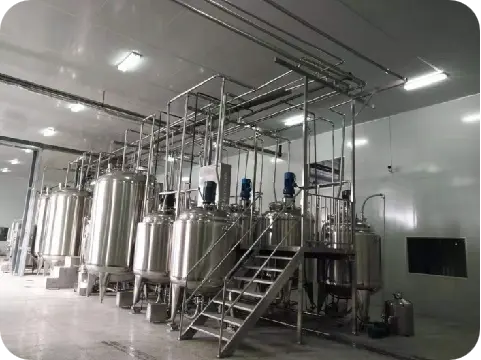
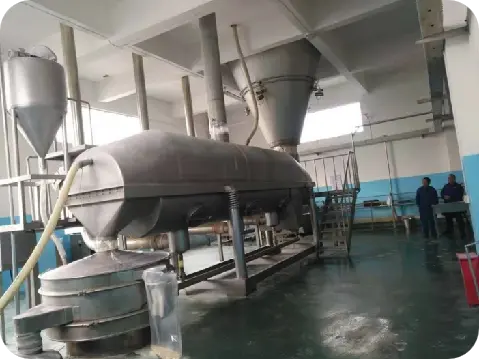
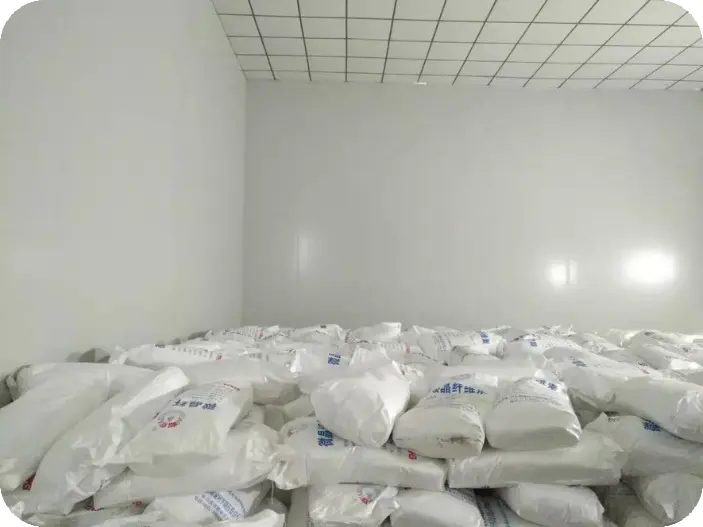
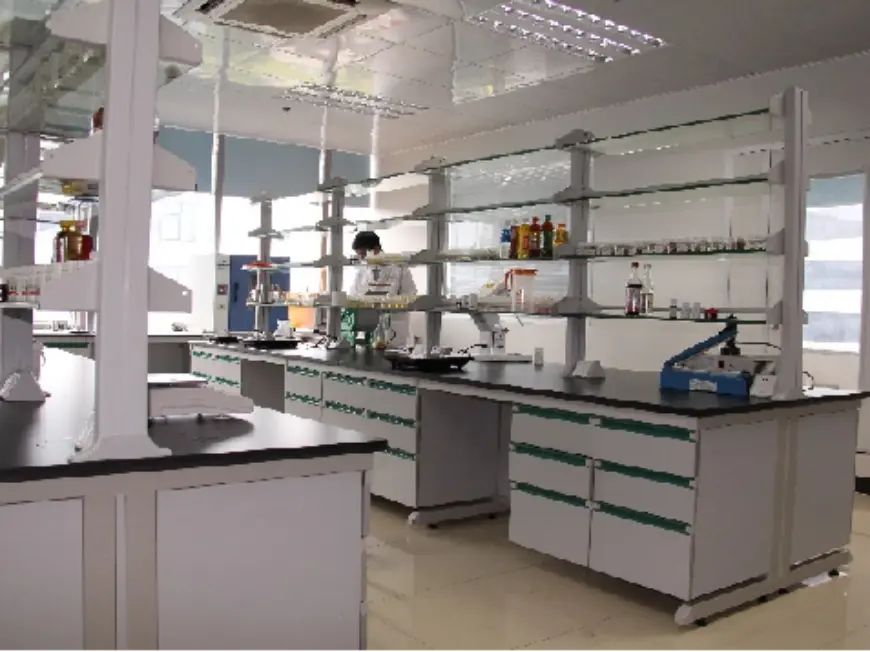
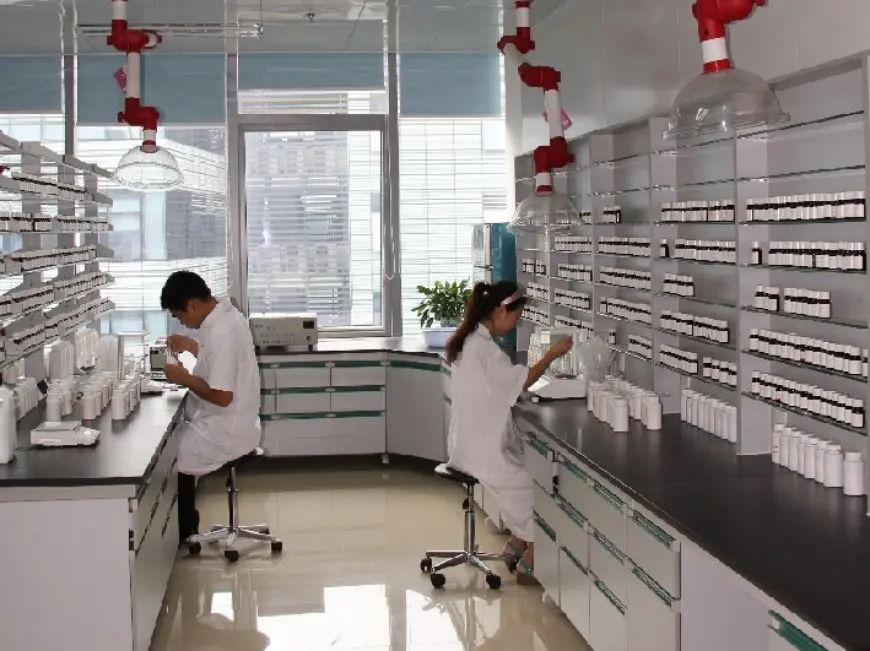
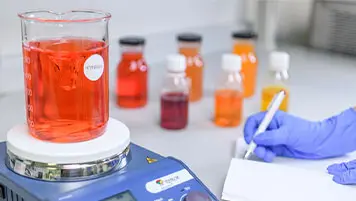
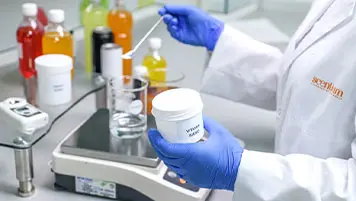
Our R&D centers, pilot testing laboratories, and certified cleanrooms are equipped with analytical instruments to evaluate the viscosity, stability, and sensory profiles of food formulations.
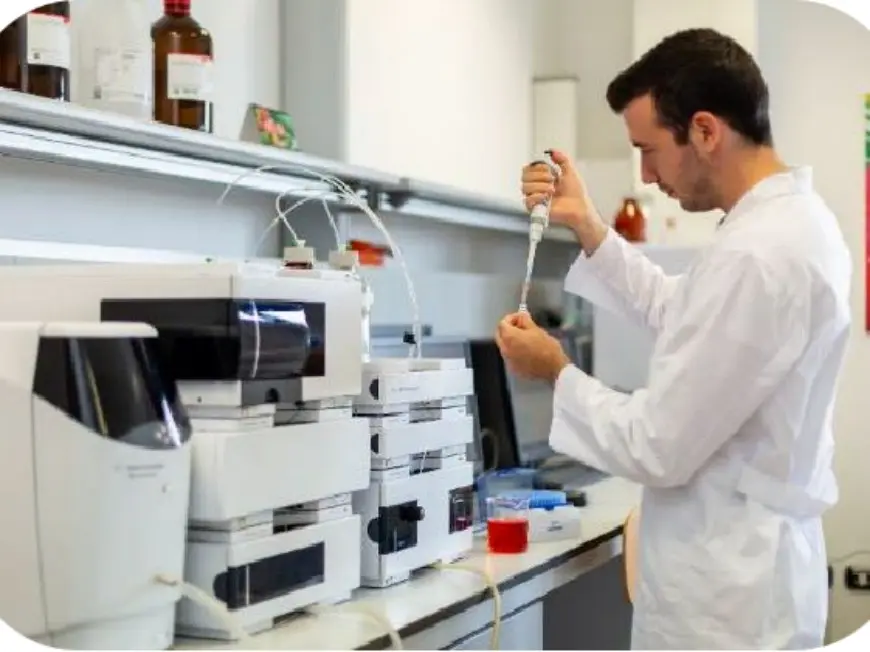
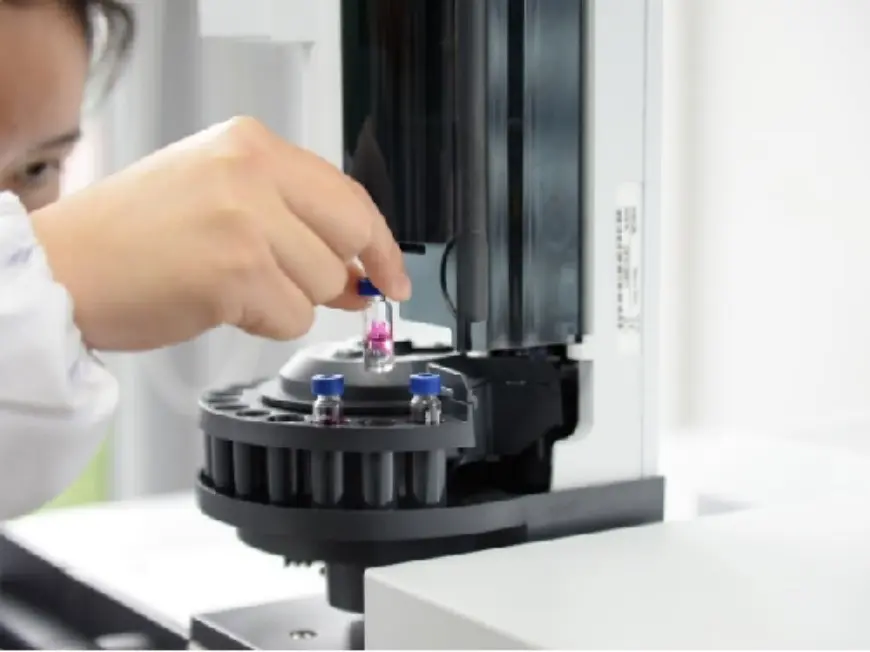
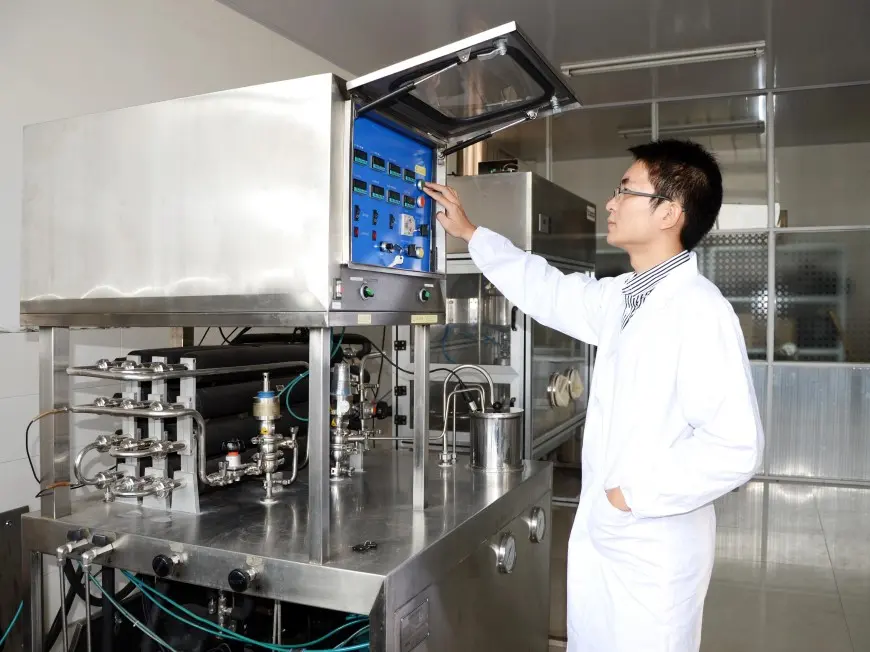
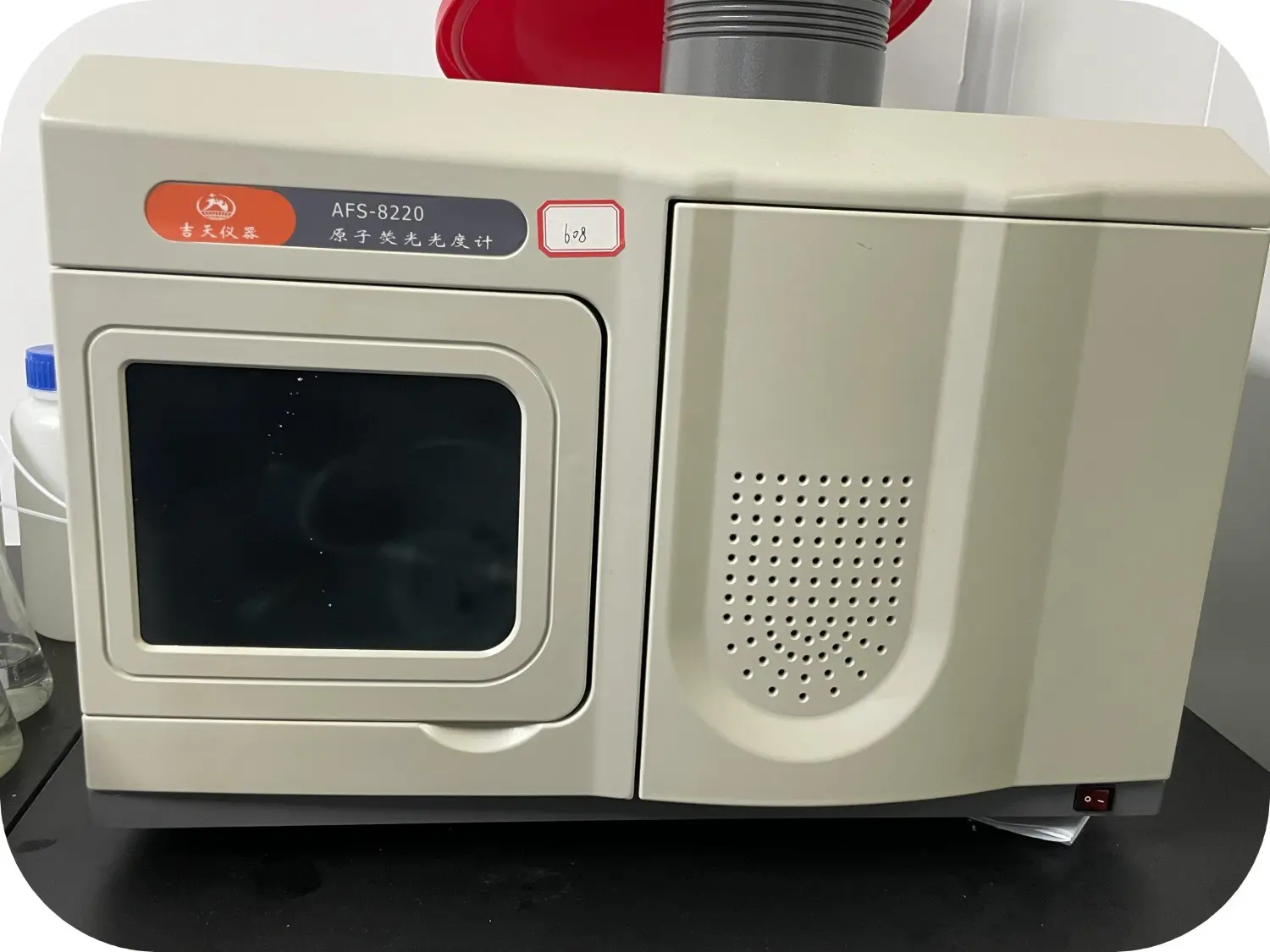

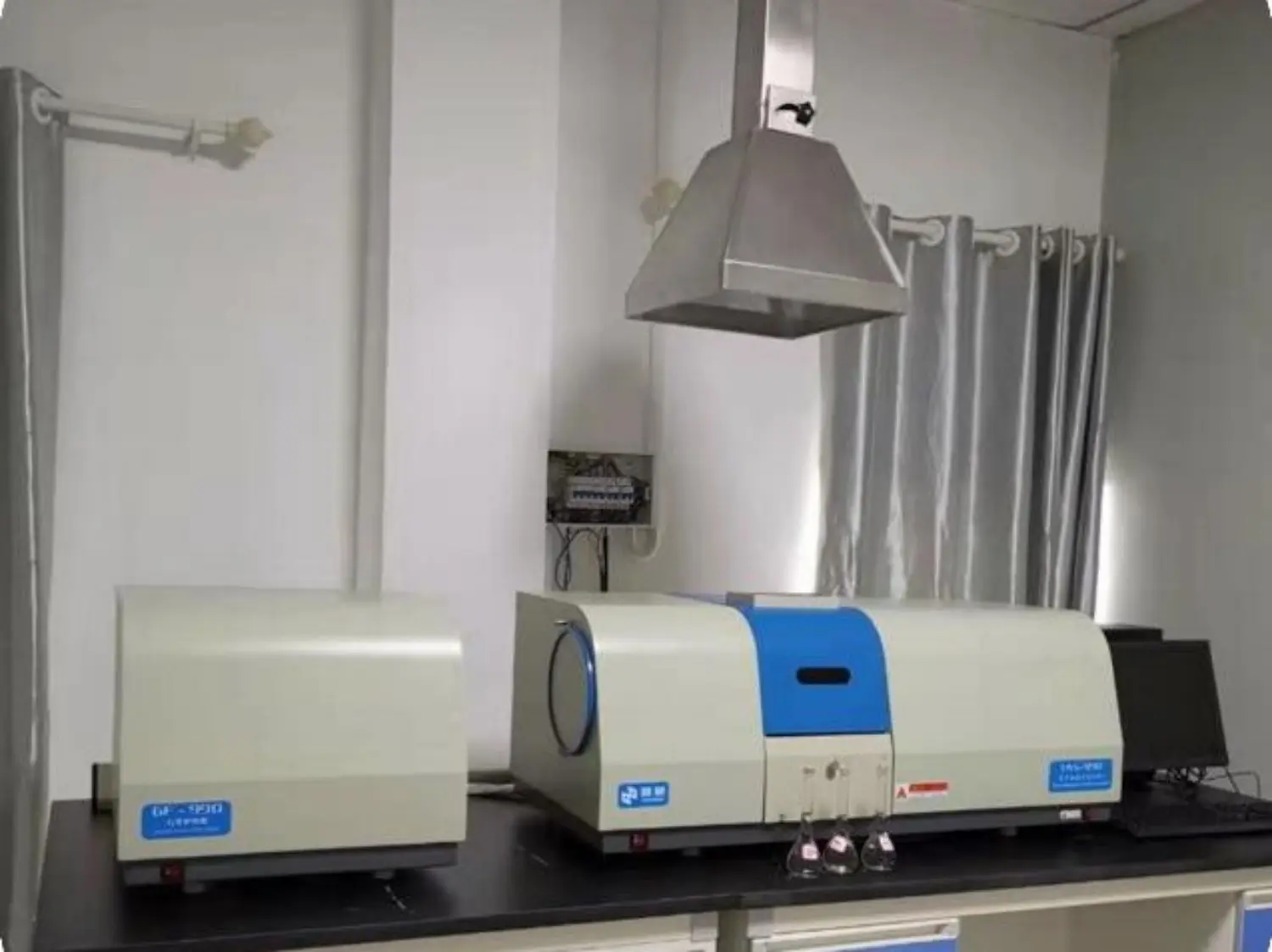
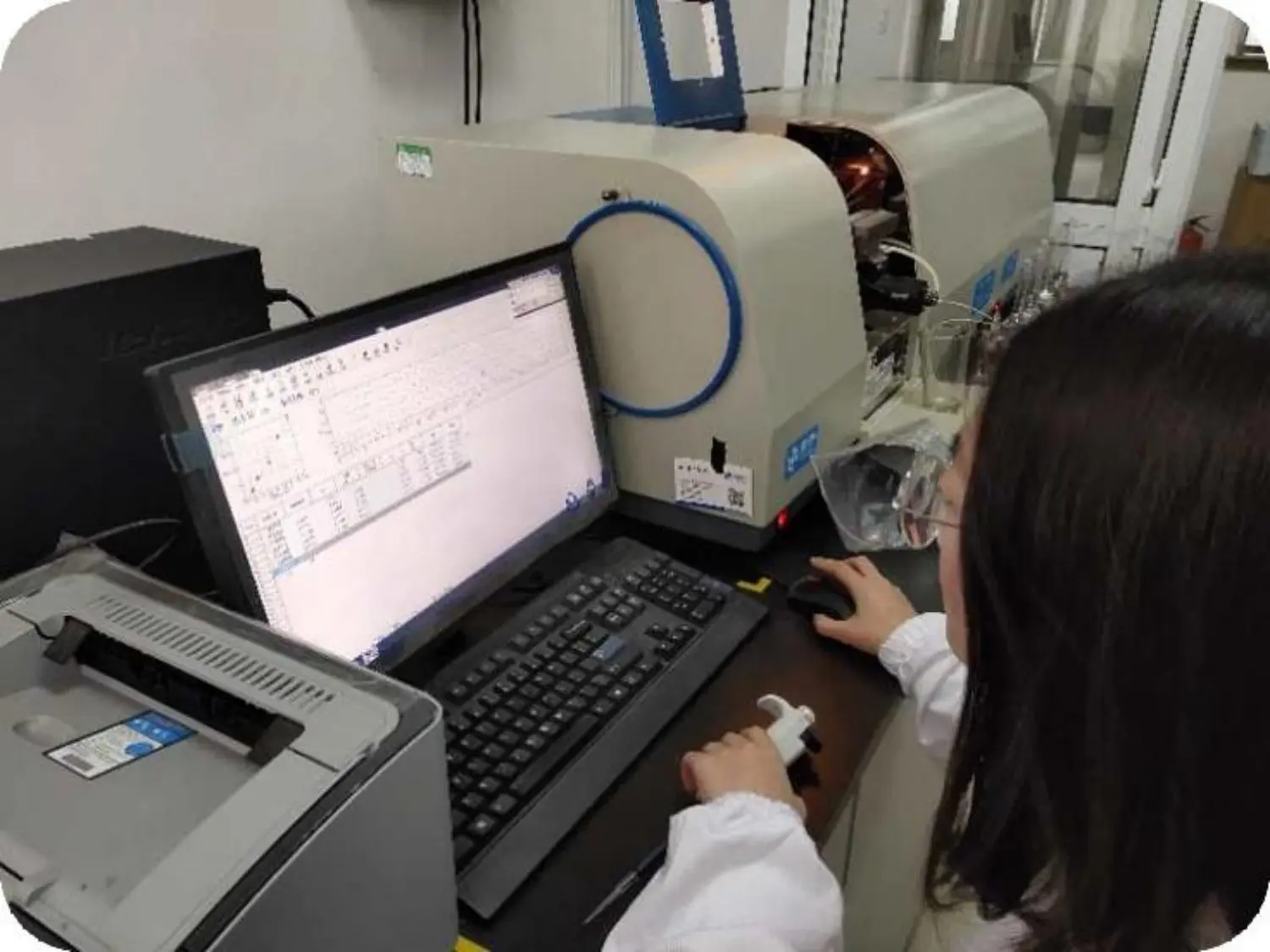
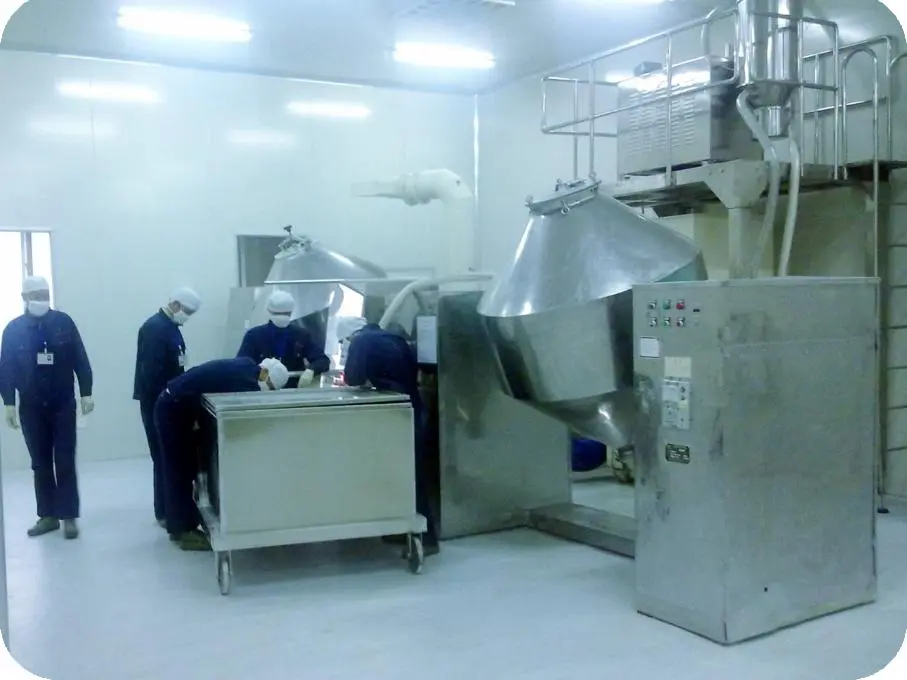
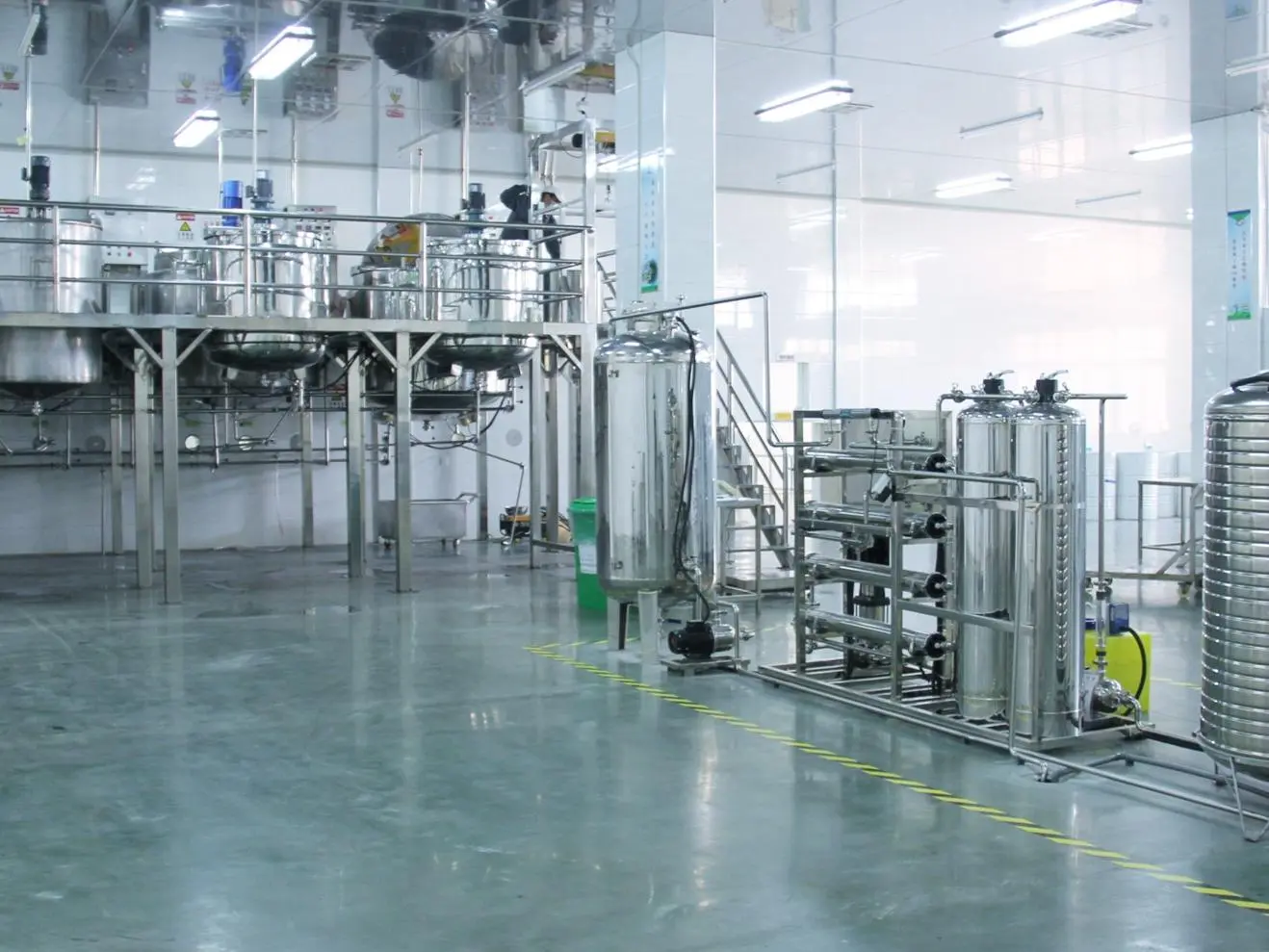
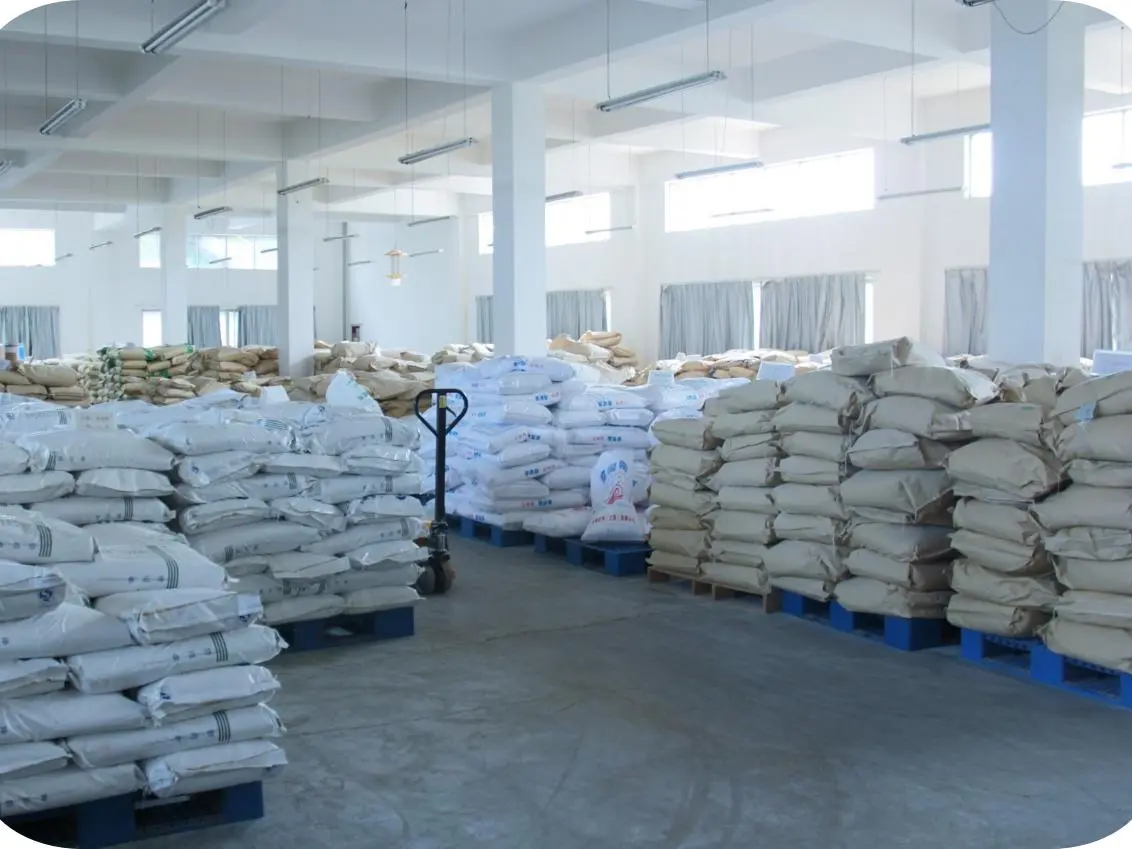
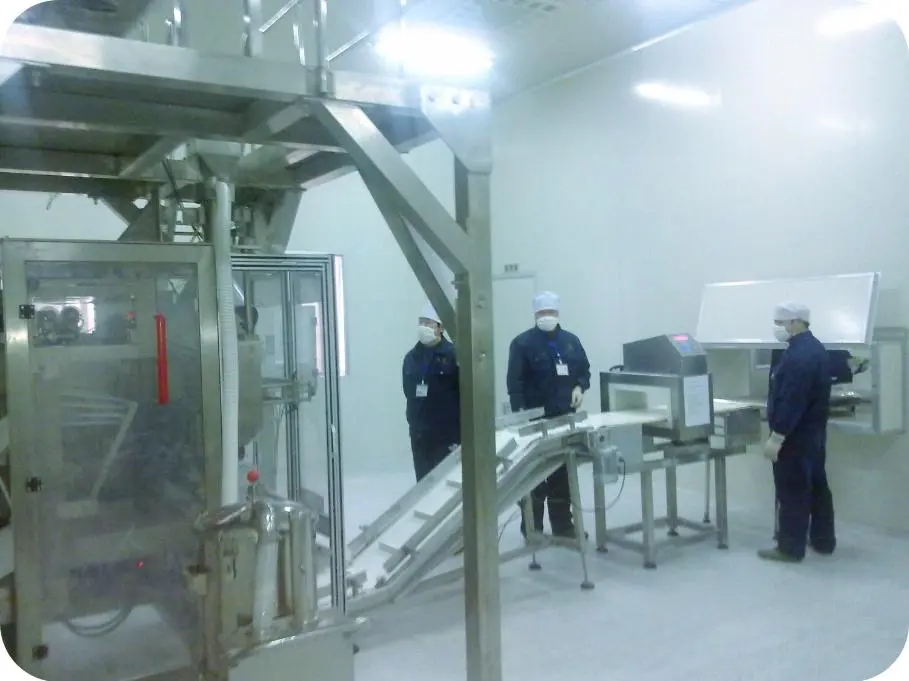
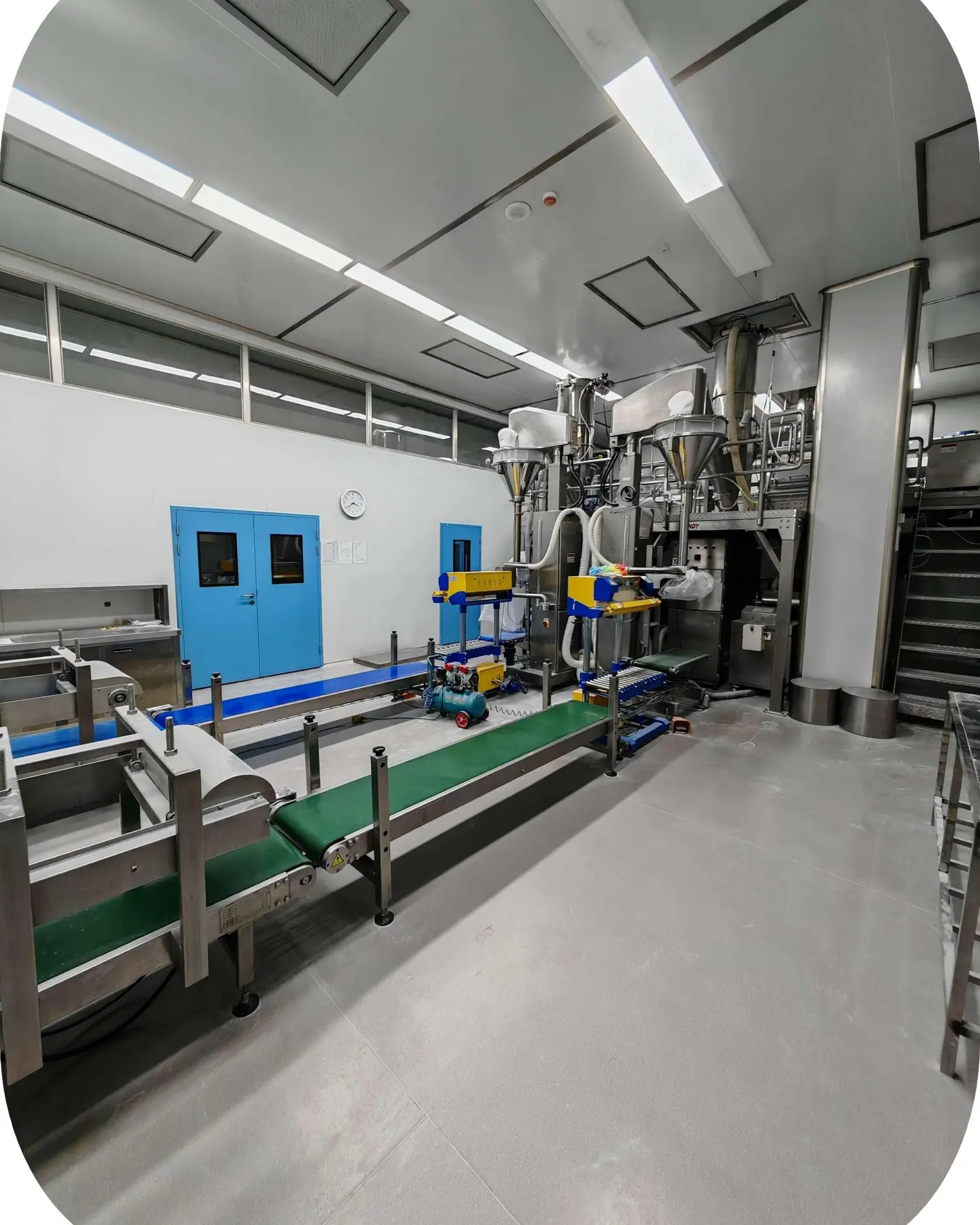
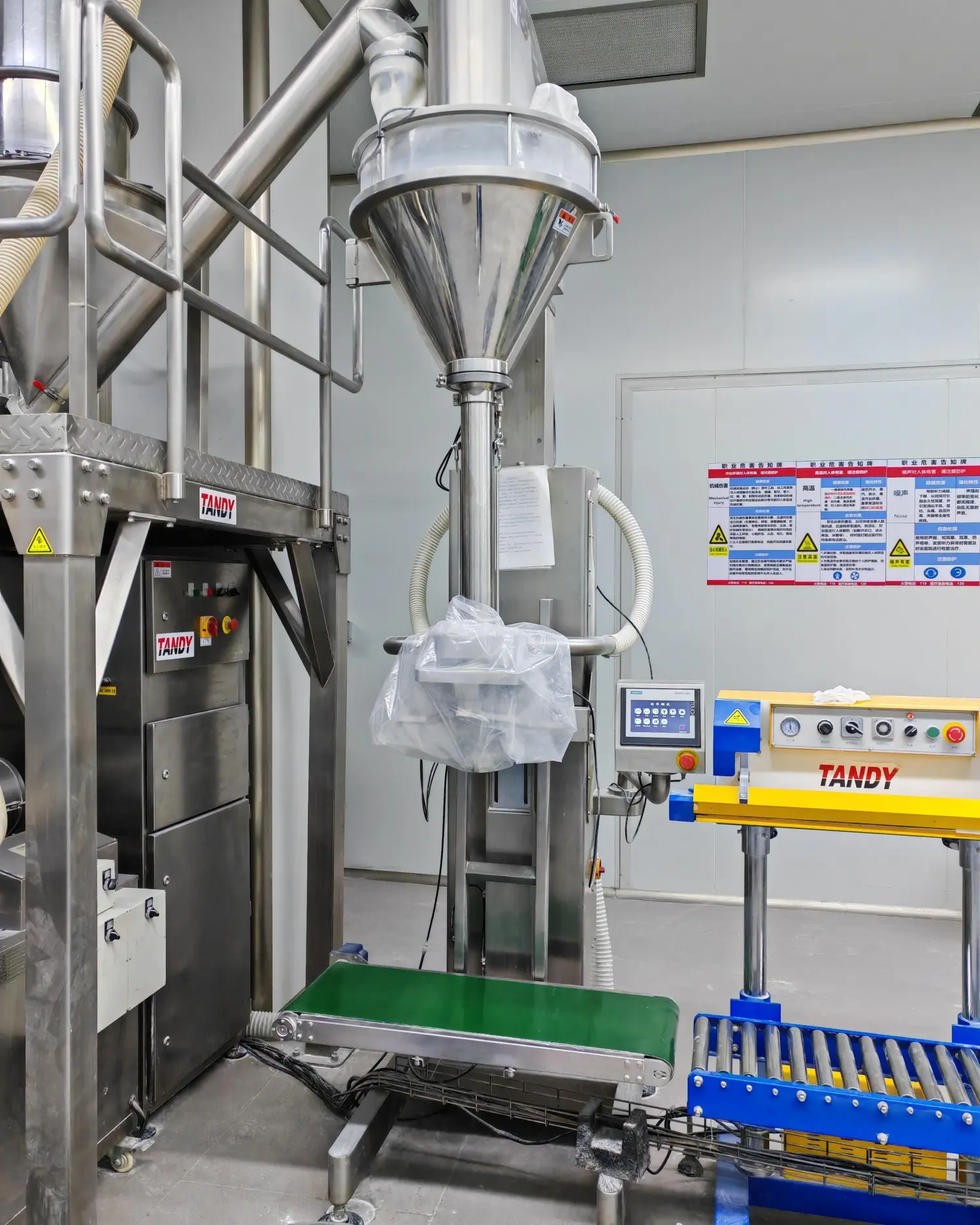
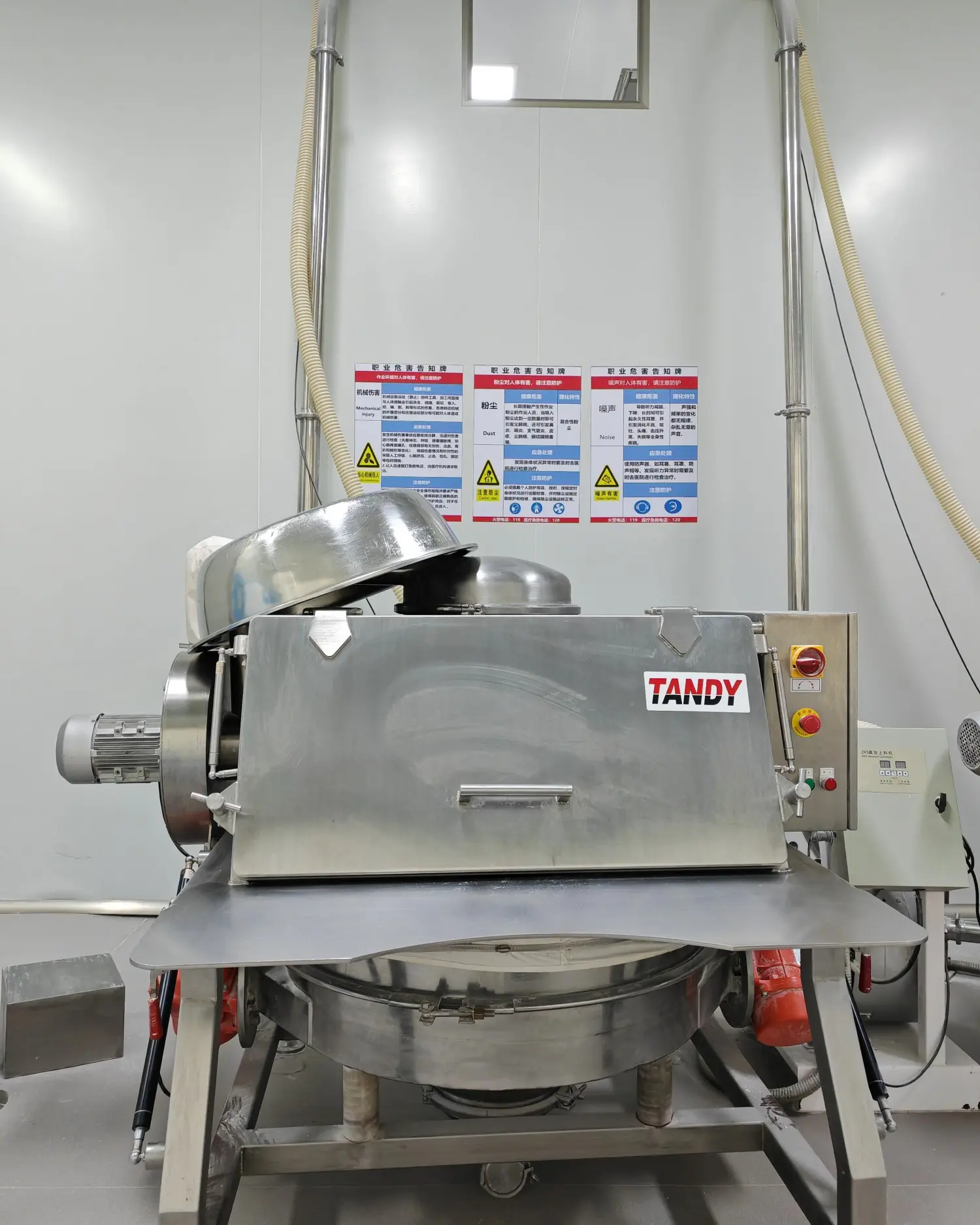
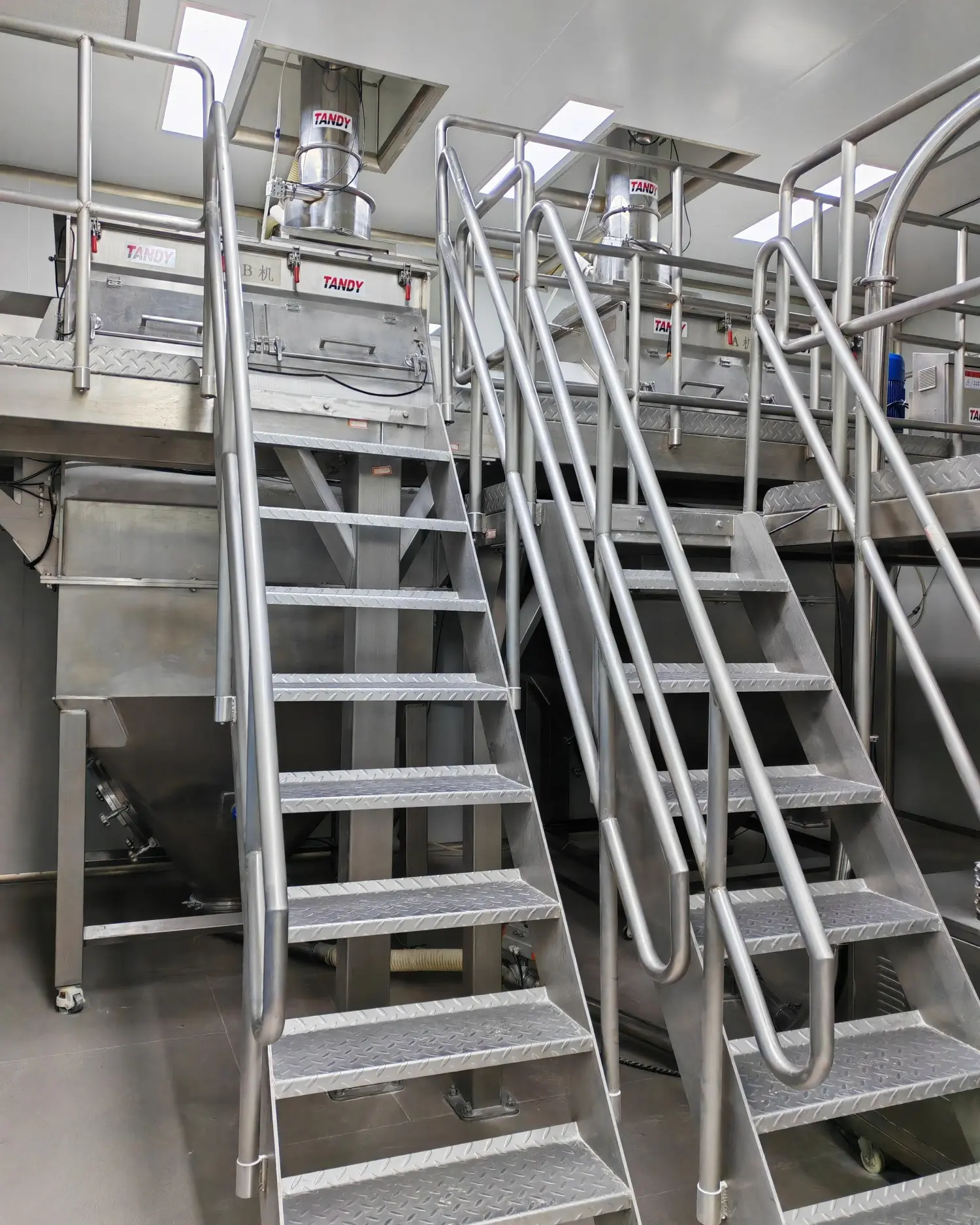
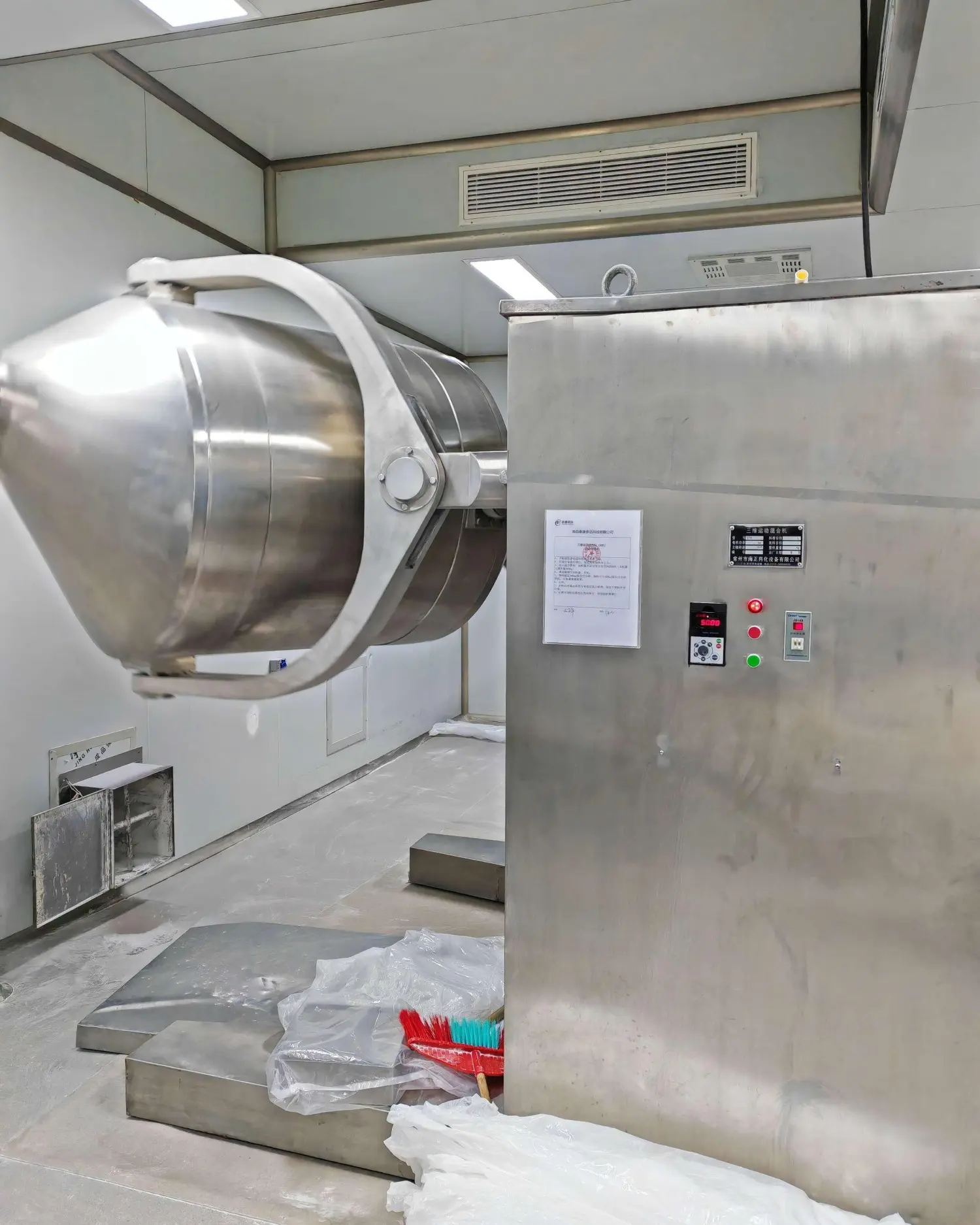
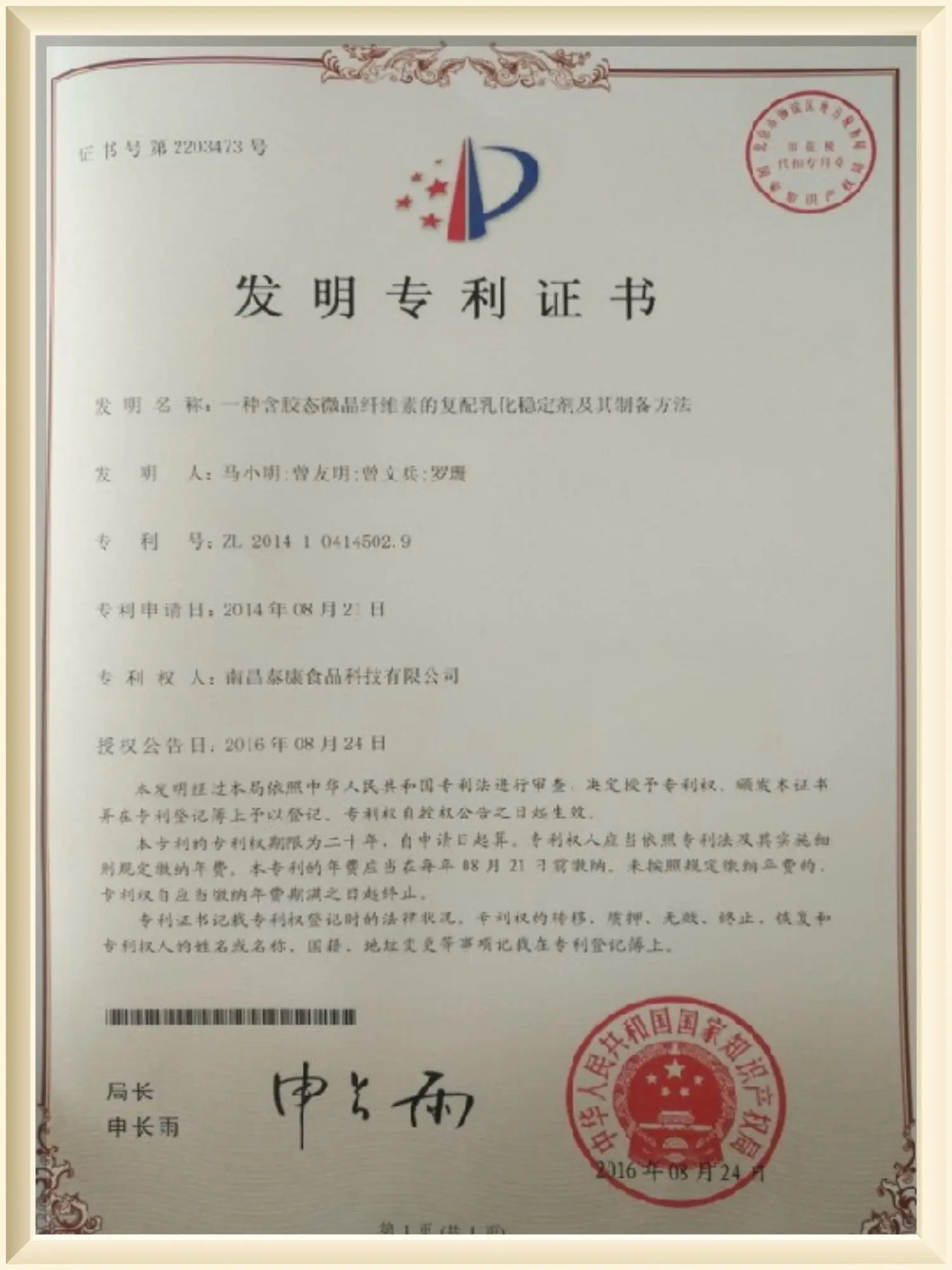
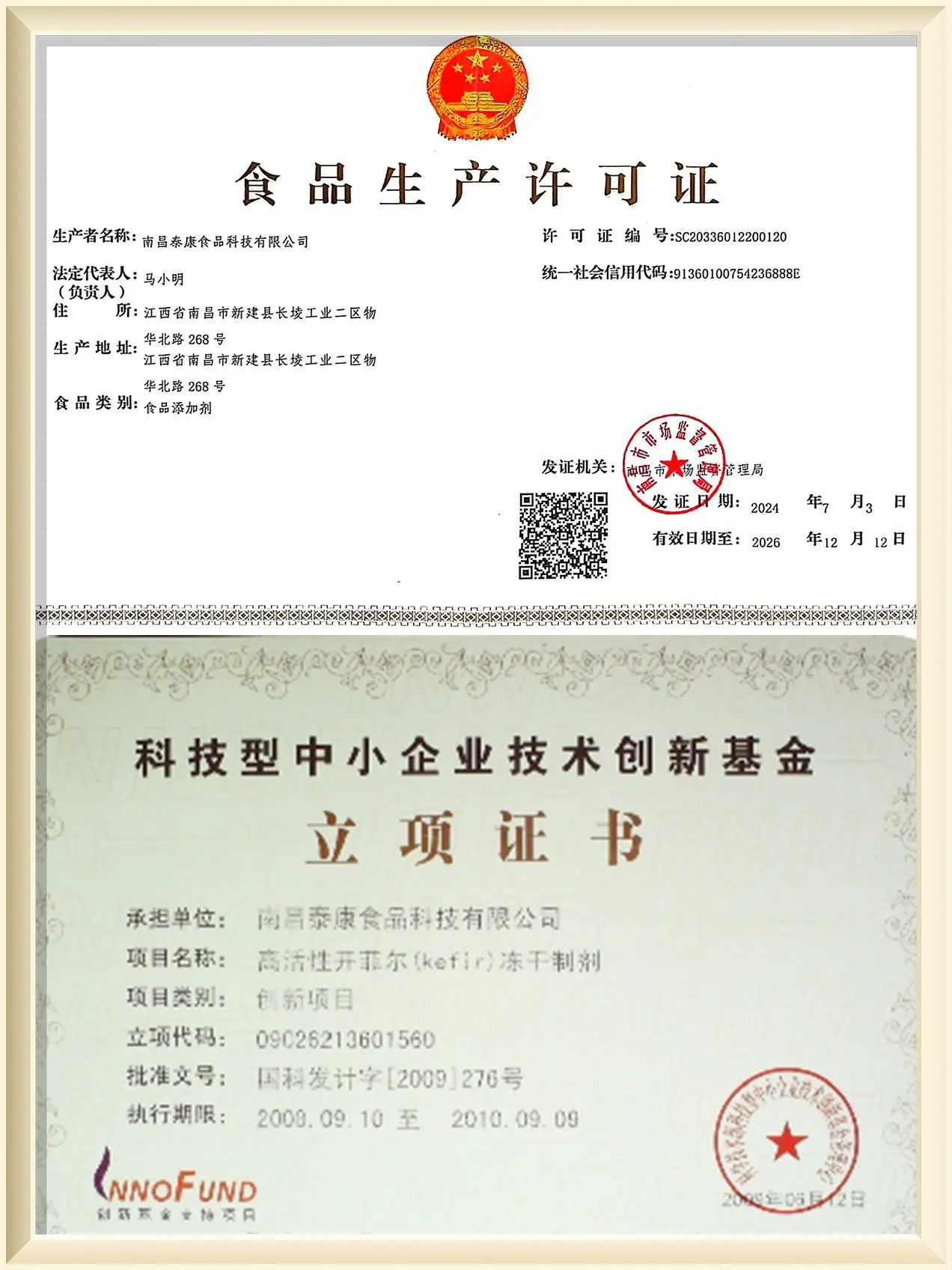
Tellcan is committed to research and development. In addition to formulation production, we support our commercial partners by regularly sharing industry insights through several established platforms:
Guided by our values of "Diligence, Innovation, Integrity, and Progress," Tellcan provides technical support, localized regulatory compliance verification, and custom-blended formulations to help food manufacturers scale up production.
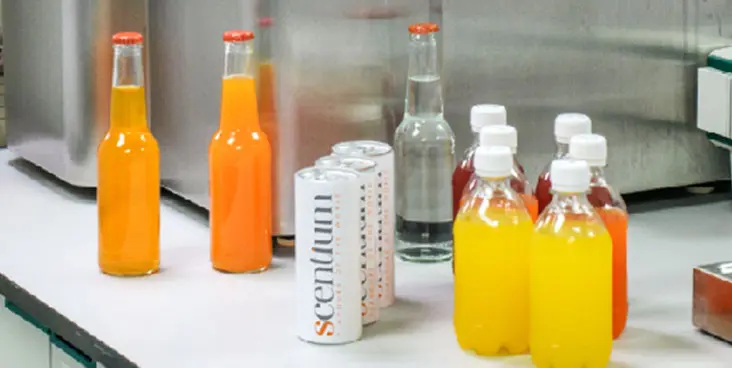
Tellcan's formulation development focuses on three primary objectives to support the next generation of food and beverage products:
Using physical and chemical synergies between gums (such as xanthan, guar, locust bean, and gellan gum) to reduce total hydrocolloid concentration by up to 30% while maintaining the desired stabilization performance.
Developing plant-derived starch, citrus fiber, and enzymatic proteins to replace traditional chemically modified emulsifiers and thickeners, meeting clean-label requirements.
Formulating stabilizer networks that maintain viscosity through retort sterilization, preventing precipitation during long storage cycles.
Technical explanations and solutions from our application engineering team regarding stabilizer performance, syneresis control, and formulation adjustments.





 Tellcan Food