In today's fast-paced world, maintaining optimal health is more important than ever. One effective way to achieve this is through the use of compound antioxidants. These powerful substances work to neutralize harmful free radicals in the body. By doing so, they can reduce oxidative stress and lower the risk of chronic diseases.
There are numerous types of compound antioxidants, each with its unique benefits. Scientific studies suggest that an appropriate intake of these antioxidants can enhance overall well-being. However, it is crucial to understand which compounds offer the best health benefits. Not all antioxidants are created equal.
Conversely, over-reliance on supplements can lead to unbalanced nutrient intake. A balanced diet rich in fruits, vegetables, and whole foods should be prioritized. Reflecting on our choices is essential for maximizing health benefits. Understanding the role of compound antioxidants is a step toward better health. With informed decisions, you can harness their potential effectively.
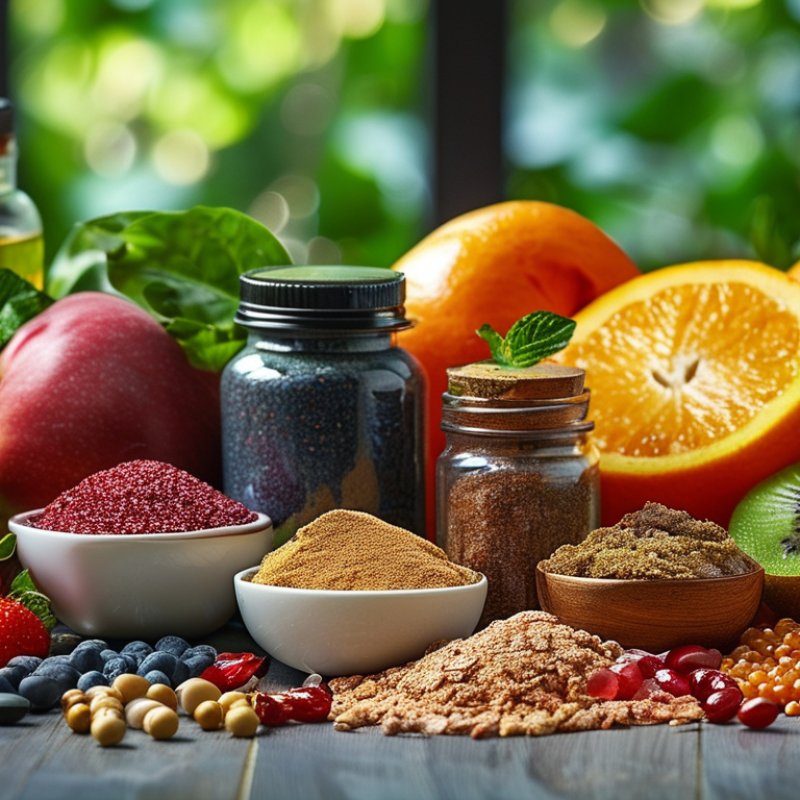
Top 10 Compound Antioxidants: An Overview of Their Health Benefits
Antioxidants play a vital role in maintaining health. They combat oxidative stress, which can lead to chronic diseases. Studies indicate that a diet rich in antioxidants can reduce the risk of cancer by up to 30%. The top compound antioxidants include flavonoids, carotenoids, and vitamins C and E. These compounds are found in a variety of fruits, vegetables, and herbs. For instance, blueberries are rich in flavonoids, while carrots provide a good source of carotenoids.
Understanding the different types of antioxidants can help in optimizing health. Flavonoids, often found in tea, have anti-inflammatory effects. Carotenoids, present in colorful vegetables, support eye health. Vitamins C and E not only enhance immune function but also protect skin health. Incorporating these foods into your diet is straightforward. Aim for a rainbow of colors on your plate daily.
Tip: Include a handful of nuts in your snacks. They contain vitamin E and can improve heart health.
Not all antioxidants are created equal. Some may have limited bioavailability, meaning your body might not absorb them effectively. It’s essential to consider the source and variety of antioxidants in your diet. Regularly mixing different fruits and vegetables can address this concern.
Identifying Key Compound Antioxidants and Their Sources
Antioxidants play an essential role in our health. They combat oxidative stress, a factor in many chronic diseases. Compound antioxidants are particularly effective as they combine different compounds that enhance each other's benefits.
Common sources of these antioxidants include fruits, vegetables, and whole grains. Berries, for instance, contain anthocyanins, which are known for their potent health benefits. Dark leafy greens like kale are rich in vitamins C and E, two powerful antioxidants.
Nuts, especially walnuts and almonds, add healthy fats along with their antioxidant properties. However, it’s vital to consume these foods mindfully. Some people may believe they can get enough antioxidants from supplements. Research indicates that whole food sources are more beneficial than supplements, which can sometimes have adverse effects.
Over-reliance on pills may lead to imbalances in the diet. Exploring diverse foods is a more sustainable approach to obtaining these nutrients. Remember, moderation is crucial; too much of a good thing can also lead to challenges.
Scientific Studies Supporting Antioxidant Efficacy in Disease Prevention
Antioxidants play a crucial role in our health. Numerous scientific studies highlight their potential in preventing chronic diseases. Research indicates that compounds such as vitamins C and E, flavonoids, and polyphenols can reduce oxidative stress. This stress is linked to conditions like cancer and heart disease. More importantly, these antioxidants can neutralize harmful free radicals in the body.
Integrating a variety of antioxidants in your diet can be beneficial. Foods rich in these compounds include berries, dark chocolate, and green tea. These sources not only provide flavor but also enhance overall health. Aim for a colorful plate filled with fruits and vegetables. This variety ensures you get a balanced range of nutrients.
Tip: Always choose whole foods over supplements. Whole foods contain a complex mix of antioxidants. Supplements may lack the full spectrum that natural foods offer. Remember that moderation is key; too much of certain antioxidants can have adverse effects. Listening to your body can help you find the right balance.
Understanding the Mechanisms of Action for Each Antioxidant Compound
Antioxidants play a crucial role in health by combating oxidative stress. Different compounds exhibit unique mechanisms of action. For instance, vitamin C is a water-soluble antioxidant that neutralizes free radicals. Research indicates it can improve skin health and boost the immune system by enhancing the activity of white blood cells.
Polyphenols, found in fruits and vegetables, also contribute significantly to health. They work by modulating cell signaling pathways. A study from the Journal of Nutritional Biochemistry emphasizes their protective effects against cardiovascular diseases. Curcumin, derived from turmeric, enhances the activity of key antioxidant enzymes. It helps reduce inflammation while promoting overall wellness.
Flavonoids, another group of antioxidants, support heart health by improving endothelial function. According to a 2021 report from the American Heart Association, diets rich in flavonoids may lower the risk of heart disease. While these compounds offer health benefits, more research is needed to understand their full potential. Balancing antioxidant intake often requires adjustments to diet and lifestyle, reflecting the ongoing need for personal health assessments.
Recommended Daily Intake and Safety of Compound Antioxidants
When considering compound antioxidants, understanding recommended daily intake and safety is crucial. Many varieties exist, including flavonoids, carotenoids, and polyphenols. The optimal amount varies based on age, gender, and activity level. For example, adults may benefit from 600 to 800 mg of antioxidants daily, closely linked to berry consumption and dark leafy greens.
However, moderation is key. High doses of certain antioxidants can lead to health issues. Users should also be cautious with supplements. Whole foods are preferable. They offer a balanced intake of nutrients, which enhances absorption. And, while getting enough antioxidants is vital, more is not always better.
Consider personal dietary habits. Add variety to your meals. Regularly assess how your body responds to different foods. Noticing fatigue and other symptoms may indicate an imbalance. It’s wise to consult a healthcare professional. They can offer tailored advice for safely increasing antioxidant intake. Staying informed helps make better choices for your health.
Top 10 Compound Antioxidants to Boost Your Health Benefits
FAQS
: Antioxidants help combat oxidative stress, which is linked to chronic diseases. They play a vital role in maintaining health.
Fruits, vegetables, and whole grains are good sources. Berries and dark leafy greens are particularly beneficial.
Whole food sources are more effective than supplements. Supplements may lead to dietary imbalances if relied upon too heavily.
Antioxidants can neutralize free radicals, reducing oxidative stress associated with conditions like cancer and heart disease.
A colorful diet ensures a balanced intake of nutrients. Different foods provide a range of antioxidants and health benefits.
Vitamin C neutralizes free radicals and supports skin health. It also boosts the immune system's effectiveness.
Polyphenols modulate cell signaling pathways and protect against cardiovascular diseases. More research is needed to understand their benefits.
Yes, moderation is important. Excessive intake can lead to adverse effects instead of benefits.
Pay attention to how different foods make you feel. Adjust your diet based on personal experience and health changes.
Balancing intake often requires dietary adjustments. Each individual's needs can vary, reflecting the need for personal health assessment.
Conclusion
This article presents a comprehensive overview of the top 10 compound antioxidants and their significant health benefits. It highlights essential compound antioxidants, their natural sources, and the scientific studies that support their effectiveness in preventing various diseases. Understanding the mechanisms of action for each antioxidant is crucial to appreciating how they contribute to health.
Moreover, the article discusses recommended daily intake levels and safety considerations for these compound antioxidants. By incorporating these compounds into a balanced diet, individuals may enhance their overall health and well-being, demonstrating the vital role these antioxidants play in modern nutrition.

 Tellcan Food