Top 10 Compound Emulsifying Thickeners for Global Buyers?

Time:2026-08-05 Author:Ethan
0%

The global market for thickeners is rapidly evolving, with a shift towards more complex formulations. Notably, Compound Emulsifying Thickeners are leading this change. According to a recent report by Market Research Future, the emulsifier market has seen an increase of over 4% annually. This growth reflects rising demand across various industries, including food, cosmetics, and pharmaceuticals.

Compound Emulsifying Thickeners enhance product stability and texture. They improve the sensory experience of consumers while optimizing production processes. However, they can be challenging to formulate effectively. A lack of understanding can lead to unwanted textures or separation during storage. In this context, selecting the right compound emulsifying thickener is crucial.

The key is finding a balance. Buyers must understand both the advantages and limitations of these thickeners. With an array of options available, it's essential to stay informed about the latest developments in the industry. This knowledge is vital for making informed purchasing decisions that align with both consumer preferences and product performance.
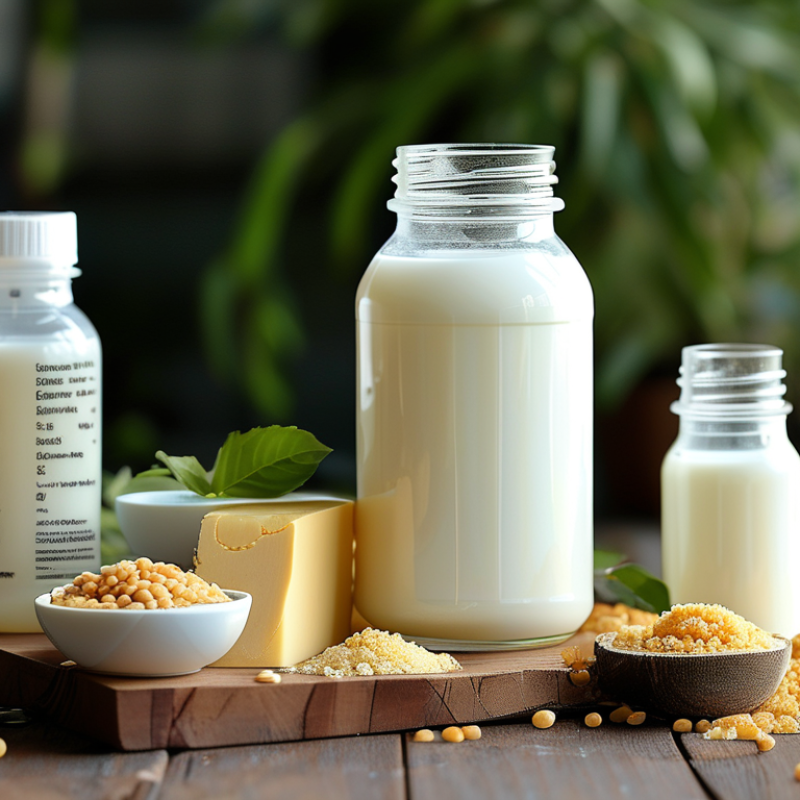
Top 10 Compound Emulsifying Thickeners for Global Buyers?

Key Properties of Compound Emulsifying Thickeners in Food Applications

Compound emulsifying thickeners play a crucial role in food applications. They enhance texture, stability, and mouthfeel in various products. The key properties of these thickeners include their ability to improve viscosity and prevent phase separation. Ingredients like xanthan gum and guar gum are common choices, known for their effectiveness. According to a recent industry report, the market for thickeners is projected to grow by 5.2% annually, highlighting the increasing demand for innovative food formulations.

When selecting emulsifying thickeners, consider their functionality in your specific application. Texture is vital in sauces, dressings, and dairy products. For instance, xanthan gum provides a unique silky feel, while guar gum lends a creamy quality. Each thickener has specific usage ratios that greatly influence the final product. Adjusting these can lead to subpar results.

Tip: Always conduct small-scale tests before full-scale production. This ensures that you achieve the desired texture without compromising product quality. Remember, not all thickeners behave the same way across different temperature ranges or pH levels. Understanding their behavior under various conditions is essential for success.

Top Industry Standards for Selecting Emulsifying Thickeners Globally

When selecting emulsifying thickeners, understanding industry standards is essential. Emulsifying thickeners are vital in creating stable products across food, cosmetics, and pharmaceuticals. Research indicates that the global market for these thickeners is projected to reach $3.7 billion by 2026, reflecting a compound annual growth rate of 4.5%. The increasing demand for clean label products stimulates growth in this sector.

Buyers should prioritize factors such as viscosity, stability, and compatibility when evaluating thickeners. For example, it's crucial to assess how a thickener performs under different temperatures and pH levels. A recent study revealed that 70% of product failures are due to improper thickener selection. Additionally, the sourcing of raw materials can impact both efficacy and safety. Reliable sources emphasize the use of natural alternatives, which are gaining traction among manufacturers.

Moreover, the regulatory landscape plays a significant role. Compliance with international standards, such as the FDA and EFSA guidelines, can elevate product credibility. Companies must continuously adapt to changing regulations. This adaptability is key for success in a highly competitive market. However, aligning these factors can be complex and may require extensive testing and research. Ultimately, a streamlined approach to selecting emulsifying thickeners can greatly enhance product quality and consumer trust.

Comparative Analysis of Popular Compound Emulsifying Thickeners

Choosing the right compound emulsifying thickener can significantly impact product texture and stability. This comparative analysis of popular thickeners reveals essential insights for global buyers looking to optimize formulations. Key aspects like viscosity, emulsification capacity, and thermal stability vary among thickeners. Understanding the properties of each can lead to better product performance.

When evaluating options, consider the source. Natural thickeners may offer cleaner labels but can vary in consistency. Synthetic thickeners might ensure uniformity but can lack consumer appeal. Lab testing is critical. Test different thickeners in small batches to identify optimal performance.

Tips: Always examine compatibility with other ingredients. Some thickeners interact poorly with specific acids or salts. Start small when reformulating existing products. Keep records of changes to trace any quality shifts. Regular reviews of performance in different conditions can help refine choices further.

Emerging Trends in the Use of Thickeners in Food Technology

Emulsifying thickeners are becoming increasingly vital in food technology. They enhance texture and stability, making products more appealing. According to the Food Technology Association, the global thickeners market is expected to reach $10 billion by 2026, growing at a CAGR of 5%. This growth reflects the rising consumer demand for better food texture and quality.

Recent trends show a shift towards natural and plant-based thickeners. Many consumers prefer products with clean labels. A report by the Food Ingredients Research Institute indicates that 60% of consumers are more likely to buy food products with identifiable ingredients. Moreover, there is emphasis on sustainability. Companies are exploring sustainable sourcing for their ingredients, which can often be a challenging task.

While many manufacturers focus on innovation, some struggle with the balance between functionality and health. Certain thickeners may alter nutritional profiles. It's essential for producers to consider how thickeners impact health and the environment. For instance, whereas locust bean gum is effective, its overuse can lead to undesirable textures. Ensuring product quality while meeting consumer expectations presents a complex challenge.

Regulatory Considerations for Global Use of Emulsifying Agents

Emulsifying agents play a crucial role in the food, cosmetic, and pharmaceutical industries. Regulatory frameworks governing these agents can be complex. Various countries have different safety assessments for emulsifiers, leading to potential market barriers. For instance, the European Food Safety Authority (EFSA) has stringent guidelines for emulsifiers used in food products, demanding extensive safety data.

The global demand for emulsifying thickeners is growing. In 2021, the market size was estimated at USD 1.5 billion, with a projected compound annual growth rate (CAGR) of 5.8% through 2028. This rapid growth amplifies the need for compliance. Several emulsifiers are regarded as safe, but regulatory agencies may classify new or modified emulsifiers differently, causing apprehension among manufacturers. Understanding these nuances is essential for global buyers navigating compliance.

Furthermore, even widely accepted emulsifiers may have conflicting regulations. Countries may impose limits based on their consumer safety philosophies. It becomes crucial for companies to stay informed about evolving guidelines. Failure to comply can lead to significant financial penalties and tarnished reputations. Ensuring thorough knowledge of local regulations is vital for sustainable market presence.

FAQS

: What factors should I consider when choosing a thickener?

: Consider viscosity, emulsification capacity, and thermal stability. These affect texture and stability.

Are natural thickeners better than synthetic ones?

Natural thickeners offer cleaner labels but may lack consistency. Synthetic options provide uniformity but can lack appeal.

How important is lab testing for thickeners?

Lab testing is crucial. Test thickeners in small batches to find the best performance for your product.

What should I watch out for with thickener compatibility?

Some thickeners may interact poorly with specific acids or salts. Always check compatibility with other ingredients.

How can I improve my reformulation process?

Start small when reformulating. Keep detailed records of changes linked to any shifts in quality.

Why are consumers favoring natural thickeners?

Many consumers prefer clean labels and identifiable ingredients. About 60% lean towards products with simple ingredient lists.

What challenges do producers face with thickeners?

Balancing functionality and health can be tough. Some thickeners might alter nutritional profiles negatively.

How does sustainability affect thickener sourcing?

Companies aim for sustainable sourcing, but it can be quite challenging to maintain quality.

Can overusing certain thickeners lead to issues?

Yes, excessive use, like locust bean gum, can create undesirable textures in food products.

What is the future of the thickeners market?

The thickeners market is growing, expected to reach $10 billion by 2026, driven by demand for better texture.

Conclusion

The article "Top 10 Compound Emulsifying Thickeners for Global Buyers" explores the essential attributes of compound emulsifying thickeners used in food applications, highlighting their critical role in enhancing texture and stability. It outlines key industry standards for selecting these thickeners, ensuring that they meet safety and quality expectations globally.

Additionally, the comparative analysis of popular compound emulsifying thickeners provides insights into their effectiveness and application versatility. The piece also examines emerging trends in food technology, indicating a growing focus on innovation and sustainability in thickening agents. Furthermore, it addresses regulatory considerations that affect the global use of emulsifying agents, ensuring compliance with international food safety regulations, which is crucial for manufacturers in this competitive market.


Ethan

Ethan

Ethan is a seasoned marketing professional with a deep expertise in our company's innovative product line. With a passion for sharing knowledge and insights, he takes the lead in regularly updating our corporate blog, where he explores industry trends, product features, and effective marketing......