Microcrystalline Cellulose Powder (MCCP) is a versatile additive widely used in various industries. Dr. Sarah Thompson, a leading expert in food science, states, "Microcrystalline Cellulose Powder enhances texture and stability without altering flavor." This insight reflects MCCP's significant role in food products, pharmaceuticals, and cosmetics.
In the food industry, Microcrystalline Cellulose Powder serves as a thickener and stabilizer. It helps improve shelf life and maintain product consistency. In pharmaceuticals, MCCP acts as a binder in tablet formulations, ensuring even distribution of active ingredients. The versatility of MCCP is evident in its applications, yet the industry faces challenges in sourcing and sustainable production.
While Microcrystalline Cellulose Powder offers many benefits, there are areas worth examining. Its extraction process can lead to environmental concerns. Additionally, some consumers may prefer natural alternatives. The future of MCCP hinges on innovation and responsible sourcing practices. Balancing effectiveness with sustainability will be crucial for continued growth.
What is Microcrystalline Cellulose Powder?
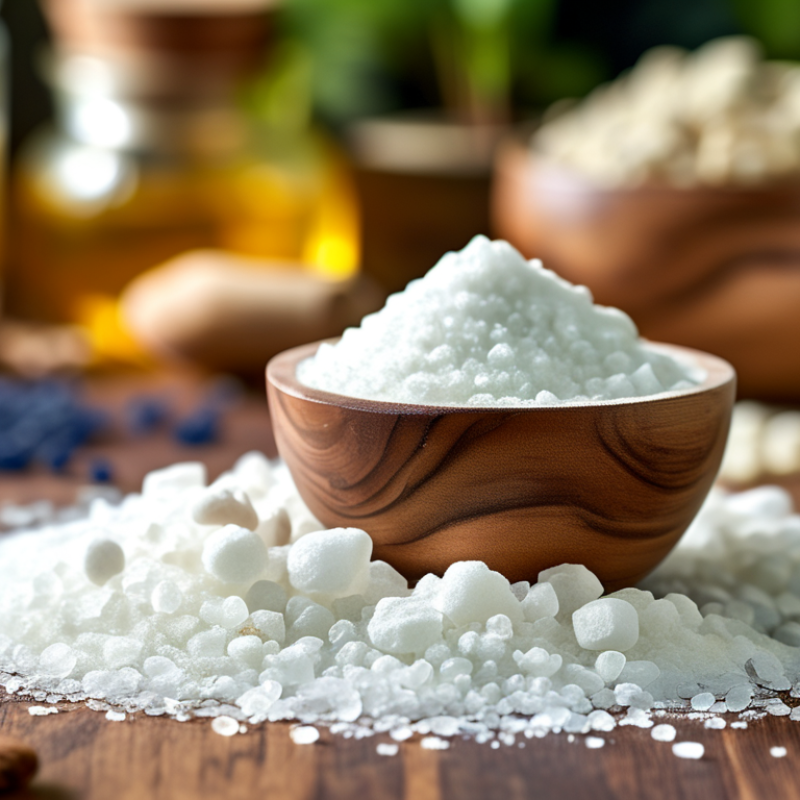
Microcrystalline cellulose powder is a versatile ingredient derived from plant cellulose. It appears as a fine, white powder and is popular in various industries. This substance has excellent binding and bulking properties. It is often used as a texturizer in food products, providing a pleasant mouthfeel. In the pharmaceutical sector, it serves as a filler in tablets, ensuring even distribution of active ingredients.
The production of microcrystalline cellulose involves the hydrolysis of cellulose fibers. This process breaks down the fibers into smaller, crystalline particles. This unique structure contributes to its properties, making it an essential component in many formulations. However, it is worth noting that not all products labeled as microcrystalline cellulose are of the same quality. Variability in the manufacturing process can lead to differences in functionality and performance.
Despite its widespread use, it is not immune to criticism. Some individuals may experience sensitivities or adverse reactions. These reactions can be due to the purity of the product or individual dietary sensitivities. Careful consideration should be given when incorporating it into recipes or supplements. Understanding the source and quality of microcrystalline cellulose is important for safe usage.
Chemical Composition and Properties of Microcrystalline Cellulose
Microcrystalline Cellulose (MCC) is a purified, partially depolymerized cellulose. It is derived from natural cellulose sources, such as wood pulp or cotton. This powder is known for its unique chemical composition. Composed primarily of cellulose, it has a fine, crystalline structure that enhances its properties. Its low moisture content makes it suitable for various applications. Furthermore, MCC is not soluble in water, which adds to its stability in different environments.
The properties of microcrystalline cellulose include excellent binding and thickening capabilities. It acts as a stabilizer in food products, ensuring consistency. In pharmaceuticals, it serves as an excipient, enhancing the effectiveness of drugs. Its inert nature means it does not react with active ingredients. This allows for more precise dosing. Some may argue that its safety profile still deserves further scrutiny. Though widely regarded as safe, continuous research is vital. This reflects the importance of ongoing assessment in health and safety.
MCC is also resistant to changes in temperature, acidity, and humidity. This makes it ideal for use in diverse industries. However, over-reliance on this compound might limit innovation in alternative materials. As industries evolve, exploring new cellulose derivatives could be beneficial. Balancing traditional uses with emerging developments is essential for progress.
Common Uses of Microcrystalline Cellulose in Food Industry
Microcrystalline cellulose (MCC) is a widely used substance in the food industry. This white, odourless powder is derived from natural cellulose sources. It functions as a texturizing agent, anti-caking agent, and bulking agent. Many food manufacturers incorporate MCC to enhance the consistency and stability of their products. According to a 2020 report by the International Food Science Journal, MCC is increasingly recognized for its versatility and safety in food applications.
In processed food items, such as baked goods and dairy products, MCC helps improve texture. It can enhance moisture retention, making products softer and fresher. Moreover, MCC is low in calories, which appeals to health-conscious consumers. A notable study indicated that up to 60% of low-calorie foods used MCC as an ingredient. This trend highlights the importance of MCC in catering to dietary preferences without sacrificing taste or quality.
Despite its benefits, some challenges exist. For instance, excessive use of MCC can lead to a grainy texture in food products. Additionally, consumers may prefer whole ingredients over additives, which makes transparency a critical issue. Food companies must navigate these complexities while maintaining quality. As the industry evolves, research continues. Future studies will likely explore the full potential and limitations of microcrystalline cellulose in various food applications.
Applications of Microcrystalline Cellulose in Pharmaceuticals
Microcrystalline cellulose (MCC) is a purified, partially depolymerized cellulose product. It is widely used in pharmaceuticals due to its unique properties. As an excipient, MCC serves as a binder and filler in tablet formulations. Its excellent binding capabilities improve tablet cohesion, which is essential for consistent drug release.
In 2022, the global microcrystalline cellulose market was valued at approximately $1.2 billion. The pharmaceutical segment accounted for a significant share, driven by increasing demand for oral dosage forms. MCC is favored for its inertness and safety profile. Clinical studies show it has minimal gastrointestinal side effects, making it an ideal choice for various drug formulations.
However, challenges do exist. Some formulations may experience variability in drug release rates due to differences in MCC source and processing methods. Additionally, large-scale production of MCC can lead to concerns about quality consistency. Researchers continue to explore ways to enhance the performance of MCC in pharmaceuticals, ensuring its role remains crucial in effective drug delivery systems.
Benefits and Limitations of Using Microcrystalline Cellulose Powder
Microcrystalline cellulose powder (MCC) is a versatile compound derived from pulp. It's widely used in food and pharmaceutical industries. MCC serves multiple functions, including a texturizer, bulking agent, and stabilizer. According to a report by the Food and Drug Administration (FDA), MCC is recognized as safe for consumption. Many food products utilize MCC for its ability to simplify ingredient lists. It offers a neutral taste, which makes it appealing for various applications.
However, the use of microcrystalline cellulose powder is not without limitations. Some studies indicate that excessive consumption could lead to digestive discomfort, such as gas and bloating. A 2022 research report suggested that while MCC contributes to the texture of food products, it may have low nutritional value. This can be concerning for consumers seeking health benefits in their food choices. Also, the manufacturing process raises sustainability questions. Critics argue that sourcing cellulose can contribute to deforestation.
Despite these drawbacks, the benefits of MCC in enhancing product stability and affordability are significant. It’s essential for manufacturers to consider both the positive attributes and the potential impacts on health and the environment. The ongoing debate underscores the need for responsible use in production. The balance of benefits and limitations hinges on informed consumer choices and sustainable practices.
Conclusion
Microcrystalline Cellulose Powder is a versatile substance derived from the cellulose of plant materials, which has been extensively processed to enhance its properties. It is characterized by its fine, white powder form and is known for its chemical stability and ability to absorb moisture without losing structural integrity. These properties make it an essential ingredient in various industries.
In the food industry, Microcrystalline Cellulose Powder serves as a thickener, emulsifier, and stabilizer, improving texture and consistency in products. In pharmaceuticals, it plays a crucial role as a tablet binder and filler, ensuring the proper delivery of active ingredients. While the benefits of using Microcrystalline Cellulose Powder are numerous—such as its low-calorie content and non-toxicity—there are also some limitations, including potential digestive discomfort for sensitive individuals. Overall, its multifunctional capabilities make Microcrystalline Cellulose Powder a valuable component across diverse applications.

 Tellcan Food