How to Choose Reliable Powder Flavor Manufacturers?

Time:2026-11-06 Author:Charlotte
0%

Choosing dependable Powder Flavor Manufacturers starts with evidence, not a colorful sample or a polished brochure. A reliable supplier should explain how it controls flavor consistency, moisture, solubility, and aroma retention. Ask for specifications, representative batch records, and clear information about ingredients and allergen controls. Then test the powder in your actual product. A citrus flavor may smell vivid in a sample jar yet fade after baking or storage. Small trials reveal that gap.

Manufacturing quality expert W. Edwards Deming said, “Quality is everyone’s responsibility.” That principle matters when evaluating a flavor supplier: quality depends on documented processes, trained staff, and timely communication—not just the sales team. Check whether the manufacturer can discuss production capacity, traceability, packaging, and realistic lead times. Request samples from more than one batch when consistency is critical. Details matter. A neat certificate alone does not prove that a powder will perform in your recipe. Nor does one disappointing sample settle the question; storage, dosage, and mixing conditions may affect results. Compare suppliers using the same test conditions, and record what you observe. Some criteria will remain subjective, especially aroma and taste. Admit that. A careful selection process makes those judgments clearer and helps you choose a partner whose claims match the powder in your application.
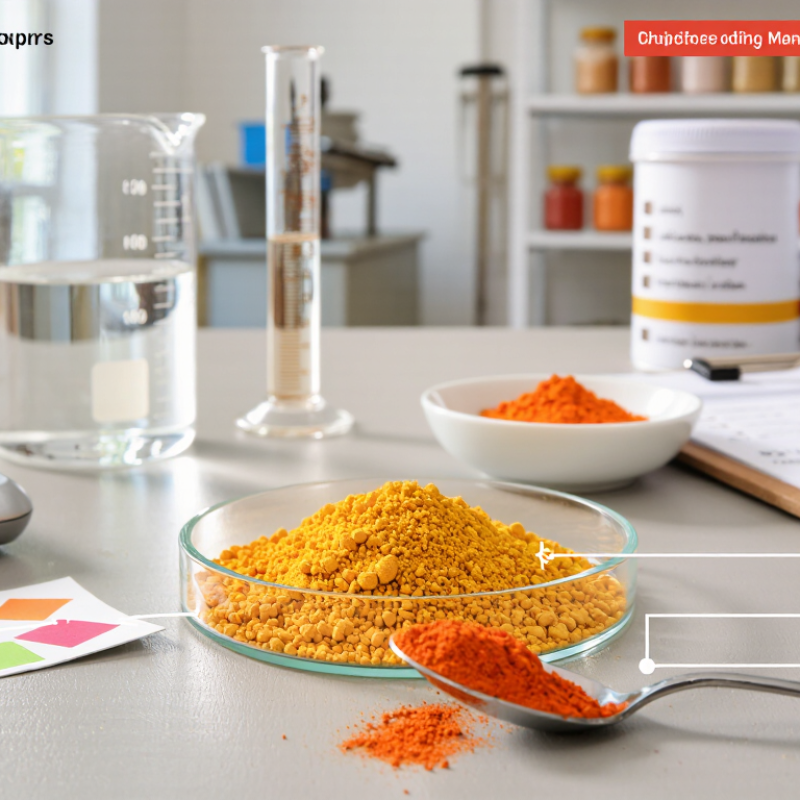
How to Choose Reliable Powder Flavor Manufacturers?

Define Flavor, Solubility, and Particle-Size Specifications Before Supplier Screening

Before contacting powder flavor manufacturers, define the target flavor in sensory terms and in the finished product. Describe key notes, such as toasted vanilla, bright citrus, or a mild roasted edge. Set acceptable limits for sweetness, bitterness, and aftertaste. A retained reference sample can help reviewers compare samples consistently. Small differences matter.

State how the powder must dissolve, including water temperature, mixing time, and intended use. A beverage mixed in cold water may behave differently from a dry seasoning blended into oil-coated ingredients. Record whether slight haze, sediment, or foam is acceptable. These details turn “good solubility” into a testable requirement. They also help prevent suppliers from comparing results under different conditions.

Particle size affects flow, dispersion, dust, and mouthfeel. Specify a target range and measurement method, such as sieve analysis or laser diffraction; results from different methods may not match directly. Include the production process in your test, not only a laboratory beaker. Then ask shortlisted suppliers for representative samples, test data, and documented batch controls. I would leave room for adjustment. Early specifications can be too narrow, so review them after practical trials without changing the acceptance criteria casually.

Verify Food-Safety Controls Against FDA 21 CFR Part 117

When evaluating a powder flavor manufacturer, ask how its food-safety program aligns with FDA 21 CFR Part 117. The rule covers current good manufacturing practices and, where applicable, hazard analysis and risk-based preventive controls. Ask whether the facility is subject to all requirements or qualifies for an exemption or modified requirements. Details matter.

Request current hazard analyses, preventive-control records, and corrective-action logs. Look for controls that fit the actual process, such as managing allergen changeovers, keeping processing areas dry, and screening ingredients for relevant hazards. Ask who reviews monitoring records and what happens when a limit is missed.

A certificate alone is not enough. That gap matters.

If possible, walk the production area and compare written procedures with observed practices. Check whether staff training, sanitation, and supplier-approval records are current and traceable to specific lots.

A clean binder can still hide weak follow-through.

One awkward question is useful: can the team explain a recent deviation without reading from a script? Strong answers are specific, consistent, and supported by records.

Verify claims against documents and facility practices; no single audit guarantees future performance.

Check Powder Stability Against the 0.60 Water-Activity Threshold

How to Choose Reliable Powder Flavor Manufacturers?
Check Powder Stability Against the 0.60 Water-Activity Threshold

When comparing powder flavor manufacturers, ask how they measure water activity, or aw. It indicates how much water is available for reactions and microbial growth. It is not the same as total moisture content. The 0.60 figure is a useful screening reference, not a universal guarantee of shelf stability. That distinction matters.

Ask for calibrated-meter records, test conditions, and repeated readings from representative batches. A sample should be handled consistently, since temperature and exposure to humid air can affect results. Look for trends across batches, not just one reassuring number. Small differences may signal process variation. One reading is not enough.

Interpret aw alongside packaging, storage conditions, and the powder’s physical behavior. A product below 0.60 may still lose aroma through oxidation or develop clumps after a poorly sealed pouch sits in a warm storeroom. Check whether the manufacturer can explain its limits and provide stability data relevant to your intended use. I would not treat a threshold as proof by itself; real storage conditions can be messier than a lab test.

Test Flavor Consistency Using ISO 4120:2021 Triangle Tests

When comparing powder flavor batches, a small sensory difference can become obvious in a finished drink. ISO 4120:2021 describes the triangle test: each assessor receives three coded samples, with two alike and one different. The task is to identify the odd sample. Simple, but useful.

To check batch consistency, compare a new lot with a properly stored reference lot. Match the powder concentration, water temperature, mixing time, and serving conditions. Use identical cups and random three-digit codes, so appearance or order does not reveal the answer. Ask assessors to rinse with water between sets. Keep notes on clumping, aroma, and aftertaste, but do not let those notes replace the test response.

Then assess whether the number of correct identifications is statistically meaningful for the panel size. A triangle test can show that samples are perceptibly different; it cannot explain why, or say which sample tastes better. That distinction matters. A weak result may reflect inconsistent preparation, tired assessors, or a reference sample that changed during storage. Repeat the test under controlled conditions before judging a supplier. Sensory data is helpful, not magic.

Review Traceability, Certificates of Analysis, and Codex CXC 1-1969 Controls

How to Choose Reliable Powder Flavor Manufacturers?

A reliable supplier should make each powder lot traceable from incoming ingredients to finished product and dispatch. Ask for lot codes, production dates, supplier records, and a clear procedure for handling withdrawals. Codex CXC 1-1969, the General Principles of Food Hygiene, sets out hygiene practices and HACCP-based controls that help identify and manage food-safety hazards. It is guidance, not a substitute for checking how controls work on the factory floor.

Review a lot-specific certificate of analysis (COA), not just a generic template. Check whether it identifies the tested batch, methods, specifications, and results for relevant properties, such as moisture, microbiology, and allergen status. Request supporting evidence when a result matters to your application. A COA records checks; it does not prove that every risk has been controlled. That distinction matters.

Look for records linking the COA to the actual production lot, plus documented calibration, sanitation, and corrective-action procedures. Ask how staff prevent mix-ups between similar powders, especially during weighing and packing. WHO’s 2015 estimates attributed 600 million foodborne illness cases and 420,000 deaths worldwide to contaminated food each year. Those figures cover food broadly, not flavor powders specifically, but they show why careful controls matter. Still, paperwork can look complete while a weak handoff goes unnoticed; discuss a real lot’s records with the quality team.

FAQS

How should a target flavor be described?

Name key notes, such as toasted vanilla or bright citrus, and set limits for sweetness, bitterness, and aftertaste. Keep a reference sample. Small differences matter.

What should a solubility requirement include?

Specify water temperature, mixing time, and intended use. Note whether haze, sediment, or foam is acceptable. Test it in the actual production process.

Why specify particle size and its measurement method?

Particle size can affect flow, dust, dispersion, and mouthfeel. State a target range and method, since sieve and laser results may differ.

How can a triangle test compare powder batches?

Serve three coded samples: two alike and one different. Ask each assessor to identify the odd sample under consistent preparation and serving conditions.

What can a triangle test tell you?

It can show whether samples taste perceptibly different. It cannot explain why or identify the better sample. Not magic.

What should a lot-specific certificate of analysis show?

It should identify the tested lot, methods, specifications, and results. Relevant checks may include moisture, microbiology, and allergen status.

How can you check that records match the powder lot?

Compare lot codes across production records, test results, and dispatch documents. Ask about calibration, sanitation, corrective actions, and mix-up prevention.

How strict should early specifications be?

Leave room for adjustment after practical trials. I would review narrow limits carefully, without casually changing acceptance criteria. This part can be messy.

Conclusion

Choosing reliable Powder Flavor Manufacturers starts with clearly defining the intended flavor profile, solubility requirements, and acceptable particle-size range. These specifications help suppliers understand the product’s performance needs and provide a consistent basis for comparing samples. Before moving forward, review the manufacturer’s food-safety procedures, including controls aligned with FDA 21 CFR Part 117, and ask how ingredients, processing conditions, and finished products are monitored.

Assess powder stability using water-activity measurements, paying particular attention to the 0.60 threshold as a useful reference for evaluating conditions that may support microbial growth. Compare batches through structured sensory testing, such as ISO 4120:2021 triangle tests, to identify meaningful flavor differences. Finally, examine traceability systems, certificates of analysis, and preventive controls informed by Codex CXC 1-1969. Together, these checks provide a practical framework for evaluating quality, consistency, and supplier accountability.


Charlotte

Charlotte

Charlotte is a seasoned marketing professional with a deep understanding of the company's portfolio and a passion for elevating its presence in the market. With a keen eye for detail and a commitment to excellence, she ensures that our professional blog is regularly updated with insightful articles......