In the dynamic world of dairy beverages, choosing the right Dairy Beverage Stabilizers is crucial. Industry expert Dr. Sarah Thompson emphasizes, "Stabilizers can make or break the quality of a product." Her insights reflect the importance of selecting the right stabilizers for both taste and texture.
Dairy Beverage Stabilizers play a vital role in improving product shelf life and maintaining consistency. A well-chosen stabilizer enhances emulsification and prevents separation. However, not all stabilizers are suitable for every product. It’s essential to evaluate the specific needs and expectations of your dairy beverage. You might wonder which stabilizer fits your formulation best.
When navigating this selection process, consider factors such as the target market and product type. Each stabilizer comes with unique properties and challenges. Reflecting on past choices can lead to valuable lessons. Products that used unsuitable stabilizers may have experienced poor quality or consumer rejection. Thus, informed decisions are key to success in this competitive market.
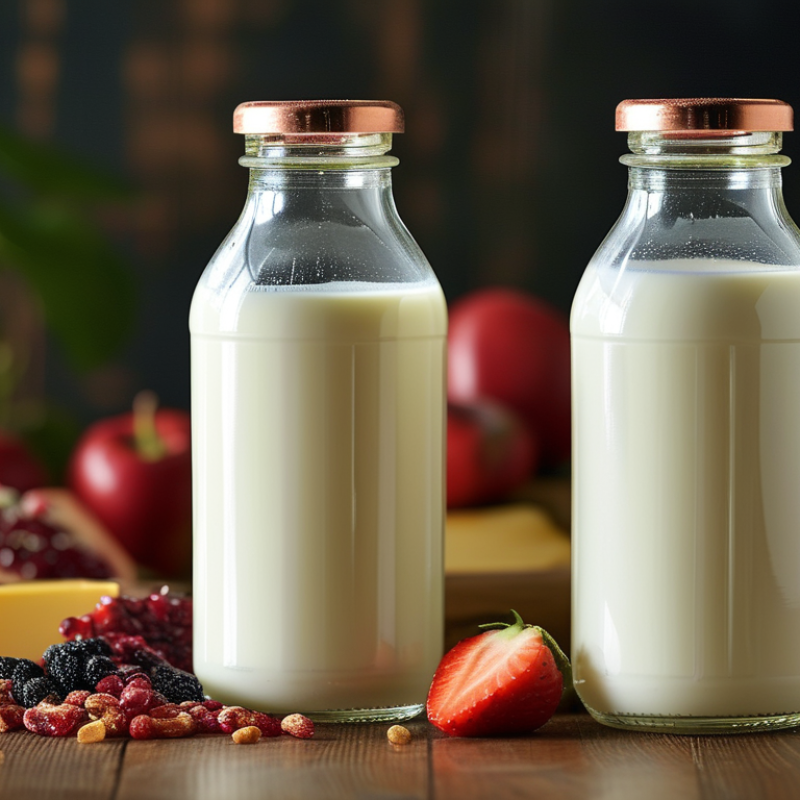
Dairy beverage stabilizers play a critical role in maintaining product quality. They ensure that beverages remain consistent and appealing during their shelf life. Many producers might overlook this aspect, but the right stabilizer can significantly enhance texture and flavor retention. A report by the Dairy Stabilizers Association noted that over 65% of consumers prefer products with a smooth texture. This shows how stabilizers directly affect customer satisfaction.
Incorporating stabilizers also prevents unwanted separation. Many dairy beverages face challenges like sedimentation. A study found that 42% of consumers rejected products due to poor visual appeal. Stabilizers, such as carrageenan or locust bean gum, effectively address these issues. By understanding the specifics of each stabilizer, producers can select the right one tailored to their unique recipes.
Choosing the most suitable stabilizer demands attention and testing. Every formulation is different, and the wrong choice could lead to product instability. Some stabilizers may alter flavor profiles. This is why consulting experts in food science or considering consumer feedback is essential. Balancing consumer expectations and product integrity requires careful analysis and adaptation.
| Stabilizer Type | Common Applications | Benefits | Potential Drawbacks |
|---|---|---|---|
| Locust Bean Gum | Yogurts, Ice Creams | Improves texture; stabilizes emulsions | Can create a gel-like consistency if overused |
| Xanthan Gum | Sauces, Dairy Drinks | Enhances viscosity; resistant to temperature changes | Can cause cloudiness in some products |
| Carrageenan | Chocolate Milk, Creams | Improves mouthfeel; stabilizes fat droplets | Concerns over gastrointestinal effects |
| Pectin | Fruit Juices, Yogurts | Natural thickener; compatible with fruit products | Requires specific conditions for gelling |
| Guar Gum | Ice Creams, Dips | Increases creaminess; helps lower fat content | Can lead to sedimentation over time |
When selecting dairy beverage stabilizers, various factors come into play. The formulation requirements differ based on the product type. For example, chocolate milk and yogurt drinks need specific stabilizers to maintain texture and prevent separation. Recent data indicates that stabilizer blends can enhance product stability by up to 30%. Understanding the functional properties of different stabilizers is critical. They can impact flavor release, mouthfeel, and shelf life.
Manufacturers must consider the target market as well. Some consumers prefer clean-label products. Thus, selecting natural stabilizers can be more appealing. For instance, pectin and guar gum have gained traction. In a recent survey, around 40% of consumers prioritized natural ingredients in their dairy choices. This trend is imperative for industry success.
Consider testing different stabilizer combinations for optimal results. Conduct stability tests to evaluate texture and flavor retention. This process can help in choosing the right stabilizers. Each formulation may require a unique approach. Conducting consumer taste tests could provide valuable feedback. Stay updated with latest industry innovations to refine your products consistently.
This bar chart illustrates the importance scores of various factors to consider when selecting dairy beverage stabilizers. Factors such as texture, viscosity, and stability are prioritized for optimal formulation of dairy beverages.
When choosing stabilizers for dairy beverages, understanding the differences between natural and synthetic options is crucial. Natural stabilizers, derived from plants or animal sources, offer the advantage of cleaner labels. They enhance texture while appealing to health-conscious consumers. Examples include pectin and guar gum, which provide a creamy mouthfeel without artificial additives.
On the other hand, synthetic stabilizers, like carrageenan, are often favored for their cost-effectiveness and consistency in performance. They can stabilize dairy beverages for longer periods, resisting heat and acid. However, some synthetic options have faced scrutiny for potential health concerns, leading to a push for more transparency in food labeling.
In considering these options, it is important to evaluate your target market. Are they seeking natural ingredients? If so, incorporating natural stabilizers could enhance product appeal. Experimenting with varying concentrations of stabilizers might yield unexpected textures and flavors.
Balance is key. Each stabilizer type has its pros and cons. Careful testing and consumer feedback will guide you toward the best choice for your dairy beverage.
When we discuss dairy beverages, stabilizers play a crucial role in determining their shelf life and texture. These ingredients help to maintain the consistency of products like yogurt, milk, and smoothies. Without stabilizers, separation can occur, leading to an undesirable texture. They ensure that the drink remains uniform throughout its shelf life.
The impact of stabilizers on the shelf life is significant. They suppress microbial growth, which can spoil dairy drinks. This helps to extend the products' usability, ensuring they remain fresh for longer periods. However, using too many stabilizers may lead to an artificial mouthfeel. Achieving the right balance is essential. Dairy beverage manufacturers must consider the trade-off between stability and natural flavor.
Texture is equally important. Consumers expect a creamy, smooth finish in dairy beverages. Choosing the right stabilizer can enhance this experience. Some stabilizers thicken the product while others improve emulsification. It is crucial to evaluate the characteristics of each stabilizer. Manufacturers must constantly test and refine their formulations. This trial-and-error approach can be challenging. Yet, it is vital to meet consumer expectations in an increasingly competitive market.
When selecting dairy beverage stabilizers, regulatory considerations are paramount. Different regions have unique guidelines. Companies must familiarize themselves with local regulations. This ensures compliance and avoids potential penalties. The importance of safety cannot be overstated. Ingredients like stabilizers need approval from relevant health authorities before use.
Manufacturers should also consider the range of applications for these stabilizers. Some are suitable for low-fat products while others work better in high-fat environments. They might impact flavor or texture. Therefore, careful testing is essential. Companies may encounter challenges in balancing stability with sensory qualities. Understanding the science behind stabilizers can help navigate these complexities.
The industry often faces evolving standards. Keeping abreast of changes is crucial. It might require investment in research and development. Engaging with regulatory bodies can provide insights. Addressing gaps in understanding is important too. Regular audits of compliance can mitigate risks. The goal is to deliver safe, high-quality dairy beverages to consumers.
: Factors include the product type, target market preferences, and functional properties of stabilizers.
These beverages need stabilizers to maintain texture and prevent separation effectively.
Natural stabilizers provide cleaner labels and are often more appealing to health-conscious consumers.
Common examples include pectin and guar gum, which enhance texture without artificial additives.
Synthetic stabilizers can be cost-effective and provide consistent performance. They also stabilize products for longer.
Each type has pros and cons; too many stabilizers can lead to an artificial mouthfeel.
Stabilizers suppress microbial growth, extending the products' usability and keeping them fresh longer.
Consumers expect a creamy, smooth finish; the right stabilizer can enhance this experience significantly.
Yes, testing different combinations can help find the optimal texture and flavor profile needed for the product.
Regular testing, refining formulations, and incorporating consumer feedback can guide improvements in products.
Dairy Beverage Stabilizers play a crucial role in enhancing the quality and consistency of dairy products. They help maintain the desired texture and prevent separation, thus ensuring an appealing appearance and taste. When choosing the right stabilizers, factors such as formulation requirements, intended shelf life, and the impact on sensory attributes are essential to consider.
The analysis of natural versus synthetic stabilizers reveals distinct advantages and potential drawbacks within various applications. Furthermore, understanding the regulatory landscape for Dairy Beverage Stabilizers is vital for manufacturers to ensure compliance while meeting consumer expectations. Ultimately, selecting the best stabilizers can significantly influence both the marketability and longevity of dairy beverages, making informed choices critical for product success.

Tellcan Food