Choosing Beverage Flavors for global markets requires more than translating a successful recipe. A flavor that feels refreshing in Seoul may seem too sweet in Berlin or too sharp in Mexico City. Local habits, climate, meal patterns, and cultural memories all influence acceptance. Small details matter. A mango drink may need less sweetness when paired with spicy food. A lemon flavor may perform better with visible citrus notes and a clean finish.
Reliable flavor decisions combine market research with practical testing. Product teams should study regional purchase data, interview local consumers, and conduct sensory panels with balanced participant groups. Experienced developers can compare sweetness, acidity, aroma, color, and aftertaste under real serving conditions. Temperature matters too. A chilled sample may hide bitterness that becomes obvious at room temperature. Packaging expectations also shape perception. A pale drink can suggest delicacy in one market and weak flavor in another.
Technical expertise must support creative ideas. Teams should review ingredient specifications, allergen information, labeling rules, and permitted claims in each target country. Independent laboratories and qualified regulatory specialists can strengthen product reliability. Consumer feedback should guide revisions, not merely confirm an early assumption. Some preferences remain difficult to predict. Even careful research can miss a regional nuance. That uncertainty deserves attention, not concealment. A strong global strategy therefore balances recognizable flavors with local relevance, consistent quality, and honest testing. The best choice is rarely the most exotic option. It is the flavor consumers understand, enjoy, and trust repeatedly.
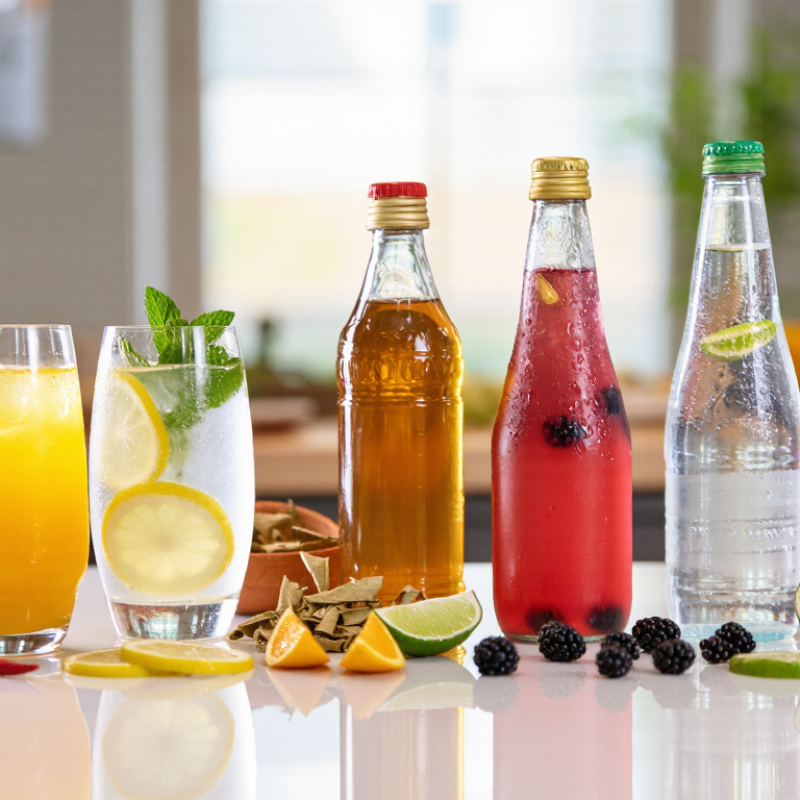
Flavor preferences rarely stop at national borders, but local habits still shape the first sip. Euromonitor International’s Voice of the Consumer: Health and Nutrition 2024 surveyed consumers across more than 20 countries. Its findings show that taste, health, and natural ingredients often influence beverage choices together. A low-sugar drink may need citrus in Mexico, tea notes in Japan, or berry acidity in Northern Europe.
Regional texture matters too. Innova Market Insights’ 2024 beverage trend research highlights continued interest in botanical, tropical, and nostalgic flavor profiles. However, “tropical” does not mean one universal taste. Mango can feel familiar in India, while passion fruit may signal premium discovery in parts of Europe. Local sweetness levels also vary. A bright lime flavor can taste refreshing in one market and sharply sour in another.
In practical trials, start with one recognizable base and adjust the finish locally. Use small sensory panels, not only online votes. Ask participants to describe the drink after three seconds, then after thirty seconds. That gap reveals problems. A flavor may attract attention but fail during repeat drinking. It happens often. Cultural research also needs humility. Translations can flatten meanings, and urban consumers may not represent rural demand. Keep a record of sweetness, acidity, aroma, and aftertaste by market. The 2024 Mintel Global Food and Drink Trends report also points to consumer interest in familiar comfort flavors with new twists, suggesting that controlled novelty may work better than extreme experimentation.
| Market Region | Common Flavor Direction | Representative Ingredients | Key Consumer and Cultural Drivers | Formulation Considerations | Recommended Flavor Strategy |
|---|---|---|---|---|---|
| North America | Familiar fruit, citrus, berry, tropical, and botanical profiles; both sweet and reduced-sugar options are widely used. | Lemon Lime Orange Berry Peach Ginger Mint | Strong interest in convenience, hydration, functional benefits, natural positioning, and lower sugar. Consumers are also familiar with bold flavor combinations and seasonal limited editions. | Reduced-sugar formulations may require balancing acidity, aroma intensity, mouthfeel, and sweetness perception. Citrus and berry flavors can help maintain impact when sugar is reduced. | Start with recognizable flavors, then add a clear point of differentiation such as botanical notes, spice, electrolytes, or a fruit-and-herb combination. |
| Latin America | Bright, refreshing, fruit-forward, sweet-tart, and sometimes spicy flavor profiles are frequently associated with local beverage traditions. | Lime Mango Pineapple Passion Fruit Guava Tamarind Chili | Tropical fruits and citrus are familiar across many markets. Refreshment, affordability, street-food culture, and regional fruit availability can influence flavor acceptance. | Acid, sweetness, and chili or spice levels should be calibrated by country. Fruit flavors may need strong top notes to remain noticeable in cold, diluted, or carbonated drinks. | Use a familiar tropical or citrus base and test regional variations in sweetness, acidity, spice intensity, and fruit authenticity. |
| Western Europe | Citrus, berry, apple, elderflower, herbal, tea, and lightly bitter profiles are common in premium and adult-oriented beverages. | Lemon Grapefruit Apple Blackcurrant Elderflower Hibiscus Tea | Interest in ingredient transparency, sustainability, lower sugar, premium cues, and sophisticated flavor complexity is important in many European markets. | Clean labels and regulatory requirements should be reviewed early. Bitterness, acidity, and botanical intensity need careful control, especially in low-sugar beverages. | Pair a recognizable fruit with a restrained botanical, tea, or floral note. Communicate ingredient origin and sensory benefits clearly without making unsupported health claims. |
| Eastern Europe | Berry, apple, stone fruit, herbal, and traditional fruit-preserve-inspired flavors often provide strong familiarity. | Sour Cherry Blackcurrant Apple Plum Raspberry Rosehip | Familiarity, value, seasonality, and traditional fruit associations can influence acceptance. Tangy and robust fruit profiles may be especially useful for differentiation. | Acid balance is important for sour fruit profiles. Color stability and flavor performance should be assessed throughout shelf life and under local storage conditions. | Lead with recognizable berries or stone fruits, then modernize the profile through carbonation, tea, herbs, or a reduced-sugar formulation. |
| East Asia | Tea, citrus, stone fruit, floral, melon, and subtly savory or umami-adjacent profiles are used across different beverage categories. | Green Tea Jasmine Yuzu Peach Pear Ume Lychee | Tea culture, seasonal ingredients, restrained sweetness, texture, and interest in novel combinations can shape flavor expectations. Preferences vary substantially by country. | Tea bitterness, floral intensity, acidity, and sweetness must be balanced carefully. Some ingredients may require country-specific regulatory and naming reviews. | Build around a familiar tea, citrus, or stone-fruit foundation and introduce novelty through floral, botanical, or seasonal accents. |
| South Asia | Fruit, spice, dairy-inspired, herbal, and sweet-tart profiles are relevant, with substantial variation between countries and beverage categories. | Mango Lemon Litchi Cardamom Ginger Cumin Rose | Traditional drinks, spices, hot-climate refreshment, and strong fruit familiarity influence product expectations. Religious, dietary, and cultural requirements may affect formulation choices. | Spice intensity, sweetness, acidity, and cloud stability should be tested locally. Ingredient, allergen, and certification requirements must be checked for each target country. | Use a well-known fruit or citrus profile as the base, with carefully dosed spice or floral notes that reflect local beverage traditions. |
| Southeast Asia | Tropical fruit, citrus, floral, tea, herbal, and sweet-sour profiles are widely relevant, while preferences differ across individual markets. | Calamansi Mango Pandan Coconut Pineapple Lychee Lemongrass | Hot and humid climates support demand for refreshing profiles. Local culinary ingredients, tea beverages, tropical fruits, and convenience formats are important cultural references. | Flavor stability at elevated temperatures, oxidation control, and sweetness-acidity balance are essential. Local terminology and ingredient familiarity should be validated through consumer testing. | Combine a recognizable tropical fruit or citrus note with a local botanical, tea, or aromatic ingredient, while optimizing for heat and storage conditions. |
| Middle East and North Africa | Citrus, mint, rose, date, pomegranate, spice, and fruit flavors are relevant across traditional and modern beverage occasions. | Lemon Mint Rose Pomegranate Date Cardamom Saffron | Hospitality, traditional infusions, hot-climate refreshment, and religious or dietary considerations can influence flavor and format selection. | Verify halal suitability, ingredient origin, labeling, and import requirements for each country. Floral and spice notes should be balanced to avoid excessive perfume or bitterness. | Pair bright citrus or pomegranate with mint, rose, or a restrained spice note, and confirm certification and labeling requirements before commercialization. |
| Sub-Saharan Africa | Fruit-forward, citrus, tropical, herbal, and locally familiar indigenous-fruit profiles can be relevant, with significant differences among countries. | Mango Pineapple Passion Fruit Baobab Hibiscus Ginger Tamarind | Local fruit availability, affordability, climate, traditional beverages, and demand for refreshing products may shape flavor selection and product format. | Supply consistency, ingredient standardization, shelf stability, and packaging performance should be evaluated alongside sensory preference. Country-level research is essential. | Begin with a familiar fruit or hibiscus profile, then adapt sweetness, acidity, color, and botanical intensity to local tastes and ingredient availability. |
| Oceania | Citrus, berry, tropical, native botanical, tea, and premium natural flavor profiles are used across refreshing and functional beverage categories. | Lemon Lime Raspberry Passion Fruit Ginger Lemon Myrtle Peppermint | Outdoor lifestyles, refreshment, wellness positioning, sustainability, and interest in distinctive native ingredients can influence product development. | Natural flavor claims, ingredient provenance, sugar levels, and environmental claims should be substantiated. Tropical products also require careful shelf-life testing. | Use a clean citrus, berry, or tropical base and differentiate with a well-supported native botanical or functional flavor cue. |
| Application note: These are broad regional tendencies rather than universal rules. Flavor acceptance can vary by country, age group, beverage category, income level, climate, religion, and consumption occasion. Validate the final profile through local sensory testing, regulatory review, and shelf-life studies. | |||||
Local habits shape sweetness, acidity, aroma, and aftertaste. A low-sugar drink may need lime in one market and tea notes elsewhere. One recipe rarely fits everyone.
Use small local sensory panels. Ask participants about the drink after three seconds and again after thirty seconds. Attention can fade quickly. That matters.
It changes by region. Mango may feel familiar in one country, while passion fruit suggests discovery elsewhere. Tropical is not one universal taste.
Not always. A bright citrus drink may taste refreshing to some consumers and sharply sour to others. Record sweetness preferences by market.
Track sweetness, acidity, aroma release, color, and aftertaste. Also note serving temperature and drinking occasion. Small details can change the experience.
Yes. Comforting flavors with a small twist may feel safer than extreme experimentation. Ginger, citrus, or berries can add novelty. Too much change may confuse consumers.
A tasty prototype may require later reformulation. That can weaken its flavor balance. Check sugar levels and nutrition targets before final testing.
Translations may lose cultural meaning. Urban participants may not represent rural consumers. Online votes can also miss real drinking behavior. Research needs humility.
Choosing Beverage Flavors for global markets requires more than translating a successful local product into another language. Consumer preferences are shaped by climate, culinary traditions, cultural habits, sweetness tolerance, and familiarity with ingredients. A flavor that feels refreshing and appealing in one region may seem too strong, unusual, or unbalanced elsewhere. Successful development begins with researching local taste profiles and understanding how cultural influences affect beverage choices.
Product teams should also evaluate ingredient availability, labeling requirements, nutritional expectations, and growing interest in balanced, natural, or lower-sugar options. Before launch, flavor concepts should be tested with regional audiences through sampling, surveys, and feedback sessions. These insights can guide adjustments to sweetness, acidity, aroma, texture, and serving style. By combining cultural understanding, responsible formulation, regulatory awareness, and local testing, beverage producers can adapt their flavors effectively and create products that feel relevant, enjoyable, and trustworthy in diverse global markets.

 Tellcan Food