The global market for acidic dairy beverages is experiencing significant growth, projected to reach USD 65 billion by 2025. As consumer preferences shift towards health-focused products, the demand for effective Acidic Dairy Beverage Stabilizers becomes crucial. These stabilizers enhance texture, improve shelf life, and maintain taste in dairy products like kefir and yogurt drinks.
Choosing the right stabilizer is not straightforward. Different products possess distinct properties and suitability for various drinks. For instance, pectin-based stabilizers are popular for their natural origin and ability to thicken, while gum-based options provide texture and stability. According to market research, over 50% of consumers look for clean-label ingredients in their beverages, which emphasizes the need for reliable stabilizers.
Understanding the intricacies of these stabilizers is vital. Many producers might overlook the importance of compatibility, which can affect product quality. As the industry evolves, sourcing information from trusted studies and professional insights will ensure the choice of the best Acidic Dairy Beverage Stabilizer. It’s an ongoing challenge that demands attention and careful consideration for both flavor and sustainability.
Understanding Acidic Dairy Beverages and Their Stabilizers
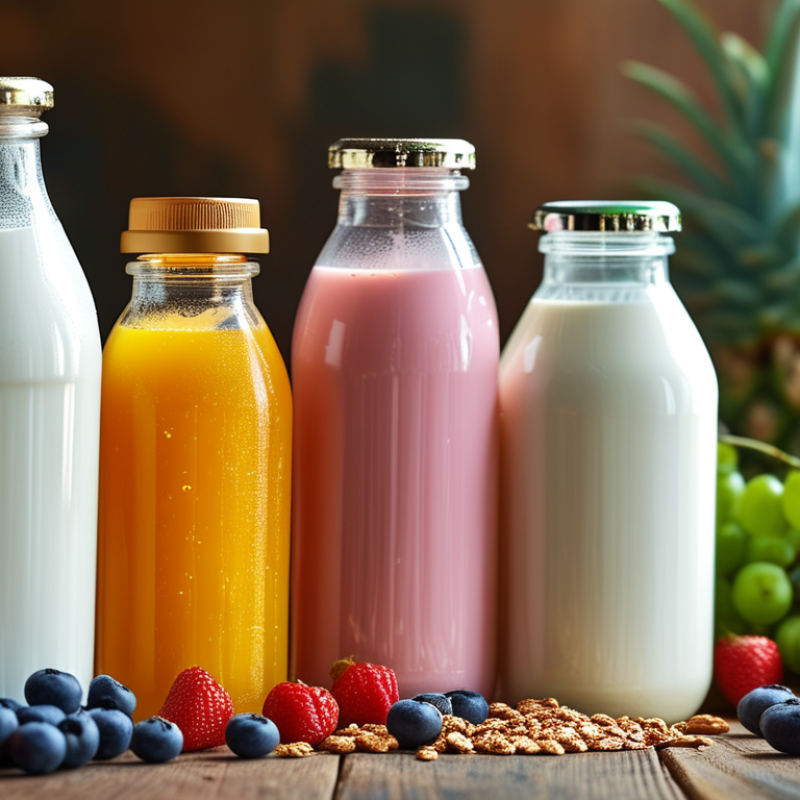
Acidic dairy beverages are gaining popularity globally. These drinks, such as kefir and yogurt drinks, are rich in probiotics and offer health benefits. According to a recent report, the global market for probiotic beverages was valued at over $18 billion in 2022, showing a significant growth trend. Consumers are increasingly seeking products that support gut health, leading to innovation in flavor and texture.
Stabilizers play a crucial role in ensuring the quality and consistency of these beverages. They maintain the desired viscosity and prevent unwanted separation. Various types of stabilizers are used, including pectin, gelatin, and modified starches. A 2023 industry analysis indicated that gelatin is effective in maintaining a smooth mouthfeel in low pH environments. However, its use can be limited by ethical considerations, which require careful thought in product formulation.
Producers face challenges in selecting the right stabilizer for specific recipes. The choice depends on factors like shelf-life, flavor compatibility, and customer demand. Sometimes, the wrong stabilizer can lead to undesirable textures or flavors. Hence, manufacturers must continuously evaluate their options and conduct consumer testing. Understanding the implications of every stabilizer used is essential for delivering high-quality acidic dairy beverages. Hopefully, companies will prioritize transparency and innovation in this competitive market.
Key Characteristics of Effective Dairy Beverage Stabilizers
Choosing the right stabilizer for acidic dairy beverages requires attention to key characteristics. Effective stabilizers enhance texture, prolong shelf life, and maintain sensory qualities. According to a 2022 report by the Dairy Products Association, texture significantly influences consumer satisfaction, with 75% of consumers prioritizing mouthfeel in their buying decisions.
A good stabilizer should provide viscosity without affecting the flavor.
Hydrocolloids, like guar gum and xanthan gum, are popular choices due to their versatile properties. They can help improve the suspension of ingredients and prevent sedimentation. However, it’s important to balance their concentration; too much can lead to a gummy texture.
Tip: Always conduct sensory evaluations when testing stabilizers. What works in theory might not resonate with consumers. It’s crucial to get feedback on textures and flavors.
Moreover, stability during storage is essential. Some stabilizers perform well initially but fail to maintain their properties over time. Research shows that dairy beverages with the right stabilizers can experience a shelf life extension of up to 30%. Finding that balance is key. Always refer to reliable sources to inform your stabilizer selection process.
Factors to Consider When Choosing a Stabilizer
When choosing a stabilizer for acidic dairy beverages, several important factors come into play. The acidity level of the beverage can greatly affect the stabilizer's performance. It's crucial to assess how the stabilizer interacts with the pH level. Some stabilizers may not hold up well under high acidity, leading to separation or texture changes. This could result in an unpleasant mouthfeel, impacting consumer satisfaction.
Another key aspect is the solubility of the stabilizer in the formulation. It should dissolve easily without forming lumps. A stabilizer that doesn’t disperse uniformly can lead to inconsistencies in the product. Moreover, visual appeal matters too. If the beverage has an unappealing appearance due to poor stabilization, customers may be deterred from purchasing it.
Finally, consider the sensory attributes. The stabilizer should not alter the flavor or aroma of the beverage negatively. Taste tests and consumer feedback can illuminate how well a stabilizer enhances or detracts from the overall beverage experience. Continuous evaluation and testing can uncover areas needing improvement. This process is critical for achieving a high-quality dairy beverage that meets consumer expectations.
Comparison of Common Acidic Dairy Beverage Stabilizers
When selecting an effective stabilizer for acidic dairy beverages, understanding the common options is essential. Some widely used stabilizers include gelatin, pectin, and modified starch. Each stabilizer has its unique properties and applications. For instance, gelatin offers excellent texture but may introduce a characteristic mouthfeel that not all consumers appreciate. Pectin, derived from fruits, behaves well in acidic conditions, creating a smooth and consistent texture.
Modified starch, on the other hand, provides versatility in formulation. This stabilizer can withstand diverse processing conditions and varying acidity levels. However, the challenge lies in balancing the stabilizing effect and maintaining the desired flavor profile. It’s crucial to preprocess the starch correctly to achieve optimal results.
Experimenting with combinations of stabilizers might yield better outcomes. Yet, testing different ratios could lead to unexpected results. Sometimes, stabilizers can interact in ways that change the overall viscosity. Understanding these interactions requires a blend of experience and careful observation. Thus, selecting the best stabilizer might not always be straightforward. Each choice carries potential implications for product consistency and consumer satisfaction.
Comparison of Common Acidic Dairy Beverage Stabilizers
This chart illustrates the effectiveness of common acidic dairy beverage stabilizers based on a rating scale of 1 to 10, helping you choose the best option for your needs.
Best Practices for Implementing Stabilizers in Dairy Products
When implementing stabilizers in acidic dairy beverages, understanding their role is crucial. Stabilizers help maintain texture and enhance flavor. They prevent separation and sedimentation, which can be a common issue in dairy products. Proper use can improve product shelf life, making it essential to choose the right stabilizer.
Devoting attention to the selection process is important. Choose stabilizers based on their solubility, viscosity, and compatibility with other ingredients. Testing various formulations may yield surprising results. Sometimes, a stabilizer might not perform as expected. This can lead to inconsistencies, requiring a reevaluation of ingredient ratios or processing conditions.
Monitoring the final product is key. After incorporating stabilizers, conduct taste and texture tests. Collect consumer feedback to ensure acceptance. It’s essential to be open to alterations based on this feedback. Adjustments may lead to unexpected outcomes. Reflecting on these changes can foster product improvement and innovation in dairy applications.
How to Choose the Best Acidic Dairy Beverage Stabilizer? - Best Practices for Implementing Stabilizers in Dairy Products
| Stabilizer Type |
Key Benefits |
Ideal Use Cases |
Recommended Usage Rate |
| Carrageenan |
Improves texture and mouthfeel |
Flavored yogurt, cheese drinks |
0.1% - 0.5% |
| Xanthan Gum |
Provides thickness and stability |
Kefir, dairy-based beverages |
0.1% - 0.6% |
| Pectin |
Enhances gel formation |
Fruit-flavored dairy products |
0.5% - 1.5% |
| Locust Bean Gum |
Stabilizes emulsions |
Dairy desserts, ice cream |
0.2% - 0.8% |
| Modified Starch |
Improves stability under heat |
Pourable yogurt, sauces |
1% - 3% |
Conclusion
When it comes to choosing the best Acidic Dairy Beverage Stabilizer, it is crucial to understand the nature of acidic dairy beverages and their unique requirements. Effective stabilizers should exhibit key characteristics such as good solubility, viscosity enhancement, and the ability to maintain texture and taste stability. Factors like the pH level, temperature stability, and interactions with other ingredients also play an essential role in selecting the right stabilizer.
A comparative analysis of common acidic dairy beverage stabilizers reveals their strengths and weaknesses, aiding producers in making informed decisions. Moreover, implementing best practices when applying these stabilizers can optimize product quality and shelf life. Ultimately, a well-chosen Acidic Dairy Beverage Stabilizer not only improves the physical attributes of the beverage but also enhances consumer satisfaction.

 Tellcan Food