Best Natural Food Preservatives for Meat from China?

Time:2026-11-27 Author:Madeline
0%

Choosing Natural Food Preservatives For Meat is not simply a search for a “clean-label” ingredient. It is a practical decision about oxidation, microbial control, flavor, processing conditions, and shelf life. Scale matters. FAO’s Food Outlook, June 2024, estimated global meat production at about 364 million tonnes in 2023. The World Health Organization estimates that unsafe food causes 600 million illnesses annually, though this figure covers all food categories, not meat alone.

For buyers exploring suppliers in China, useful options may include rosemary extract, tea polyphenols, vinegar-based ingredients, and fermentation-derived preservatives. Their performance depends on the meat type, recipe, packaging, and storage temperature. A result in cooked sausage may not translate to fresh minced meat. Details matter.

The label “natural” can sound reassuring, but it does not prove safety or shelf life. There is no tidy shortcut. A supplier’s technical data, batch consistency, application trials, and documentation deserve close review. Even strong laboratory results need confirmation in the actual product. That part is easy to underestimate.

This guide compares common natural preservation approaches and explains what to ask Chinese manufacturers before purchasing. It also considers practical trade-offs, including flavor changes, dosage, and evidence supporting shelf-life claims. The right choice is rarely universal. It should fit the product, the process, and the market’s applicable food-safety requirements.
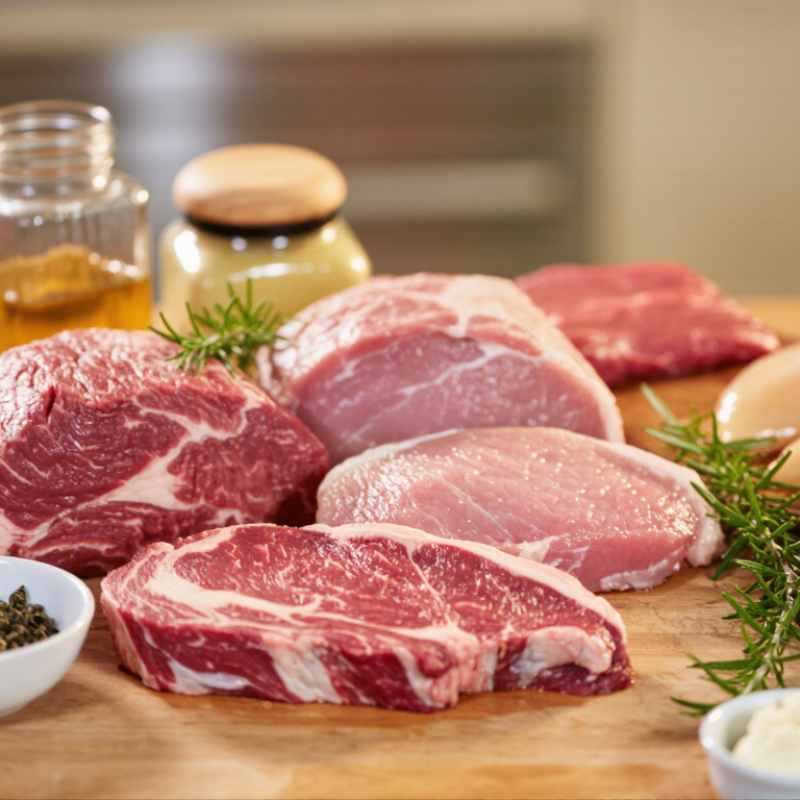
Best Natural Food Preservatives for Meat from China?

What Natural Preservatives for Meat Are and How They Work

Best Natural Food Preservatives for Meat from China?

Natural preservatives help slow spoilage by changing the conditions microbes need or limiting chemical damage. Salt binds water and reduces how much is available for microbial growth. Vinegar and other food acids lower pH, making meat less hospitable to some microbes. Their effects depend on concentration, meat type, and how the ingredient is applied. Natural does not mean risk-free.

Cultured ingredients can produce organic acids that help restrict unwanted microbial growth. Rosemary extract and similar plant antioxidants mainly slow fat oxidation, which can cause rancid flavors and odors. They do not replace microbial controls. In practice, preservation works best as part of a validated process involving sanitation, suitable packaging, and steady refrigeration. A pleasant smell is not proof that meat is safe.

Tips: Keep raw meat cold, follow tested handling and storage instructions, and use preservatives only at appropriate food-grade levels. Check the finished product under real storage conditions; results can vary. The word “natural” can be vague, so I would look for a clear ingredient function rather than rely on the label alone.

Natural Preservative Ingredients Sourced from China

China can supply natural preservative ingredients such as green-tea extract, citrus-peel compounds, garlic, ginger, and rosemary extract. Green-tea catechins and rosemary antioxidants may help slow fat oxidation, while some plant extracts can inhibit microbial growth. Effects vary with the meat, dosage, and processing conditions. They are not interchangeable.

FAO’s 2019 report, The State of Food and Agriculture, estimates that about 14% of food is lost between harvest and retail worldwide; this figure is not specific to meat. For buyers, that makes careful preservation worth evaluating. Ask suppliers for standardized active-compound levels, batch certificates, and contaminant testing.

Then test the ingredient in the actual product: a chilled pork slice and a seasoned sausage may respond differently. Check color, aroma, and shelf-life results under the intended storage conditions.

Small trials matter.

“Natural” alone proves little, and an extract that works in a laboratory may disappoint on a production line. Pair ingredient screening with validated hygiene, packaging, and temperature control.

How These Ingredients Help Preserve Meat

Natural meat preservatives work through different hurdles, not one magic ingredient. Vinegar and cultured sugars can lower surface pH, making conditions less favorable for some spoilage microbes. Salt draws water away from microbial cells, while rosemary and other antioxidant-rich extracts can slow fat oxidation. That matters in minced beef: more exposed fat can mean faster rancid notes. A faint herbal smell may remain, though, and that is not always desirable.

FAO’s 2019 report, The State of Food and Agriculture, estimated that 14% of food is lost between harvest and retail worldwide; this figure covers all food groups, not meat alone. Preservatives may help limit spoilage, but they cannot replace clean handling, sealed packaging, or steady refrigeration. WHO estimates that unsafe food causes 600 million illnesses annually worldwide, underscoring why preservation must support—not substitute for—food-safety controls. Ingredient performance varies with meat type, dose, pH, and storage temperature, so producers need product-specific shelf-life testing. “Natural” is not a safety guarantee. I would also be cautious about relying on a single extract: its flavor can become noticeable before its preservative effect is enough.

Best Natural Food Preservatives for Meat from China? How These Ingredients Help Preserve Meat

How to read this chart: Vinegar and citrus juices are acidic ingredients that can help inhibit some microbes when used appropriately. The bars show their approximate pH ranges—not the pH of treated meat or a measure of preservation strength. Actual pH varies by product. These ingredients do not replace refrigeration, safe handling, or validated preservation processes.

Choosing a Preservative for Different Meat Products

Choosing a preservative for different meat products starts with the recipe, process, and desired shelf life. Fresh sausages may benefit from salt and carefully selected cultured ingredients, which can help manage spoilage and support a consistent flavor. Vinegar-based ingredients can add acidity, but too much may create a sharp taste or softer texture. Texture matters.

Cooked sliced meats need attention to both microbial control and oxidation. A suitable cultured ingredient may help with shelf-life goals, while rosemary extract can slow some oxidative changes that cause warmed-over flavors. For dried meat, salt and controlled drying remain central; a plant extract alone cannot replace validated processing. There is no perfect fit. Even a promising ingredient can perform differently in a high-fat sausage than in lean jerky.

Tips: When evaluating a preservative sourced from China, request its specification, ingredient declaration, and batch analysis, then check that it suits your exact meat application. Run small trials and assess taste, color, and texture over the intended storage period. Keep temperature control and hygienic handling in place. I would not choose by “natural” wording alone; product-specific testing is the part that is easy to underestimate.

Safety, Quality, and Regulatory Considerations

For meat products sourced or made in China, “natural” does not automatically mean safe or effective. Vinegar, cultured sugars, and some plant-derived extracts may help control spoilage, but their performance depends on the meat, recipe, processing method, and storage conditions. Natural is not risk-free. A preservative can change the meat’s color, aroma, or taste; a sour note may be noticeable in a mild sausage. Small trials matter.

Safety depends on more than the ingredient name. Ask suppliers for specifications, certificates of analysis, contaminant results, and traceability records. Check that the material is suitable for food use and consistent between batches. Test the finished product for microbial control and shelf life under realistic conditions, including temperature changes during transport. Cold chain still matters. A preservative cannot compensate for poor sanitation or mishandling.

Regulatory checks should match the exact product and market. For sales in China, confirm the current applicable food-additive standard, product category, permitted use level, and labeling requirements. Requirements can differ for meat types and intended uses, so do not rely on a supplier’s general assurance. For export, review destination-market rules separately. I would also keep written evidence for each decision; it is easy to assume a familiar ingredient is acceptable everywhere, and that assumption needs questioning.

Best Natural Food Preservatives for Meat from China? — Safety, Quality, and Regulatory Considerations
Preservative or hurdle Main preservation role Potential meat applications Quality and safety considerations Regulatory checks for China
Salt (sodium chloride) Reduces water activity and contributes to flavor and protein functionality. Cured, brined, dried, and some fermented meat products. Effect depends on concentration and the full formulation. High sodium intake is a dietary concern; salt alone does not make raw meat shelf-stable. Confirm the applicable product standard, formulation requirements, and labeling rules. Do not treat salt as a substitute for temperature control or a validated process.
Vinegar or food-grade acetic acid Lowers pH, which can inhibit some microorganisms when the finished product reaches a suitable, validated acidity. Acidified marinades, sauces, and selected processed meat products. May create a sour flavor and alter texture. Performance varies with the product’s buffering capacity and the uniformity of acid distribution. Check ingredient status, permitted use, product-category rules, and labeling requirements. Validate final pH and microbial safety for the specific product.
Fermentation cultures and cultured ingredients Selected cultures can produce organic acids and other antimicrobial metabolites during controlled fermentation. Fermented sausages and other products with a defined fermentation step. Requires suitable cultures, controlled time and temperature, and verification of fermentation endpoints. Cultured ingredients are not automatically effective in every meat product. Assess the legal status and labeling treatment of each culture or ingredient under the applicable Chinese requirements. Validate the process and finished-product criteria.
Rosemary extract Antioxidant activity can help slow oxidation of fats and reduce rancid flavors. Fat-containing cooked, chilled, or frozen meat products where oxidation affects quality. Primarily supports oxidative quality; it should not be relied on as a stand-alone control for pathogens. Flavor, color, and performance depend on the extract and product. Verify whether the specific substance and use are permitted for the exact food category under China’s current food-additive standard, including applicable limits and labeling rules.
Citrus or other plant-derived antioxidants May help limit oxidation, depending on the active components and formulation. Products susceptible to oxidative discoloration or off-flavors. Evidence and performance are product-specific. Plant origin does not establish antimicrobial effectiveness or guarantee a longer safe shelf life. Check the identity, specification, permitted use, and labeling status of the exact ingredient. “Natural” is not a regulatory exemption.
Chilled or frozen storage and hygienic handling Controls microbial growth through temperature management and prevention of contamination. Raw meat and processed meat throughout production, transport, and storage. Essential safety controls, not ingredients. Temperature limits and shelf life must be set for the product and supported by validation and monitoring. Apply relevant Chinese food-safety and hygiene requirements, including applicable product standards and GB 14881. Ensure transport and storage conditions match the validated product specification.
Regulatory and safety note: China’s GB 2760-2024 came into effect on February 8, 2025. For any additive, check the current standard’s food category, permitted function, maximum level or other conditions of use, and labeling requirements. Natural origin alone does not establish permission. Preservatives do not replace validated processing, sanitation, pathogen controls, or an appropriate cold chain. Apply relevant microbiological limits, including GB 29921 where applicable, to the specific product category.

FAQS

Which natural ingredients may help preserve meat?

Green-tea extract, citrus-peel compounds, garlic, ginger, and rosemary extract are possible options. Their effects differ by recipe and process. No universal fix.

How do these ingredients work?

Rosemary and green-tea antioxidants may slow fat oxidation. Vinegar or cultured sugars can lower surface pH. Salt draws water away from microbial cells. Effects vary.

Can plant extracts prevent all spoilage?

No. They may help, but cannot replace clean handling, sealed packaging, or steady refrigeration. Cold chain still matters.

Why test ingredients in the actual product?

A chilled pork slice may respond differently from seasoned sausage. Check color, aroma, and shelf life under intended storage conditions. Lab results can disappoint on a production line.

What supplier documents should buyers request?

Ask for standardized active-compound levels, batch certificates, contaminant results, and traceability records. Compare batches. Names alone prove little.

Can preservatives change meat flavor or appearance?

Yes. An herbal smell or sour note may appear, especially in mild products. Color can shift too. That trade-off deserves attention.

How should shelf life be evaluated?

Run small trials with realistic storage and transport temperatures. Test microbial control and product quality. One trial may not settle it.

What should buyers check for different markets?

Confirm current rules for the exact product, category, permitted use, and labeling. Export markets need separate checks. Keep written evidence; one familiar ingredient may not be accepted everywhere.

Conclusion

Natural Food Preservatives For Meat are ingredients from natural sources that can help slow spoilage by limiting oxidation or the growth of some microorganisms. Ingredients sourced from China may include plant extracts, herbs, spices, and naturally derived compounds. Their effectiveness depends on the ingredient, its concentration, and how it is used alongside processing and storage practices.

Choosing a preservative requires considering the meat product’s composition, flavor, texture, and intended shelf life. An ingredient that suits fresh meat may not be appropriate for a seasoned or processed product, so careful testing is important to maintain quality without unwanted changes in taste or appearance. Producers should also assess ingredient purity, consistent supply, food safety, and applicable regulatory requirements in their target markets. Natural ingredients can support preservation, but they do not replace hygienic handling, suitable packaging, or proper temperature control.


Madeline

Madeline

Madeline is a dedicated marketing professional with a wealth of expertise in our company's core offerings. With a keen understanding of the industry, she brings a unique perspective to her role, consistently delivering high-quality content that highlights the superior aspects of our products. As......