Microcrystalline Cellulose (MCC) is gaining traction in various industries due to its unique properties. Experts support its multifunctionality. Dr. Sara Thompson, a leading specialist in food science, notes, "Microcrystalline Cellulose offers great advantages in improving product texture and stability." This statement highlights the essential role of MCC in product formulation.
The benefits of Microcrystalline Cellulose are numerous. In the food sector, it acts as a filler and stabilizer. Its ability to retain moisture enhances food texture. In pharmaceuticals, MCC serves as a binder, promoting effective drug delivery. These applications prove that MCC is not just a filler; it fundamentally improves product quality.
Despite its advantages, not all products utilize Microcrystalline Cellulose effectively. Some formulations overlook optimal MCC levels, diminishing beneficial effects. This calls for further research and exploration. Understanding how to balance MCC in various uses is crucial for maximizing its potential.
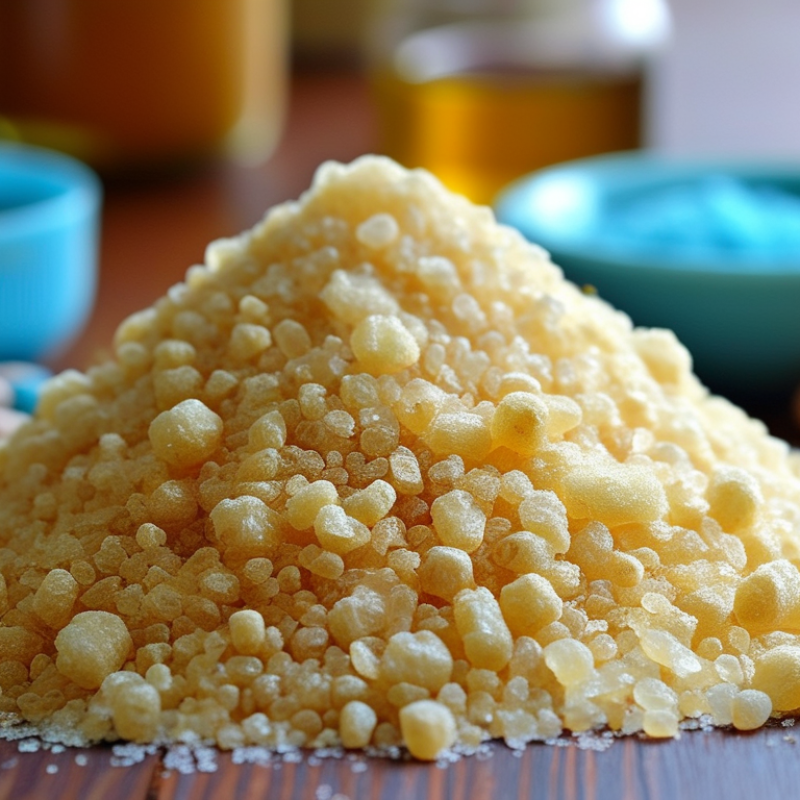
Benefits of Microcrystalline Cellulose as a Food Additive
Microcrystalline cellulose (MCC) is a popular food additive with numerous benefits. This substance is derived from plant fibers. It acts as a bulking agent, giving texture to low-calorie products. Many people appreciate its ability to enhance mouthfeel while keeping calories low. The use of MCC can also improve the stability of food products, ensuring that they maintain their desired consistency.
MCC contributes to dietary fiber intake. It helps support digestive health and encourages regularity. Many consumers seek food options that promote well-being. By incorporating microcrystalline cellulose, manufacturers can appeal to health-conscious individuals. This additive is also non-allergenic, making it suitable for those with dietary restrictions.
However, it is essential to consider the potential downsides. Some individuals may experience discomfort from excessive fiber intake. Striking a balance is crucial in product formulations. While MCC offers valuable benefits, it's vital to reflect on how it fits within a balanced diet. Understanding the complexities of food additives leads to informed choices.
Role of Microcrystalline Cellulose in Pharmaceuticals and Cosmetology
Microcrystalline cellulose (MCC) is gaining attention in the fields of pharmaceuticals and cosmetology. This versatile compound serves multiple functions in various products. As an excipient, it ensures tablets maintain their structure and integrity. MCC also enhances the bioavailability of active ingredients, which is crucial in drug formulation. People often overlook its importance, yet it plays a vital role in ensuring effectiveness.
In cosmetics, MCC acts as a thickening agent. It creates smoother textures in creams and lotions. Additionally, it can absorb excess oil, making it beneficial for oily skin types. Many consumers appreciate its natural origin, as it is derived from plant cellulose. Despite being widely used, questions about its long-term effects remain. Some individuals report sensitivity to products containing MCC. This highlights the importance of further research.
The safety profile of microcrystalline cellulose is generally favorable. Regulatory bodies have deemed it safe for use in different formulations. However, not all users may react positively. It is essential for manufacturers to conduct studies that reflect real-world use. This way, they can address any potential issues. Users should remain informed and consult professionals when trying new products containing MCC.
Enhancing Texture and Stability: Microcrystalline Cellulose in Products
Microcrystalline cellulose (MCC) is gaining popularity in various products. It enhances texture and stability in a significant way. MCC acts as a stabilizer, improving the consistency of food and cosmetics. Its unique structure helps maintain the desired viscosity, making products more user-friendly.
In food applications, MCC adds bulk without calories. It pairs well with different ingredients, preventing separation. In personal care items, it lends a smooth feel, enhancing the product's appeal. However, the extent of its benefits often depends on the formulation. Not all combinations work harmoniously. This requires a careful approach.
While microcrystalline cellulose is valuable, it's not without flaws. Overuse can lead to undesirable textures. Users might find some products less palatable. Testing different ratios is essential for optimal results. This exploration adds depth to product development, inviting innovation and improvement.
What are the Benefits of Microcrystalline Cellulose in Products?
| Benefit |
Description |
| Texture Enhancement |
Microcrystalline cellulose contributes to a pleasing mouthfeel and improved texture in food products. |
| Stabilization |
Acts as a stabilizer in emulsions and suspensions, providing consistency and preventing separation. |
| Caloric Reduction |
Used as a bulking agent to reduce calorie content of products without compromising volume. |
| Binding Agent |
Provides effective binding in tablets and other solid forms, ensuring even distribution of ingredients. |
| Enhancement of Shelf Life |
Helps in moisture retention, which can extend the shelf life of products. |
| Fat Replacement |
Can mimic the texture and bulk of fats, making it useful in low-fat and reduced-calorie products. |
Comparative Analysis: Microcrystalline Cellulose vs. Other Fillers
Microcrystalline cellulose (MCC) is a widely used filler in various products, offering numerous advantages over other fillers. According to a comprehensive market analysis by MarketsandMarkets, the global microcrystalline cellulose market was valued at approximately $1.14 billion in 2020, highlighting its significant adoption across industries. Its high purity and excellent binding properties make MCC a preferred choice in pharmaceuticals, food, and cosmetics.
In contrast to starch or talc, MCC exhibits superior moisture absorption and controlled release properties. Research from the International Journal of Pharmaceutics indicates that MCC can enhance the bioavailability of active pharmaceutical ingredients. This unique characteristic allows manufacturers to create formulations with more effective dose delivery. Certain fillers, like whey or soy protein, may introduce allergenic risks. MCC, however, is generally recognized as safe (GRAS), making it a reliable option for a broader audience.
Despite its benefits, the choice of filler can be complex. Other fillers can sometimes offer cost advantages or specific functional attributes absent in MCC. For instance, rice flour may provide desirable texture in some food products. However, it's essential to reflect on the long-term stability and overall performance. Understanding specific product requirements is crucial for optimal formulation. Each filler has its strengths and weaknesses, emphasizing the need for careful selection based on the intended application and target market.
Health and Safety Aspects of Microcrystalline Cellulose Usage
Microcrystalline cellulose (MCC) is widely used in various products, particularly in the food and pharmaceutical industries. Its safety profile is a crucial aspect of its appeal. MCC is generally recognized as safe (GRAS) by health authorities. This designation means it can be consumed without significant health risks. It's important to consider, though, how individual reactions may vary.
For many, MCC aids digestion and acts as a bulking agent. It can facilitate smoother interactions in dietary supplements. However, some individuals may experience mild gastrointestinal issues, such as bloating or gas. This variability raises questions about individual tolerance levels. Additionally, while MCC is derived from natural sources, the purity and processing methods can affect quality.
MCC's non-reactive nature makes it suitable for various applications. It does not trigger allergic reactions in most people. Yet, the sourcing and manufacturing processes should be transparent to ensure consumer trust. Being informed about potential contaminants is essential. Relying solely on labels is not always enough. Demanding more information fosters a safer consumer environment.
Benefits of Microcrystalline Cellulose in Products
This chart illustrates the various benefits of microcrystalline cellulose used in products, highlighting the importance of its roles as a stabilizer, thickener, emulsifier, anti-caking agent, and binding agent.
FAQS
: MCC is a versatile compound used in pharmaceuticals and cosmetics, serving various functions.
It acts as an excipient, maintaining tablet structure and enhancing bioavailability of active ingredients.
MCC is a thickening agent, improving textures in creams and lotions and absorbing excess oil.
Generally, MCC is recognized as safe by health authorities, but individual responses may vary.
Some users report mild gastrointestinal issues, such as bloating or gas. Individual tolerance levels differ.
They should conduct real-world studies to address potential issues and improve product safety.
It enhances stability, creating smoother textures and improving user experience in foods and cosmetics.
Overuse can lead to undesirable textures; careful testing of formulations is necessary for optimal results.
Most people do not have allergic reactions, but it's important to consider sourcing and processing quality.
Demand transparency about sourcing and potential contaminants for a safer consumer environment.
Conclusion
Microcrystalline Cellulose (MCC) offers a range of benefits as a multifunctional additive in various industries, especially in food, pharmaceuticals, and cosmetology. As a food additive, MCC enhances texture and stability, improving the overall sensory experience of products while also acting as a bulking agent. In pharmaceuticals and cosmetics, its ability to provide viscosity and stabilize formulations makes it an invaluable ingredient, ensuring products maintain their desired consistency and effectiveness.
Moreover, a comparative analysis of Microcrystalline Cellulose against other fillers reveals its unique advantages, including improved health and safety profiles. MCC is generally recognized as safe (GRAS) and poses minimal health risks when used appropriately, making it a preferred choice among formulators. As such, Microcrystalline Cellulose continues to play a vital role in enhancing product quality across diverse applications.

 Tellcan Food