In 2026, global beverage buyers face tighter quality expectations, longer supply routes, and changing consumer preferences. Beverage Stabilizing Solutions help protect flavor, texture, color, and product consistency from filling to final consumption. They support many categories, including juices, dairy drinks, plant-based beverages, sports drinks, and functional formulas.
A reliable selection process begins with the beverage itself. Acidity, sugar content, protein level, processing temperature, packaging material, and storage conditions all influence stability. A solution that performs well in a chilled juice may fail in a high-protein drink. Small differences matter.
Practical evaluation should include accelerated shelf-life testing, sensory checks, microbial control, and packaging compatibility. Supplier documents should explain composition, recommended dosage, batch consistency, traceability, and storage requirements. Buyers should also confirm regional food regulations before approving any ingredient or processing aid. Compliance cannot be assumed across markets.
Real experience often reveals the difficult part. A clear bottle may show sediment after several weeks. A smooth mouthfeel may weaken after heat treatment. A promising laboratory result may not survive ocean freight or warehouse temperature changes. No universal formula exists. Some recommendations remain incomplete until pilot-scale data becomes available.
The strongest suppliers communicate limits, not only benefits. They provide technical support, testing records, and realistic performance expectations. Buyers should compare total cost, not just purchase price. Reformulation, rejected batches, and customer complaints can become more expensive later.
This guide examines leading Beverage Stabilizing Solutions for global procurement in 2026. It focuses on practical performance, responsible sourcing, technical evidence, and market-specific requirements. Decisions should remain evidence-based, flexible, and open to review.
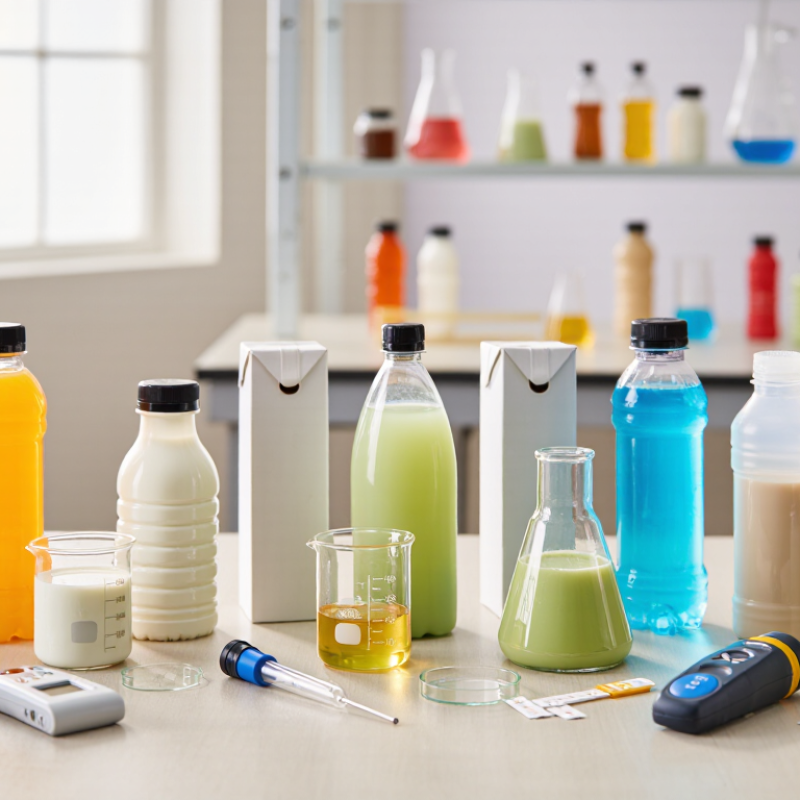
2026 Best Beverage Stabilizing Solutions for Global Buyers
Define Beverage Stabilization and Its 2026 Global Market Role
Beverage stabilization means keeping a drink uniform, safe, and appealing during storage and transport. It helps control sediment, separation, cloudiness, oxidation, and texture changes. A stable beverage should still pour evenly after weeks in a warehouse or a hot delivery truck.
In practical formulation work, stabilization starts with the beverage itself. Fruit particles, proteins, minerals, acidity, and sugar levels can interact unexpectedly. A formulator may adjust homogenization pressure, use suitable hydrocolloids, or select approved antioxidants. Small details matter. A visible ring near the cap can signal poor emulsion control. A gritty layer at the bottom may indicate particle incompatibility.
The 2026 global market places greater value on reliable performance across regions. Buyers increasingly review shelf-life data, processing tolerance, documentation, and ingredient transparency. They also consider refrigerated and ambient distribution separately. A solution that works in a cool laboratory may fail inside a warm shipping container. That assumption needs testing.
Sustainable sourcing and simpler labels are also influencing purchasing decisions. However, “clean label” expectations differ between markets and product categories. No stabilizing system fits every beverage. Pilot trials should examine pH, temperature cycles, light exposure, filling conditions, and real-time storage. Results should be recorded clearly, with limitations included. That honesty supports better technical decisions.
A practical, brand-neutral comparison of commonly used stabilization approaches for beverage formulation, processing, export compliance, and portfolio planning.
Global buyer comparison table
| Stabilizing solution | Primary instability controlled | Typical beverage applications | How it works | Key formulation variables | Processing considerations | Buyer relevance in 2026 | Compliance and labeling checkpoints |
|---|---|---|---|---|---|---|---|
| Pectin | Particle settling, serum separation, and loss of body in acidic beverages | Fruit drinks Juice beverages Acidified dairy drinks Plant-based beverages | Anionic polysaccharide that increases serum viscosity and can help suspend fruit particles. In selected dairy systems, it can reduce protein aggregation under acidic conditions. | pH, soluble solids, calcium level, pectin type, dosage, heat history, and shear | Hydration and dispersion must be controlled. Excessive heat, calcium, or low pH can change viscosity and mouthfeel. | Useful for clean-label positioning, fruit-containing formulations, and products requiring a balanced, natural-style mouthfeel. | Confirm permitted use, category, maximum level, and naming requirements in the destination market. Check interaction with dairy proteins and minerals. |
| Gum arabic | Flavor-oil separation, emulsion instability, and ring formation | Citrus beverages Flavored waters Soft drinks Flavor emulsions | Provides interfacial protection for oil droplets and contributes moderate soluble-solids and body effects. | Oil loading, droplet size, homogenization pressure, ionic strength, pH, and total solids | Best performance depends on good pre-emulsification and homogenization. Low or inconsistent hydration can reduce emulsion stability. | Relevant for globally distributed flavored beverages because it supports stable oil-based flavor systems and can reduce visible separation during storage. | Verify the permitted additive or ingredient category and required declaration. Assess allergen, origin, and sustainability documentation where applicable. |
| Xanthan gum | Suspension loss, sedimentation, and viscosity drift | Pulpy drinks Nutrition beverages Sauce-like drink concentrates Reduced-sugar beverages | Creates high viscosity at low use levels and exhibits shear-thinning behavior, allowing easier pouring while maintaining suspension at rest. | Dosage, hydration temperature, pH, salts, sugar level, particle size, and shear rate | Requires effective dispersion to avoid fisheyes or agglomerates. Excessive use can produce a slimy or overly structured mouthfeel. | Supports lower-sugar and nutrient-dense formats where solids, minerals, or suspended components can otherwise destabilize the beverage. | Check category-specific permissions, maximum levels, additive declaration, and sensory acceptability in each target jurisdiction. |
| Carboxymethyl cellulose | Particle settling, phase separation, and insufficient body | Flavored beverages Protein drinks Dairy alternatives Cloudy drinks | Water-soluble polymer that increases viscosity and helps maintain suspended particles and a consistent beverage texture. | Degree of substitution, molecular weight, pH, salts, protein level, and heat treatment | Hydration sequence is important. Interactions with proteins, electrolytes, and acidic conditions should be assessed through shelf-life testing. | Suitable for cost-conscious stabilization programs requiring predictable viscosity and broad process compatibility. | Confirm local authorization and the required additive name or functional-class declaration. Review standards for beverages containing proteins or minerals. |
| Modified food starch | Weak body, sedimentation, and instability caused by sugar reduction or solids changes | Meal-replacement drinks Fruit preparations Dairy-style beverages Thickened drinks | Provides viscosity, suspension, and texture through controlled swelling or dispersion of starch granules or pregelatinized particles. | Starch type, shear, temperature, pH, freeze-thaw exposure, solids, and processing time | Some grades require heat activation, while others disperse in cold water. Retort, UHT, and aseptic processes require grade-specific validation. | Important for reformulation, texture recovery, and cost control when beverage recipes change in response to sugar, calorie, or protein trends. | Review source disclosure, processing aid status where relevant, genetically modified organism requirements, and destination-market additive rules. |
| Emulsifier systems | Oil droplet coalescence, creaming, flavor separation, and poor cloud stability | Citrus drinks Energy beverages Vitamin drinks Oil-soluble flavor systems | Adsorb at the oil-water interface, reduce interfacial tension, and help form a protective layer around dispersed droplets. | Hydrophilic-lipophilic balance, oil type, emulsifier concentration, droplet size, density difference, and homogenization | Requires controlled addition order and suitable homogenization. Density matching and clouding-agent selection may be necessary for long-term stability. | Highly relevant as beverage portfolios expand into functional, fortified, and oil-containing formats with more complex ingredient systems. | Verify the permitted emulsifier, use level, functional class, source, allergen status, and any restrictions for the specific beverage category. |
| Antioxidant and oxygen-management systems | Oxidative flavor loss, color fading, nutrient degradation, and off-flavor development | Juices Tea beverages Botanical drinks Fortified beverages | Reduces oxidation through oxygen exclusion, oxygen scavenging, metal control, or radical-quenching mechanisms. | Dissolved oxygen, headspace oxygen, light exposure, metal ions, pH, temperature, and antioxidant compatibility | Packaging selection, deaeration, nitrogen dosing, light protection, and hygienic filling can be as important as the ingredient system. | Supports shelf-life extension and protection of sensitive botanicals, vitamins, colors, and natural flavors during long-distance distribution. | Distinguish between an ingredient, processing aid, preservative, and antioxidant under local law. Validate claims and measure oxygen and oxidation markers. |
| Chelating and metal-control systems | Metal-catalyzed oxidation, color change, haze, and flavor deterioration | Fruit beverages Tea drinks Fortified waters Acidic beverages | Binds or controls trace metal ions that can accelerate oxidation or interact with polyphenols, pigments, and proteins. | Metal concentration, pH, polyphenol content, mineral fortification, dosage, and packaging contact materials | Raw-material and water quality control are essential. The system should be tested with the actual mineral premix and packaging configuration. | Valuable for products using botanical extracts, added minerals, or sensitive natural colors where trace metals can reduce shelf-life consistency. | Check jurisdictional authorization, maximum use level, category limitations, and analytical requirements for mineral and metal specifications. |
| Acidification and preservation controls | Microbial growth, pH drift, and reduced microbiological shelf life | Acidified beverages Juice drinks Ready-to-drink teas Syrups and concentrates | Uses validated pH, water activity, thermal processing, hygienic design, and—where legally permitted—preservative systems to control microorganisms. | Equilibrium pH, titratable acidity, water activity, preservative sensitivity, thermal process, filling hygiene, and package integrity | Stabilizers do not replace validated pasteurization, aseptic processing, cold-chain management, or a documented food-safety plan. | Core to safe international distribution, especially where ambient transport, extended shelf life, or varied retail conditions are expected. | Validate the process for the specific product and package. Confirm local pH requirements, preservative permissions, labeling rules, and microbiological criteria. |
2026 global market role of beverage stabilization
| Market requirement | Why stabilization matters | Preferred technical response | Buyer validation metrics |
|---|---|---|---|
| Longer ambient distribution | International supply chains expose beverages to heat cycles, vibration, extended storage, and variable handling conditions. | Combine formulation stabilization with validated thermal processing, oxygen control, suitable packaging, and transport simulation. | Accelerated and real-time shelf-life results, sediment height, phase-separation index, color, dissolved oxygen, pH, and microbiological results |
| Reduced sugar and lower-calorie formulations | Removing sugar reduces soluble solids, body, mouthfeel, and sometimes the physical stability of suspended components. | Use carefully selected hydrocolloids, soluble fibers, starch systems, or blends with controlled viscosity and clean sensory release. | Viscosity profile, sensory texture, suspension stability, aftertaste, and consumer acceptance |
| Functional and fortified beverages | Proteins, minerals, botanical extracts, vitamins, and oil-soluble actives can increase haze, sedimentation, oxidation, or phase separation. | Use compatible emulsification, chelation, buffering, protein stabilization, and oxygen-management strategies. | Active retention, protein stability, particle-size distribution, haze, oxidation markers, and nutrient assay |
| Clean-label and natural-positioned products | Consumers and retailers increasingly scrutinize ingredient lists, while natural systems can be more sensitive to pH, minerals, heat, and raw-material variation. | Prioritize recognizable ingredients where technically feasible, but validate performance rather than relying only on label perception. | Ingredient declaration, sensory panel results, batch-to-batch variation, shelf-life, and regulatory acceptability |
| Global regulatory and sourcing complexity | Ingredient permissions, maximum levels, additive numbering, allergen rules, GMO disclosure, and documentation differ by market. | Select solutions with complete specifications, traceability, food-safety documentation, and market-specific regulatory review. | Specification conformity, certificate of analysis, contaminant limits, traceability, change-control records, and country-specific approval status |
Technical note: Permitted uses, maximum levels, naming conventions, and labeling requirements vary by country and beverage category. Final selection should be confirmed against the current requirements of the destination market and validated in the finished product under real processing, packaging, and storage conditions. General reference frameworks include the Codex General Standard for Food Additives, applicable national food-additive regulations, and recognized food-safety systems such as HACCP.
Acid may destabilize proteins, fade color, and increase sediment. Separation can appear after transport, heating, or storage. A thin ring around the bottle neck may reveal a small pH shift.
Sugar solids change viscosity, density, and flavor release. A drink may look stable after filling, then separate later. Brix should be measured with a calibrated instrument.
Suitable hydrocolloids, emulsifiers, and acid-compatible proteins may help. Dosage should match juice content, minerals, and processing temperature. One stabilizer rarely suits every fruit base.
Test samples in cold storage, room temperature, and short heat-abuse trials. Inspect clear bottles under strong side lighting. Check for haze, sediment, floating oil, and color loss.
Compare samples after seven, fourteen, and thirty days. Measure pH and Brix after processing, not only before filling. Small equipment differences can change results.
Request process records, challenge-study results, pH data, and sealed-package integrity checks. Applicable juice processes may require a five-log pathogen reduction target. That means a 100,000-fold reduction.
No. Accelerated tests can guide decisions, but they cannot fully replace real-time studies. Verify performance across six to twelve months when possible.
Include specifications, safety documents, analysis certificates, traceability records, and change-notification procedures. Keep reference samples from each production lot. Files can become outdated faster than expected.
Test exposure to heat, humidity, vibration, condensation, and long container dwell times. Cold-chain drinks also need freeze-thaw checks. Laboratory conditions may miss a difficult port or truck route.
Compare dosing efficiency, freight, waste, inventory, and quality failures. A cheaper powder may cause rework through inconsistent hydration. Dual sourcing improves resilience, but sensory differences can appear.
Beverage Stabilizing Solutions play a vital role in helping global buyers maintain product quality, safety, and consistency across modern drink categories. This article explains how stabilization supports beverages in the 2026 market, especially products with pH values from 3.0 to 4.5 and sweetness levels of 8–14°Brix. It examines common instability risks, including sedimentation, separation, haze, flavor changes, and microbial deterioration, while comparing hydrocolloids, emulsifiers, and chelators used at practical dosages of 0.05–0.50%.
The guide also presents a structured approach to performance validation, combining process controls, 5-log microbial reduction targets where applicable, and accelerated testing to support 6–12-month shelf-life expectations. For international sourcing, the best solution should be selected according to regional regulations, climate exposure, processing conditions, total cost, labeling requirements, and supply reliability. Careful formulation trials and quality verification remain essential for achieving stable, safe, and commercially consistent beverages.

 Tellcan Food